

What Does It Cost to Pave a Parking Lot?
Average Cost to Pave a Parking Lot
The first number contractors commonly use when estimating a parking lot is the cost per square foot. For example, if a contractor estimates $5 per square foot and the parking lot covers 20,000 square feet, the preliminary paving allowance would be:
20,000 square feet × $5 = $100,000
This is only an example rather than a guaranteed market price. Actual bids depend on the scope of work and local conditions.
Recent 2026 estimates show asphalt parking lot projects can fall into ranges such as $3 to $8 per square foot for basic installed work, while more extensive commercial projects involving drainage, curbing, lighting, and other improvements can reach approximately $4.50 to $12 per square foot.
That means a property owner should not compare proposals based solely on the price per square foot. Two contractors could provide very different prices because their proposals include different amounts of preparation or different pavement specifications.
Parking Lot Size Has a Major Impact
One of the biggest factors affecting the cost to pave a parking lot is its overall size.
A small commercial lot may have a higher price per square foot because equipment transportation, crew setup, and other fixed costs are distributed across fewer square feet. Larger projects can sometimes achieve a lower unit price because those fixed costs are spread over a larger area.
Consider these simple planning examples:
| Parking Lot Size | Example Rate | Preliminary Cost |
|---|---|---|
| 5,000 sq. ft. | $3/sq. ft. | $15,000 |
| 5,000 sq. ft. | $6/sq. ft. | $30,000 |
| 10,000 sq. ft. | $3/sq. ft. | $30,000 |
| 10,000 sq. ft. | $6/sq. ft. | $60,000 |
| 25,000 sq. ft. | $3/sq. ft. | $75,000 |
| 25,000 sq. ft. | $6/sq. ft. | $150,000 |
| 50,000 sq. ft. | $3/sq. ft. | $150,000 |
| 50,000 sq. ft. | $6/sq. ft. | $300,000 |
These are mathematical examples for budgeting, not contractor quotes. They demonstrate why measuring the actual paved area is an important first step.
Site Preparation Can Change the Price
The existing condition of the property can make a substantial difference to the final cost to pave a parking lot.
If the site has a stable, properly prepared base, a paving contractor may be able to complete the project with relatively limited preparation. If the existing base is weak, saturated, uneven, or damaged, additional excavation and aggregate may be necessary.
Site preparation may include:
- Removing existing asphalt or concrete
- Excavating unsuitable soil
- Grading the site
- Installing or rebuilding an aggregate base
- Compacting the subgrade
- Correcting drainage problems
- Preparing areas around curbs and structures
- Removing debris or unsuitable materials
A low paving quote may not necessarily be a better value if it excludes necessary preparation. A parking lot with a properly constructed foundation is more likely to provide the structural support needed for regular vehicle traffic.
Asphalt Thickness Matters
The amount and thickness of asphalt used also affect project pricing.
A parking lot designed for passenger vehicles may require a different pavement structure than an area that regularly handles delivery trucks, buses, service vehicles, or heavy commercial traffic.
A contractor may consider:
- Expected traffic volume
- Vehicle weight
- Soil conditions
- Existing base material
- Climate
- Drainage
- Local construction requirements
- Intended service life
Using an appropriate pavement section can be more important than simply choosing the lowest initial price. A property that receives heavy traffic may require additional structural support compared with a lightly used office parking area.
Drainage Can Add to the Budget
Water is one of the major concerns in parking lot construction. Standing water can contribute to pavement deterioration, cracking, potholes, and base problems.
Depending on the site, drainage work may involve:
- Catch basins
- Storm drains
- Drainage pipes
- Grading
- Gutters
- Curbs
- Inlets
- Adjustments around existing structures
Drainage is often a separate line item in a paving proposal. Current parking lot cost guides specifically identify drainage as one of the factors that can move a project significantly beyond a basic square-foot paving calculation.
For this reason, property owners should ask contractors whether drainage improvements are included in their quoted cost to pave a parking lot.
Removing an Existing Parking Lot
A completely new parking lot is different from replacing an existing pavement surface.
If an old asphalt parking lot is severely damaged, the contractor may need to remove the existing pavement before rebuilding the base and installing new asphalt. Milling may be appropriate for some projects, while full-depth removal and reconstruction may be necessary for others.
Resurfacing can sometimes be less expensive when the existing pavement and underlying base remain structurally sound. However, resurfacing over serious base failures does not solve the underlying problem.
Some 2026 industry estimates place resurfacing or overlay work substantially below full reconstruction, although actual pricing depends heavily on the existing pavement condition and the amount of preparation required.
Line Striping and Parking Markings
A finished parking lot needs more than asphalt.
Striping establishes individual parking spaces and helps drivers understand how to use the property. Depending on the facility, the project may also require:
- Accessible parking spaces
- Access aisles
- Directional arrows
- Fire lanes
- Loading zones
- No-parking areas
- Curb markings
- Crosswalks
- Handicap symbols
- Numbered spaces
Striping is frequently priced separately from paving. Accessibility requirements can also affect the layout, signage, slopes, and dimensions of parking spaces.
When reviewing the cost to pave a parking lot, make sure the proposal clearly identifies whether striping and other pavement markings are included.
Geographic Location Affects Pricing
Labor, materials, fuel, equipment transportation, permitting, and local construction conditions can vary considerably from one market to another.
A parking lot in one state may have a substantially different price from a similarly sized project elsewhere. Climate can also influence pavement requirements. Freeze-thaw conditions, heavy rainfall, soil characteristics, and drainage needs all affect how a pavement system should be designed.
For a property owner in Southwest Florida, for example, choosing an experienced naples asphalt company can provide useful local insight into soil conditions, drainage, traffic patterns, and regional construction practices.
The best way to determine the actual local cost to pave a parking lot is to obtain site-specific estimates rather than relying entirely on national averages.
Maintenance Should Be Part of the Budget
The initial paving investment is only one part of parking lot ownership.
Regular maintenance can help protect the pavement and address minor problems before they become major repairs. Depending on the pavement and local conditions, maintenance may include:
- Crack filling
- Sealcoating
- Patching
- Drainage maintenance
- Cleaning
- Periodic restriping
- Resurfacing
Some published estimates place asphalt sealcoating around $0.15 to $0.30 per square foot, although local pricing and project conditions vary.
A property owner who budgets for maintenance from the beginning may have an easier time managing long-term pavement expenses.
How to Compare Parking Lot Paving Quotes
Getting multiple estimates can be helpful, but comparing the final dollar amount alone may not provide an accurate picture.
Ask each contractor to explain:
- How much existing pavement will be removed?
- How much base preparation is included?
- What asphalt thickness is proposed?
- What type of asphalt mix will be used?
- Is grading included?
- Are drainage improvements included?
- Is traffic control included?
- Are permits included?
- Is parking lot striping included?
- What warranty applies to the work?
A good proposal should clearly identify what work is included and what costs may be additional.
For example, one contractor might quote $4 per square foot for asphalt installation but exclude base repairs and drainage. Another might quote $6 per square foot while including more extensive preparation. The second proposal could have a higher initial price but represent a substantially different scope.
Commercial Paving Pricing Depends on Square Footage.
Commercial paving pricing depends on square footage. However, square footage is only the starting point for determining a project’s budget.
The condition of the existing pavement, site accessibility, pavement thickness, drainage, base preparation, traffic requirements, and finishing work all contribute to the final price.
Property owners should therefore use per-square-foot pricing as an initial budgeting tool rather than a guaranteed final cost. Current cost references consistently emphasize that project scope and site conditions can produce significant differences between preliminary estimates and actual bids.
Is Asphalt a Good Choice for a Commercial Parking Lot?
Asphalt is commonly used for commercial parking lots because it can provide a durable driving surface and can be installed efficiently when the project is properly planned.
It can also be maintained through repairs, crack filling, sealcoating, and resurfacing when appropriate. The right choice depends on the property’s traffic, budget, drainage conditions, expected service life, and design requirements.
Concrete may also be considered for some commercial applications. Current cost comparisons generally show concrete parking lots carrying a higher initial installation price than asphalt, although the appropriate material depends on the project’s specific requirements.
Final Thoughts on Parking Lot Paving Costs
So, what is the cost to pave a parking lot?
For 2026 budgeting purposes, published estimates commonly place basic asphalt parking lot installation somewhere around $2.50 to $8 per square foot, with more comprehensive commercial projects potentially reaching higher levels when drainage, curbing, lighting, accessibility improvements, excavation, and other work are included.
The most accurate price comes from a site-specific assessment. Before accepting a proposal, understand the pavement thickness, base preparation, drainage, removal requirements, striping, and other included services.
Whether you are developing a new commercial property or replacing an aging parking lot, understanding the factors behind the cost to pave a parking lot can help you prepare a more realistic budget and make informed decisions about the scope of work.
Frequently Asked Questions
How much does it cost to pave a parking lot?
Published 2026 estimates commonly place basic asphalt parking lot installation around $2.50 to $8 per square foot. More extensive commercial projects can cost more when drainage, excavation, curbs, lighting, accessibility work, and other improvements are included.
What is the biggest factor in parking lot paving cost?
The size of the paved area is an important starting point, but site preparation and pavement condition can have a major effect. Base repairs, excavation, drainage, asphalt thickness, and removal of existing pavement can substantially change the final price.
Is resurfacing cheaper than replacing a parking lot?
Generally, resurfacing or overlay work can cost less than full-depth reconstruction when the existing pavement and base are structurally sound. If the foundation has significant failures, complete reconstruction may be necessary.
Does parking lot striping cost extra?
Often, yes. Striping and pavement markings may be listed separately from the asphalt installation. Accessible spaces, arrows, fire lanes, crosswalks, and other markings can add to the project scope.
Does drainage affect the cost to pave a parking lot?
Yes. Drainage improvements can require additional grading, catch basins, pipes, curbs, or other infrastructure. These items should be clearly identified in the contractor’s proposal.
How do I get an accurate parking lot paving estimate?
Have a qualified commercial paving contractor inspect the property and provide a written proposal. The estimate should identify the paved area, pavement thickness, base preparation, demolition, drainage, striping, and other project requirements.
Should I get multiple paving estimates?
Yes. Comparing multiple detailed proposals can help identify differences in scope and pricing. Make sure each contractor is estimating essentially the same pavement specifications and project requirements before comparing prices.

Tree Trimming Inverness: The Smart Way to Improve Curb Appeal and Safety
Well-maintained trees can make a property look welcoming, attractive, and cared for. However, trees that are overgrown, damaged, or poorly shaped can have the opposite effect. Excessive branches may block windows, cover walkways, interfere with power lines, and create potential hazards during storms. Regular tree trimming is one of the most practical ways homeowners can improve both appearance and safety.
For homeowners in Inverness, Florida, proper tree care is especially important because local landscapes often include mature trees that experience strong winds, heavy rain, and seasonal weather changes. Strategic trimming can help trees maintain a healthy structure while making the entire property look cleaner and more appealing.
Why Tree Trimming Matters for Curb Appeal
Curb appeal is about more than having a freshly painted front door or a well-maintained lawn. Trees are often among the largest visual features on a property, so their condition can significantly influence how a home looks from the street.
Creating a Cleaner Landscape
Overgrown trees can make a yard appear neglected. Branches that hang too low or extend unevenly can make landscaping look crowded. Removing selected branches helps create a more balanced appearance and allows other landscape features to stand out.
Proper trimming can also improve the shape of mature trees. Instead of cutting large portions of the canopy randomly, professional tree care focuses on selective pruning that supports the tree’s natural structure.
Improving Visibility Around the Home
Trees sometimes grow into areas where they obstruct windows, signs, driveways, sidewalks, or outdoor lighting. Carefully removing problem branches can improve visibility without unnecessarily reducing the tree’s canopy.
Better visibility can also make entrances and pathways feel more open. This small improvement can have a noticeable effect on the overall appearance of a residential property.
Highlighting Architectural Features
A large tree can complement a home’s architecture, but excessive growth may hide attractive features. Selective trimming can open up views of windows, porches, rooflines, and other design elements.
The goal should not be to dramatically change the tree. Instead, trimming should create a healthier relationship between the tree and surrounding structures.
Tree Trimming Inverness and Property Safety
Trees provide shade and beauty, but neglected branches can become safety concerns. Dead, broken, or weak limbs may fall unexpectedly, especially during severe weather.
Tree trimming Inverness improves curb appeal while reducing safety risks from low-hanging, damaged, or overcrowded branches.
Removing Dangerous Branches
Dead and damaged branches should receive attention because they may become unstable over time. Branches weakened by disease, decay, insects, or storm damage can break under pressure.
Removing these hazards can reduce the possibility of branches falling onto vehicles, walkways, patios, fences, or other property features.
Keeping Branches Away From Structures
Branches growing too close to roofs, siding, gutters, and other structures can cause problems. Constant contact may damage roofing materials or create pathways for pests.
Strategic trimming can maintain appropriate clearance while allowing the tree to continue providing shade and visual appeal.
Protecting Walkways and Driveways
Low branches can interfere with people walking through the yard or vehicles entering and leaving the property. Trimming branches that obstruct these areas can make the landscape easier and safer to navigate.
This is particularly helpful for properties with mature trees near sidewalks, driveways, entrances, or outdoor living spaces.
When Should Trees Be Trimmed?
The appropriate timing depends on the tree species, its condition, the type of trimming needed, and local growing conditions. Homeowners should avoid treating every tree the same way.
After Storm Damage
Storms can leave broken or hanging branches that require prompt attention. Homeowners should avoid attempting to remove large or unstable limbs themselves, particularly when branches are near power lines or structures.
When Growth Becomes Excessive
Trees may gradually become overcrowded as branches compete for space. Selective pruning can improve airflow and light penetration throughout the canopy.
Regular maintenance is generally easier than waiting until a tree becomes severely overgrown.
When Branches Interfere With Property
If branches are touching the roof, blocking visibility, obstructing pathways, or growing toward utility lines, an inspection can help determine whether trimming is appropriate.
Common Tree Trimming Mistakes to Avoid
Tree trimming may look simple, but improper cuts can damage a tree and create future problems.
Avoid Removing Too Much
Removing too many branches at once can stress a tree and leave it vulnerable. Pruning should be conservative and focused on specific problems.
Do Not Top Trees
Tree topping involves cutting large sections from the upper canopy. This can create weak regrowth and damage the tree’s natural structure. Proper pruning is a better approach for managing height and growth.
Be Careful Around Power Lines
Branches near electrical lines can create serious hazards. Homeowners should not attempt DIY trimming in these areas. Professional tree specialists have the appropriate knowledge and equipment to evaluate such situations.
Benefits of Professional Tree Trimming
Professional tree care can provide more than a better-looking yard. An experienced arborist or tree service can evaluate branch structure, identify signs of decline, and determine which branches should be removed.
A professional approach also helps preserve the tree’s natural shape. Instead of making unnecessary cuts, trained specialists can focus on structural pruning, clearance, deadwood removal, and other appropriate maintenance techniques.
Regular inspections can also help identify problems before they become expensive emergencies.
FAQs About Tree Trimming in Inverness
How often should trees be trimmed?
There is no universal schedule for every tree. Species, age, health, growth rate, and location all affect trimming needs. Many mature trees benefit from periodic professional inspections to determine when pruning is appropriate.
Does trimming make trees healthier?
Proper pruning can support tree health by removing dead, damaged, or poorly positioned branches. However, excessive or incorrect trimming can harm a tree, so pruning should be performed carefully.
Can I trim large branches myself?
Small, accessible branches may be manageable for homeowners with the proper tools and knowledge. Large branches, unstable limbs, branches near structures, and anything close to power lines should be handled by qualified professionals.
Does tree trimming improve property value?
Well-maintained trees can contribute to an attractive landscape and positive first impression. Proper trimming may improve appearance, safety, and overall landscape management, all of which can benefit a property’s presentation.
What should I do after a storm?
Inspect the property from a safe distance for broken or hanging branches. Do not approach damaged trees that are leaning or near electrical lines. Contact a qualified tree professional if hazardous branches require removal.
Conclusion
Tree trimming is an important part of responsible property maintenance. In Inverness, maintaining mature trees can improve curb appeal while addressing potential hazards caused by damaged, weak, low-hanging, or overcrowded branches.
The smartest approach is selective and purposeful trimming rather than excessive cutting. By maintaining appropriate clearance, removing hazardous growth, and preserving healthy tree structure, homeowners can enjoy attractive landscapes that are safer and easier to maintain. Regular professional evaluations can also help identify problems early and keep trees looking their best for years to come.

How Cincinnati Local SEO Beats National Competitors
For small and medium-sized businesses across Greater Cincinnati from independent HVAC contractors in West Chester and boutique law firms in Downtown to family-owned dental practices in Kenwood competing against massive national brands can feel like an uphill battle. National corporations boast multi-million dollar marketing budgets, sprawling digital footprints, and years of accumulated domain authority.
When a potential customer opens Google to search for a service, competing directly against national enterprise websites for broad, generic keywords is often a losing proposition. National brands cast a wide net, spending heavily on broad digital campaigns across dozens of states.
However, national brands possess a critical vulnerability: they lack localized relevance. Google’s search algorithms heavily prioritize geographic proximity, immediate community context, and local intent when serving search results to users.
Here is an in-depth strategy guide on how local enterprises leverage hyper-targeted Cincinnati Local SEO techniques to outrank national giants, capture high-intent customers, and dominate their home markets.
1. Winning the High-Value Google Local “3-Pack”
When local consumers search for immediate services such as “emergency plumber in Cincinnati,” “best coffee shop near me,” or “roofing contractor Oakley”—Google displays a prominent visual feature known as the Local 3-Pack at the very top of search results, above traditional organic website links.
[ High-Intent Local Search ] ──► Google Local 3-Pack Display ──► Instant Direct Leads
Why National Brands Can’t Win the 3-Pack:
- Physical Proximity Dominance: Google’s Local 3-Pack relies heavily on verified physical addresses within the user’s immediate vicinity. National brands operating without a physical, verified storefront in specific Cincinnati neighborhoods are automatically filtered out.
- Direct Conversion Buttons: Local map listings feature instant “Call,” “Directions,” and “Website” buttons, capturing up to 60% of all mobile clicks before users ever scroll down to national directory sites or corporate landing pages.
By optimizing your Google Business Profile (GBP) with accurate local business hours, precise category tags, high-resolution interior photos, and consistent updates, your local business can capture the prime digital real estate that national enterprise budgets cannot buy.
2. Capitalizing on Hyper-Local Search Intent
National marketing teams build generic content templates designed to cover entire states or countries. Consequently, their landing pages often sound robotic, generic, and detached from the actual communities they target.
Local businesses win by building hyper-targeted content that addresses specific neighborhood needs, regional landmarks, and local pain points.
┌─────────────────────────────────────────────────────────────────────────────┐
│                    LOCAL vs. NATIONAL CONTENT RELEVANCE                     │
├──────────────────────────────┬──────────────────────────────────────────────┤
│ Content Strategy             │ Local Agency vs. National Enterprise         │
├──────────────────────────────┼──────────────────────────────────────────────┤
│ **Geographic Targeting**     │ Focuses on specific neighborhoods like OTR, │
│                              │ Hyde Park, Mason, and Anderson Township.     │
├──────────────────────────────┼──────────────────────────────────────────────┤
│ **Community Context**        │ Incorporates local weather patterns, regional│
│                              │ building codes, and community events.        │
├──────────────────────────────┼──────────────────────────────────────────────┤
│ **Consumer Trust**           │ Builds immediate authenticity with authentic │
│                              │ local customer reviews and local imagery.    │
└──────────────────────────────┴──────────────────────────────────────────────┘
When a homeowner in Mount Adams searches for a service, a page specifically written about Mount Adams historic architecture, parking constraints, and local building requirements will consistently convert far better than a generic “Ohio Service Page” generated by a national corporation.
3. Building Authentic Local Citation and Link Networks
Link building remains one of Google’s strongest ranking signals. While national brands focus on acquiring broad, nationwide press coverage, local search algorithms place immense value on local relevance and community integration.
[ Local Sponsorships & Press ] ──► Geographically Relevant Backlinks ──► Top Local Map Authority
- Regional Media Coverage: Earning mentions and backlinks from respected Southwestern Ohio media outlets, local news stations, and neighborhood blogs establishes deep regional authority.
- Community Partnerships: Sponsoring local Cincinnati little league teams, charity events, chambers of commerce, and business associations creates a natural, highly authoritative local backlink profile that national competitors cannot replicate.
- Directory Accuracy: Maintaining identical Name, Address, and Phone Number (NAP) consistency across local directories reinforces Google’s confidence in your physical location.
4. Leveraging Real-Time Social Proof and Local Reputation
Modern consumers rely heavily on peer reviews when choosing a service provider. While a national company might show thousands of generic nationwide reviews, local customers want to see feedback from neighbors in their own community.
| National Brand Review Footprint | Local Cincinnati Business Footprint |
| Generalized feedback spread across nationwide locations. | Concentrated, 5-star reviews mentioning specific local technicians and neighborhoods. |
| Impersonal, automated corporate responses to client feedback. | Authentic, personalized owner responses demonstrating local community care. |
| Disconnected customer service teams handling inquiries. | Direct connection to local staff living and working in Greater Cincinnati. |
A steady stream of recent, positive Google reviews mentioning specific Cincinnati locations and services signals strong social proof to both potential clients and search engine crawlers.
5. Faster Adaptability and Agility in Local Markets
National marketing teams move slowly. Strategy changes across large corporations require approval through multiple levels of corporate management, legal reviews, and regional directors.
Local businesses operating in Cincinnati possess the agility to adapt their local SEO strategies immediately. Whether responding to a sudden winter ice storm, adjusting seasonal promotions for local events, or targeting emerging neighborhood developments, a local search strategy allows you to publish content and optimize listings in real time while national competitors are still waiting for corporate approval.
Conclusion
Outranking national competitors does not require matching their multi-million dollar advertising budgets. By focusing on hyper-local search intent, dominating the Google Local 3-Pack, cultivating authentic community backlinks, and building strong local social proof, independent Cincinnati businesses can consistently beat national giants where it matters most: capturing local customers in their home market.
Ready to dominate local search rankings and bring more customers through your doors? Connect with the local search specialists at Cincinnati SEO to schedule your custom local market audit today.
Frequently Asked Questions (FAQ)
Q: Can a small local business really outrank a multi-billion dollar national company on Google?
A: Yes! For search queries with local intent (e.g., “plumber near me” or “Cincinnati lawyer”), Google prioritizes geographic proximity, local business profiles, and regional relevance over general national domain authority.
Q: What is the most important factor for ranking in the Cincinnati Google Map Pack?
A: The top ranking factors include an optimized, fully completed Google Business Profile, consistent NAP citations across web directories, geographic proximity to the searcher, and a steady stream of high-rating Google reviews.
Q: How long does it take to see results from a local SEO campaign in Cincinnati?
A: Most local businesses begin seeing noticeable improvements in local map rankings, organic search visibility, and inbound phone calls within 60 to 90 days of launching a dedicated local SEO strategy.

How to Choose a Medical Device Contract Manufacturer
Understand Your Manufacturing Requirements
Before comparing manufacturers, clearly define what you need from the relationship. A company developing a wearable medical device may have very different requirements from a business producing wound care products, diagnostic components, drug delivery devices, or disposable medical products.
Start by documenting your product specifications, expected production volumes, materials, tolerances, assembly requirements, packaging needs, sterilization requirements, testing procedures, and anticipated launch schedule.
You should also determine whether you need a manufacturer that can support development in addition to production. Some companies only need an established manufacturing process transferred to a production facility. Others need assistance refining prototypes, selecting materials, developing processes, validating production methods, and preparing documentation.
Understanding these requirements makes it easier to identify a medical device contract manufacturer with the appropriate capabilities instead of choosing a company based primarily on price.
Evaluate Quality Management Systems
Quality should be one of the first factors you investigate. Medical devices require consistent manufacturing processes and documented controls because defects can potentially affect patient safety.
As of February 2, 2026, the FDA’s Quality Management System Regulation, or QMSR, is in effect. The QMSR incorporates ISO 13485:2016 by reference into the FDA’s medical device quality requirements and places greater emphasis on risk management and consistent quality management practices.
When evaluating a manufacturing partner, ask about its quality management system and relevant certifications. You should also understand how the company handles:
- Document control
- Supplier qualification
- Incoming material inspection
- Process controls
- Equipment maintenance
- Employee training
- Nonconforming products
- Corrective and preventive actions
- Complaint handling
- Traceability
- Change control
- Production records
- Final product inspection
Do not simply ask whether a company has a certification. Ask how its quality system operates in everyday manufacturing. A strong quality system should be integrated into the entire production process.
Check FDA Registration and Regulatory Experience
Regulatory knowledge is another critical consideration. A manufacturer may have excellent production equipment but still be a poor choice if its team lacks experience working within medical device regulations.
FDA registration requirements can apply to contract manufacturers. The FDA states that domestic contract manufacturers of finished medical devices generally must register and list their activities.
Ask prospective partners for information about their FDA registration status, regulatory history, quality systems, and experience with devices similar to yours.
You should also ask whether the company has experience supporting regulatory submissions and audits. Depending on the device and your business arrangement, manufacturing information may become part of regulatory documentation.
FDA registration and converting expertise reduce risk.
Regulatory familiarity can help identify potential problems before they become expensive delays. It can also make communication between your engineering, quality, regulatory, and manufacturing teams much more efficient.
Look for Relevant Technical Expertise
Manufacturing experience is valuable, but relevant manufacturing experience is even more important.
For example, a company that specializes in precision components may not be the best partner for a medical device requiring specialized adhesive application, hydrogel processing, sterile packaging, electronics assembly, or complex converting operations.
Ask potential manufacturers:
- What medical devices have you manufactured?
- What materials do you routinely process?
- What production technologies do you use?
- Do you provide prototyping?
- Can you support design transfer?
- What testing capabilities are available?
- Do you handle packaging and labeling?
- Do you work with sterilization providers?
- Can you support process validation?
- What production volumes can you handle?
If your product requires specialized materials or processes, prioritize a manufacturer with proven experience in those areas.
Companies such as R & D Medical Products can be relevant to businesses seeking specialized capabilities around medical product development and manufacturing processes. When evaluating any potential partner, however, always confirm that its actual capabilities match your specific product requirements.
Assess Prototyping and Product Development Support
A manufacturer’s involvement does not necessarily have to begin after product development is complete.
A strong manufacturing partner can sometimes identify design features that may make a product easier to manufacture, improve consistency, reduce waste, or simplify assembly. This is particularly valuable when a product is moving from laboratory prototypes to commercial-scale production.
Ask whether the manufacturer has engineers who can participate in design-for-manufacturing discussions. Determine whether they can review drawings, tolerances, materials, components, and assembly procedures.
Early collaboration can help identify manufacturing problems before production begins.
For startups and smaller medical device companies, this capability can be especially important because internal engineering and manufacturing resources may be limited.
Investigate Production Capacity and Scalability
Your ideal manufacturing partner should be able to support your current needs without creating problems when demand increases.
Ask about minimum order quantities, production capacity, lead times, equipment availability, staffing, and facility expansion plans. If you anticipate significant growth after launch, discuss how the manufacturer would respond to increased demand.
A manufacturer that can produce 1,000 units may not necessarily be capable of producing 100,000 units without significant changes.
Scalability should also include supply chain considerations. Ask whether the manufacturer relies heavily on a single supplier for critical components or materials. A supply disruption involving a key component can affect your ability to deliver finished products.
Review Testing and Validation Capabilities
Medical device manufacturing often requires extensive testing and validation. Depending on the product, this may include dimensional inspection, material testing, functional testing, environmental testing, packaging validation, process validation, or other specialized evaluations.
Ask potential manufacturers which tests they perform internally and which services they outsource.
If important testing is performed by outside laboratories, find out how those relationships are managed and documented.
The manufacturer should also have a clear approach to process validation when a process cannot be fully verified through inspection or testing of the finished product.
Strong validation practices help demonstrate that manufacturing processes can consistently produce products meeting established specifications.
Examine Documentation and Traceability
Documentation is a major part of medical device manufacturing. Production records, inspection results, material records, equipment records, training documentation, and change-control records can all become important during audits, investigations, or regulatory reviews.
Ask how the manufacturer manages manufacturing records and how long documentation is retained.
Traceability is equally important. You should understand how the manufacturer tracks raw materials, components, production batches, operators, equipment, inspections, and finished products.
A reliable documentation system makes it easier to investigate problems and determine which products may be affected if a quality issue occurs.
Evaluate Communication and Project Management
Even an technically capable manufacturer can become a difficult partner if communication is poor.
During the selection process, pay attention to how quickly the company responds to questions. Do representatives provide clear answers? Are technical questions handled by knowledgeable personnel? Does the company communicate potential problems early?
Ask how often you will receive production updates and who your primary contact will be.
You should also establish procedures for handling urgent issues, engineering changes, material shortages, production delays, and quality concerns.
Good communication can prevent small problems from becoming major project delays.
Compare Total Cost Instead of Unit Price
Price is important, but the lowest quoted unit price is not necessarily the most affordable option.
A manufacturer with a lower initial quote may have higher costs associated with tooling, engineering changes, rejected products, slow production, quality problems, shipping, or unexpected minimum order requirements.
When comparing manufacturers, consider the total cost of the relationship.
Evaluate tooling expenses, development fees, validation costs, inspection costs, packaging, storage, shipping, minimum order quantities, material purchasing, engineering support, and potential rework.
A slightly higher initial price may be worthwhile if the manufacturer offers stronger quality controls, better reliability, faster communication, and fewer production problems.
Review Quality and Regulatory History
Before selecting a medical device contract manufacturer, investigate its history.
Ask about previous regulatory inspections, significant quality issues, corrective actions, customer complaints, recalls, and major manufacturing disruptions when appropriate.
You can also request references from current or previous customers with similar manufacturing requirements.
Do not hesitate to ask difficult questions. A reputable manufacturer should be prepared to explain its quality practices and demonstrate how it manages problems.
The goal is not to find a company that has never encountered a manufacturing problem. Problems can occur in any complex production environment. What matters is whether the company identifies problems, investigates their causes, implements corrective actions, and prevents recurrence.
Protect Intellectual Property
Medical device companies may share sensitive designs, formulas, drawings, manufacturing processes, specifications, and other proprietary information with a manufacturing partner.
Before transferring confidential information, establish appropriate confidentiality and intellectual property agreements.
Clarify who owns tooling, molds, production documentation, process improvements, specifications, and manufacturing data.
You should also understand what happens if the relationship ends. Your contract should address the return or transfer of proprietary information, tooling, inventory, documentation, and other assets.
Visit the Manufacturing Facility
If possible, visit the facility before making a final decision.
A site visit can reveal information that may not be obvious during sales meetings. Look at production areas, material storage, cleanliness, equipment condition, quality inspection areas, employee practices, documentation systems, and workflow.
Pay attention to whether the facility appears organized and controlled.
You can also use the visit to meet the people who will actually be responsible for your project. Speaking directly with quality, engineering, production, and regulatory personnel can provide a better understanding of the company’s capabilities.
Ask for a Detailed Manufacturing Agreement
Once you have identified a preferred medical device contract manufacturer, make sure responsibilities are clearly documented.
Your agreement should address production specifications, quality requirements, acceptance criteria, change control, intellectual property, confidentiality, pricing, payment terms, delivery schedules, inventory responsibilities, regulatory responsibilities, audits, nonconforming products, complaint handling, and termination procedures.
Quality responsibilities may also need to be documented separately through a quality agreement.
Clearly defining responsibilities can prevent disagreements later and ensure that both organizations understand who is responsible for each stage of the manufacturing process.
Choose a Partner for Long-Term Growth
Selecting a medical device manufacturer should not be treated as a simple purchasing decision. Your manufacturing partner may become an important part of your product development and commercialization strategy.
The best partner combines technical knowledge, quality discipline, regulatory awareness, manufacturing capacity, strong communication, and a willingness to solve problems collaboratively.
Before making your final decision, compare potential manufacturers across all of these areas rather than focusing solely on cost.
A reliable medical device contract manufacturer should help your company produce consistent products while supporting quality, regulatory compliance, scalability, and long-term business goals.
By carefully evaluating quality systems, FDA requirements, technical expertise, production capabilities, documentation, communication, and total costs, medical device companies can make a more informed choice and reduce avoidable manufacturing risks.
Frequently Asked Questions
What does a medical device contract manufacturer do?
A medical device contract manufacturer produces medical devices or components according to specifications provided by another company. Depending on its capabilities, the manufacturer may also provide engineering, prototyping, assembly, testing, packaging, validation, and other production services.
Why is FDA experience important when selecting a manufacturer?
FDA experience helps a manufacturer understand applicable regulatory and quality requirements. This can reduce compliance problems and make it easier to maintain appropriate manufacturing documentation and controls.
Does a medical device contract manufacturer need FDA registration?
Many establishments involved in manufacturing finished medical devices for commercial distribution in the United States are required to register and list with the FDA. Contract manufacturers are specifically included among establishments that generally must register and list.
What quality certification should a medical device manufacturer have?
ISO 13485:2016 is an important international quality management standard for medical devices. In the United States, the FDA’s QMSR, effective February 2, 2026, incorporates ISO 13485:2016 by reference into the applicable quality management framework.
Should I choose a manufacturer based on the lowest price?
Not necessarily. Quality, regulatory expertise, production capacity, reliability, engineering support, documentation, lead times, and scalability should all be considered. A low initial price can become expensive if it leads to delays, rejected products, or quality problems.
Can a contract manufacturer help with product development?
Some manufacturers provide engineering and product development support in addition to production. These services may include prototyping, design-for-manufacturing reviews, process development, material selection, testing, and design transfer.
What should I ask before hiring a contract manufacturer?
Ask about quality systems, FDA registration, ISO 13485 experience, relevant manufacturing technologies, production capacity, validation, testing, supplier controls, documentation, traceability, regulatory experience, lead times, pricing, and references.
Why is scalability important?
A manufacturer needs to support your production requirements as demand changes. Choosing a partner with sufficient capacity and scalable processes can make it easier to transition from small production runs to larger commercial volumes.

What Does a Compliance Consultant Actually Do?
What Is a Compliance Consultant?
A compliance consultant is a professional who helps businesses evaluate and improve their adherence to applicable laws, regulations, standards, permits, and internal policies.
The exact responsibilities depend on the industry and the organization’s needs. A manufacturing facility, construction company, healthcare organization, warehouse, or chemical operation may all have very different compliance obligations.
In environmental health and safety work, a compliance consultant may examine workplace conditions, environmental practices, documentation, employee training, emergency procedures, waste handling, and other areas that could create regulatory exposure.
The overall objective is straightforward: identify compliance risks before they become expensive or disruptive problems.
Environmental compliance assistance can include helping businesses understand regulatory obligations, finding practical ways to comply, and improving environmental performance. The U.S. Environmental Protection Agency provides compliance assistance resources covering areas such as air, water, waste, toxic substances, and other environmental requirements.
What Does a Compliance Consultant Actually Do?
The day-to-day work of a compliance consultant can vary considerably. However, several responsibilities are common across many industries.
Reviewing Regulations and Requirements
One of the first responsibilities is determining which requirements apply to a business.
A company may have obligations under federal, state, provincial, or local regulations, depending on where it operates and what activities it performs. There may also be permit requirements, industry standards, customer requirements, and company-specific policies to consider.
A compliance consultant reviews these requirements and translates complicated regulatory language into practical responsibilities.
Instead of leaving management to interpret dozens of regulatory documents, the consultant can help answer questions such as:
- Which regulations apply to this operation?
- What permits or records are required?
- How often should inspections occur?
- What employee training is necessary?
- What documentation needs to be maintained?
- Which compliance obligations require immediate attention?
This interpretation can give business owners and managers a clearer picture of their responsibilities.
Conducting Compliance Audits and Assessments
Another important part of the job is evaluating the organization’s current compliance position.
A consultant may conduct a workplace inspection, environmental assessment, document review, or comprehensive compliance audit. During the assessment, the consultant looks for gaps between what regulations require and what the company is actually doing.
For example, an assessment might identify:
- Missing or outdated procedures
- Incomplete inspection records
- Inadequate employee training
- Improper storage practices
- Environmental reporting issues
- Unaddressed workplace hazards
- Missing permits or documentation
- Inconsistent emergency procedures
The goal is not simply to create a list of problems. A good assessment provides management with a roadmap for addressing those problems.
EPA guidance notes that audit protocols can help regulated organizations evaluate compliance with environmental requirements through structured questions and checklists.
Identifying Safety Hazards
Safety can be a major part of compliance consulting.
A compliance consultant may inspect work areas, equipment, procedures, and employee practices to identify hazards that could lead to injuries or regulatory violations.
Depending on the workplace, this could involve reviewing machine guarding, chemical handling, personal protective equipment, emergency procedures, ergonomics, electrical safety, fall protection, or other workplace risks.
Canadian occupational health and safety specialists, for example, evaluate workplace hazards and develop strategies to prevent, control, or eliminate accidents and occupational injuries.
A consultant can help businesses move from reacting to incidents toward proactively managing risk.
Helping With Environmental Compliance
Environmental responsibilities are another major area where consultants can provide expertise.
Businesses may need to manage hazardous materials, waste, wastewater, air emissions, stormwater, chemical storage, spill prevention, or environmental permits.
A compliance consultant guides businesses through complex safety and environmental rules. They can help identify which environmental requirements apply and develop processes for maintaining compliance.
EPA’s compliance assistance resources specifically recognize the importance of helping businesses understand environmental obligations and find cost-effective approaches to compliance.
This type of support can be particularly useful for smaller businesses that do not have a full-time environmental or safety specialist on staff.
Developing Policies and Procedures
Finding a compliance problem is only the beginning. Businesses need practical systems for preventing the same issue from recurring.
A consultant may help develop or update:
- Safety policies
- Environmental procedures
- Emergency response plans
- Inspection checklists
- Standard operating procedures
- Incident reporting processes
- Training programs
- Recordkeeping systems
- Corrective action procedures
These documents give employees clear instructions and help management establish consistent expectations.
EPA’s current compliance assistance resources include one-to-one counseling, fact sheets, guides, training, and other tools designed to help organizations meet environmental requirements.
Employee Training
Regulations and written policies are not very useful if employees do not understand them.
A compliance consultant may provide training sessions or help an organization establish an ongoing training program.
Training topics can vary widely depending on the workplace. They may include hazardous materials, emergency response, workplace safety, environmental responsibilities, incident reporting, personal protective equipment, or regulatory requirements specific to an industry.
Effective training should be practical. Employees should understand not only what the rules say, but also what they are expected to do during their normal workday.
Reviewing Records and Documentation
Compliance often depends on documentation.
A company may be performing an activity correctly but still struggle during an inspection if required records are missing, incomplete, or poorly organized.
A consultant can review documentation systems and determine whether records adequately demonstrate compliance.
This may include:
- Training records
- Inspection logs
- Maintenance documentation
- Waste manifests
- Environmental monitoring results
- Permits
- Incident reports
- Corrective action records
- Safety meeting documentation
Strong documentation creates a record of what the company is doing and can make it easier to demonstrate that appropriate procedures are being followed.
Helping Prepare for Inspections
Regulatory inspections can be stressful, particularly when management does not know what an inspector may look for.
A consultant can conduct a pre-inspection assessment designed to identify potential weaknesses before an official inspection occurs.
This may involve reviewing documents, walking through the facility, interviewing employees, checking equipment, and evaluating procedures.
The consultant can then provide recommendations so the organization has an opportunity to correct issues proactively.
This approach can also help management become more familiar with its regulatory obligations instead of discovering problems for the first time during an official inspection.
Creating Corrective Action Plans
When a compliance gap is discovered, organizations need to determine how to fix it.
A compliance consultant can help prioritize corrective actions based on factors such as regulatory importance, employee safety, environmental impact, operational risk, and available resources.
A corrective action plan may identify:
- The issue that needs to be addressed
- The applicable requirement
- The recommended corrective action
- The person responsible
- The target completion date
- Documentation needed to verify completion
This turns compliance from a vague concern into a manageable process.
Why Businesses Hire Compliance Consultants
Many organizations do not have the internal resources to monitor every regulatory requirement.
A growing company may also encounter new compliance obligations as it adds employees, equipment, facilities, chemicals, production processes, or services.
Hiring a consultant provides access to specialized knowledge without necessarily requiring the company to employ a full-time compliance professional.
A consultant can also offer an outside perspective. Employees who work in a facility every day may become accustomed to certain practices and overlook risks that an independent professional immediately recognizes.
For smaller organizations, outside assistance can be especially valuable. EPA maintains programs specifically designed to help small businesses understand environmental regulations and access technical assistance.
When Should a Business Hire a Compliance Consultant?
A company does not necessarily need to wait until it receives a violation or inspection notice.
Businesses may benefit from compliance consulting when:
- They are starting a new operation
- They are expanding to another facility
- Regulations have changed
- They are preparing for an inspection
- They have experienced a workplace incident
- They are uncertain about environmental obligations
- They have received a regulatory notice
- Their documentation is inconsistent
- They lack internal safety or environmental expertise
- They want to establish a stronger compliance management system
Early intervention can make compliance easier to manage because problems can often be addressed before they become more serious.
What Makes an Effective Compliance Consultant?
Technical knowledge is important, but effective consulting requires more than knowing regulations.
A strong compliance consultant should be able to communicate complicated requirements in language that managers and employees can understand. They should also be practical, organized, detail-oriented, and capable of developing solutions that fit the organization’s actual operations.
The best consultants do not simply say, “This is a violation.” They explain why the issue matters, what requirement applies, what needs to change, and how the business can implement the solution.
Compliance consulting is ultimately about turning regulatory requirements into workable business practices.
Compliance Consulting Is About More Than Avoiding Penalties
Avoiding fines and enforcement actions is certainly important, but compliance has broader benefits.
A well-designed safety and environmental management program can help reduce workplace incidents, improve operational consistency, protect employees, reduce environmental impacts, strengthen documentation, and increase management’s visibility into organizational risks.
A compliance consultant guides businesses through complex safety and environmental rules. By helping companies understand their responsibilities and establish repeatable processes, consultants can make compliance a more manageable part of everyday business operations.
Rather than treating compliance as a once-a-year project, organizations can build systems that support continuous improvement.
For businesses looking for additional information and professional resources, Speed My Net can serve as a starting point for exploring relevant business and compliance information.
Final Thoughts
So, what does a compliance consultant actually do?
In simple terms, a compliance consultant helps businesses understand their obligations, identify risks, correct deficiencies, train employees, improve documentation, prepare for inspections, and develop practical systems for maintaining compliance.
The work can involve safety, environmental protection, regulatory requirements, policies, procedures, training, audits, and corrective actions. The specific responsibilities depend on the business and the regulations that apply to its operations.
For organizations that do not have the time, expertise, or internal resources to manage these responsibilities alone, compliance consulting can provide valuable guidance and structure. Most importantly, the right approach shifts compliance from a reactive obligation into an ongoing business practice.
Frequently Asked Questions
What is the main purpose of a compliance consultant?
The main purpose is to help an organization understand applicable requirements, identify compliance gaps, reduce risks, and develop practical processes for meeting regulatory obligations.
What industries use compliance consultants?
Many industries use compliance consultants, including manufacturing, construction, healthcare, transportation, energy, warehousing, environmental services, and other businesses with significant safety or regulatory responsibilities.
Can a compliance consultant help with environmental regulations?
Yes. Environmental compliance consulting can involve areas such as waste management, environmental permits, chemical handling, wastewater, air emissions, stormwater, spill prevention, and regulatory documentation.
Does a compliance consultant conduct audits?
Many consultants conduct compliance audits or assessments. These evaluations can identify gaps in policies, documentation, workplace practices, environmental procedures, and other areas before they become larger problems.
Can a compliance consultant provide employee training?
Yes. Depending on their expertise, consultants may provide training or develop training materials covering workplace safety, environmental requirements, emergency procedures, hazardous materials, and other compliance topics.
Should a small business hire a compliance consultant?
A small business may benefit from consulting when it lacks specialized internal expertise, is facing new regulatory requirements, is preparing for an inspection, or wants to establish stronger safety and environmental processes.

Villa Hills Roofing Company Advice for Homeowners
Your roof is one of the most important parts of your home. It protects your family, belongings, walls, insulation, and structural components from rain, wind, heat, and changing weather conditions. However, many homeowners do not think about their roof until a leak or visible problem appears.
Regular maintenance, timely repairs, and professional inspections can help extend the life of a roofing system and prevent expensive damage. Whether you own an older property or a recently built home, understanding basic roofing care can help you make better decisions and avoid unnecessary costs.
Why Regular Roof Maintenance Matters
A roof is constantly exposed to the elements. Over time, moisture, strong winds, temperature changes, falling branches, and debris can affect roofing materials. Small problems can gradually become major issues if they are ignored.
Routine maintenance allows homeowners to identify concerns before they become emergencies. Loose shingles, damaged flashing, clogged gutters, and deteriorating sealants may seem minor, but each can contribute to water intrusion and structural damage.
Schedule Routine Roof Inspections
Professional roof inspections can reveal problems that are difficult to see from the ground. A roofing professional can evaluate shingles, flashing, vents, gutters, valleys, and other areas that commonly experience wear.
Homeowners should consider having their roofs inspected regularly, especially after severe weather. An inspection can also be useful when purchasing a home or preparing to sell a property.
Know the Signs of Roof Damage
Knowing what to look for can help homeowners respond quickly when something is wrong. Some roofing problems are obvious, while others develop gradually.
Watch for Missing or Damaged Shingles
Shingles can become cracked, curled, loose, or completely detached. Missing shingles expose the underlying roof system to moisture and sunlight. If you notice damaged shingles, have the area evaluated promptly.
Look for Water Stains
Water stains on ceilings or walls can indicate a roofing leak. However, the visible stain may not be directly beneath the source of the problem. Water can travel along roof decking, insulation, or framing before appearing indoors.
Check for Sagging Areas
A sagging roof can indicate a serious structural or moisture-related problem. Homeowners should never ignore noticeable dips or uneven areas. Professional evaluation is important to determine the cause and appropriate solution.
Understand When Repairs Are Necessary
Not every roofing problem requires complete replacement. In many cases, prompt repairs can address localized damage and prevent it from spreading.
Small leaks, damaged flashing, isolated shingle problems, and minor storm damage may be repairable. However, extensive deterioration or an aging roofing system may make replacement a more practical long-term solution.
Avoid Delaying Small Repairs
Putting off repairs can increase the eventual cost of roofing work. A small leak can allow moisture to enter insulation, drywall, ceilings, and structural materials. Over time, this can contribute to mold growth, wood deterioration, and other costly issues.
Homeowners benefit from expert roofing advice. A Villa Hills Roofing Company can help homeowners understand the condition of their roofing system, identify potential problems, and determine whether repair or replacement is the most appropriate option.
Maintain Your Gutters and Downspouts
Gutters play an important role in directing rainwater away from the roof and foundation. When gutters become clogged with leaves, twigs, and other debris, water can back up against the roofline.
Homeowners should clean gutters regularly and check that downspouts direct water away from the foundation. Gutters should also be inspected for sagging, cracks, loose connections, and other damage.
Keep Roof Debris Under Control
Branches, leaves, and other debris can trap moisture against roofing materials. They can also block drainage paths and create conditions that encourage deterioration.
After storms, homeowners should visually inspect the roof and surrounding property for fallen branches or excessive debris. Avoid walking on the roof yourself, particularly if the surface is steep or damaged.
Consider Your Roof’s Age
Every roofing system has a limited service life. The exact lifespan depends on the material, installation quality, weather exposure, maintenance, and other factors.
An older roof does not necessarily need immediate replacement. However, aging materials deserve closer monitoring. If the roof is approaching the expected end of its service life and is also showing widespread damage, replacement may be worth considering.
Compare Repair and Replacement Costs
When discussing roofing work, homeowners should consider both immediate and long-term costs. Repeated repairs may become expensive if the underlying system is reaching the end of its useful life.
A professional assessment can help determine whether continued repairs make sense or whether investing in a new roof would provide better value.
Prepare for Severe Weather
Strong storms can cause sudden roofing damage. High winds may loosen shingles, while falling branches can puncture roofing materials. Heavy rainfall can expose existing weaknesses.
Before severe weather, homeowners can reduce risks by trimming problematic branches near the home, securing outdoor items, and ensuring gutters are clear.
After a storm, look for visible signs of damage from a safe location. If you suspect damage, arrange for a professional inspection rather than attempting a dangerous roof inspection yourself.
Choose Roofing Contractors Carefully
Homeowners should take time to research roofing professionals before hiring anyone. Look for experienced contractors with appropriate licensing, insurance, clear communication, and a history of completed projects.
Ask Important Questions
Before approving roofing work, ask about the proposed scope, materials, estimated timeline, warranty coverage, and payment terms. A professional contractor should be able to explain the recommended work in understandable language.
Avoid making decisions based solely on the lowest estimate. Quality materials, proper installation, safety practices, and workmanship can significantly affect the long-term performance of a roof.
FAQs About Roofing for Villa Hills Homeowners
How often should a homeowner have a roof inspected?
A professional inspection at least once a year can help identify developing problems. Additional inspections are useful after major storms or when visible signs of damage appear.
Can a small roof leak wait until later?
It is generally better to address a leak promptly. Even a small amount of water can cause damage to roofing materials, insulation, ceilings, and structural components over time.
How do I know if I need roof repair or replacement?
The answer depends on the roof’s age, overall condition, extent of damage, and frequency of repairs. A professional inspection can help determine which option makes the most sense.
Should I inspect my roof after a storm?
Yes. Storms can cause missing shingles, damaged flashing, punctures, and other problems that may not be immediately obvious. A professional inspection is the safest way to evaluate potential damage.
How can I make my roof last longer?
Regular inspections, prompt repairs, clean gutters, proper ventilation, controlled tree growth, and professional maintenance can all help extend the service life of a roofing system.
Conclusion
A well-maintained roof can protect your home and reduce the likelihood of unexpected repair expenses. Homeowners should pay attention to warning signs, maintain gutters and surrounding trees, schedule professional inspections, and address damage as soon as possible.
Understanding the difference between routine maintenance, repairs, and replacement also makes it easier to plan roofing expenses. By working with qualified professionals and taking a proactive approach, Villa Hills homeowners can keep their roofs performing reliably for years to come.

Why One-on-One Personal Training in Charlotte Accelerates Progress
What Makes One-on-One Training Different?
Traditional gym workouts often require you to make your own decisions. You have to determine which exercises to perform, how much weight to use, how many repetitions to complete, and when to increase the difficulty.
That independence can be useful, but it can also create uncertainty.
With one-on-one personal training Charlotte, your trainer takes responsibility for structuring the session around your goals. If you are trying to build strength, improve endurance, lose body fat, increase mobility, or develop better movement patterns, the exercises can be selected accordingly.
The difference is not simply having someone count repetitions. A good personal trainer observes how you move, provides feedback, adjusts exercises, and helps you progress appropriately.
Local Charlotte training facilities describe this personalized approach as a major distinction from conventional gym memberships. Programs may be adapted to an individual’s fitness level, lifestyle, objectives, and schedule.
Every Minute of Your Workout Has a Purpose
One of the biggest advantages of private training is efficiency.
When you exercise alone, a significant portion of your gym visit can involve deciding what to do next, adjusting equipment, checking your phone, waiting for equipment, or repeating exercises that may not contribute meaningfully to your goals.
One-on-one coaching reduces much of that wasted time.
Your trainer can arrive with a plan and guide you from one movement to the next. Instead of wondering whether your workout is effective, you can concentrate on performing each exercise correctly.
This is particularly valuable for people with demanding schedules. If you only have 45 or 60 minutes available, making those minutes productive matters.
Some Charlotte personal training programs specifically offer sessions ranging from approximately 30 minutes to an hour, allowing training duration to be matched with individual needs and goals.
Personalized Programming Helps You Avoid Guesswork
A generic workout can be effective, but it may not be ideal for everyone.
Two people can have completely different fitness levels, movement patterns, training histories, and goals. Giving both people the exact same routine ignores those differences.
Personal training addresses this by creating a program based on the individual.
For example, a beginner may need to establish foundational movement patterns before progressing to more challenging exercises. Someone with several years of training experience may need more advanced programming to overcome a plateau.
A personalized program can also account for your schedule. If you can realistically train three days per week, your program should reflect that rather than assuming you can train six days.
Charlotte personal training providers commonly describe customized programming as a central part of their services, with workouts adjusted around goals, abilities, and schedules.
Better Technique Can Lead to Better Training
Exercise technique matters.
Performing an exercise incorrectly can make it less effective and may increase unnecessary stress on certain parts of the body. When you train by yourself, it can be difficult to identify small technical problems.
A trainer provides an extra set of trained eyes.
During a squat, for example, a coach may observe your stance, posture, control, depth, and movement pattern. During strength exercises, the trainer can help you understand how to perform the movement rather than simply telling you to complete a certain number of repetitions.
That immediate feedback can help you develop better movement habits.
Private training environments can be especially useful because the trainer’s attention is focused on one person rather than divided among several participants. Some Charlotte facilities specifically highlight individualized form correction and coaching as benefits of private training.
Progression Becomes More Structured
Doing the same workout repeatedly does not necessarily guarantee continued progress.
Your body adapts to training, which means workouts generally need to evolve as your fitness improves. Progress might involve increasing resistance, changing repetitions, modifying exercise selection, improving technique, increasing training volume, or introducing new challenges.
A personal trainer can monitor your performance and determine when adjustments are appropriate.
This creates a more organized progression instead of randomly increasing the difficulty.
For someone focused on strength, the trainer might gradually increase resistance. Someone working toward improved cardiovascular fitness might progressively adjust work intervals. Someone focused on mobility may advance exercises as their range of motion and control improve.
The objective is to keep the training challenging without making it unnecessarily difficult.
Accountability Can Make Consistency Easier
Knowing what to do is only part of achieving a fitness goal. Actually doing it consistently is another challenge.
Accountability is one reason people choose personal training.
When you schedule a session with a trainer, the workout becomes an appointment rather than an intention. That distinction can matter when motivation is low.
Charlotte personal training providers often emphasize accountability alongside individualized attention.
A trainer can also help you recognize that progress does not always require feeling motivated. Building a routine allows you to continue working toward your goals even when enthusiasm fluctuates.
Over time, consistency can become a habit rather than something you have to negotiate with yourself every day.
Training Can Adapt as Your Goals Change
Your fitness goals may not remain the same.
You might initially want to lose weight, then shift your focus toward strength. You may begin training to improve general fitness and later decide that you want to participate in a race, improve athletic performance, or simply become more capable in everyday activities.
One advantage of individualized coaching is that the program can change with you.
Instead of starting over with a completely different generic workout, your trainer can modify your existing program based on your new priorities.
This adaptability is particularly valuable for people who want long-term fitness rather than a short-term challenge.
Private Training Can Increase Confidence
The gym environment can be intimidating, especially for beginners.
Walking into a busy facility without knowing how to use equipment or structure a workout can make people feel uncomfortable. That uncertainty may eventually lead them to stop exercising altogether.
One-on-one coaching provides a more supportive learning environment.
You can ask questions, learn exercises at your own pace, and receive immediate feedback without worrying about whether other people are watching.
As your knowledge and physical abilities improve, your confidence can grow with them.
For beginners, this can be one of the most valuable aspects of one-on-one personal training Charlotte.
It Can Help You Break Through Plateaus
Fitness plateaus are common.
You may reach a point where your strength stops improving, your endurance feels stagnant, or changes in body composition become harder to notice.
Simply doing more of the same thing is not always the answer.
A trainer can evaluate your existing routine and identify areas that may need adjustment. That could involve changing exercise selection, modifying training volume, improving recovery, or introducing a different progression strategy.
The goal is not to make every workout harder. The goal is to make your training more effective.
Some Charlotte personal training programs specifically focus on helping clients overcome plateaus through individualized programming and ongoing adjustments.
One-on-One Training Can Fit Busy Charlotte Lifestyles
Charlotte is a busy city, and many residents have demanding professional and personal schedules.
A fitness plan that requires excessive time may be difficult to maintain. Personal training can help address this by making workouts more focused and by allowing sessions to be scheduled around the client’s availability.
Some local training providers also offer private or in-home options, giving clients additional flexibility.
The most effective workout program is ultimately one that you can consistently follow.
If personalized coaching helps you train regularly while eliminating unnecessary guesswork, it can become a practical part of a busy lifestyle.
Choosing the Right Personal Trainer
Not every trainer will be the right fit for every person.
When considering one-on-one personal training Charlotte, look for a trainer who takes time to understand your goals rather than immediately giving you a standard workout.
Ask how they evaluate new clients, how they track progress, how often programs are adjusted, and how they accommodate your current fitness level.
Communication also matters.
You should feel comfortable asking questions and discussing challenges. A good trainer should be able to explain why you are performing particular exercises and how those exercises connect to your broader goals.
Credentials, experience, training philosophy, scheduling flexibility, and the overall environment are also worth considering.
The Long-Term Value of Personalized Coaching
The biggest benefit of personal training may not be what happens during one workout.
It is what you learn over time.
A good trainer can teach you how to perform exercises, structure workouts, recognize appropriate progression, and understand the importance of consistency and recovery.
That knowledge can continue to benefit you even as your goals evolve.
One-on-one personal training in Charlotte maximizes efficiency and results. By combining individualized programming, direct coaching, accountability, technique feedback, and progressive adjustments, private training can provide a more focused path toward meaningful fitness improvements.
For people who feel stuck, overwhelmed, inconsistent, or unsure where to begin, one-on-one personal training Charlotte can turn exercise from a collection of random workouts into a structured process.
The goal is not simply to work harder. It is to train smarter, use your time effectively, and create a sustainable approach that can continue producing progress over the long term.
Frequently Asked Questions
Is one-on-one personal training good for beginners?
Yes. Beginners can benefit significantly from individualized coaching because a trainer can teach proper exercise technique, establish foundational movement skills, and create an appropriate starting point.
How often should I do one-on-one personal training?
The ideal frequency depends on your goals, schedule, fitness level, and recovery capacity. Some people may benefit from multiple sessions per week, while others may combine weekly personal training with independent workouts.
Can personal training help with weight loss?
Personal training can support weight-loss goals by providing structured exercise, accountability, and guidance. Sustainable weight management also depends on nutrition, daily activity, sleep, and other lifestyle factors.
Is private personal training better than group training?
Neither option is universally better. Group training can provide community and motivation, while private training offers more individualized attention and programming. The best option depends on your preferences and goals.
How does a trainer track progress?
Progress can be tracked through measurements such as strength, repetitions, exercise performance, endurance, mobility, body measurements, and other goal-specific indicators.
What should I look for in a Charlotte personal trainer?
Look for appropriate credentials, relevant experience, clear communication, personalized programming, a professional environment, and a coaching approach that matches your goals and preferences.
How long does it take to see results from personal training?
Results vary based on your goals, starting point, training consistency, nutrition, recovery, and other lifestyle factors. Consistent training over time generally provides a stronger foundation for sustainable progress than short-term intensive efforts.

The Complete Checklist For Hiring SEO Cincinnati
In today’s digital-first economy, establishing a dominant online presence is non-negotiable for business growth. For companies operating across Greater Cincinnati from corporate hubs in Downtown and Over-the-Rhine to growing commercial sectors in Mason, Blue Ash, and West Chester ranking at the top of local search engine results pages (SERPs) directly dictates market share.
However, selecting the right search engine optimization partner is one of the most critical decisions a business owner or marketing director can make. The digital marketing landscape is filled with agencies making grand promises of “overnight #1 rankings” or offering cheap, automated packages that ultimately lead to algorithmic search penalties.
Navigating the hiring process with clear evaluation criteria protects your marketing investment. Using the complete checklist for hiring SEO Cincinnati ensures that you partner with a reputable provider that aligns with your goals.
Here is an actionable, step-by-step checklist to help you evaluate agency candidates, ask the right technical questions, and select an agency that drives long-term revenue growth.
1. Proven Track Record and Verifiable Local Case Studies
The first milestone in evaluating any agency specializing in SEO Cincinnati is verifying their historical performance with real-world client data.
[ Unverified Claims ] ──► Demand Case Studies & Local References ──► Verified Performance Track Record
What to Request During Initial Vetting:
- Industry-Specific Case Studies: Look for documented performance histories showing ranking improvements, organic traffic growth, and conversion increases for businesses similar in scale to yours.
- Local Market Competency: Ensure the agency demonstrates deep familiarity with Greater Cincinnati micro-markets, regional consumer behavior, and competitive search dynamics across the tri-state area.
- Client Reference Checks: Ask to speak directly with current or past clients to discuss communication quality, project management efficiency, and actual return on investment (ROI).
2. Comprehensive Technical and On-Page Audit Capabilities
Search engine optimization is far more than simply repeating target keywords across a website. A qualified agency must possess advanced technical expertise to fix structural site issues that prevent search engine crawlers from indexing your content properly.
┌─────────────────────────────────────────────────────────────────────────────┐
│                    TECHNICAL & ON-PAGE SEO EVALUATION CHECKLIST             │
├──────────────────────────────┬──────────────────────────────────────────────┤
│ Technical Focus Area         │ Agency Requirement & Capability Standard      │
├──────────────────────────────┼──────────────────────────────────────────────┤
│ **Core Web Vitals & Speed**  │ Ability to optimize page load speeds, mobile │
│                              │ responsiveness, and visual stability metrics.│
├──────────────────────────────┼──────────────────────────────────────────────┤
│ **Information Architecture** │ Structuring clean URL hierarchies, internal  │
│                              │ linking networks, and XML sitemaps.          │
├──────────────────────────────┼──────────────────────────────────────────────┤
│ **Schema Markup Implementation**│ Deploying structured data code to help Google │
│                              │ display rich snippets and local business info.│
├──────────────────────────────┼──────────────────────────────────────────────┤
│ **Content Optimization**     │ Writing original, high-intent page copy that │
│                              │ solves user search queries and earns links.  │
└──────────────────────────────┴──────────────────────────────────────────────┘
During discovery calls, ask candidate agencies to perform a preliminary audit of your website. A trustworthy agency will highlight genuine technical bottlenecks rather than relying on generic, automated software printouts.
3. Dedicated Local Search & Google Business Profile Management
For brick-and-mortar businesses, service area providers, and regional professional firms, ranking in the Google Map Pack (Local 3-Pack) is often more valuable than traditional organic listings.
[ Local Map Pack Rankings ] ──────► Direct Phone Calls & Direction Requests ──────► Higher Local Conversion
Key Local SEO Capabilities to Verify:
- Google Business Profile (GBP) Optimization: The agency should have a clear strategy for optimizing GBP categories, business descriptions, photo uploads, and weekly posts.
- Local Citation Consistency: Auditing and synchronizing your business Name, Address, and Phone number (NAP data) across major online directories.
- Review Generation Workflows: Implementing automated systems to help your business collect, manage, and respond to authentic customer reviews on Google.
4. Ethical “White-Hat” Link Building Strategies
Backlinks remain one of Google’s primary ranking signals, serving as digital votes of confidence from external websites. However, acquiring low-quality, spammy links from automated link farms will result in severe Google penalties that can erase your organic traffic overnight.
| Black-Hat Red Flags (Avoid) | White-Hat Standards (Demand) |
| Promises of hundreds of links in 30 days. | Organic outreach earning high-authority niche placements. |
| Paid link networks and automated directory spam. | Local digital PR, sponsorship links, and guest editorial assets. |
| Refusal to disclose link sources or tactics. | Full monthly transparency on every earned backlink URL. |
Ensure your prospective agency adheres strictly to Google’s Search Essentials guidelines to safeguard your domain authority for years to come.
5. Transparent Reporting and Conversion-Focused KPIs
Traffic metrics alone do not pay the bills. A top-tier SEO partner focuses on metrics that directly impact your bottom line such as qualified lead inquiries, phone calls, form submissions, and direct e-commerce sales.
[ Raw Organic Traffic ] ──► User Intent Optimization ──► Qualified Leads & Revenue Growth
Essential Reporting Features:
- Custom Analytics Dashboards: Clear reporting that tracks keyword position movements, organic landing page traffic, and user conversion paths.
- Regular Strategy Calls: Monthly or bi-weekly reviews with a dedicated account manager to discuss completed deliverables, ranking changes, and upcoming strategy adjustments.
- Full Access to Assets: Guaranteeing that your company retains complete ownership of your Google Analytics, Search Console, Google Business Profile, and website CMS accounts at all times.
Conclusion
Hiring the right SEO agency in Cincinnati is an investment that yields compounded returns over time. By insisting on a verified track record, technical depth, ethical link-building practices, strong local SEO capabilities, and transparent reporting, you position your business to dominate search rankings and capture market share.
Ready to partner with a trusted local search marketing team that delivers measurable ROI? Connect with the specialists at The Digital MC / Cincinnati SEO today to request your comprehensive website audit and strategy consultation.
Frequently Asked Questions (FAQ)
Q: How long does it take to see tangible results from an SEO campaign in Cincinnati?
A: SEO is a long-term strategy. While initial technical fixes and Google Business Profile optimizations can yield quick wins within 60 to 90 days, significant competitive ranking growth and traffic increases typically take 4 to 8 months.
Q: Should I hire a local Cincinnati SEO agency or a national digital firm?
A: Partnering with a local Cincinnati agency offers a massive advantage. Local agencies understand regional geography, neighborhood dynamics, localized search behavior, and regional media networks far better than remote national providers.
Q: What is the typical cost structure for professional local SEO services?
A: Quality monthly SEO retainers for small to medium businesses generally range from $1,500 to $5,000+ per month, depending on industry competition, website size, geographic scope, and project goals.

Signs Your Tree May Be Diseased or Structurally Unsafe
Trees add beauty, shade, privacy, and value to any property. However, like all living organisms, trees can develop diseases, pest infestations, decay, and structural weaknesses over time. Some problems are easy to spot, while others may develop inside the trunk or root system without obvious symptoms.
Learning to recognize warning signs can help property owners address problems before they become expensive or dangerous. Regular observation and professional tree inspections can make a significant difference in protecting your home, family, vehicles, and surrounding landscape.
Common Signs of a Diseased or Unsafe Tree
A diseased or unsafe tree may show signs such as dead branches, peeling bark, fungal growth, cracks, leaning, or thinning leaves. These warning signs should not be ignored because they may indicate deeper health or structural problems. Identifying these symptoms early can give you more options for treatment, pruning, or removal when necessary.
Dead or Dying Branches
Dead branches are among the most noticeable warning signs of tree health problems. Look for branches that have no leaves during a season when they should, brittle twigs, or sections of the canopy that appear bare.
Dead limbs can become weak and fall unexpectedly, especially during strong winds or heavy rain. Large dead branches located above walkways, driveways, roofs, or frequently used areas should receive immediate attention.
Peeling, Cracked, or Missing Bark
Healthy bark generally protects a tree from insects, disease, and environmental damage. Peeling bark can sometimes be natural for certain tree species, but unexpected or extensive bark loss may signal disease, infestation, injury, or internal decay.
Deep cracks, cavities, or sections of missing bark are particularly concerning. Cracks that extend vertically along the trunk may weaken the tree and increase the possibility of failure.
Fungal Growth Around the Tree
Mushrooms or fungal growth around the base of a tree can sometimes indicate decay within the roots or trunk. Certain fungi feed on dead or decaying wood and may appear when internal deterioration is already present.
While seeing a mushroom does not automatically mean a tree must be removed, it is a reason to investigate further. A professional can evaluate the trunk, root flare, soil conditions, and overall structure to determine the seriousness of the problem.
Structural Warning Signs to Watch For
Not every dangerous tree is diseased. A tree can be healthy but structurally unstable because of storms, poor growth patterns, root damage, construction activity, or natural aging.
Leaning Trunk
A gradual lean may be normal for some trees, particularly when it has developed naturally over many years. However, a tree that suddenly begins leaning or develops a noticeably increasing angle should be inspected.
Freshly exposed roots, cracked soil, or a raised section of ground near the base can indicate that the root system is shifting. These signs may become especially dangerous during storms.
Deep Trunk or Branch Cracks
Cracks can compromise the strength of major branches or the main trunk. Pay attention to cracks that are deep, extensive, or located where large branches connect to the trunk.
Branch unions with included bark can also create weak attachment points. If a large branch appears split, cracked, or unusually positioned, avoid standing underneath it until the situation has been assessed.
Hollow Areas and Cavities
A cavity in a tree may develop after an injury, disease, or decay. Although some hollow trees remain stable for years, extensive internal decay can reduce the wood supporting the tree.
Do not attempt to determine structural safety simply by looking at the size of a cavity. Internal conditions are not always visible from the outside, which is why professional evaluation may be necessary.
Root Damage
Roots provide essential support as well as water and nutrients. Construction, excavation, soil compaction, flooding, and physical injuries can damage roots and weaken a tree.
Signs of root problems may include exposed roots, dead sections of the canopy, soil heaving, fungal growth near the base, or a tree that begins leaning unexpectedly.
Changes in Leaves and Canopy
Leaves can provide useful clues about tree health. Sudden thinning, premature leaf drop, unusual discoloration, or significantly smaller leaves may indicate stress caused by disease, pests, drought, root damage, or poor growing conditions.
Look for changes that affect one section of the canopy or appear throughout the entire tree. Comparing the tree’s current appearance with previous seasons can help identify gradual decline.
When Should You Call a Tree Professional?
Some minor problems can be monitored, but certain warning signs deserve professional attention. Contact a qualified tree professional if you notice a sudden lean, large cracks, major dead branches, extensive decay, significant root damage, or a tree located close to a structure that appears unstable.
Avoid climbing a questionable tree or attempting to remove large branches yourself. Tree work can involve serious risks, particularly when damaged limbs are overhead or near electrical lines.
A professional assessment can determine whether the tree can be preserved through pruning, cabling, treatment, or other care. In more severe cases, removal may be the safest solution.
How Regular Tree Inspections Help
Routine inspections can help identify problems before they become emergencies. A professional can examine the canopy, trunk, branches, root flare, and surrounding soil for signs of disease or structural weakness.
Annual inspections can be particularly useful for mature trees, trees located near buildings, and trees that have recently experienced storm damage. Early intervention may extend the life of a valuable tree while reducing potential property damage.
Frequently Asked Questions
Can a diseased tree be saved?
Many diseased trees can be treated if the problem is identified early. Treatment options depend on the tree species, disease, severity of the infection, root health, and overall condition. Some severely affected trees may not be recoverable.
Is a leaning tree always dangerous?
No. Some trees naturally grow at an angle. However, a sudden or worsening lean can indicate root failure or structural instability. Look for additional signs such as lifted soil, exposed roots, cracks, or movement around the base.
Are mushrooms around a tree a bad sign?
Mushrooms can indicate decaying organic material, and some types may be associated with decay in tree roots or wood. Their presence does not automatically mean the tree is unsafe, but an inspection can help determine whether there is an underlying problem.
Should dead branches always be removed?
Dead branches can become hazardous as they weaken and fall. Their removal may be appropriate, especially when they are large or positioned above areas where people and property are present. Proper pruning should be performed carefully to avoid additional damage.
What should I do if a tree looks dangerous?
Keep people and pets away from the area and avoid working on the tree yourself. If the tree is near electrical wires, stay clear and contact the appropriate utility or qualified professional. For other situations, arrange a professional tree assessment as soon as possible.
Conclusion
Recognizing the signs of tree disease and structural weakness is an important part of responsible property maintenance. Dead branches, bark damage, fungal growth, cracks, leaning, root problems, and changes in the canopy can all provide valuable clues about a tree’s condition.
Early action can sometimes preserve a tree and prevent a minor issue from becoming a major hazard. When serious warning signs appear, professional evaluation is the safest approach. Regular inspections and proper tree care can help keep your landscape healthy while protecting the people and property around it.

How Residential Realtors In Cincinnati Help With Financing Options
Navigating the real estate market across Greater Cincinnati from vibrant urban communities like Over-the-Rhine and Hyde Park to sought-after northern suburbs like Mason, Deerfield Township, and West Chester involves far more than just browsing home listings online. For most buyers, securing the right mortgage financing is the most critical hurdle in turning homeownership dreams into reality.
Between fluctuating interest rates, diverse loan programs, down payment requirements, and complex debt-to-income calculations, finding the right financing path can feel overwhelming. Many buyers mistakenly believe they must figure out home loans entirely on their own before speaking with a real estate professional.
In reality, an experienced real estate agent plays a vital role during the financing discovery phase. Residential realtors in Cincinnati connect buyers with trusted lenders and financing information.
Here is an in-depth breakdown of how partnering with a dedicated local real estate expert simplifies the mortgage journey, unlocks specialized loan options, and positions your offer for success.
1. Connecting Buyers to Vetted, Reputable Local Lenders
One of the biggest mistakes home buyers make is applying for a home loan through a generic national call center or automated online aggregator. Remote lenders often lack familiarity with local Ohio real estate contracts, appraisal standards, and closing timelines, which can lead to delayed closings or lost contracts.
[ Generic Online Lender ] ──► Automated Delays & Local Friction ──► Closing Risk

[ Vetted Local Lender ]  ──► Fast Underwriting & Direct Access  ──► Confident Purchase
A dedicated Residential Realtor Cincinnati maintains strong professional relationships with top-tier local mortgage originators:
- Local Market Expertise: Trusted local loan officers understand Greater Cincinnati property tax structures, regional insurance rates, and appraisal nuances.
- Direct Line of Communication: Working with a local lender ensures your agent can pick up the phone and speak directly with the loan officer when tight contract deadlines approach.
- Reliable Closing Execution: Local mortgage specialists take pride in protecting their regional reputation, ensuring pre-approval letters carry real weight during contract negotiations.
2. Navigating Diverse Mortgage Loan Programs
Every buyer’s financial situation is unique. Whether you are a first-time home buyer with limited down payment savings or a seasoned homeowner looking to upgrade, your agent helps you explore loan programs tailored to your financial profile.
┌─────────────────────────────────────────────────────────────────────────────┐
│                    COMMON RESIDENTIAL MORTGAGE PROGRAM OVERVIEW             │
├──────────────────────────────┬──────────────────────────────────────────────┤
│ Loan Type                    │ Key Advantage & Target Profile               │
├──────────────────────────────┼──────────────────────────────────────────────┤
│ **Conventional Loans**       │ Standard financing requiring 3%–20% down;    │
│                              │ ideal for buyers with strong credit scores.  │
├──────────────────────────────┼──────────────────────────────────────────────┤
│ **FHA Loans**                │ Government-backed loans allowing down        │
│                              │ payments as low as 3.5% with flexible credit.│
├──────────────────────────────┼──────────────────────────────────────────────┤
│ **VA Loans**                 │ 0% down payment financing with no monthly    │
│                              │ PMI for eligible military service members.   │
├──────────────────────────────┼──────────────────────────────────────────────┤
│ **USDA Rural Housing Loans** │ 0% down payment options available in designated│
│                              │ qualifying suburban/rural regional zones.    │
└──────────────────────────────┴──────────────────────────────────────────────┘
Your Realtor helps demystify these options, guiding you toward local loan officers who specialize in the exact loan structures that fit your savings and credit profile.
3. Unlocking Down Payment Assistance and Local Buyer Grants
Many prospective buyers delay purchasing a home because they believe a 20% down payment is strictly required. In reality, numerous state and local programs exist across Ohio to help buyers achieve homeownership with significantly lower upfront capital.
[ State / County Assistance Grants ] ──► Combined Down Payment & Closing Cost Credit ──► Reduced Upfront Cash
Experienced local real estate teams educate clients on regional down payment assistance programs:
- Welcome Home Program Grants: Grant opportunities providing up to thousands of dollars in down payment and closing cost assistance for qualifying income tiers.
- Ohio Housing Finance Agency (OHFA) Loans: State-backed programs offering down payment assistance, fixed interest rates, and specialized tax credits for first-time buyers.
- Local Municipal Incentives: City-specific programs and tax abatement incentives available in designated redevelopment corridors across Greater Cincinnati.
4. Strengthening Your Purchase Offer with Verified Pre-Approval
In competitive sub-markets across Cincinnati and Mason, submitting an offer without a verified pre-approval letter is a recipe for rejection. Sellers prioritize proposals backed by solid financial verification.
| Pre-Qualification (Basic) | Fully Underwritten Pre-Approval (Strong) |
| Unverified self-reported income estimate. | Income, credit, and bank assets fully verified by an underwriter. |
| Weak signal to competitive sellers. | Demonstrates immediate capability to complete the purchase. |
| Prone to unexpected loan denials during closing. | Ensures a smooth 21- to 30-day timeline to closing. |
Your agent collaborates with your chosen lender to ensure your pre-approval letter is structured dynamically to match your offer, reassuring the seller that your transaction will close smoothly on schedule.
5. Structuring Seller Concessions and Closing Cost Credits
In addition to identifying loan programs, a skilled real estate negotiator knows how to structure purchase contracts to minimize your out-of-pocket expenses at the closing table.
During contract negotiations, your Realtor can request seller concessions contractual agreements where the seller pays a portion of your closing costs or buys down your mortgage interest rate. Utilizing seller concessions to fund an interest rate buydown (such as a 2-1 temporary buydown) lowers your monthly payment significantly during your first few years in the home without requiring extra upfront savings.
Conclusion
Securing the right home financing is a foundational step in your real estate journey. By partnering with a knowledgeable local residential Realtor, you gain access to a network of trusted local lenders, gain clarity on specialized loan and grant programs, and structure competitive offers that protect your financial well-being.
Ready to explore your home buying and financing options across Cincinnati or Mason, OH? Connect with the experienced team at The Schafers Group to schedule your personalized real estate consultation today.
Frequently Asked Questions (FAQ)
Q: Do I need to be pre-approved for a mortgage before I start looking at homes with a Realtor?
A: While you can attend initial consultations without a pre-approval, securing pre-approval early is strongly recommended. It establishes a clear, realistic budget and allows you to submit a winning offer immediately when you find the right home.
Q: Can my real estate agent help me negotiate closing cost assistance from the seller?
A: Yes! Depending on market conditions and the mortgage loan type you choose, your agent can negotiate seller-paid closing cost credits (concessions) to offset your upfront out-of-pocket expenses.
Q: What is the difference between a local Cincinnati lender and a national online lender?
A: Local lenders understand regional real estate contracts, property tax structures, and local appraiser networks. They provide direct communication and possess a proven track record for closing transactions on time, which sellers and listing agents prefer.

Top Uses For Cincinnati Channel Letter Signs
In today’s fast-paced commercial environment, capturing the attention of passing motorists and foot traffic is essential for business survival. Across Greater Cincinnati from vibrant retail districts like Over-the-Rhine and Hyde Park to bustling suburban hubs in Kenwood and Mason, a business’s exterior building sign acts as its 24/7 physical brand ambassador.
Among exterior commercial signage styles, dimensional channel letter signs stand out as the gold standard for high-visibility storefront branding. Characterized by individually fabricated three-dimensional letters, logos, and symbols, channel letter signs combine architectural depth, energy-efficient LED illumination, and heavy-duty weather resilience.
Executing an effective signage project involves balancing visual design, material engineering, and local zoning compliance. From design to installation, Cincinnati Channel Letter Signs guides clients through every step to ensure signage that commands attention and complies with code.
Here is a detailed breakdown of the top commercial applications for Cincinnati Channel Letter Signs and how they help local businesses stand out.
1. Retail Storefronts and Shopping Centers
Retail environments depend heavily on quick visual impact. Whether operating an independent fashion boutique, a specialty grocery store, or a national franchise within a commercial plaza, channel letter signage ensures your brand commands attention from major roadways and parking lots.
[ High-Contrast 3D Lettering ] ──► Maximum Visual Footprint ──► Increased Foot Traffic & Sales
Why Retailers Prefer Channel Letters:
- Day and Night Legibility: Crisp, bold dimensional letters remain easy to read during daylight hours and cast a brilliant light after dusk.
- Brand Customization: Channel letters can be precisely color-matched to your corporate typography, logo icons, and brand standards.
- Plaza Uniformity: Shopping center management guidelines frequently require tenants to install dimensional channel letters to maintain a clean, high-end architectural look across the property.
2. Restaurants, Bars, and Entertainment Venues
The hospitality industry relies on creating an inviting atmosphere long before a guest steps through the front door. For venues that thrive during evening hours such as fine dining establishments, craft breweries, sports bars, and theaters illuminated signage is essential.
┌─────────────────────────────────────────────────────────────────────────────┐
│                    CHANNEL LETTER ILLUMINATION STYLES                       │
├──────────────────────────────┬──────────────────────────────────────────────┤
│ Illumination Type            │ Visual Effect & Aesthetic Impression         │
├──────────────────────────────┼──────────────────────────────────────────────┤
│ **Front-Lit Channel Letters**│ Light shines directly through colored acrylic│
│                              │ faces for maximum brightness and legibility. │
├──────────────────────────────┼──────────────────────────────────────────────┤
│ **Halo-Lit (Reverse) Signs** │ Light reflects off the rear of the letters   │
│                              │ onto the wall, creating a soft halo glow.    │
├──────────────────────────────┼──────────────────────────────────────────────┤
│ **Combination Front/Halo**   │ Delivers sharp face lighting alongside an    │
│                              │ elegant ambient backdrop glow.               │
└──────────────────────────────┴──────────────────────────────────────────────┘
Selecting halo-lit (reverse channel) lettering creates a sophisticated, upscale mood ideal for modern eateries, lounges, and historic building facades across Downtown Cincinnati.
3. Medical Centers, Urgent Cares, and Hospitals
For healthcare facilities, urgent care clinics, and dental offices, exterior signage performs a vital functional role: clear, immediate identification during emergency situations.
[ High-Intensity LED Lighting ] ──► All-Weather Visibility ──► Rapid Patient Direction
Medical signage must deliver maximum clarity in all weather conditions including heavy rain, fog, and winter snowstorms. Front-lit channel letters outfitted with long-lasting LED modules ensure that patients and emergency responders can locate your facility without hesitation, night or day.
4. Corporate Headquarters and Office Complexes
For multi-story office buildings, financial institutions, law firms, and corporate campuses, building-mounted signage communicates institutional authority and stability.
| Signage Attribute | Flat Printed Sign Boards | Custom Aluminum Channel Letters |
| Visual Depth | Flat 2D appearance with zero dimension | Dynamic 3D depth ranging from 3 to 5 inches thick |
| Durability | Prone to peeling, fading, and warping | Weather-sealed aluminum cans with UV-resistant coatings |
| Night Illumination | Requires external floodlights | Energy-efficient internal LED module illumination |
| Code Compliance | Varies by municipality | Engineered to meet exact local building & electrical codes |
Installing reverse channel or raceway-mounted channel letters across upper building facades elevates corporate prestige, reinforcing brand presence along major commuter highways like I-75, I-71, and I-275.
5. Professional Service Providers and Financial Institutions
Banks, credit unions, real estate brokerages, and insurance agencies require exterior branding that instills trust and professionalism.
A custom channel letter installation projects structural permanence and quality craftsmanship. By utilizing rust-proof aluminum enclosures and impact-resistant acrylic faces, financial and professional suites ensure their exterior branding remains vibrant and pristine for years to come.
The Importance of Professional Design, Permitting, and Installation
While selecting the right sign style is crucial, proper execution requires navigating local municipal codes. Zoning laws across Hamilton County and surrounding tri-state municipalities dictate strict regulations regarding allowable sign square footage, mounting heights, setback distances, and nighttime illumination levels.
[ Site Survey & Design ] ──► Municipal Code Audit ──► Permit Approval ──► Precision Installation
Working with a full-service local fabrication partner ensures that your sign is engineered safely, passes all local building inspections, and is securely mounted to withstand Midwestern wind loads and freeze-thaw cycles.
Conclusion
From bustling retail storefronts and vibrant evening restaurants to corporate headquarters and healthcare facilities, channel letter signs offer an unbeatable combination of 3D visual elegance, high legibility, and long-term durability. Investing in custom channel letter signage ensures your business maintains a dominant physical presence that attracts customers around the clock.
Ready to elevate your storefront visibility with custom-engineered channel letter signage? Partner with the fabrication and installation experts at Atlantic Sign Company to schedule your site evaluation and design consultation today.
Frequently Asked Questions (FAQ)
Q: What is the difference between raceway-mounted and flush-mounted channel letters?
A: Flush-mounted letters are attached directly to the building wall individually, with wiring concealed behind the surface. Raceway-mounted letters are attached to a metal enclosure box (raceway) that houses electrical wiring, requiring fewer penetration holes in the building facade.
Q: Are LED channel letter signs energy efficient?
A: Yes! Modern LED-illuminated channel letter signs consume up to 80% less electricity than legacy neon or fluorescent lighting systems, drastically reducing ongoing operational energy costs.
Q: Do I need a permit to install a new channel letter sign in Cincinnati?
A: Yes. Most local municipalities require structural and electrical permits prior to installing commercial building signage. Working with an experienced local sign company ensures all permit documentation and zoning reviews are handled seamlessly.

A Guide to Fast, Lasting Pothole Repair
What Causes Potholes?
Potholes typically develop when pavement becomes weakened and breaks apart under repeated traffic and environmental conditions. Water is one of the biggest contributors. When moisture enters cracks or other pavement weaknesses, it can affect the underlying layers. Repeated traffic then places stress on the weakened area, causing pieces of asphalt to break away.
Seasonal temperature changes can make the problem worse. When water freezes and expands, it can create additional pressure beneath the pavement. When temperatures rise and traffic continues over the weakened surface, pieces of asphalt may loosen and eventually disappear, leaving a pothole.
Heavy vehicles, poor drainage, aging asphalt, inadequate pavement thickness, and neglected cracks can also contribute to pothole formation.
Why Fast Pothole Repair Matters
A small pothole can become a much larger pavement problem when it is ignored. Every vehicle that drives over the damaged area adds stress to the surrounding asphalt. Water can also collect inside the opening and penetrate deeper into the pavement structure.
Prompt repairs prevent costly pavement damage.
Addressing potholes early can help limit the amount of pavement that needs to be repaired. It can also reduce the possibility of vehicle damage, pedestrian hazards, and larger maintenance expenses.
For businesses, prompt pothole repair is particularly important in parking lots and driveways. Customers, employees, delivery drivers, and visitors regularly use these areas. A damaged parking surface can affect the appearance and functionality of the entire property.
Step One: Inspect the Pothole
Before repairing a pothole, the damaged area should be inspected carefully. Not every pothole requires exactly the same repair method.
Important factors include the pothole’s length, width, and depth, the condition of the surrounding asphalt, the amount of traffic using the area, and whether water is present.
A professional contractor can also determine whether the pothole is an isolated problem or a symptom of broader pavement deterioration. If the surrounding asphalt is severely cracked, sinking, or failing, simply filling the hole may not provide a long-term solution.
In some situations, deeper pavement reconstruction may be necessary. FHWA guidance notes that pothole patching is generally a localized repair, while permanent correction of severe underlying pavement distress may require deeper reconstruction.
Step Two: Clean and Prepare the Area
Proper preparation is one of the most important parts of successful pothole repair.
Loose asphalt, dirt, rocks, vegetation, and other debris should be removed from the damaged area. Standing water should also be addressed whenever conditions allow.
The repair area may need to be shaped so that the patch can bond properly with sound pavement. For semi-permanent repairs, FHWA guidance describes removing water and debris, creating sound edges, placing repair material, and compacting it with appropriate equipment.
Skipping preparation may result in poor adhesion, uneven surfaces, or premature failure.
Choosing the Right Repair Material
There are several materials and techniques available for pothole repairs. The appropriate option depends on the location, weather conditions, size of the repair, traffic requirements, and available equipment.
Hot-mix asphalt is often preferred when conditions and logistics allow. FHWA guidance recommends hot-mix materials whenever practical and describes proper preparation, placement in lifts, and compaction as important parts of the process.
Cold-mix materials can be useful when hot-mix asphalt is unavailable or when an immediate repair is needed. Spray-injection methods are another option for certain applications.
There is no universal solution for every pothole. Canadian transportation guidance also emphasizes seasonal strategies and selecting repair products and techniques based on pavement conditions and expected performance.
Step Three: Place the Asphalt Correctly
Once the pothole has been cleaned and prepared, the selected repair material can be placed.
For deeper repairs, the material may be installed in multiple lifts rather than placing a large amount of material all at once. Each layer should be properly compacted before the next layer is added.
Correct placement helps create a dense, stable patch that can withstand vehicle loads. Poorly placed material may leave voids or weak areas that allow the patch to break apart.
The goal of professional pothole repair is not simply to make the surface look level. The repair should create a stable connection between the new material and the existing pavement.
Step Four: Compact the Repair
Compaction is essential for creating a durable pavement patch. Without sufficient compaction, the repair material may remain loose and vulnerable to traffic and moisture.
Equipment such as vibratory plate compactors, rollers, or other suitable tools can be used depending on the size and type of repair. FHWA documentation specifically identifies compaction as an important component of semi-permanent patching procedures.
A properly compacted repair should be level with the surrounding pavement and capable of handling normal traffic without immediately deforming or breaking apart.
When Is the Best Time for Pothole Repair?
Weather can influence the quality and longevity of a pavement repair. Warm, dry conditions are generally favorable for many asphalt repair procedures.
However, potholes sometimes need immediate attention during unfavorable weather because they present safety concerns. In those situations, a temporary repair may be appropriate until a more permanent treatment can be completed.
The key is understanding the difference between an emergency patch and a long-term pavement solution. Some patching techniques are designed primarily to restore usability quickly, while others involve more preparation and are intended to provide better durability.
When DIY Repair May Not Be Enough
Small potholes on low-traffic residential surfaces may appear simple to repair, but larger or recurring potholes can indicate a deeper problem.
Professional assistance is especially useful when:
- The pothole is large or unusually deep
- The pavement around the hole is cracking
- Water repeatedly collects in the same location
- The pothole returns shortly after repairs
- Multiple potholes are developing across the property
- Heavy trucks regularly use the pavement
- The asphalt is severely aged or deteriorated
- Drainage problems may be contributing to pavement failure
A professional contractor can evaluate the pavement and determine whether patching, resurfacing, drainage improvements, or deeper reconstruction is the better option.
Property owners looking for broader asphalt maintenance should also consider working with an experienced paving company Naples when local expertise and professional pavement services are needed.
How to Make Pothole Repairs Last Longer
Long-lasting pavement maintenance begins before potholes appear. Regular inspections can identify cracks, drainage issues, raveling, and other signs of pavement deterioration.
Crack sealing can help prevent water from entering vulnerable areas. Proper drainage can reduce moisture-related damage. Sealcoating, when appropriate for the pavement and recommended by a qualified contractor, can also help protect asphalt from environmental exposure.
Routine maintenance does not eliminate every pothole, but it can help slow pavement deterioration and reduce the likelihood of extensive repairs.
It is also important to monitor repaired areas. If the same pothole repeatedly returns, simply applying another patch may not solve the underlying issue. The surrounding pavement and base should be evaluated to determine why the repair is failing.
The Value of Professional Pothole Repair
Professional pothole repair combines proper preparation, suitable materials, careful installation, and effective compaction. While a quick patch may restore a damaged area temporarily, a carefully executed repair can provide substantially better performance.
The Federal Highway Administration’s research into pothole repair found that repair materials and procedures can perform well when appropriate practices are followed. Its studies also emphasized that the most cost-effective solution depends on both the repair’s initial cost and its expected service life.
For property owners, this means the cheapest repair is not always the least expensive option over time. A low-quality patch that fails repeatedly can cost more in labor and materials than a properly prepared repair completed from the beginning.
Final Thoughts
Potholes should never be treated as a minor cosmetic issue. They can develop into larger pavement failures, create hazards, and increase maintenance costs when left untreated.
The best approach to pothole repair starts with identifying the cause of the damage, cleaning and preparing the area, selecting an appropriate repair material, placing it correctly, and ensuring adequate compaction. Regular pavement inspections and preventive maintenance can further extend the useful life of asphalt surfaces.
Whether you manage a commercial parking lot, own a residential property, or maintain a larger paved area, taking action early can help protect your investment. Prompt repairs prevent costly pavement damage.
For larger or recurring pavement problems, consulting an experienced contractor can help determine whether patching is sufficient or whether a more comprehensive pavement solution is needed.
Frequently Asked Questions
How quickly should a pothole be repaired?
A pothole should generally be addressed as soon as it is identified, particularly when it is located in a high-traffic area. Early repairs can help prevent additional pavement deterioration and reduce potential safety concerns.
What is the best material for pothole repair?
The best material depends on the pavement condition, weather, traffic, repair size, and available equipment. Hot-mix asphalt is often preferred when practical, while cold-mix and spray-injection methods may be useful in other circumstances.
Can potholes be permanently repaired?
Some localized potholes can receive durable repairs, but the long-term result depends on the condition beneath and around the pothole. If the underlying pavement structure has failed, deeper reconstruction may be required for a more permanent solution.
Why do potholes keep coming back?
Recurring potholes may indicate moisture problems, poor drainage, weak pavement structure, inadequate preparation, insufficient compaction, or widespread pavement deterioration. A professional assessment can help identify the underlying cause.
Can pothole repair be done during cold weather?
Emergency repairs can sometimes be performed during cold or wet conditions, but weather can affect material performance and installation quality. The appropriate repair method should be selected based on current conditions and the specific pavement problem.
Is pothole repair cheaper than replacing the pavement?
For isolated damage, repairing potholes is generally much less extensive than replacing an entire pavement surface. However, if numerous potholes are developing because the pavement is failing broadly, resurfacing or reconstruction may offer better long-term value.
How can property owners prevent potholes?
Regular inspections, timely crack repairs, proper drainage, appropriate pavement maintenance, and addressing early signs of deterioration can help reduce pothole formation. Preventive maintenance is generally more effective than waiting until pavement damage becomes severe.

How Cincinnati SEO Complements Paid Ads
For businesses operating across the Greater Cincinnati region from corporate headquarters in Downtown and Over-the-Rhine to thriving service companies in Mason, Blue Ash, and West Chester digital visibility is the primary driver of growth. When business owners evaluate their online marketing budgets, the discussion often boils down to a classic dilemma: Should we invest in Pay-Per-Click (PPC) paid ads, or focus on Search Engine Optimization (SEO)?
Viewing paid search and organic search as competing channels is one of the most common strategic missteps in modern digital marketing. While paid advertising delivers immediate placement at the top of search engine results pages (SERPs), organic search builds long-term domain authority and brand credibility.
Instead of choosing one over the other, forward-thinking organizations leverage both channels simultaneously. Discovering how Cincinnati SEO complements paid ads allows companies to build a comprehensive and cost-effective digital marketing strategy.
When SEO and paid ad campaigns share data, audience insights, and keyword research, the resulting cross-channel synergy dramatically increases search engine real estate, lowers acquisition costs, and drives higher conversion rates.
1. Dominating Search Engine Real Estate
When a prospective client searches for a local service or business in Cincinnati, the search results page is divided into distinct sections: Google Local Services Ads, paid Google Ads (PPC), the Google Local 3-Pack (Map Pack), and traditional organic search listings.
┌─────────────────────────────────────────────────────────────────────────────┐
│                       GOOGLE SEARCH RESULTS PAGE PAGE REAL ESTATE            │
├──────────────────────────────┬──────────────────────────────────────────────┤
│ SERP Section                 │ Primary Strategic Benefit                    │
├──────────────────────────────┼──────────────────────────────────────────────┤
│ **Google Paid Ads (PPC)**    │ Immediate top-of-page visibility and targeted│
│                              │ promotion control.                           │
├──────────────────────────────┼──────────────────────────────────────────────┤
│ **Google Local 3-Pack**      │ High-intent mobile map visibility for local  │
│                              │ service searches.                            │
├──────────────────────────────┼──────────────────────────────────────────────┤
│ **Organic Search Listings**  │ Establishes long-term authority and captures │
│                              │ high-trust, non-paid clicks.                 │
└──────────────────────────────┴──────────────────────────────────────────────┘
If your business relies solely on paid ads, your brand vanishes from the page the moment your daily budget cap is reached. Conversely, if you rely exclusively on organic Cincinnati SEO, you concede the top third of the screen to competitors running ads.
By running both simultaneously, your brand occupies multiple positions on the same screen. Seeing a company listed in both paid ads and top organic search positions creates a powerful psychological trust signal, significantly boosting total click-through rates (CTR) across both channels.
2. Using Paid Ads for Rapid Keyword Testing and Validation
One of the biggest advantages PPC offers to an organic SEO campaign is instant data. Developing high-ranking organic content for competitive keywords requires time often 3 to 6 months of technical optimization, content refinement, and authority building.
[ Run Paid Search Ads ] ──► [ Measure Conversion Rates & CPL ] ──► [ Optimize Organic SEO Focus ]
Instead of spending months optimizing organic pages for unproven search phrases, you can test new keyword concepts instantly through targeted Google Ads campaigns:
- Conversion Rate Verification: Test high-intent keywords in paid search to see which terms generate actual phone calls and contact form submissions.
- Ad Copy Messaging: Test headline variations in paid ads to discover which marketing messages yield the highest user engagement.
- Data-Driven SEO Focus: Take the winning, highest-converting search queries from your paid campaigns and prioritize them as primary targets for your long-term organic content strategy.
3. Retaining Traffic and Remarketing Organic Visitors
Not every visitor who lands on your website through organic search converts into a paying customer on their initial visit. Prospects often research multiple service providers, read customer reviews, and compare options across the tri-state area before making a buying decision.
[ Organic Search Entry ] ──► Research Phase (No Conversion) ──► Paid Remarketing Ad Display ──► Final Conversion
When organic SEO and paid advertising work in tandem, you can deploy remarketing ad campaigns. When a user finds your website organically via search but leaves without filling out a quote form, custom retargeting ads keep your brand top-of-mind as they browse other websites and social platforms, gently guiding them back to complete their purchase.
4. Lowering Pay-Per-Click Costs Through High Quality Scores
Google Ads uses an internal metric known as Quality Score (rated 1 to 10) to determine how much you pay per click and where your ad ranks on the page. A primary factor influencing Quality Score is landing page relevance and user experience.
| Optimization Area | Impact on Organic SEO | Impact on Paid Ad Performance |
| Page Load Speed | Higher search rankings & lower bounce rates. | Better Quality Scores & lower cost-per-click (CPC). |
| Mobile Responsiveness | Crucial for mobile indexing & map rankings. | Prevents ad click bounce-backs on mobile devices. |
| Targeted On-Page Copy | Matches search intent for organic keywords. | Directly boosts landing page Quality Score numbers. |
When your SEO team optimizes page load speeds, refines structural content, and improves user engagement metrics, those enhancements directly improve your ad Quality Scores. Higher Quality Scores allow you to secure top ad positions at a lower cost-per-click, making your advertising budget go much further.
5. Protecting Brand Identity Against Competitor Bidding
In competitive local markets, rival businesses frequently bid on your company name in Google Ads to siphon away prospective clients who are actively searching for your specific brand.
If you don’t run paid ads on your own brand name, a competitor’s ad will appear above your #1 organic listing. By running a low-cost branded PPC campaign alongside your strong organic SEO presence, you ensure that your business controls both the top paid position and the top organic listing effectively blocking competitors from capturing your hard-earned customer leads.
Conclusion
Paid ads and search engine optimization should never operate in isolated silos. When combined, PPC delivers immediate traffic, fast keyword validation, and remarketing capabilities, while organic SEO builds domain authority, captures non-paid clicks, and improves ad Quality Scores.
By integrating both channels into a unified digital strategy, businesses across Greater Cincinnati maximize their online search visibility, reduce customer acquisition costs, and drive long-term revenue growth.
Ready to build a high-ROI search engine strategy that combines the strengths of SEO and paid advertising? Connect with the digital marketing specialists at The Digital MC / Cincinnati SEO today to schedule your comprehensive strategy consultation.
Frequently Asked Questions (FAQ)
Q: Should I stop running paid ads once my website ranks #1 organically in Cincinnati?
A: Generally, no. Studies show that pausing paid ads when ranking #1 organically leads to a net loss in total traffic, as competitors running ads above your organic listing will capture clicks that would have otherwise gone to your business.
Q: How does organic SEO help lower my overall digital marketing expenses over time?
A: Organic SEO builds permanent domain equity. While paid ads stop generating leads the moment you stop paying for clicks, high organic search rankings continue driving cost-free traffic and qualified leads for months or years after the initial content is published.
Q: What is the fastest way to use paid ads to improve an organic SEO campaign?
A: Run a short 30-day Google Ads campaign targeting high-intent search terms in your industry. Identify which specific keywords generate the highest conversion rates and phone calls, then focus your organic SEO content and link-building efforts on those proven keywords.

Exploring The Best Neighborhoods In Cincinnati With Your Realtor
Known for its rolling hills, rich industrial history, vibrant arts scene, and booming corporate ecosystem, Greater Cincinnati offers one of the most dynamic housing markets in the Midwest. From the historic Italianate architecture of Over-the-Rhine to the bustling suburban town centers of Mason and Deerfield Township, the region features a rich tapestry of micro-markets each with its own distinct charm, lifestyle amenities, and price points.
Whether you are relocating from another state, stepping into homeownership for the first time, or looking to upsize into your dream family residence, finding the right neighborhood is just as important as finding the right house.
Working alongside an experienced local real estate team gives you an insider’s perspective on local school districts, property appreciation trends, commute routes, and hidden off-market opportunities. Navigate the best neighborhoods in Cincinnati with a realtor who understands local dynamics.
Here is an expert guide to exploring the top residential areas across Greater Cincinnati and how a specialized agent makes your home search seamless.
1. Hyde Park & Mount Lookout: Timeless Elegance and Walkability
For buyers seeking classic architectural character, stately brick Tudors, and vibrant community hubs, the East Side neighborhoods of Hyde Park and Mount Lookout remain top choices.
[ Tree-Lined Streets ] ──► Historic Hyde Park Square ──► Premier Property Stability
- Hyde Park Square: Centered around a iconic fountain, Hyde Park Square features boutique shops, local coffee houses, and fine dining destinations.
- Ault Park & Alms Park: Offering some of the most spectacular panoramic views of the Little Miami River valley and downtown skyline.
- Housing Stock: Well-preserved 1920s Craftsman bungalows, classic Victorians, and luxury custom renovations.
A local Cincinnati Realtor provides invaluable guidance in competitive historic pockets like Hyde Park, helping you evaluate older home systems, foundation health, and long-term resale potential.
2. Over-the-Rhine (OTR) & Downtown: Urban Energy and Culture
If your dream lifestyle involves walking to world-class dining, craft breweries, professional soccer or baseball games, and arts venues, Over-the-Rhine (OTR) and Downtown deliver unmatched urban energy.
┌─────────────────────────────────────────────────────────────────────────────┐
│                      URBAN LIVING HIGHLIGHTS IN OTR & DOWNTOWN              │
├──────────────────────────────┬──────────────────────────────────────────────┤
│ Lifestyle Feature            │ Local Highlight & Attraction                 │
├──────────────────────────────┼──────────────────────────────────────────────┤
│ **Historic Findlay Market**  │ Ohio's oldest continuously operated public   │
│                              │ market for fresh produce and artisan foods.  │
├──────────────────────────────┼──────────────────────────────────────────────┤
│ **Washington Park**          │ A 6-acre green space anchoring music festivals,│
│                              │ dog parks, and community gatherings.         │
├──────────────────────────────┼──────────────────────────────────────────────┤
│ **Transit Connectivity**     │ The Connector streetcar linking OTR, the     │
│                              │ Business District, and The Banks waterfront. │
└──────────────────────────────┴──────────────────────────────────────────────┘
Your real estate advisor helps you navigate urban homeownership details, including tax abatement programs, condo association regulations, and dedicated parking allocations.
3. Oakley & Pleasant Ridge: Modern Convenience and Growth
For buyers seeking a blend of residential yards, updated floor plans, and thriving commercial corridors at accessible price points, Oakley and Pleasant Ridge are two of the region’s most popular sub-markets.
[ Active Commercial Strip ] ──► Renovated Single-Family Homes ──► High Buyer Demand
- Oakley Square: Home to vibrant gastropubs, fitness studios, and local retail spots along Madison Road.
- Pleasant Ridge: Celebrated for its close-knit community atmosphere, independent gaslight district businesses, and diverse mid-century and bungalow housing stock.
4. Mason & Deerfield Township: Premier Suburban Amenities
Extending into Warren County just north of the city center, Mason and the surrounding Deerfield Township community represent the gold standard for master-planned suburban living.
| Community Factor | Suburban Advantage in Mason |
| School Systems | Top-rated Mason City School District with championship athletics and arts. |
| Recreation & Parks | Home to Kings Island, Lindner Family Tennis Center, and expansive municipal parks. |
| Housing Options | Modern executive estates, golf course communities, and maintenance-free townhomes. |
| Corporate Hubs | Proximity to major regional employment corridors along I-71 and I-75. |
Navigating northern suburban sub-markets requires an agent who understands land plot surveys, HOA restrictions, and custom builder reputations.
5. How Your Realtor Simplifies the Neighborhood Search
Trying to evaluate dozens of distinct neighborhoods across Greater Cincinnati through public online portals can quickly become overwhelming. A dedicated local agent acts as your search strategist:
- Custom Micro-Market Audits: Matching your budget, commute times, and lifestyle preferences directly to specific street pockets.
- Off-Market Inventory: Leveraging professional agent networks to discover upcoming listings before they hit public search portals.
- Contract & Valuation Leverage: Preparing competitive, data-backed purchase offers tailored to regional market conditions.
Conclusion
From bustling urban districts filled with historic charm to quiet, top-rated suburban communities, Greater Cincinnati offers a place to call home for every lifestyle. Exploring these diverse neighborhoods alongside an experienced local real estate professional ensures you make an informed investment that aligns with your family’s long-term goals.
Ready to begin your Cincinnati home search? Connect with the dedicated team at The Schafers Group to schedule your personalized neighborhood consultation today.
Frequently Asked Questions (FAQ)
Q: How does working with a local Cincinnati Realtor save time during a home search?
A: A local Realtor pre-screens properties, eliminates unfit neighborhoods, provides real-time MLS data, and organizes geographically optimized showing itineraries, saving you dozens of research hours.
Q: Which Cincinnati neighborhoods are known for strong historic architecture?
A: Over-the-Rhine, Hyde Park, Mount Lookout, Clifton, and Mount Adams are famous for their well-preserved 19th- and early 20th-century architectural styles.
Q: Are there property tax abatements available for renovated homes in Cincinnati?
A: Yes! The City of Cincinnati offers residential tax abatement programs that incentivize structural renovations and new eco-friendly construction in designated urban neighborhoods like OTR and Walnut Hills.

First Steps With Cincinnati SEO Expert
In today’s digital marketplace, having a modern website is only the beginning. To attract local customers, generate qualified leads, and build lasting market authority across Greater Cincinnati and the surrounding tri-state area, your business must rank prominently on search engine results pages (SERPs). Search engine optimization (SEO) remains one of the most reliable and cost-effective channels for securing continuous organic revenue.
However, launching an SEO campaign without a structured strategy can feel overwhelming. Taking the first steps with a Cincinnati SEO Expert can set the foundation for a robust and sustainable digital marketing campaign.
By establishing clear objectives, conducting thorough technical evaluations, and aligning content with real consumer search behavior, local business owners can transform their online presence into a continuous lead generation engine.
Here is a step-by-step breakdown of what to expect during your initial onboarding phase with a specialized Cincinnati SEO Expert.
1. Defining Clear Business Goals and Target Audiences
Every successful search engine optimization strategy begins with a thorough discovery process. Rather than applying generic, template-driven tactics, an experienced specialist takes time to understand the unique operational dynamics of your business.
[ Business Discovery Session ] ──► [ Define Target Customer Profile ] ──► [ Establish Measurable KPIs ]
During initial alignment sessions, your specialist will focus on several core strategic areas:
- Target Audience Identification: Clarifying your ideal customer demographic, geographic coverage area, and high-margin service offerings.
- Key Performance Indicators (KPIs): Moving beyond vanity metrics like raw traffic to focus on high-intent phone calls, contact form submissions, and direct sales.
- Competitive Landscape: Analyzing local competitors in Hyde Park, Downtown Cincinnati, Mason, or Northern Kentucky to uncover market gaps and keyword opportunities.
2. Conducting a Comprehensive Technical SEO Audit
Before creating new content or launching outreach campaigns, your digital partner must evaluate the technical foundation of your existing website. A technical audit ensures that search engine crawlers can index and understand your pages without structural friction.
┌─────────────────────────────────────────────────────────────────────────────┐
│                       CORE TECHNICAL AUDIT CHECKLIST                        │
├──────────────────────────────┬──────────────────────────────────────────────┤
│ Technical Component          │ Operational Focus & Impact                   │
├──────────────────────────────┼──────────────────────────────────────────────┤
│ **Site Speed & Performance** │ Optimizing image sizes and code execution for│
│                              │ fast loading on mobile and desktop.          │
├──────────────────────────────┼──────────────────────────────────────────────┤
│ **Mobile Responsiveness**    │ Ensuring touch targets and layouts adapt     │
│                              │ seamlessly across smartphones and tablets.   │
├──────────────────────────────┼──────────────────────────────────────────────┤
│ **Indexability & Crawling**  │ Resolving broken links (404s), duplicate     │
│                              │ content, and XML sitemap errors.             │
├──────────────────────────────┼──────────────────────────────────────────────┤
│ **Schema Markup**            │ Adding structured data to help search engines│
│                              │ recognize local business contact details.    │
└──────────────────────────────┴──────────────────────────────────────────────┘
Fixing underlying technical errors ensures that future content creation and backlink acquisition deliver maximum ranking impact.
3. High-Intent Local Keyword Research and Strategy
Search engine optimization is not about ranking for every possible search phrase; it is about capturing traffic from users who are ready to purchase your products or services.
[ Broad Search Term ] ──► Filter for High Commercial Intent ──► Targeted Local Landing Page
A local search specialist performs granular keyword research to identify search terms with strong commercial intent across Greater Cincinnati:
- Localized Service Keywords: Targeting terms like “plumber in Cincinnati OH” or “commercial roofing company near me.”
- Neighborhood Sub-Market Phrases: Building geographic relevance for surrounding areas such as West Chester, Blue Ash, Covington, and Florence.
- Searcher Intent Mapping: Structuring content to answer specific customer questions and guide visitors smoothly through your sales funnel.
4. Optimizing Your Google Business Profile and Local Map Pack
For local brick-and-mortar stores and service area businesses, dominating the Google Local 3-Pack is vital. A significant percentage of local mobile searches result in direct phone calls or map navigation requests.
[ Google Business Profile Setup ] ──► [ NAP Directory Consistency ] ──► [ Local Map Pack Placement ]
Essential Local Map Pack Optimization Steps:
- Profile Completeness: Ensuring your primary business categories, operating hours, service lists, and address are accurate.
- NAP Consistency: Aligning your Name, Address, and Phone number across authoritative local online directories.
- Customer Review Strategy: Establishing an ongoing review collection process to build local trust signals and increase click-through rates.
5. Crafting a Long-Term Content and Authority Roadmap
Once foundational technical fixes and local profiles are established, your search partner will outline a multi-month execution roadmap. SEO is a compounding investment, and maintaining momentum requires consistent content publication and authority building.
| Campaign Phase | Primary Deliverables | Expected Outcome |
| Months 1 – 2 | Technical cleanup, GBP setup, keyword mapping. | Improved site health and crawl efficiency. |
| Months 3 – 4 | High-intent service page creation and local content. | Rising local map pack and long-tail visibility. |
| Months 5 – 6+ | Digital PR, local link acquisition, conversion optimization. | Sustainable top-tier rankings and increased lead flow. |
Conclusion
Partnering with a local SEO expert is one of the most effective strategic moves you can make to secure long-term digital growth. By beginning with a clear strategy, resolving technical website issues, targeting high-intent local keywords, and optimizing your Google Business Profile, you build a resilient online asset that continuously attracts local customers.
Ready to take your first steps toward search engine dominance? Connect with the experienced team at The Digital MC / Cincinnati SEO today to schedule your comprehensive site evaluation and strategy consultation.
Frequently Asked Questions (FAQ)
Q: How long does it take to see initial results after hiring an SEO expert in Cincinnati?
A: While initial technical improvements and Google Business Profile optimizations can yield visibility gains within 3 to 4 months, substantial organic traffic growth and top-page ranking shifts typically compound between 6 to 12 months.
Q: What is the difference between local SEO and traditional national SEO?
A: Local SEO focuses on capturing geographically specific searches (e.g., “dentist near me in Cincinnati”) through Google Business Profile management, local map pack optimization, and localized citations. National SEO targets broad search terms without physical geographic limits.
Q: Why should I work with a local Cincinnati SEO specialist instead of a national agency?
A: A local specialist possesses firsthand knowledge of regional market dynamics, local competitor landscapes, and geographic consumer habits across the tri-state area. Local agencies also offer accessible, direct communication and accountable support.

Tree Service Dade City: Common Problems That Should Not Be Ignored
Trees are an important part of any Dade City property. They provide shade, improve curb appeal, support local wildlife, and can make outdoor spaces more comfortable. However, trees require regular attention to remain healthy and safe. Small issues can quickly become larger problems when they are ignored, especially after severe weather or during periods of rapid growth.
Homeowners and property managers should learn to recognize common tree problems and understand when professional assistance is necessary. From dead branches to unstable roots, identifying warning signs early can help protect people, structures, landscaping, and the trees themselves.
Dead or Dying Branches
Dead branches are among the most common tree problems that should not be overlooked. A branch may appear harmless, but weakened limbs can break unexpectedly, particularly during strong winds or heavy rain.
Look for branches without leaves during the growing season, cracked bark, exposed wood, or limbs that appear brittle. Dead branches located above driveways, sidewalks, patios, and roofs deserve special attention because they can create a greater safety concern if they fall.
Professional pruning can remove hazardous limbs while preserving the overall structure and health of the tree.
Overgrown and Uneven Growth
Trees naturally grow in different directions, but excessive or uneven growth can eventually create structural problems. Branches may become too heavy on one side, grow toward buildings, or interfere with power lines and other structures.
Overgrown trees can also block visibility around driveways and streets. In some cases, dense branches prevent sunlight and air circulation from reaching other parts of the landscape.
Regular pruning can help maintain balanced growth. Proper trimming should focus on improving the tree’s structure rather than simply removing large amounts of foliage.
Storm-Damaged Trees
Dade City properties can experience strong winds, heavy rain, and storms that leave trees damaged. Even when a tree remains standing after a storm, it may have hidden structural problems.
Cracked limbs, split trunks, hanging branches, exposed roots, and leaning trees are all signs that a tree should be inspected. Storm damage can make a previously healthy tree unstable.
Reliable tree service dade city can address dead limbs, uneven growth, storm damage, and root concerns before they affect the safety of the property. Professional tree care can also help determine whether a damaged tree can be safely preserved or requires removal.
Diseased Trees
Tree diseases can spread gradually, making them difficult to notice during the early stages. Changes in leaf color, premature leaf loss, unusual spots, cankers, fungal growth, and areas of dying bark may indicate a health problem.
Ignoring symptoms can allow disease to spread throughout the tree or potentially affect nearby vegetation. A professional assessment can help identify the cause of the problem and determine the appropriate treatment.
Homeowners should avoid assuming that every unhealthy-looking tree needs to be removed. Some problems can be managed when they are identified early.
Pest Infestations
Insects can cause significant damage to trees. Some pests feed on leaves, while others attack bark, branches, or roots. Signs of infestation may include holes in the trunk, sawdust-like material around the base, unusual leaf damage, excessive insect activity, or declining branches.
A tree under prolonged pest stress may become weaker and more vulnerable to storms. Early identification gives homeowners a better opportunity to address the infestation before extensive damage occurs.
Root Problems
The health of a tree depends heavily on its root system. Although roots are mostly underground and difficult to inspect, certain surface signs can indicate a problem.
Exposed roots, soil heaving, declining tree health, fungal growth near the base, and sudden leaning may warrant further evaluation. Construction, soil compaction, drainage problems, and landscaping changes can all affect tree roots.
Roots can also grow near sidewalks, driveways, foundations, and underground utilities. Cutting roots without understanding their role can weaken a tree, so professional evaluation is recommended before major root work is performed.
Trees Growing Too Close to Structures
A tree that grows close to a house, garage, fence, or other structure may eventually create maintenance and safety concerns. Branches can scrape against roofs, windows, and exterior walls. Large roots may also interfere with hardscaping.
Trees do not necessarily need to be removed simply because they are near a structure. In many situations, careful pruning and ongoing monitoring can help manage the relationship between the tree and the property.
Leaning or Unstable Trees
A slight natural lean does not always mean a tree is dangerous. However, a sudden change in the tree’s angle can indicate root or structural problems.
Pay attention to newly exposed soil, cracked ground around the base, lifted roots, or a trunk that has recently shifted position. These conditions can become more serious after storms or when the soil becomes saturated.
An unstable tree should be evaluated promptly, especially when it is located near a home, road, walkway, or area where people regularly gather.
Why Regular Tree Maintenance Matters
Preventive tree care can be more manageable than dealing with an emergency. Routine inspections and appropriate pruning can help identify problems before they become expensive or hazardous.
Tree maintenance may include pruning, trimming, storm cleanup, tree removal, stump services, and general health assessments. The appropriate service depends on the tree’s condition, location, size, and surrounding environment.
Homeowners should also avoid attempting complicated tree work themselves. Working at height or removing large branches can result in serious injuries or property damage when the correct equipment and techniques are not used.
FAQs
How often should trees in Dade City be inspected?
Trees should be monitored throughout the year, with professional inspections scheduled when there are visible signs of damage, disease, instability, or unusual growth. Properties with mature trees may benefit from routine professional evaluations.
What are the warning signs of a dangerous tree?
Common warning signs include large dead branches, major cracks, significant trunk decay, exposed or damaged roots, sudden leaning, and large cavities. Trees showing these conditions should be evaluated by a qualified professional.
Can storm-damaged trees be saved?
Yes, some storm-damaged trees can be preserved through proper pruning or other corrective care. The decision depends on the extent and location of the damage and the tree’s overall health.
Should I remove a tree with dead branches?
Not necessarily. Dead branches can often be removed through professional pruning. However, extensive decay, structural damage, or severe instability may indicate that removal is the safer option.
Can tree roots damage property?
Tree roots can sometimes affect sidewalks, driveways, drainage systems, and other structures. However, roots should not be cut without professional guidance because removing major roots can compromise tree stability.
Is DIY tree trimming safe?
Small pruning tasks may be manageable for homeowners, but large branches, tall trees, trees near power lines, and storm-damaged trees should be handled by trained professionals with appropriate equipment.
Conclusion
Trees can add significant beauty and value to Dade City properties, but they also require proper care. Dead branches, uneven growth, storm damage, diseases, pest infestations, root concerns, and unstable trees should not be ignored. Addressing these issues early can reduce potential hazards and help preserve healthy trees for years to come.
Regular inspections and professional maintenance can make it easier to identify developing problems before they become major concerns. When a tree shows signs of damage or instability, getting a professional assessment is often the safest way to determine the right course of action.

What Is Hydrogel Used For? Key Applications
Understanding Hydrogel
Hydrogel is a three-dimensional network of polymers capable of holding large amounts of water. Depending on its formulation, hydrogel can be soft and flexible like human tissue, making it highly compatible for many biological applications.
Unlike traditional materials, hydrogels provide moisture while allowing oxygen to pass through. This combination makes them especially valuable in healthcare, where maintaining an ideal healing environment is essential.
Today, companies specializing in advanced biomaterials continue developing hydrogel products that deliver improved comfort, performance, and effectiveness.
Why Hydrogel Is So Valuable
The popularity of hydrogel comes from its remarkable properties, including:
- High water content
- Excellent flexibility
- Biocompatibility
- Gentle adhesion
- Breathability
- Cooling effect
- Moisture retention
- Customizable formulations
These characteristics explain why what is hydrogel used for has such a broad answer across many industries.
Wound Care Applications
One of the most recognized answers to what is hydrogel used for is wound management.
Hydrogel dressings help create a moist healing environment that supports the body’s natural repair process. They are commonly used for:
- Burns
- Pressure ulcers
- Diabetic foot ulcers
- Surgical wounds
- Skin abrasions
- Minor cuts
- Chronic wounds
Because hydrogels keep wounds hydrated without oversaturating them, they help reduce discomfort while supporting tissue regeneration.
Many healthcare professionals choose hydrogel dressings because they can also assist in softening dead tissue, making wound cleaning less traumatic for patients.
Drug Delivery Systems
Modern medicine increasingly uses hydrogel as an advanced drug delivery platform.
Hydrogels can slowly release medications over time, helping maintain consistent therapeutic levels while reducing the need for frequent dosing.
Applications include:
- Pain management
- Antibiotic delivery
- Cancer treatments
- Hormone therapies
- Anti-inflammatory medications
Controlled drug release improves patient compliance and allows healthcare providers to target treatments more precisely.
Tissue Engineering
Researchers continue exploring what is hydrogel used for in regenerative medicine.
Hydrogel serves as a scaffold that supports cell growth and tissue development.
Examples include:
- Cartilage regeneration
- Bone repair
- Skin replacement
- Organ research
- Stem cell therapies
Because hydrogels closely mimic natural tissue environments, they provide an excellent foundation for developing future regenerative treatments.
Wearable Medical Devices
One of the fastest-growing applications involves wearable technology.
Hydrogel is commonly found in:
- Biosensors
- ECG electrodes
- Glucose monitoring devices
- Fitness trackers
- Medical patches
Its soft, flexible nature allows comfortable contact with the skin while maintaining excellent electrical conductivity.
This is another example of how what is hydrogel used for continues to evolve alongside emerging technologies.
Contact Lenses
Millions of people wear hydrogel or silicone hydrogel contact lenses every day.
These materials provide:
- High oxygen permeability
- Comfortable wear
- Moisture retention
- Improved vision correction
Hydrogel lenses have significantly improved comfort compared to earlier contact lens materials.
Cosmetic and Skincare Products
The beauty industry has embraced hydrogel for its moisturizing capabilities.
Popular products include:
- Facial masks
- Eye patches
- Moisturizing gels
- Anti-aging treatments
- Cooling skin patches
Hydrogels help deliver active ingredients while providing hydration that leaves skin feeling refreshed.
Consumers often experience immediate cooling and soothing effects during use.
Transdermal Patches
Another answer to what is hydrogel used for involves transdermal drug delivery.
Hydrogel patches deliver medication through the skin without injections or pills.
Common examples include:
- Nicotine patches
- Pain relief patches
- Hormone replacement therapy
- Motion sickness medications
The flexibility of hydrogel makes these patches comfortable for extended wear.
Surgical Applications
Hydrogels are increasingly used during and after surgical procedures.
Medical applications include:
- Surgical sealants
- Tissue adhesives
- Anti-adhesion barriers
- Implant coatings
Researchers continue improving hydrogel formulations to enhance surgical outcomes while minimizing complications.
Agriculture
Hydrogel is not limited to healthcare.
Agricultural hydrogels help improve water management by absorbing and slowly releasing moisture into the soil.
Benefits include:
- Reduced irrigation frequency
- Improved crop growth
- Better drought resistance
- Enhanced soil moisture retention
Farmers in dry climates often use hydrogel to improve water efficiency.
Veterinary Medicine
Animals also benefit from hydrogel technology.
Veterinary uses include:
- Wound dressings
- Burn treatment
- Drug delivery
- Surgical recovery
Hydrogel provides gentle care that supports healing across a variety of animal species.
Dental Applications
Dentistry has also adopted hydrogel technology.
Applications include:
- Oral wound healing
- Drug delivery
- Tissue regeneration
- Periodontal treatments
Hydrogel’s ability to maintain moisture makes it particularly useful inside the oral cavity.
Biomedical Research
Laboratories use hydrogel extensively for research and product development.
Scientists use hydrogels to study:
- Cell behavior
- Disease models
- Drug testing
- Artificial tissues
- Biomaterial performance
Companies like R & D Medical Products contribute to innovation by developing advanced hydrogel technologies for research and commercial healthcare applications.
Sports Medicine
Athletes frequently benefit from hydrogel products.
Common applications include:
- Cooling patches
- Injury dressings
- Compression products
- Pain relief patches
Hydrogel helps provide comfort while supporting recovery after physical activity.
Consumer Products
Hydrogel continues expanding into everyday products.
Examples include:
- Cooling pads
- Medical adhesives
- Children’s fever patches
- Personal care products
- Wellness products
These applications demonstrate just how versatile hydrogel has become.
The Future of Hydrogel Technology
Research continues to uncover exciting possibilities.
Future developments may include:
- Smart hydrogels that respond to body temperature
- Self-healing materials
- Advanced artificial organs
- Personalized drug delivery
- 3D bioprinting
- Flexible electronic devices
As innovation accelerates, the question what is hydrogel used for will continue to gain even more answers.
Medical manufacturers, biotechnology companies, and organizations such as R & D Medical Products continue investing in research that expands hydrogel’s potential across healthcare and beyond.
From wound care to wearables hydrogel does it all. As technology advances, this statement becomes increasingly accurate.
Why Hydrogel Continues to Grow in Popularity
Hydrogel combines comfort, safety, flexibility, and functionality unlike many traditional materials.
Its ability to support healing, deliver medication, improve wearable technology, and enable regenerative medicine makes it one of the most exciting materials available today.
Whether you’re a healthcare provider, researcher, manufacturer, or simply curious about modern medical materials, understanding what is hydrogel used for reveals why hydrogel continues transforming industries around the world.
As innovation progresses, hydrogel will likely become even more integrated into medical treatments, consumer products, and future technologies that improve quality of life.
Frequently Asked Questions
What is hydrogel used for in medicine?
Hydrogel is commonly used for wound dressings, drug delivery systems, tissue engineering, surgical applications, wearable medical devices, and regenerative medicine.
Why is hydrogel good for wound care?
Hydrogel helps maintain a moist healing environment, promotes tissue regeneration, cools the wound, and can assist in removing dead tissue while minimizing discomfort.
Is hydrogel only used in healthcare?
No. Hydrogel is also used in agriculture, cosmetics, contact lenses, sports medicine, wearable electronics, veterinary medicine, and consumer products.
How does hydrogel work?
Hydrogel absorbs and retains large amounts of water while maintaining its structure. This allows it to provide hydration, flexibility, and support for various medical and industrial applications.
What makes hydrogel unique?
Its high water content, biocompatibility, softness, breathability, and customizable properties make hydrogel suitable for many specialized applications.

How Back Decompression Supports Long-Term Spine Health
Understanding Back Decompression
The spine consists of vertebrae separated by soft intervertebral discs that act as cushions between the bones. These discs absorb shock and allow flexibility during movement. Over time, everyday wear and tear, injuries, or poor posture can place excessive pressure on these discs.
When discs become compressed, they may bulge or herniate, irritating nearby nerves and causing pain, numbness, or weakness. This pressure can also reduce the flow of nutrients needed for healthy disc function.
Back decompression uses controlled mechanical or manual traction to gently stretch the spine. This process creates negative pressure within the affected discs, allowing them to receive improved circulation and hydration while reducing compression on surrounding nerves.
As many providers explain, Gentle traction may reduce pressure on discs and nerves. This simple principle forms the foundation of decompression therapy.
How Back Decompression Works
During a decompression session, the patient lies comfortably on a specialized treatment table. The equipment carefully applies and releases traction in programmed cycles that target specific areas of the spine.
Unlike traditional traction methods, modern spinal decompression systems continuously adjust the force to minimize muscle guarding. This allows the spine to stretch more effectively without causing unnecessary discomfort.
The treatment aims to:
- Reduce pressure inside spinal discs
- Improve nutrient exchange within damaged discs
- Increase blood circulation
- Promote natural healing
- Relieve nerve irritation
- Improve spinal mobility
Because the therapy is gradual and controlled, many patients describe the experience as relaxing rather than painful.
Benefits of Back Decompression for Long-Term Spine Health
One reason back decompression has become increasingly popular is its focus on addressing underlying mechanical issues rather than simply masking symptoms.
Reduced Disc Pressure
Healthy discs require proper hydration and nutrition to maintain their cushioning abilities. Chronic compression limits this process.
By gently separating the vertebrae, decompression creates space that allows discs to recover more efficiently over time.
Improved Nerve Function
Compressed spinal nerves may produce symptoms including:
- Sciatica
- Tingling
- Burning sensations
- Leg pain
- Weakness
- Numbness
Reducing pressure on these nerves often leads to improved comfort and mobility.
Again, Gentle traction may reduce pressure on discs and nerves. This reduction in compression often supports better nerve function throughout the healing process.
Better Mobility
Long-term stiffness often develops as muscles tighten to protect painful areas of the spine. When spinal pressure decreases, patients frequently notice improved flexibility and greater freedom of movement.
Improved mobility also encourages healthier posture and more balanced movement patterns.
Enhanced Natural Healing
Discs have limited blood supply compared to many other tissues in the body. Creating better nutrient exchange may help support the body’s own repair mechanisms over time.
Although results vary among individuals, many patients experience gradual improvement after completing a recommended series of treatments.
Conditions That May Benefit From Back Decompression
Healthcare providers may recommend back decompression for a variety of spinal conditions, including:
- Herniated discs
- Bulging discs
- Degenerative disc disease
- Sciatica
- Pinched nerves
- Chronic lower back pain
- Neck pain associated with disc problems
- Facet joint irritation
Not every patient is an ideal candidate, so a comprehensive examination is necessary before beginning treatment.
Combining Back Decompression With Chiropractic Care
Many patients achieve better outcomes when decompression therapy is combined with other conservative treatments.
A qualified Chiropractor Naples may recommend an individualized treatment plan that includes:
- Chiropractic adjustments
- Corrective exercises
- Postural training
- Soft tissue therapy
- Stretching programs
- Lifestyle modifications
- Ergonomic recommendations
This comprehensive approach addresses multiple factors contributing to spinal dysfunction rather than focusing on a single symptom.
The Importance of Good Posture
One of the biggest contributors to chronic spinal stress is poor posture.
Hours spent sitting at a computer, looking down at mobile devices, or driving can place significant strain on the spine. Over time, these repetitive positions increase pressure on spinal discs.
Patients undergoing back decompression often receive guidance on maintaining healthier posture during daily activities.
Helpful habits include:
- Sitting with proper lumbar support
- Keeping screens at eye level
- Taking movement breaks every hour
- Standing evenly on both feet
- Avoiding prolonged slouching
These simple adjustments help reduce recurring spinal stress.
Exercise and Long-Term Spine Health
While decompression therapy helps reduce spinal compression, maintaining strong supporting muscles is equally important.
A healthcare provider may recommend exercises that strengthen:
- Core muscles
- Lower back muscles
- Hip stabilizers
- Glute muscles
- Abdominal muscles
Improved muscle support reduces stress placed on spinal structures during everyday movement.
Stretching programs also help maintain flexibility while preventing excessive tension that may contribute to future discomfort.
Healthy Lifestyle Habits That Protect the Spine
Long-term spinal health extends beyond clinical treatments.
Several lifestyle choices play an important role in protecting discs and joints.
Maintain a Healthy Weight
Excess body weight increases the mechanical load placed on the spine. Weight management helps reduce unnecessary pressure on discs.
Stay Active
Regular physical activity improves circulation, strengthens muscles, and promotes spinal flexibility.
Lift Properly
Always bend at the knees rather than the waist when lifting heavy objects.
Stay Hydrated
Proper hydration supports healthy disc function because spinal discs contain a high percentage of water.
Avoid Smoking
Smoking reduces circulation and may interfere with the body’s natural healing processes, including disc health.
What to Expect During Treatment
Every patient begins with a detailed evaluation that includes a medical history, physical examination, and often diagnostic imaging.
The provider develops a customized treatment plan based on:
- Diagnosis
- Pain severity
- Physical condition
- Overall health
- Treatment goals
A typical decompression session may last between 20 and 45 minutes.
Some patients notice improvement after only a few visits, while others require multiple weeks of consistent treatment for optimal results.
Long-term improvement usually depends on combining decompression with healthy lifestyle habits and appropriate rehabilitation exercises.
Is Back Decompression Safe?
When performed by qualified healthcare professionals, back decompression is generally considered a safe, non-surgical treatment option for appropriate candidates.
However, individuals with certain medical conditions may not be suitable candidates, including:
- Severe osteoporosis
- Spinal fractures
- Advanced spinal instability
- Certain spinal implants
- Active infections
- Some cancers involving the spine
A thorough evaluation helps determine whether decompression is appropriate.
Why Early Treatment Matters
Ignoring chronic back pain may allow spinal problems to worsen over time. Continued compression can contribute to ongoing inflammation, muscle compensation, and reduced mobility.
Seeking evaluation early allows healthcare providers to develop treatment strategies before symptoms become more severe.
Whether used alone or alongside chiropractic care, physical therapy, and exercise, back decompression may help support healthier spinal function for years to come.
As many specialists emphasize, Gentle traction may reduce pressure on discs and nerves. Combined with proper posture, strengthening exercises, and guidance from an experienced Chiropractor Naples, decompression therapy may become an important part of maintaining long-term spine health.
Conclusion
Maintaining a healthy spine requires more than treating pain after it appears. Supporting spinal alignment, preserving disc health, improving posture, and staying physically active all contribute to long-term wellness.
Back decompression offers a conservative approach that focuses on reducing spinal pressure while encouraging the body’s natural healing processes. When incorporated into a personalized care plan with guidance from a qualified Chiropractor Naples, many patients experience meaningful improvements in comfort, mobility, and overall quality of life.
If you have persistent back pain, numbness, or symptoms related to disc compression, consulting a spine care professional can help determine whether back decompression is the right solution for your long-term spinal health goals.
Frequently Asked Questions
What is back decompression?
Back decompression is a non-surgical therapy that gently stretches the spine to reduce pressure on spinal discs and nerves while promoting natural healing.
Who can benefit from back decompression?
People with herniated discs, bulging discs, sciatica, degenerative disc disease, pinched nerves, and chronic back pain may benefit after a professional evaluation.
Is back decompression painful?
Most patients find the treatment comfortable and relaxing. The traction is carefully controlled to minimize discomfort.
How many treatments are usually needed?
Treatment plans vary depending on the condition and severity of symptoms. Many patients receive multiple sessions over several weeks.
Can back decompression replace surgery?
For some patients, conservative care including back decompression may help delay or eliminate the need for surgery. However, severe spinal conditions may still require surgical evaluation.
Should I combine decompression with chiropractic care?
Many patients benefit from combining decompression with chiropractic adjustments, strengthening exercises, posture correction, and lifestyle recommendations for better long-term results.

Top Benefits Of Building Sign Company In Cincinnati
In the bustling commercial corridors of Greater Cincinnati, from the high-density downtown business district to the expanding suburban hubs of West Chester, Mason, and Blue Ash capturing the attention of passing vehicular and foot traffic is essential for business growth. In a physical marketplace, your building signage acts as the front door to your brand. It serves as a continuous, 24/7 visual landmark that communicates professionalism, builds local trust, and guides customers straight to your entrance.
While digital marketing and social media ads play a role in reaching potential clients, physical on-site signage remains one of the most effective, highest-ROI investments a brick-and-mortar business can make. Retailers and offices across Cincinnati turn to building sign company in Cincinnati for modern, reliable sign solutions that attract and inform. Partnering with a specialized local Building Sign Company in Cincinnati ensures your exterior display is not only aesthetically striking, but also structurally engineered, fully compliant with municipal codes, and built to withstand the Ohio Valley’s diverse climate.
1. Establishing Instant Brand Authority and Local Presence
Your building signage is often the very first physical touchpoint a prospective customer encounters. A faded, poorly lit, or makeshift sign conveys a message of instability and neglect. Conversely, custom-engineered dimensional lettering, illuminated channel letters, or a commanding architectural pylon sign instantly communicates permanence, legitimacy, and quality.
Local Cincinnati consumers naturally associate high-impact signage with established, reputable businesses. By prominently displaying your logo, corporate colors, and typography on your building facade, you solidify your place in the local community. Over time, millions of annual commuter impressions build top-of-mind brand recall. When local residents eventually require your products or services, your prominent visual presence ensures your business is the first choice that comes to mind.
2. Navigating Complex Local Zoning and Permitting Regulations
One of the most significant challenges business owners face when upgrading exterior signage is navigating municipal zoning laws. Across Hamilton County and surrounding municipalities, sign ordinances vary dramatically regarding allowable square footage, height restrictions, illumination levels, setback requirements, and historic district guidelines (such as Over-the-Rhine or Montgomery).
Attempting a DIY signage project or working with an out-of-state online vendor often leads to costly administrative delays, rejected permits, or steep municipal fines. A full-service Cincinnati sign partner manages the entire regulatory pipeline:
[ Site Survey & Variance Analysis ] ──► [ Engineering Blueprints ] ──► [ Municipal Board Submission ] ──► [ Permitted Installation ]
Local sign professionals conduct thorough site surveys, draft precise engineering blueprints, represent your business at township zoning hearings, and secure all necessary electrical and structural building permits before fabrication ever begins.
3. High-Impact Customization Matched to Your Architecture
Every commercial property features unique architectural characteristics, lighting angles, and structural materials. A cookie-cutter banner or mass-produced sign rarely integrates smoothly with a stone, brick, or glass building exterior.
Professional building sign companies offer a broad spectrum of custom architectural solutions tailored to your brand identity and building aesthetics:
- Illuminated Channel Letters: Individually crafted, internal LED-lit letters (face-lit, halo-lit, or combination) that deliver crisp, vivid night-time visibility while maintaining clean daytime aesthetics.
- Dimensional Building Logos: Flush-mounted or standoff acrylic, aluminum, and brass lettering that creates a sophisticated 3D shadow depth across interior reception walls and exterior facades.
- Monument and Pylon Signs: Freestanding, heavy-duty structures positioned near roadway entrances to capture high-speed traffic views along major arteries like I-75, I-71, and I-275.
- Architectural Blade Signs: Projecting double-sided signs designed specifically for walkable urban districts, catching the eye of pedestrians strolling along downtown sidewalks.
4. Engineering for the Ohio Valley Climate and Energy Efficiency
Operating an exterior sign in Southwest Ohio requires robust structural engineering. Commercial displays must endure intense summer UV exposure, high wind loads, freezing winter rain, and severe freeze-thaw cycles. Subpar materials crack, fade, rust, and short-circuit when exposed to these environmental stressors.
A dedicated local sign manufacturer utilizes industrial-grade materials including rust-proof aluminum, UV-stabilized acrylics, weather-sealed electrical housings, and high-tensile structural steel hardware. Furthermore, modern building signs utilize energy-efficient LED illumination modules. Compared to legacy neon or fluorescent lighting, solid-state LED systems consume up to 80% less electricity, generate minimal heat, and deliver over 50,000 to 100,000 hours of continuous, maintenance-free performance.
Comparative Advantage: Professional Signage vs. Off-the-Shelf Options
| Performance Criteria | Off-the-Shelf / Generic Signage | Professional Cincinnati Sign Company |
| Durability & Weathering | Low-grade plastics; prone to yellowing, rusting, and wind damage. | Marine-grade aluminum, heavy-duty acrylics, and UV-resistant coatings. |
| Code Compliance | Unverified specs; high risk of municipal zoning violations. | 100% compliant with local Hamilton County & township zoning codes. |
| Illumination Quality | Inconsistent lighting; high energy draw and frequent bulb failures. | High-efficiency, long-life solid-state LED modules with automated sensors. |
| Turnkey Services | Supply-only; customer handles permitting, mounting, and electrical wiring. | Complete end-to-end service: Design, Permitting, Fabrication, and Installation. |
5. Maximizing Cost-Per-Thousand Impressions (CPM)
When comparing marketing investments, physical building signage offers a remarkably low Cost Per Thousand Impressions (CPM). Digital advertising, television spots, and direct mail campaigns require recurring monthly payments to maintain visibility. Once the campaign stops, your traffic stops.
Building signage represents a one-time capital investment that delivers continuous advertising value for 10 to 15+ years. Your sign works for you 24 hours a day, 365 days a year, capturing thousands of daily impressions from local commuters, neighborhood residents, and visiting clients. When calculated over its operational lifespan, the cost per impression drops to mere fractions of a cent, making custom building signage the most cost-effective local advertising asset available to any brick-and-mortar enterprise.
Conclusion
Your building’s exterior signage is a silent salesperson, working continuously to elevate your brand authority, capture impulse drive-by traffic, and guide customers to your business. In a competitive market like Greater Cincinnati, cutting corners on your physical representation can cost you valuable foot traffic and market share.
By partnering with an experienced, full-service building sign company in Cincinnati, you secure a complete turnkey partner who handles everything from concept design and structural engineering to municipal permitting and professional installation. Elevate your property’s commercial presence, showcase your brand with pride, and invest in custom signage engineered to drive business growth for years to come.
Frequently Asked Questions (FAQ)
Q: How long does the process take from initial sign design to final installation in Cincinnati?
A: On average, a custom commercial building sign project takes 4 to 8 weeks from initial concept consultation to final installation. The majority of this timeline is dedicated to securing municipal zoning and building permits (which typically takes 2 to 4 weeks depending on the township), followed by custom fabrication and professional electrical installation.
Q: What is the difference between face-lit and halo-lit channel letters?
A: Face-lit channel letters feature translucent acrylic faces, allowing bright LED light to shine directly forward through the front of each letter for maximum color vibrancy. Halo-lit (reverse channel) letters have solid aluminum faces and clear acrylic backs; light reflects off the building wall behind the sign, creating an elegant, glowing “halo” shadow effect around each letter.
Q: Do I need a structural engineer’s seal for an exterior building sign in Hamilton County?
A: For large structural signs such as tall freestanding pylon displays, large wall-mounted cabinets, or signs installed in high-wind zones most local building departments in Hamilton County require stamped engineering calculations from a licensed Ohio Professional Engineer (PE) to grant building permits. A professional local sign company will handle these engineering requirements on your behalf.

How To Maximize Curb Appeal Before Selling In Cincinnati, OH
First impressions happen only once and in the fast-moving Greater Cincinnati real estate market, that first impression takes place the moment a prospective buyer pulls up to your driveway. Curb appeal is the visual handshake of your home. It sets the emotional tone for the entire walk-through, signaling to buyers that the property has been loved, meticulously maintained, and cared for.
Whether you own a charming historic home in Hyde Park, a traditional two-story in Mason, or a mid-century brick ranch in Blue Ash, elevating your home’s exterior presentation is the single most cost-effective way to boost buyer interest and drive higher offer amounts.
However, maximizing your home’s exterior potential requires strategic prioritization. Work with a Cincinnati realtor to avoid common homebuying mistakes like overpaying or skipping inspections. A seasoned Cincinnati Real Estate Agent provides the hyper-local market insights needed to focus your time and budget on high-ROI upgrades that truly resonate with local buyers.
1. Deep Clean the Exterior and Hardscapes
Before spending a single dollar on new decor or landscaping materials, start with a thorough deep cleaning. Months of Ohio winter weather, pollen, and humidity leave behind dirt, mildew, and grime on siding, driveways, and walkways.
- Power Wash Siding and Brick: Rent or hire a professional pressure washing service to clean your home’s exterior walls, gutters, and soffits. A clean exterior instantly brightens the home and makes paint look years newer.
- Restore Hardscapes: Blast away oil stains, moss, and dirt from concrete driveways, brick paver paths, and stone patios. Clean walkways look safer, larger, and far more inviting.
- Wash Windows Inside and Out: Crystal-clear glass allows maximum natural light to flood your interior spaces while making the exterior sparkle in digital listing photography.
2. Create an Inviting, High-Impact Entryway
Your front porch and front door serve as the focal point of your home’s curb appeal. When buyers wait at the door while their agent unlocks the lockbox, they have 30 to 60 seconds to inspect every detail of your entryway.
[ Fresh Front Door Paint ] ──► [ Updated Modern Hardware ] ──► [ Symmetry: Planters & Lighting ]
Make those seconds count with these targeted entryway upgrades:
- Repaint the Front Door: A fresh coat of paint on your front door creates an immediate visual anchor. Timeless, high-contrast shades like deep navy, classic black, forest green, or rich charcoal complement classic Cincinnati brick and vinyl siding styles.
- Upgrade Hardware and House Numbers: Replace tarnished brass door handles, worn kickplates, and outdated house numbers with sleek, modern matte black or brushed nickel fixtures.
- Modernize Outdoor Lighting: Outdated or bug-stained porch lights signal neglect. Install bright, architecturally aligned light fixtures equipped with warm-toned LED bulbs (2700K–3000K).
- Add Seasonal Symmetry: Frame your front door with matching ceramic planters filled with healthy seasonal greenery or vibrant flowers. Complete the look with a fresh, neutral welcome mat.
3. Revitalize the Lawn and Landscaping
A lush, manicured lawn frames your property and signals to buyers that the interior of the home is likely just as well-kept. You don’t need a complete landscape overhaul to make a striking impression.
Refresh Garden Beds with Dark Mulch
Spreading a fresh 2-to-3-inch layer of rich dark brown or black shredded hardwood mulch is one of the fastest, most affordable ways to transform your yard. Fresh mulch instantly defines garden borders, suppresses weeds, and provides a clean, professional contrast against green foliage and colorful flowers.
Prune and Edge
Trim back overgrown bushes, tree branches, and shrubs that block windows or obscure architectural features. Define clean, crisp edges along sidewalks, driveways, and garden beds using an edger or string trimmer.
Lawn Care Remediation
A aerated, green lawn adds immense visual value. Patch bare spots with grass seed, apply a nitrogen-rich fertilizer treatment, and keep the grass consistently mowed at a healthy height leading up to professional photography and open houses.
4. Address Exterior Repairs and Touch-Ups
Attentive buyers will quickly spot deferred maintenance issues, which often lead them to assume the home’s mechanical systems have also been neglected. Addressing minor exterior defects before hitting the market prevents buyers from deducting double the repair cost from their offer price.
| Area | Quick Inspection Checklist | Recommended Action |
| Gutters & Downspouts | Sagging joints, peeling paint, or leaf blockages. | Re-align sagging gutters, clean out debris, and touch up chipped paint. |
| Roof Line | Missing shingles, moss growth, or flashing gaps. | Hire a professional to replace missing shingles and treat moss accumulation. |
| Porch Trim & Railings | Peeling paint, soft wood rot, or rusted ironwork. | Sand, patch with exterior wood filler, and apply fresh exterior paint/stain. |
| Garage Doors | Dents, squeaky rollers, or faded paint finishes. | Wash thoroughly, lubricate hinges/rollers, or apply a fresh coat of matching paint. |
5. Leverage Professional Real Estate Guidance
Maximizing your home’s exterior appeal is just one piece of a successful sales strategy. Pricing your home correctly, navigating offer negotiations, and managing buyer contingencies require expert local representation.
Partnering with a dedicated real estate team ensures you don’t over-invest in unnecessary pre-listing renovations that won’t yield a positive return. A local expert will walk your property with you, pinpointing the exact curb appeal enhancements that will drive the highest interest in your specific neighborhood market.
Conclusion
Elevating your home’s curb appeal is an investment that pays immediate dividends when selling in Greater Cincinnati. By deep cleaning hardscapes, refreshing your front entryway, manicuring your landscaping, and taking care of minor exterior repairs, you create a captivating first impression that attracts serious, highly qualified buyers. Take the time to polish your home’s exterior presentation, and set the stage for a fast, profitable sale.
Frequently Asked Questions (FAQ)
Q: How much should I spend on improving curb appeal before listing my home?
A: Generally, spending 1% to 2% of your home’s estimated market value on low-cost, high-impact cosmetic updates such as fresh mulch, door paint, pressure washing, and professional lawn care—delivers the highest return on investment without risking over-improvement.
Q: Is professional exterior photography really necessary for selling a home?
A: Absolutely. Over 90% of home buyers begin their search online. High-definition, professionally lit exterior photography captures your home’s elevated curb appeal and drives physical tour traffic to your open houses.
Q: What color front door attracts the most home buyers?
A: Classic, neutral tones like deep navy blue, charcoal gray, rich black, and classic dark green consistently test best among home buyers, providing a sophisticated contrast against brick, stone, or neutral siding.

The DUST Test and Mosaic Diagnostics Announce Strategic Partnership to Advance Environmental and Clinical Correlation for Mold-Related Illness
Business
New collaboration bridges the gap between home environmental assessment and clinical testing, empowering consumers with more actionable insights into the connection between home and health
CLEARWATER, Fla., July 14, 2026 /PRNewswire/ — The DUST Test and Mosaic Diagnostics have announced a strategic partnership designed to strengthen the connection between environmental exposures and health outcomes. By combining advanced home-based environmental screening with high-quality, precision laboratory testing, the collaboration provides both consumers and practitioners with a more comprehensive framework for understanding how mold exposure and water-damaged buildings may be impacting wellness and long-term health.

The partnership represents a significant step forward in addressing one of the most persistent challenges in environmental medicine: understanding the relationship between what is present within a home environment and what is occurring within the body. For consumers, this means a clearer, more complete picture, without needing to navigate separate environmental and clinical tests on their own.
As part of this collaboration, The DUST Test is introducing the Mycotoxin Body + Home Panel, a new bundled offering that pairs The DUST Test’s at-home dust screening with Mosaic Diagnostics’ MycoTOX Profile®, an at-home urine-based assay that evaluates mycotoxins from some of the most toxigenic mold classes. Together, the two tests give consumers and practitioners a side-by-side view of mold species present in the home alongside any related mycotoxin levels in the body, all from the comfort of home.
“Historically, environmental testing and patient testing have often existed in separate silos,” said Michael Rubino, Co-Founder of The DUST Test and Founder of HomeCleanse. “This partnership helps bridge that gap by giving both consumers and practitioners a clearer picture of how environmental findings may correlate with clinical biomarkers. Our goal is to provide more confidence, clarity, and direction, whether someone is proactively investing in their wellness and longevity or working with a clinical provider to get to the root of ongoing symptoms.”
Mosaic Diagnostics brings more than three decades of experience in functional laboratory testing, including advanced mycotoxin analysis that helps evaluate a person’s internal exposure and toxic burden. Together, the two organizations are creating an integrated approach that allows consumers and practitioners to assess both potential sources of exposure and the impact those exposures may be having on the body.
“More people are taking an active role in understanding the factors that may be influencing their health, and environmental exposures are an important part of that conversation. Mycotoxins can have significant health impacts for some individuals, yet exposure often goes unrecognized. By pairing The DUST Test with our MycoTOX Profile®, we’re empowering practitioners and consumers with more complete insights that can help identify potential sources of exposure and support more informed health decisions,” said Scott Mattivi, CEO, Mosaic Diagnostics.
The combined testing approach may be particularly valuable for individuals seeking a deeper understanding of their environment and overall wellness, including those focused on longevity, proactive health optimization, and identifying root causes behind symptoms such as fatigue, brain fog, respiratory concerns, immune dysregulation, neurological symptoms, and inflammation.
In addition to improving consumer and patient care, the partnership also reflects a shared commitment to advancing scientific understanding of the home-health connection. The DUST Test has established an Institutional Review Board (IRB) to support the collection and evaluation of environmental and clinical correlation data. This initiative will help generate meaningful research aimed at improving how environmental exposures are evaluated and understood within healthcare settings.
To learn more, join The DUST Test and Mosaic Diagnostics for a live clinical webinar, Hidden Exposure: Uncovering Mold-Driven Illness Through Dual Testing, on July 15, 2026 at 3:00 PM ET.
For additional information on the MycoTOX Profile & The DUST Test, please visit www.TheDustTest.com.
About THE DUST Test
The DUST Test is an at-home environmental screening kit, developed through the combined expertise of We Inspect and HomeCleanse, that uses advanced PCR-based analysis of household dust to identify mold species commonly associated with water-damaged buildings and hidden mold growth. Backed by experts, it delivers lab-grade accuracy and clear, actionable insights, connecting consumers and practitioners with a network of inspection and remediation professionals to support healthier living environments. Learn more at www.TheDustTest.com.
About Mosaic Diagnostics
Mosaic Diagnostics, a global pioneer in precision health testing, is on a mission to restore and sustain health by addressing the root cause of complex, chronic disease. MosaicDX empowers practitioners with high-quality, precision testing; deep clinical expertise; trusted education – backed by decades of demonstrated experience – so patients can fully embrace life again. Learn more at mosaicdx.com.
About We Inspect
We Inspect is a leading environmental inspection company specializing in health-focused assessments of homes affected by water damage, mold contamination, and indoor environmental concerns. Through its nationwide network of inspectors and environmental consultants, We Inspect helps homeowners, renters, healthcare practitioners, and remediation professionals identify hidden sources of contamination and develop data-driven action plans. As a co-creator of The DUST Test, We Inspect is committed to advancing the understanding of the relationship between indoor environments and human health through education, research, and practical solutions.
About HomeCleanse
HomeCleanse is a leading provider of precision mold remediation and indoor air quality. Founded by renowned air quality and environmental wellness expert Michael Rubino, HomeCleanse combines cutting-edge science, proprietary remediation protocols, and education to help people reclaim safe, clean living spaces. What began as a mold remediation business grew once the team saw the connection between household air toxins and human illness/ HomeCleanse has since spent over a decade partnering with scientists and functional health experts to build healthier homes. Its mission is to transform how people think about their indoor environments, with a dedication to creating and enabling better living through cleaner air
 View original content:https://www.prnewswire.com/news-releases/the-dust-test-and-mosaic-diagnostics-announce-strategic-partnership-to-advance-environmental-and-clinical-correlation-for-mold-related-illness-302824228.html
SOURCE HomeCleanse LLC

Distributed by PR Newswire / Cision.

Zoomcar Cuts Adjusted EBITDA Loss by 47%, Delivers Tenth Consecutive Quarter of Positive Contribution Profit
Business
Contribution profit per booking rises 30% to $12.94; contribution margin expands 800 basis points to 55% of revenue; net loss attributable to shareholders narrows 43% to $14.62 million
BENGALURU, India, July 14, 2026 /PRNewswire/ — Zoomcar Holdings, Inc. (OTCQB: ZCAR), India’s largest peer-to-peer car-sharing marketplace, today reported financial results for the fiscal year ended March 31, 2026, capping a year in which the company deliberately traded volume for profitability and, by nearly every measure that matters, was proven right.

Contribution profit rose 19 percent to $5.07 million, representing 55 percent of net revenue, an expansion of 800 basis points over the prior fiscal year. Adjusted EBITDA loss narrowed by 47 percent to $5.22 million from $9.91 million. Net loss attributable to shareholders fell 43 percent, to $14.62 million from $25.62 million. Loss from operations improved 35 percent to $6.77 million. And for the tenth consecutive quarter, the marketplace generated positive contribution profit, a run that now stretches back two and a half years.
What makes the year unusual is how it was achieved. Zoomcar spent dramatically less to acquire demand, not more. Marketing costs excluding brand marketing fell by roughly two-thirds to $0.20 million, and host incentives declined 26 percent. Yet contribution profit per booking climbed 30 percent, to $12.94 from $9.96. Gross booking value held essentially flat at $25.27 million — the same volume of commerce moving across the platform, on some 35,000 fewer bookings, each of them materially more profitable.
“We made a deliberate decision this year: stop buying growth, and prove the marketplace can stand on its own economics,” said Deepankar Tiwari, Chief Executive Officer of Zoomcar. “Ten consecutive quarters of positive contribution profit is not a streak. It is a structural result. Every booking on our platform is now meaningfully more profitable than it was a year ago, and it is happening without discounting, without paid acquisition at scale, and with more than half our bookings coming from guests who simply chose to come back.”
Bookings declined 8 percent year over year, to 391,302 from 426,788 — the direct and intended consequence of withdrawing performance marketing spend and prioritizing higher-value, higher-retention trips. Beneath that headline, the quality of demand strengthened across the board. Repeat users accounted for 51 percent of all bookings, a level the company has now sustained for more than six consecutive quarters without significant incentivization or discounting. Average guest trip rating improved to 4.77 out of five, from 4.69. The number of hosts rated 4.5 or above grew 7 percent, deepening supply-side quality on the platform. Zoomcar continues to record approximately 700,000 monthly rental sessions with no performance marketing spend behind them, and organic traffic converts at roughly twice the rate of paid.
The cost base was reset in parallel. Cost of revenue fell 16 percent to $4.43 million, lifting gross profit 24 percent to $4.73 million on essentially flat revenue of $9.16 million. Finance costs declined 63 percent to $3.18 million as the company continued to restructure its balance sheet, and other expenses, net, fell 39 percent.
Zoomcar continues to execute a multi-track plan to strengthen its balance sheet and fund the next phase of expansion. The company is actively raising growth capital, has launched a warrant exchange tender offer to simplify its capital structure, and has engaged an investment bank to help with a potential uplist to a premier U.S. national securities exchange. Debt restructuring remains ongoing, with the company working toward positive net worth on minimal cash burn.
About Zoomcar
Founded in 2013 and headquartered in Bengaluru, Zoomcar is India’s largest peer-to-peer car-sharing marketplace. Through its digital-first platform, Zoomcar connects individual vehicle owners (Hosts) with users (Guests), offering flexible access to vehicles for self-drive carsharing. The company’s mission is to promote smarter, shared mobility that is both economically empowering and environmentally sustainable.
Forward Looking Statement
Certain statements contained in this press release are not historical facts and may be forward-looking statements within the meaning of the Private Securities Litigation Reform Act of 1995. Words such as “plans,” “expects,” “believes,” “anticipates,” and similar words are intended to identify forward-looking statements. These forward-looking statements include, but are not limited to, statements concerning our expected revenue growth and improved profitability, and our financial forecasts. Forward-looking statements are based on our current expectations and beliefs, and involve a number of risks and uncertainties that are difficult to predict and that could cause actual results to differ materially from those stated or implied by the forward-looking statements. A description of certain of these risks, uncertainties and other matters can be found in filings we make with the U.S. Securities and Exchange Commission, all of which are available at www.sec.gov. Because forward-looking statements involve risks and uncertainties, actual results and events may differ materially from results and events currently expected by us, readers are cautioned not to place undue reliance on these forward-looking statements, which speak only as of the date hereof. We undertake no obligation to publicly update these forward-looking statements to reflect events or circumstances that occur after the date hereof or to reflect any change in its expectations with regard to these forward-looking statements or the occurrence of unanticipated events.
Non-GAAP Financial Measure:
To supplement our financial statements, which are presented on the basis of U.S. generally accepted accounting principles (GAAP), the following non-GAAP measures of financial performance are included in this release: contribution margin, and adjusted EBITDA. A reconciliation of GAAP to adjusted non-GAAP financial measures is included as an attachment to this press release. We believe these non-GAAP financial measures are useful to investors in assessing our operating performance. We use these financial measures internally to evaluate our operating performance and for planning and forecasting of future periods. We also believe it is in the best interests of investors to provide this non-GAAP information. While we believe these non-GAAP financial measures provide useful supplemental information to investors, there are limitations associated with the use of these non-GAAP financial measures. These non-GAAP financial measures may not be reported by competitors, and they may not be directly comparable to similarly titled measures of other companies due to differences in calculation methodologies. The non-GAAP financial measures are not an alternative to GAAP information and are not meant to be considered in isolation or as a substitute for comparable GAAP financial measures. They should be used only as a supplement to GAAP information and should be considered only in conjunction with our consolidated financial statements prepared in accordance with GAAP.
Reconciliation of GAAP to Non-GAAP Metrics
The following is the reconciliation of adjusted EBITDA to the most comparable GAAP measure for the Fiscal Year ending Mar 31, 2026 as compared to Mar 31, 2025.
|
Particulars
|
For the Years Ended March 31, |
|
|
2026 |
2025 |
|
|
Net (Loss) |
$ (14,621,113) |
$ (25,622,303) |
|
Add/ (deduct) |
||
|
Stock-based compensation |
1,453,968 |
52,461 |
|
Depreciation and amortization |
91,766 |
433,905 |
|
Finance costs |
3,183,148 |
8,607,173 |
|
Other (income)/expense, net |
4,743,294 |
7,785,292 |
|
Gain on troubled debt restructuring |
(72,912) |
(1,171,161) |
|
Adjusted EBITDA |
$ (5,221,849) |
$ (9,914,633) |
Adjusted EBITDA is a non-GAAP financial measure that represents our net income or loss adjusted for (i) depreciation and amortization (ii) finance costs, (iii) Gain on troubled debt restructuring and (iv) Other income/Expense.
Contribution Profit/(Loss)
The following is the calculation of Contribution Profit/(Loss) to the most comparable GAAP measure for the fiscal year ending Mar 31 2026 as compared to Mar 31, 2025.
|
Particulars
|
For the Years Ended March 31, |
|
|
2026 |
2025 |
|
|
Net revenue |
$ 9,156,025 |
$ 9,105,891 |
|
Cost of revenue |
4,428,965 |
5,296,841 |
|
Gross profit/(loss) |
4,727,060 |
3,809,050 |
|
Add: Depreciation and amortization in COR |
43,534 |
340,188 |
|
Add: Stock-based compensation in COR |
40,110 |
3,650 |
|
Add: Overhead costs in COR (rent, software support, |
566,815 |
840,289 |
|
Less: Host Incentives and Marketing costs (excl. brand |
312,250 |
742,399 |
|
Less: Host incentives |
109,475 |
147,180 |
|
Less: Marketing costs (excl. brand marketing) |
202,775 |
595,219 |
|
Contribution profit |
$ 5,065,269 |
$ 4,250,778 |
|
Contribution margin |
55 % |
47 % |
We define contribution profit (loss) as our gross profit/(loss) plus (a) depreciation expense included in cost of revenue,(b) other general costs included in cost of revenue (rent, software support, insurance, travel); less (i) Host incentive payments and (ii) marketing and promotional expenses (excluding brand marketing).
 View original content to download multimedia:https://www.prnewswire.com/news-releases/zoomcar-cuts-adjusted-ebitda-loss-by-47-delivers-tenth-consecutive-quarter-of-positive-contribution-profit-302824870.html
SOURCE Zoomcar

Distributed by PR Newswire / Cision.

MGM Investor News: BFA Law Launches Investigation into Diller’s $48.30 Offer for Remaining MGM Resorts Shares
Business
BFA Law is investigating Barry Diller’s $48.30 per share offer to acquire MGM Resorts International; current shareholders are notified to contact the firm.
NEW YORK, July 14, 2026 /PRNewswire/ — Leading securities law firm Bleichmar Fonti & Auld LLP announces that it is investigating Barry Diller’s bid to buy MGM Resorts International (NYSE:MGM). MGM is incorporated in Delaware.

Barry Diller is a member of MGM’s board of directors. People, Inc. (“People,” f/k/a/ IAC, Inc.), a company that Diller founded and controls, is MGM’s largest single stockholder. On June 1, 2026, People made an unsolicited bid to buy the remaining MGM stock for $48.30 per share.
If you are a current shareholder of MGM, you are encouraged to obtain additional information by visiting: https://www.bfalaw.com/cases/mgm-resorts-investigation.
Key Details of the MGM ($MGM) Investigation:
- Investigation Overview: Breaches of Fiduciary Duty in connection with Barry Diller’s offer to acquire the remaining stock of MGM for $48.30 per share
- Action: Contact BFA Law to discuss your rights
Why is the MGM Transaction being Investigated?
As a director, Diller owes fiduciary duties to MGM and its stockholders. People also recently entered a governance agreement with MGM that gave People the right to designate two MGM directors going forward. Because Diller “stands on both sides” of the proposed deal, and because other MGM fiduciaries could potentially receive benefits that other stockholders do not receive, these facts create a create conflicts of interest under Delaware law. If MGM and Diller reach an agreement, they must comply with Delaware’s strict requirements for “cleansing” these conflicts and ensuring the deal is fair to MGM’s stockholders.
In a news release on June 1, MGM stated that the board of directors “will carefully review and consider the proposal to determine the course of action that it believes is in the best interests of the Company and all of its shareholders.”
BFA is investigating whether the potential agreement complies with Delaware law.
Click here for more information:
https://www.bfalaw.com/cases/mgm-resorts-investigation
What Can You Do?
If you are a current holder of MGM stock, you may have legal options and are encouraged to submit your information to the firm.
All representation is on a contingency fee basis; there is no cost to you. Shareholders are not responsible for any court costs or expenses of litigation. The firm will seek court approval for any potential fees and expenses.
Submit your information by visiting:
https://www.bfalaw.com/cases/mgm-resorts-investigation
Why Bleichmar Fonti & Auld LLP?
BFA is a leading international law firm representing plaintiffs in securities class actions and shareholder litigation. It has been named a top plaintiff law firm by Chambers USA, The Legal 500, and ISS SCAS, and its attorneys have been named “Elite Trial Lawyers” by the National Law Journal, “Litigation Stars” by Benchmark Litigation, among the top “500 Leading Plaintiff Financial Lawyers” by Lawdragon, “Titans of the Plaintiffs’ Bar” by Law360 and “SuperLawyers” by Thomson Reuters.
Most recently, The Legal 500 awarded BFA the most client satisfaction accolades of any plaintiff’s securities litigation law firm, with clients noting: “[t]here is no better service provider in the practice area,” “[t]he interest of the client is always front and center,” and “[t]here isn’t a better firm in this space.” One testimonial described the firm as “nimble and entrepreneurial,” with a “relentless focus on adding value for clients.”
Among its recent notable successes, BFA recovered over $900 million in value from Tesla, Inc.’s Board of Directors, as well as $420 million from Teva Pharmaceutical Ind. Ltd.
For more information about BFA and its attorneys, please visit https://www.bfalaw.com.
https://www.bfalaw.com/cases/mgm-resorts-investigation
Attorney advertising. Past results do not guarantee future outcomes.
 View original content to download multimedia:https://www.prnewswire.com/news-releases/mgm-investor-news-bfa-law-launches-investigation-into-dillers-48-30-offer-for-remaining-mgm-resorts-shares-302824616.html
SOURCE Bleichmar Fonti & Auld LLP

Distributed by PR Newswire / Cision.

Foxwell Launches NT919 BT Bidirectional Diagnostic Scanner with 3000+ Active Tests and Support for 140+ Vehicle Brands
Tech
The new product integrates full-system diagnostics, ECU Coding, CAN-FD/DoIP support, and 34+ service functions to help independent repair shops, professional technicians, and advanced DIY users improve vehicle diagnostics.
MARIETTA, Ga., July 14, 2026 /PRNewswire/ — Foxwell recently announced the launch of the new NT919 BT automotive diagnostic scan tool, further expanding its professional automotive diagnostic product lineup. The device integrates full-system diagnostics, more than 3000 Bidirectional Active Tests, ECU Coding, over 34 Maintenance Services, and CAN-FD and DoIP communication protocol support, serving independent repair shops, mobile technicians, fleet maintenance teams, and advanced DIY users.
As modern vehicles become more electronically complex, traditional OBD2 code readers are often insufficient for advanced diagnostics. The increasing number of electronic control modules and evolving vehicle communication systems have created new challenges for technicians who need deeper access to vehicle systems beyond basic fault code reading. The Foxwell NT919 BT provides an integrated solution combining fault identification, component testing, system diagnostics, and repair assistance.
From Reading Fault Codes to Active Fault Verification
Many vehicle issues do not immediately generate clear diagnostic trouble codes but instead appear as abnormal component responses, reduced performance, or intermittent failures. Relying only on fault code reading can make it difficult to determine the actual cause.
Bi directional scan tool NT919 BT supports more than 3000 Bidirectional Active Tests, allowing users to send commands to supported vehicle components and observe their actual responses. Technicians can test components such as cooling fans, fuel injectors, ABS pumps, relays, and lights without removing parts, helping verify potential faults more efficiently.
One-Click VIN Recognition and Full-System Diagnostics Simplify Vehicle Testing
The NT919 BT features Auto VIN Scanning, which quickly identifies vehicle information and loads the corresponding diagnostic menu, reducing manual vehicle selection steps for technicians who frequently work on different vehicles.
The device supports diagnostics across multiple vehicle control systems, including Engine, Transmission, ABS, SRS, BCM, TPMS, HVAC, and Steering systems. Users can read generic and manufacturer-specific trouble codes and view live data to gain a more complete understanding of vehicle conditions.
ECU Coding and Maintenance Services for Advanced Repairs
Modern vehicles increasingly rely on software-controlled systems, making module configuration, adaptation, and calibration important parts of professional repair procedures.
The Foxwell NT919 BT supports ECU Coding, allowing users to perform vehicle configuration adjustments, module matching, and related settings on supported vehicles. It also provides more than 34 Maintenance Services, including Oil Reset, EPB Service, ABS Bleeding, Battery Registration, and Steering Angle Sensor Calibration.
Support for Next-Generation Vehicle Communication Protocols
To meet the diagnostic requirements of newer vehicle architectures, the NT919 BT supports CAN-FD and DoIP communication protocols.
DoIP support covers compatible vehicles including BMW F/G chassis, Volkswagen, Volvo, Land Rover, and Nissan models. CAN-FD support covers compatible vehicles from brands including GM, Chrysler, Porsche, and Volkswagen.
For certain FCA (Chrysler, Dodge, Jeep, and Ram) and Renault vehicles produced from 2018 onward, the NT919 BT supports gateway access through in-app registration. Related access fees are charged by vehicle manufacturers, while Foxwell only provides the registration platform.
Designed for Global Automotive Diagnostic Applications
The Foxwell NT919 BT features an 8-inch touchscreen, Android operating system, 4GB RAM, 64GB storage, and Bluetooth 5.0 connectivity, providing flexible operation for workshop and mobile diagnostic environments.
The device supports 28 languages and diagnostic coverage for more than 140 vehicle brands across American, European, and Asian markets.
By combining Bidirectional Active Tests, full-system diagnostics, ECU Coding, and advanced maintenance functions, the Foxwell NT919 BT helps professional technicians improve diagnostic efficiency and provides advanced DIY users with professional-level vehicle testing capabilities.
About Foxwell
Foxwell is an automotive diagnostic and repair solution provider dedicated to developing reliable diagnostic tools for professional technicians, independent repair shops, and vehicle owners worldwide. Its product portfolio includes OBD2 scanners, professional automotive diagnostic tools, battery testers, and other vehicle maintenance solutions.
Official Website: https://www.foxwelldiag.com/
 View original content to download multimedia:https://www.prnewswire.com/news-releases/foxwell-launches-nt919-bt-bidirectional-diagnostic-scanner-with-3000-active-tests-and-support-for-140-vehicle-brands-302824819.html
SOURCE Foxwell

Distributed by PR Newswire / Cision.

Hennick Humber Hospital in Canada has selected Sectra One Cloud to speed up patient diagnostics with improved radiology workflows
Health
LINKÖPING, Sweden and MISSISSAUGA, ON, July 14, 2026 /PRNewswire/ — International medical imaging IT and cybersecurity company Sectra (STO: SECT B) will provide its fully managed, cloud enterprise imaging solution, Sectra One Cloud, to Hennick Humber Hospital (HHH) in Canada. This SaaS transition will simplify IT operations, optimize imaging workflows, and improve departmental collaboration for better patient care.
“Our move to Sectra One Cloud is a strategic investment in the future of medical imaging at Hennick Humber Hospital. As North America’s first fully digital hospital, advancing our cloud-based imaging capabilities builds on our leadership in digital health and supports our commitment to delivering Tomorrow’s Healthcare, Today™. By strengthening security, scalability and interoperability, this transition will streamline how imaging is accessed and shared, enable stronger collaboration across care teams, and help clinicians deliver faster, more consistent and high-quality diagnostics for our patients,” says Jhanvi Solanki, Vice President of Clinical Programs at HHH.
Located in North York, HHH is a part of Humber River Health, one of Canada’s largest community care organizations. Humber River Health operates across multiple sites in Ontario. and serves more than 850,000 people across the northwest Greater Toronto Area. The shift to Sectra One Cloud at HHH is part of the hospital’s initiative to strengthen its digital infrastructure, further enhance patient safety, and support high-quality diagnostics.
By deploying the cloud solution for its radiology and breast imaging departments, HHH will establish a secure and flexible environment for medical imaging. As a fully managed service, Sectra One Cloud is monitored, optimized, and continuously upgraded by Sectra, reducing operational burden while ensuring high availability and scalability. The solution supports growing imaging volumes, added specialties strengthens protection of patient information through secure access to and sharing of imaging data within the organization.
“As more healthcare organizations across Canada transition their imaging systems to the cloud, there is a clear emphasis on enhancing accessibility, collaboration, security, and scalability. Cloud-based imaging gives clinicians fast and dependable access to studies anytime and anywhere, while meeting the evolving demands of modern healthcare. Hennick Humber Hospital’s move to Sectra One Cloud reflects a strong commitment to innovation, robust data protection, and patient-centered care. We look forward to supporting them as they equip their teams with the tools they need to consistently deliver high-quality outcomes,” says Nader Soltani, President, at Sectra Canada Inc.
The multiyear contract for Sectra One Cloud was signed in the first quarter of Sectra’s 2026/2027 fiscal year, with an expected annual volume of over 250,000 imaging exams. Hennick Humber Hospital will initially utilize the solution’s modules for radiology and breast imaging.
Sectra’s enterprise imaging solution provides a unified strategy for all imaging needs while lowering operational costs. The scalable and modular solution, with a VNA at its core, allows healthcare providers to grow from ology to ology and from enterprise to enterprise. Visit Sectra’s website to read more about Sectra and why it’s top-ranked in “Best in KLAS”.
About Humber River Health
Humber River Health is a multi-site organization serving a population of more than 850,000 people in the northwest Greater Toronto Area. The organization is a member of the Toronto Academic Health Science Network (TAHSN) and operates Hennick Humber Hospital, along with its Finch and Church campuses, supported by more than 5,000 employees, approximately 800 physicians, and over 600 volunteers.
Hennick Humber Hospital is North America’s first fully digital hospital. With its use of robotics and cutting-edge technology, patients undergo less pain, fewer risks of complications, and less time in the hospital. A custom combination of advanced technology and clinical expertise underpins a reimagined model of care focused on safety, efficiency, and improved patient outcomes. Hennick Humber Hospital’s digital infrastructure includes automated laboratory services, robotics for sorting, mixing, and delivering medications, electronic health records, Command Centre, computerized physician order entry, patient bedside computer terminals, and surgical tracking systems that keep families informed in real time. The implementation of these technological and digital solutions has enabled Hennick Humber Hospital to automate information, enhance communication and increase efficiency, as well as provide a connected experience for patients, staff and families.
Learn more at: www.hrh.ca
For media inquiries, please contact:
Joe Gorman
Humber River Health
Director, Corporate Communications and Public Affairs
jgorman@hrh.ca
For further information, please contact:
Dr. Torbjörn Kronander, CEO and President Sectra AB, 46 (0) 705 23 52 27
Marie Ekström Trägårdh, Executive Vice President Sectra AB and President Sectra Imaging IT Solutions, 46 (0)708 23 56 10
This information was brought to you by Cision http://news.cision.com
The following files are available for download:
|
https://news.cision.com/sectra/i/sectras-breast-imaging-module,c3552571 |
Sectras breast imaging module |
 View original content:https://www.prnewswire.com/news-releases/hennick-humber-hospital-in-canada-has-selected-sectra-one-cloud-to-speed-up-patient-diagnostics-with-improved-radiology-workflows-302824764.html
SOURCE Sectra

Distributed by PR Newswire / Cision.

/C O R R E C T I O N — Coreshell Technologies/
In the news release, Coreshell Technologies Partners with L&F to Scale Batteries Free of Chinese Materials, issued 10-Jul-2026 by Coreshell Technologies over PR Newswire, we are advised by the company that changes have been made. The complete, corrected release follows, with additional details at the end:
Coreshell Technologies Partners with L&F to Scale Batteries Free of Chinese Materials
Coreshell’s cathode active materials supply deal with L&F eliminates the final FEOC risk in the battery supply chain — giving defense suppliers, OEMs, and energy storage customers a fully China-free option
SAN LEANDRO, Calif., July 10, 2026 /PRNewswire/ — Coreshell Technologies, a battery technology company, today announced an eight-year supply agreement with L&F Co., Ltd to secure a long-term supply of lithium-iron phosphate (“LFP”) cathode active materials. The agreement marks a pivotal step in onshoring one of the most critical sourcing bottlenecks in the battery supply chain. Coreshell now has access to one of the largest non-Chinese sources of LFP, delivering a battery supply chain that is fully compliant with emerging U.S. sourcing requirements. For defense suppliers, mobility OEMs, and energy storage companies, that means Coreshell can build a product using a resilient supply chain deeply rooted in security and compliance.

As U.S. policy increasingly restricts battery materials sourced from Foreign Entities of Concern (FEOCs), manufacturers are facing growing pressure to build FEOC-free supply chains. Today, the overwhelming majority of LFP is produced in China, leaving battery manufacturers exposed to geopolitical disruption, changing trade policies, and volatile lead times.
With this long-term supply chain agreement in place, Coreshell can offer customers a FEOC-compliant battery platform at both the anode and cathode level — closing the gap that has left manufacturers exposed to dependency on Chinese companies. Coreshell’s proprietary nanomaterials enable metallurgical-grade silicon, sourced in the United States, to perform reliably in lithium-ion battery cells, eliminating the structural degradation that has historically limited metallurgical-grade silicon at scale. Combined with L&F’s LFP cathode active materials, this is the only verified, full-cell compliant supply chain combination available at commercial scale.
Federal procurement programs administered through the US Department of War and Department of Energy have incorporated domestic sourcing restrictions into funding and contract eligibility criteria, and private sector OEMs are applying similar standards in their own purchasing decisions. The eight-year L&F agreement is designed to give Coreshell the supply certainty needed to serve these customers reliably across multi-year program cycles.
“We are pleased to partner with Coreshell, whose battery platform is gaining momentum across EV and defense applications,” said Sung-Hun Yu, CFO of L&F. “This agreement demonstrates the growing recognition of L&F’s LFP cathode material technology and non-China supply chain competitiveness in North America, while supporting customers’ increasing needs for supply stability, regulatory responsiveness, and procurement readiness under evolving U.S. requirements such as NDAA. As Coreshell expands into mission-critical energy applications, including defense platforms, we believe this collaboration represents an important opportunity for L&F’s LFP cathode materials to extend beyond ESS and support a broader range of mobility and defense-related markets.”
“This agreement completes what we’ve been building toward — a battery manufactured in the U.S. that’s fully free of Chinese minerals and components from anode to cathode, and that meets the highest compliance standards available,” said Jonathan Tan, CEO of Coreshell Technologies. “For customers in defense, EVs, and grid storage, supply chain compliance is now a procurement prerequisite, and this deal gives Coreshell the ability to meet that standard at scale.”
About Coreshell Technologies, Inc.
Coreshell Technologies develops high-performance batteries that replace graphite with domestically sourced metallurgical silicon. Its proprietary platform unlocks the performance of metallurgical silicon, delivering higher performance than conventional battery cells at significantly lower cost. Headquartered in San Leandro, California, Coreshell works with battery manufacturers, auto OEMs, and defense customers committed to a fully domestic energy supply chain. For more information, visit www.coreshell.com.
Correction: The 5th paragraph quote has been updated to correct the misspelling of the L&F CFO’s name.
 View original content to download multimedia:https://www.prnewswire.com/news-releases/coreshell-technologies-partners-with-lf-to-scale-batteries-free-of-chinese-materials-302822506.html
SOURCE Coreshell Technologies

Distributed by PR Newswire / Cision.

ALZHEIMER’S BLOOD TEST COULD BRING HIGHLY ACCURATE DIAGNOSIS INTO EVERYDAY CLINICAL CARE
Health
- A blood test for Alzheimer’s disease biomarkers helped improve diagnostic accuracy among specialists and primary care physicians in a real-world study.
- In a head-to-head comparison after reviewing blood test results, primary care physicians and specialists both had a diagnostic accuracy of around 90%.
- For primary care physicians, the test was most helpful in ruling out Alzheimer’s disease.
LONDON, July 14, 2026 /PRNewswire/ — Knowledge of blood test results enables primary care physicians to diagnose Alzheimer’s disease with essentially the same accuracy as specialists, a major step toward expanding access to an accurate diagnosis for millions of patients, suggests new data reported for the first time at the Alzheimer’s Association International Conference® (AAIC®) 2026 in London and online.

In one of the first real-world studies of its kind — including more than 1,300 patients and 165 physicians — researchers found that a blood-based biomarker test significantly improved the accuracy of Alzheimer’s diagnosis in both primary and specialty care settings. The test measures amyloid beta and phosphorylated tau, both of which are abnormal brain proteins linked to Alzheimer’s disease.
In a direct comparison among primary care patients, primary care physicians achieved nearly the same diagnostic accuracy as dementia specialists — around 90% for both. After seeing the blood test results, the physicians changed diagnoses in about one-third of the patients and changed their plans for future care and examinations for more than half of the patients.
“We wanted to find out whether a simple blood test for Alzheimer’s changes how doctors actually diagnose and manage their patients in everyday clinical care,” said Sebastian Palmqvist, M.D., Ph.D., lead author of the study, neurologist and associate professor of neurology at Lund University, Sweden. “Accurate Alzheimer’s diagnosis has largely been limited to specialist settings. Our findings show that this blood test could bring that level of accuracy into primary care, where most patients are first seen, closing the gap between primary care and specialty care.”
The blood test was most useful in primary care for ruling out Alzheimer’s, Dr. Palmqvist said. Primary care clinicians remained cautious about using it to diagnose the disease, preferring to send their patients to a specialist for confirmation, as is appropriate, he noted.
Today, the standard of care for confirming Alzheimer’s disease involves specialized tests such as PET scans (brain imaging) and spinal fluid analysis, tools that are often costly and not widely available outside of memory clinics.
“This is hopeful news for patients, who often face delays, referrals and long wait times before receiving a clear diagnosis and treatment,” said Sheena Aurora, M.D., Alzheimer’s Association vice president of medical affairs. “The results suggest highly accurate blood tests can change — even improve — diagnosis and medical management in primary and secondary care, meaning doctors all along the care continuum may find them useful. This study strongly suggests there is great clinical utility for this test.”
The interim results from the study included 1,310 patients with mild cognitive impairment (MCI) or dementia in Sweden, including 927 evaluated by specialists and 383 evaluated in primary care. The patients seen in primary care were also independently assessed by dementia specialists, enabling a head-to-head comparison of diagnostic accuracy between primary care physicians and specialists. To measure real-world impact on clinical decision-making, researchers compared physicians’ working diagnoses and management plans before and after receiving results from the PrecivityAD2™ blood test.
The researchers used cerebrospinal fluid analysis, amyloid PET and a consensus diagnosis by dementia experts to assess the accuracy of the diagnoses. In the interim analysis, the specialists’ diagnostic accuracy rose from 74% before to 89% after receiving the blood test results. In the primary care group, primary care physicians’ diagnostic accuracy rose from 65% before to 93% after receiving blood test results. In a head-to-head comparison of those patients, specialists achieved 94% accuracy after receiving the blood test results.
Additionally, primary care clinicians changed their diagnoses for 30% of patients, with the greatest impact seen in ruling out Alzheimer’s as the cause of the patients’ cognitive issues. Their willingness to rule out Alzheimer’s increased from 12.9% to 25% after a negative test result. Dementia experts changed their diagnosis in 21.6% of patients and were far more likely to make an immediate Alzheimer’s diagnosis without additional testing when the test was positive (1.9% to 55.4%).
After receiving the blood test results, clinical management was revised in about half of the cases, both in primary and secondary care, including changes to referrals, additional testing and treatment decisions.
“A negative result helped primary care physicians confidently rule out Alzheimer’s and look for other causes of the symptoms,” Dr. Palmqvist said. “It’s important to remember that these blood tests are designed specifically to detect Alzheimer’s, so patients with negative results may still have other neurological conditions and may still be suitable for referral to a specialist for further evaluation.”
To guide primary care clinicians in the appropriate use of blood biomarker tests, the Alzheimer’s Association is preparing a concise decision-making tool to be posted on ALZPro®, its central hub of professional resources. The Association has also published Clinical Practice Guidelines that provide clear, evidence-based, brand-agnostic recommendations to support appropriate use of blood tests in specialty care in people experiencing dementia symptoms.
“Because not all blood-based biomarker tests meet the same standards for accuracy, clear evidence-based guidance is essential,” Dr. Aurora said. “These tools help clinicians make informed decisions about using the right blood-based biomarker test for the right patient at the right time.”
About AAIC
AAIC is the world’s largest gathering of researchers from around the world focused on Alzheimer’s and other diseases that cause dementia. As a part of the Alzheimer’s Association’s research program, AAIC serves as a catalyst for generating new knowledge about dementia and fostering a vital, collegial research community.
- AAIC 2026: alz.org/aaic
- AAIC 2026 newsroom: alz.org/aaic/pressroom.asp
- AAIC 2026 hashtag: #AAIC26
About the Alzheimer’s Association
The Alzheimer’s Association is a worldwide voluntary health organization dedicated to Alzheimer’s care, support and research. Our mission is to lead the way to end Alzheimer’s and all other dementia — by accelerating global research, driving risk reduction and early detection, and maximizing quality care and support. Our vision is a world without Alzheimer’s and all other dementia®. Visit alz.org or call +1 800.272.3900.
 View original content to download multimedia:https://www.prnewswire.com/news-releases/alzheimers-blood-test-could-bring-highly-accurate-diagnosis-into-everyday-clinical-care-302824484.html
SOURCE Alzheimer’s Association

Distributed by PR Newswire / Cision.

Data Center Robotics Market to Reach USD 113,432.96 Million by 2035 Amid Hyperscale Expansion and AI-Driven Operations – DC Market Insights
Tech
LONDON, July 14, 2026 /PRNewswire/ — The “Data Center Robotics Market – Growth, Share, Opportunities & Competitive Analysis, 2025 – 2035” report has been added to the DCMI (DC Market Insights) offering.

The global Data Center Robotics Market was valued at USD 5,582.39 million in 2020, reached USD 15,416.20 million in 2025, and is anticipated to reach USD 113,432.96 million by 2035, registering a CAGR of 22.18% during the forecast period. Market growth is being driven by rising hyperscale data center development, growing rack density, labor constraints, and increasing demand for automated inspection, asset movement, security patrol, and preventive maintenance. Innovation in autonomous navigation, AI-based diagnostics, digital twins, environmental sensing, and fleet management is improving operational resilience while reducing manual error and technician exposure in high-risk areas.
Key Takeaways
- Hyperscale expansion and growing AI infrastructure deployments are increasing demand for repeatable, automation-first operating models across large data center campuses.
- Service robots lead adoption because they support inspections, surveillance, thermal monitoring, alarm verification, and remote operational checks within live facilities.
- Software and services are gaining a larger role as operators prioritize fleet orchestration, AI analytics, system integration, managed maintenance, and measurable operational outcomes.
- North America leads with 40.05% share, followed by Europe at 28.15% and Asia Pacific at 23.10%, supported by hyperscale concentration, automation investment, and rapid cloud infrastructure growth.
- Robotics-as-a-service, digital twin integration, automated work orders, and specialized robots for inventory and cable management represent important market trends.
Scope & Segmentation – Data Center Robotics Market
The report provides a comprehensive analysis of the global Data Center Robotics Market, covering revenue forecasts from 2025 to 2035. It evaluates market drivers, trends, challenges, opportunities, competitive dynamics, and regional developments influencing the deployment of robotic systems across hyperscale, colocation, enterprise, and edge data centers.
The study examines how robots are being deployed for routine inspection, thermal and acoustic monitoring, asset tracking, security patrol, environmental sensing, and assisted maintenance. It also evaluates the growing integration of robotic platforms with data center infrastructure management systems, building management systems, IT service management tools, digital twins, and security operations workflows.
Access crucial information at unmatched prices!
Request your sample report today and start making informed decisions powered by DCMI – https://www.dcmarketinsights.com/report/data-center-robotics-market
Why This Report Matters
- This report provides a detailed view of a rapidly growing automation market supporting the operational transformation of next-generation data centers.
- It helps decision-makers understand how robotics can improve uptime, worker safety, inspection consistency, preventive maintenance, and operational efficiency across high-density facilities.
- The study evaluates the role of AI diagnostics, digital twins, fleet management, and robotics-as-a-service in shaping procurement and deployment strategies.
- For data center operators, colocation providers, cloud companies, technology vendors, and investors, the report delivers actionable intelligence to support automation planning, vendor selection, and long-term infrastructure strategy.
Market Overview
- Industry Landscape and Value Chain Assessment
- Supply-Side Evaluation
- Demand-Side Evaluation
- Stakeholder Mapping
- Porter’s Five Forces Review
- PESTLE Environment Assessment
- Market Forecast and Future Direction
- Short-Term Forecast, 0–2 Years
- Mid-Term Forecast, 3–5 Years
- Long-Term Forecast, 5–10 Years
- Market Entry and Expansion Strategy
Market Insights
- Customer and End-User Analysis
- Customer Experience Comparison
- Growth Opportunity Assessment
- Channel and Distribution Review
- Pricing Movement Analysis
- Regulatory and Compliance Review
- Sustainability and ESG Assessment
- Risk and Disruption Analysis
- Investment Return and Cost Evaluation
Key Attributes
|
Attribute |
Details |
|
Market Size 2020 |
USD 5,582.39 Million |
|
Market Size 2025 |
USD 15,416.20 Million |
|
Market Size 2035 |
USD 113,432.96 Million |
|
CAGR |
22.18 % |
|
Forecast Period |
2025–2035 |
|
Base Year |
2024 |
|
Historical Period |
2020–2023 |
|
Segmentation Covered |
Robot Type, Enterprise Size, End-User, Component, Deployment, Geography |
|
Key Regions |
North America, Europe, Asia Pacific, Latin America, Middle East & Africa |
|
Major Players |
ABB Ltd., Schneider Electric, Siemens AG, Honeywell International Inc., Rockwell Automation, Cisco Systems Inc., Hewlett Packard Enterprise, Huawei Technologies Co. Ltd., Microsoft Corporation, Amazon Web Services |
Segmentation
By Robot Type
- Industrial Robots
- Collaborative Robots
- Service Robots
By Enterprise Size
- Large Enterprises
- Small and Medium-Sized Enterprises
By End-User
- IT and Telecom
- BFSI
- Healthcare
- Retail and E-Commerce
- Government
- Education
- Others
By Component
- Hardware
- Software
- Services
By Deployment
- Cloud-Based
- On-Premises
By Geography
- North America
- U.S.
- Canada
- Mexico
- Europe
- Germany
- France
- U.K.
- Italy
- Spain
- Rest of Europe
- Asia Pacific
- China
- Japan
- India
- South Korea
- Southeast Asia
- Rest of Asia Pacific
- Latin America
- Brazil
- Argentina
- Rest of Latin America
- Middle East & Africa
- GCC Countries
- South Africa
- Rest of the Middle East and Africa
Regional Growth Reflects Hyperscale Investment, Automation Maturity, and Cloud Infrastructure Expansion
North America leads the global Data Center Robotics Market with a 40.05% share. The region benefits from hyperscale concentration, mature automation practices, strong vendor ecosystems, and rising investment in AI-ready infrastructure. Operators deploy robots to standardize inspections, improve uptime, verify alarms, and monitor critical facility systems across large campuses. The U.S. remains the primary market, while Canada and Mexico are gaining traction through colocation growth and regional cloud expansion.
Europe holds a 28.15% share, supported by strict compliance requirements, energy-efficiency priorities, and demand for documented operational controls. The U.K., Germany, France, and the Netherlands lead adoption due to dense data center clusters and established colocation industries. Robotics supports audit readiness, facility safety, thermal monitoring, and repeatable maintenance processes across regulated environments.
Asia Pacific accounts for 23.10% of the global market and is one of the fastest-emerging regions. China, Japan, South Korea, India, and Southeast Asia are expanding cloud, hyperscale, and edge infrastructure. Greenfield facilities offer operators the opportunity to design automation into workflows from the beginning, supporting faster robotic deployment and standardized operating models.
Latin America represents 4.78% of the market, with demand concentrated in Brazil, Mexico, Chile, and Colombia. Growth is supported by rising colocation investment, telecom modernization, and increasing focus on operational reliability across major metropolitan data center hubs.
The Middle East accounts for 2.10% of the market, supported by sovereign cloud programs, smart city projects, and hyperscale development in the UAE and Saudi Arabia. Africa holds 1.82%, with adoption concentrated in South Africa and emerging digital infrastructure hubs where new data center construction supports gradual automation uptake.
Market Challenges Include Complex Facility Layouts, Integration Burden, and Cybersecurity Risk
The Data Center Robotics Market faces deployment challenges because many existing data centers were not designed for autonomous systems. Narrow aisles, mixed flooring, temporary obstructions, reflective surfaces, restricted zones, and changing facility layouts can complicate robot navigation and reduce sensor confidence. These conditions increase commissioning requirements and make site-specific tuning essential.
Integration also remains complex because robotic platforms must connect securely with DCIM, BMS, ITSM, ticketing, access control, and security systems. Custom integration requirements can raise deployment costs and extend procurement timelines. Operators also demand high reliability because robotic failures must not interfere with critical data center operations.
Cybersecurity is another major concern. Buyers require secure remote access, encrypted communications, identity controls, patch management, and long-term lifecycle support. Vendors must demonstrate strong governance, device security, and reliable software update processes before operators approve large-scale fleet deployment.
Future Outlook
The Data Center Robotics Market is expected to maintain rapid growth through 2035 as data center operators seek automation solutions that support uptime, safety, operational consistency, and scalable facility management. Rising AI workloads, higher rack densities, liquid cooling systems, and distributed infrastructure will increase the need for continuous inspection and precision monitoring.
Robotics-as-a-service models will lower upfront barriers and help operators deploy robots across multiple sites through subscription-based contracts. Fleet management, remote monitoring, software updates, and maintenance services will strengthen recurring revenue opportunities for vendors.
Digital twin integration and automated work-order generation will become standard expectations. Robotic systems will increasingly provide structured data for thermal simulation, capacity planning, predictive maintenance, and risk forecasting.
Specialized robotic platforms for inventory tracking, cable management, micro-repair, and assisted equipment handling will expand the market beyond basic inspection and surveillance. Vendors that combine strong autonomy, secure integration, advanced analytics, and lifecycle services will be well positioned to capture future growth.
Competitive Landscape
The Data Center Robotics Market features competition among industrial automation companies, data center infrastructure providers, cloud platforms, robotics developers, and software specialists. Competition centers on autonomous navigation, sensing accuracy, system integration, cybersecurity, deployment speed, and long-term service reliability.
Large automation companies position robotics within broader portfolios covering power management, cooling, facility automation, and building control. Cloud and infrastructure providers focus on AI diagnostics, fleet orchestration, remote operations, and platform integration.
Vendors increasingly differentiate through repeatable commissioning models, prebuilt connectors, robotics-as-a-service offerings, and outcome-based service-level agreements. Product reliability in dense aisles, sensor performance, and the ability to reduce false alarms remain important purchasing criteria.
Key Player Analysis
- ABB Ltd.
- Schneider Electric
- Siemens AG
- Honeywell International Inc.
- Rockwell Automation
- Cisco Systems Inc.
- Hewlett Packard Enterprise
- Huawei Technologies Co. Ltd.
- Microsoft Corporation
- Amazon Web Services
Recent Industry Developments
- In January 2026, DEWALT, a Stanley Black & Decker brand, and August Robotics announced the launch of a downward-drilling, fleet-capable robot designed to accelerate data center construction. The robot had already been used in pilot work across 10 data center projects and was expected to become commercially available in mid-2026.
- In March 2026, Hyperscale Data launched Omnipresent Robotics as a wholly owned subsidiary for its U.S. commercial rollout. The company stated that its Michigan data center and access to NVIDIA GPU infrastructure could support future robotics operations.
Report Coverage
The research report offers an in-depth analysis based on Robot Type, Enterprise Size, End-User, Component, Deployment, and Geography. It details leading market players, providing an overview of their businesses, product offerings, investments, revenue streams, technology strategies, and key applications.
The report also includes insights into the competitive environment, SWOT analysis, current market trends, and the main drivers and constraints influencing market development. It examines robotics integration, digital twins, AI diagnostics, security requirements, regulatory considerations, and automation service models shaping the industry.
The study further assesses the impact of hyperscale expansion, AI infrastructure growth, energy-efficiency targets, labor availability, and global economic conditions on market growth. It provides strategic recommendations for new entrants and established companies seeking to navigate the evolving Data Center Robotics Market.
Access crucial information at unmatched prices!
Request your sample report today and start making informed decisions powered by DCMI – https://www.dcmarketinsights.com/report/data-center-robotics-market
Shape Your Report to Specific Countries or Regions and Enjoy 30% Off!
Recently Published Reports –
AIOps for Data Center Management Market
https://www.dcmarketinsights.com/report/aiops-for-data-centers-management-market
Data Center Liquid Cooling Manifolds Market
https://www.dcmarketinsights.com/report/data-center-liquid-cooling-manifolds-market
Data Center Cooling CDU Pumps Market
https://www.dcmarketinsights.com/report/data-center-cooling-cdu-pumps-market
Data Center Orchestration Market
https://www.dcmarketinsights.com/report/data-center-orchestration-market
Quantum Computing Infrastructure Readiness Market
https://www.dcmarketinsights.com/report/quantum-computing-infrastructure-readiness-market
Data Center Staffing Market
https://www.dcmarketinsights.com/report/data-center-staffing-market
About Us:
DC Market Insights is a dedicated research and consulting firm that empowers data center leaders with actionable intelligence. We combine rigorous market research, advanced analytics, and practical advisory support to help organizations make confident decisions in an increasingly complex digital infrastructure landscape. Our goal is to transform data into clarity, giving clients the ability to act decisively on strategy, investment, and execution.
Contact Us:
Tower C-1105 , S 25, Akash Tower,
Vishal Nagar, Pimple Nilakh, Haveli,
Pune – 411027, India
Email: sales@dcmarketinsights.com
Phone: +44 7453 598 606
 View original content to download multimedia:https://www.prnewswire.com/news-releases/data-center-robotics-market-to-reach-usd-113-432-96-million-by-2035-amid-hyperscale-expansion-and-ai-driven-operations–dc-market-insights-302824490.html
SOURCE DC Market Insights

Distributed by PR Newswire / Cision.

Peptide Tracker Launches Founding Member Program, Letting Users Support the App Without a Paywall
Tech
Free, pay-what-you-want membership funds new features while keeping the app 100% free for everyone
LOS ANGELES, July 13, 2026 /PRNewswire/ — Peptide Tracker, the free iOS app helping users track peptide protocols, injection sites, and dosing schedules, today announced the launch of its Founding Member program, a Wikipedia-style, pay-what-you-want membership designed to fund the app’s continued development without introducing a paywall or restricting any features.
Since launching, Peptide Tracker has grown to more than 25,000 downloads, with users relying on the app daily to track adherence, manage vial inventory and reconstitution, log weight, and rotate injection sites. As the user base grew, so did requests from users asking for a way to support the app financially.
“So many people have emailed us asking if there’s a way to help fund what we’re building. That request stuck with me. It’s one of the nicest things a user can ask,” said Kevin, co-founder and CEO of Peptide Tracker. “We wanted to build something that honored that without ever compromising the promise we made when we started: this app is free, and it stays free.”
With the new Founding Member program, users choose their own contribution amount on an annual basis. There is no minimum, no suggested tier, and no feature gated behind payment. Every contribution goes directly toward funding new features, product improvements, and ongoing development.
Founding Members will also receive recognition for their early support as the program evolves, with additional member benefits planned for future releases.
“This isn’t about changing what Peptide Tracker is,” said Kevin. “It’s about giving the people who’ve been here from the start a way to help us build faster, for them and for everyone who downloads the app next.”
The Founding Member program is available now within the Peptide Tracker app.
About Peptide Tracker: Peptide Tracker is a free iOS app that helps users track peptide protocols, including dosing schedules, injection site rotation, vial inventory, and reconstitution. Built by people who use peptides themselves, the app is designed to make protocol management simple, private, and judgment-free. Peptide Tracker is co-founded by Kevin and JP Sio.
Media Contact
Kevin Miller
 View original content:https://www.prnewswire.com/news-releases/peptide-tracker-launches-founding-member-program-letting-users-support-the-app-without-a-paywall-302824446.html
SOURCE Peptide Tracker

Distributed by PR Newswire / Cision.

TOTE Services Awarded VCM Contract to Oversee Medium Landing Ship Construction Program
Business
Award brings TOTE Services’ proven Vessel Construction Manager experience to a mission-critical U.S. Navy and Marine Corps shipbuilding program
JACKSONVILLE, Fla., July 13, 2026 /PRNewswire/ — TOTE Services, LLC, has been awarded a contract by the Portfolio Acquisition Executive for Maritime (PAE Maritime) to serve as Vessel Construction Manager (VCM) for the Medium Landing Ship (LSM) program.

The LSM program is a complex, multi-ship effort requiring coordination across U.S. shipyards, suppliers, designers, manufacturers, and government stakeholders. The program will require standardizing configuration across the fleet, using multi-ship procurement to support favorable pricing, and delivering mission-ready vessels with lifecycle logistics in place. As VCM, TOTE Services will provide one accountable management structure connecting government requirements to shipyard execution, helping to accelerate delivery, strengthen cost and schedule discipline, and expand the U.S. shipbuilding industrial base.
The LSM program can also provide a more reliable demand signal for American shipyards, suppliers, manufacturers, and skilled trades, helping the industrial base plan, invest, and build with greater consistency.
“This is a tremendous responsibility and a defining moment for American shipbuilding, the VCM model, and TOTE Services,” said Jeff Dixon, President of TOTE Services. “We are grateful to PAE Maritime, the Marine Corps, Congress, and the many government leaders who have championed this important program and helped bring the VCM model to a mission of national importance. We look forward to collaborating with and supporting PAE Maritime as we work together on LSM. The U.S. is counting on this program to succeed, and our job is clear: steward the work responsibly, cultivate the best talent and expertise, move with urgency, and deliver for the American people.”
TOTE Services helped pioneer the VCM model in U.S. government shipbuilding through its work on the National Security Multi-Mission Vessel (NSMV) program for the U.S. Maritime Administration. As VCM for the five-vessel program, TOTE Services has overseen shipyard selection, design, construction, testing, delivery, and lifecycle logistics, with three vessels delivered and the remaining ships expected within the next 12 months.
“The VCM model shows what is possible when government requirements are paired with commercial shipbuilding practices and sustained investment in American shipyards and maritime workers,” said Matthew Paxton, President of the Shipbuilders Council of America. “The success of the NSMV program has created a strong foundation for expanding domestic shipbuilding capacity and delivering the ships our nation needs.”
The award is valued at $2.2 billion for Vessel Construction Management services for the new construction of up to eight (8) Medium Landing Ships. The program supports the Navy and Marine Corps’ planned 35-ship LSM fleet.
TOTE Services will hold the prime contract with PAE Maritime and award and manage shipyard subcontracts directly. The company will soon begin issuing requests for proposals to qualified U.S. shipyards and will advance shipyard selection, supplier engagement, construction planning, and program mobilization.
“The shipyards building these vessels are central to the success of the LSM program, and we are ready to support them every step of the way,” said Chris Clark, Vice President of New Construction at TOTE Services. “Our commitment is to provide the clarity, consistency, and support our industry partners need to do what they do best: deliver high-quality ships for the American people.”
TOTE Services will also subcontract with several industry-leading organizations to support the technical execution of the LSM program. These teaming partners include Leidos Gibbs & Cox, The McHenry Management Group (TMMG), MAD Security, and Damen, each of which will play a critical role in delivering this capability to the Navy and Marine Corps.
About TOTE Services
TOTE Services is a U.S.-based maritime company providing ship management and vessel construction services for government and commercial customers. As the nation’s leading Vessel Construction Manager, TOTE Services delivers mission-ready vessels with schedule and budget certainty. The company also manages a fleet of more than 30 ships and provides turnkey technical, safety, crewing, and operational solutions.
TOTE Services is part of the TOTE Group, an industry leader in transportation and logistics, and a member of the Saltchuk family of companies.
For more information about TOTE Services, please visit www.toteservices.com/lsm.


 View original content to download multimedia:https://www.prnewswire.com/news-releases/tote-services-awarded-vcm-contract-to-oversee-medium-landing-ship-construction-program-302824372.html
SOURCE TOTE Services

Distributed by PR Newswire / Cision.

Tenth Ward Distilling Company Celebrates 10 Years with “X Marks 10 Years” Celebration
FREDERICK, Md., July 13, 2026 /PRNewswire/ — Tenth Ward Distilling Company is celebrating a decade of independent distilling, unconventional spirits, and an incredible community of supporters with its “X Marks 10 Years” Anniversary Party on Saturday, July 18, from 12:00 p.m. to 10:00 p.m. at its downtown Frederick tasting room.

What started in 2016 as a small craft distillery with an ambitious vision has grown into one of Maryland’s most recognizable independent spirits brands. As one of the region’s few woman-owned distilleries, Tenth Ward has spent the last ten years producing award-winning spirits, introducing countless people to locally made craft cocktails, and helping establish Frederick as a destination for craft beverage enthusiasts. The anniversary celebration is both a thank you to the community and a look ahead to the next chapter.
Guests can enjoy live music throughout the day, specialty anniversary cocktails created exclusively for the event, food, giveaways, and the return of two highly anticipated fan favorites: White Caraway Rye, available to the public, and Barreled Caraway Rye, an exclusive release for Whiskey Club members. Both expressions are being brought back especially for Tenth Ward’s 10th anniversary after years away from the shelves. Admission to the anniversary celebration is free, with food and beverages available for purchase.
“Our tenth anniversary is really about the people who made it possible,” said Founder Monica Pearce. “Whether you’ve been with us since opening day or discovered us last week, every cocktail shared, every bottle purchased, every event attended, and every recommendation to a friend helped us reach this milestone. We’re excited to celebrate together.”
Over the past decade, Tenth Ward has become known for pushing boundaries with unique spirits including Genever-Style Gin, Absinthe Nouvelle, Maryland Rye Whiskey, Smoked Bourbon and innovative canned cocktails, while remaining committed to local ingredients, traditional techniques, and creative experimentation. The company has received numerous national and international awards and has welcomed thousands of visitors through its tasting room doors.
Event Details
X Marks 10 Years Anniversary Party
Saturday, July 18, 2026
12:00 p.m. – 10:00 p.m.
Tenth Ward Distilling Company
55 East Patrick Street
Frederick, MD 21701
For more information, visit Tenth Ward Distilling Company’s website or follow along on social media for event updates. www.tenthwarddistilling.com @tenthwardco
 View original content to download multimedia:https://www.prnewswire.com/news-releases/tenth-ward-distilling-company-celebrates-10-years-with-x-marks-10-years-celebration-302824281.html
SOURCE Tenth Ward Distilling Company

Distributed by PR Newswire / Cision.

BTGO Investors Have Opportunity to Lead BitGo Holdings, Inc. Securities Lawsuit
Business
NEW YORK, July 13, 2026 /PRNewswire/ —

Why: Rosen Law Firm, a global investor rights law firm, reminds purchasers of BitGo Holdings, Inc. (NYSE: BTGO): (i) Class A common stock pursuant and/or traceable to the registration statement and prospectus (collectively, the “Offering Documents”) issued in connection with BitGo’s January 22, 2026 initial public offering (“IPO”); and/or (ii) securities between January 22, 2026 and May 13, 2026, both dates inclusive (the “Class Period”), of the important August 7, 2026 lead plaintiff deadline.
So what: If you purchased BitGo securities you may be entitled to compensation without payment of any out of pocket fees or costs through a contingency fee arrangement.
What to do next: To join the BitGo class action, go to https://rosenlegal.com/cases/bitgo-holdings-inc/join or call Phillip Kim, Esq. toll-free at 866-767-3653 or email case@rosenlegal.com for information on the class action. A class action lawsuit has already been filed. If you wish to serve as lead plaintiff, you must move the Court no later than August 7, 2026. A lead plaintiff is a representative party acting on behalf of other class members in directing the litigation.
Why Rosen Law: We encourage investors to select qualified counsel with a track record of success in leadership roles. Often, firms issuing notices do not have comparable experience, resources, or any meaningful peer recognition. Many of these firms do not actually handle securities class actions, but are merely middlemen that refer clients or partner with law firms that actually litigate the cases. Be wise in selecting counsel. The Rosen Law Firm represents investors throughout the globe, concentrating its practice in securities class actions and shareholder derivative litigation. Rosen Law Firm has achieved the largest ever securities class action settlement against a Chinese Company. Rosen Law Firm was Ranked No. 1 by ISS Securities Class Action Services for number of securities class action settlements in 2017. The firm has been ranked in the top 4 each year since 2013 and has recovered billions of dollars for investors. In 2019 alone the firm secured over $438 million for investors. In 2020, founding partner Laurence Rosen was named by law360 as a Titan of Plaintiffs’ Bar. Many of the firm’s attorneys have been recognized by Lawdragon and Super Lawyers.
Details of the case: According to the lawsuit, the Offering Documents were negligently prepared and, as a result, contained untrue statements of material fact or omitted to state other facts necessary to make the statements made not misleading and were not prepared in accordance with the rules and regulations governing their preparation. Additionally, throughout the Class Period, defendants made materially false and misleading statements regarding BitGo’s business, operations, and prospects. Specifically, the Offering Documents and defendants made false and/or misleading statements and/or failed to disclose that: (1) Defendants understated the scope and severity of the risk that declining digital asset prices posed to BitGo’s business and financial performance; (2) consequently, defendants’ statements regarding, inter alia, BitGo’s financial performance and business prospects as a public company lacked a reasonable basis; and (3) as a result, the Offering Documents and defendants’ public statements throughout the Class Period were materially false and/or misleading and/or failed to state information required to be stated therein. When the true details entered the market, the lawsuit claims that investors suffered damages.
To join the BitGo class action, go to https://rosenlegal.com/cases/bitgo-holdings-inc/join or call Phillip Kim, Esq. toll-free at 866-767-3653 or email case@rosenlegal.com for information on the class action.
No Class Has Been Certified. Until a class is certified, you are not represented by counsel unless you retain one. You may select counsel of your choice. You may also remain an absent class member and do nothing at this point. An investor’s ability to share in any potential future recovery is not dependent upon serving as lead plaintiff.
Follow us for updates on LinkedIn: https://www.linkedin.com/company/the-rosen-law-firm, on Twitter: https://twitter.com/rosen_firm or on Facebook: https://www.facebook.com/rosenlawfirm/.
Attorney Advertising. Prior results do not guarantee a similar outcome.
Contact Information:
Laurence Rosen, Esq.
Phillip Kim, Esq.
The Rosen Law Firm, P.A.
275 Madison Avenue, 40th Floor
New York, NY 10016
Tel: (212) 686-1060
Toll Free: (866) 767-3653
Fax: (212) 202-3827
case@rosenlegal.com
www.rosenlegal.com
 View original content to download multimedia:https://www.prnewswire.com/news-releases/btgo-investors-have-opportunity-to-lead-bitgo-holdings-inc-securities-lawsuit-302823484.html
SOURCE THE ROSEN LAW FIRM, P. A.

Distributed by PR Newswire / Cision.

Galaxy Announces the Appointment of Steven Bandrowczak to Board of Directors
Tech
NEW YORK, July 13, 2026 /PRNewswire/ — Galaxy Digital Inc. (Nasdaq: GLXY) (the “Company” or “Galaxy”), a global leader in digital assets and data center infrastructure, today announced the appointment of Steven Bandrowczak, a veteran enterprise-technology and operations executive, to its Board of Directors as an Independent Director, effective immediately. Mr. Bandrowczak will also serve as a member of the Board’s Audit Committee.

Mr. Bandrowczak brings more than three decades of senior technology and operating leadership across global enterprises, spanning IT and data infrastructure, logistics, and enterprise services. He advises enterprise leaders on adopting and scaling artificial intelligence, experience that aligns directly with Galaxy’s expansion in data center infrastructure and its growth across digital assets. He also brings deep public-company governance experience and a long record of large-scale M&A and capital allocation to the board.
“Steve has built and scaled some of the most complex enterprises in global technology, from integrating an $11 billion carve-out at Lenovo to authoring an enterprise AI operating model,” said Mike Novogratz, Founder and CEO of Galaxy. “That combination of operating range, capital discipline, and technology fluency will strengthen our board as we continue to build in digital assets and data center infrastructure.”
“Steve’s track record speaks for itself. He has led public companies through reinvention, managed dozens of transactions, and built lasting leadership teams along the way,” said Michael Daffey, the Chair of Galaxy’s Board of Directors. “His governance experience and operating discipline will strengthen how we oversee growth and manage risk as Galaxy scales.”
Mr. Bandrowczak has spent more than 30 years in senior operating and technology roles across global technology, logistics, and services companies, with a career built on large-scale M&A and enterprise transformation. As Chief Information Officer at DHL, he consolidated the logistics company’s global data center operations; at Lenovo, he led the technology integration of IBM’s personal computer business. He currently serves as a Senior Advisor at Sol Consulting, a technology consulting firm, and served as Chief Executive Officer of Xerox Holdings Corporation from 2022 to 2026, having joined the company in 2018 as President and Chief Operating Officer. Earlier in his career, he held senior operating and technology roles at Alight Solutions, Hewlett-Packard, Avaya, Nortel, and Avnet.
Mr. Bandrowczak, who also developed an enterprise AI operating model built around autonomous agents, lectures on digital disruption and transformation at Northeastern University and previously served on the boards of Xerox and Fuji Xerox. He holds a B.S. in Computer Science from Long Island University and an M.S. in Technology Management from Columbia University.
“Galaxy is at the forefront of the two most transformative forces of our time: digital assets and data center infrastructure,” said Mr. Bandrowczak. “I’ve spent my career helping large organizations navigate exactly that kind of change, and I’m looking forward to working with Mike and the board to support Galaxy’s continued growth.”
For more information on Galaxy’s Board of Directors, please visit: https://www.galaxy.com/board-of-directors.
About Galaxy
Galaxy Digital Inc. (Nasdaq: GLXY) is a global leader in digital assets and data center infrastructure, delivering solutions that accelerate progress in finance and artificial intelligence. Our digital assets platform offers institutional access to trading, advisory, asset management, staking, self-custody, and tokenization technology. In addition, we develop and operate cutting-edge data center infrastructure to power AI and HPC workloads. Our 1.6 GW Helios campus in Texas positions Galaxy among the largest and fastest-growing data center developers in North America. The Company is headquartered in New York City, with offices across North America, Europe, the Middle East, and Asia. Additional information about Galaxy’s businesses and products is available on www.galaxy.com.
©Copyright Galaxy Digital 2026. All rights reserved.
 View original content to download multimedia:https://www.prnewswire.com/news-releases/galaxy-announces-the-appointment-of-steven-bandrowczak-to-board-of-directors-302824189.html
SOURCE Galaxy Digital Inc.

Distributed by PR Newswire / Cision.

/C O R R E C T I O N — Be LOVE™/
/C O R R E C T I O N – Be LOVE™/ In the news release, Be LOVE™ Expands into the Protein Category with Power + Restore™, A Refreshing Clear Protein Drink That Reimagines Everyday Protein, issued 13-Jul-2026 by Be LOVE™ over PR Newswire, we are advised by the company that changes have been made. The complete, corrected release follows, with additional details at the end:
Be LOVE™ Expands into the Protein Category with Power + Restore™, A Refreshing Clear Protein Drink That Reimagines Everyday Protein
Created by Vital Proteins founder Kurt Seidensticker, Be LOVE™’s first protein beverage delivers 15g of protein in a light, refreshing format designed for everyday life while helping provide clean drinking water with every purchase.
AUSTIN, Texas, July 13, 2026 /PRNewswire/ — Be LOVE™, the purpose-driven functional beverage brand built from health, connection, and purpose, announced the launch of Power + Restore™ on June 29th, a refreshing clear protein drink that makes everyday protein simple. Delivering 15 grams of protein, 100% Daily Value of essential vitamins and minerals, zero sugar, and no artificial colors, flavors, or sweeteners, Power + Restore™ offers clean, convenient nutrition in a light, crisp format without the heaviness of traditional protein shakes.

As consumers continue to prioritize protein as part of their daily wellness routine, they’re increasingly looking for lighter, more refreshing ways to incorporate it throughout the day. Rather than thick meal replacement shakes or powders requiring mixing, Power + Restore™ delivers meaningful protein in a refreshing ready-to-drink format. Whether enjoyed after a workout, between meetings, during an afternoon reset, or simply as an easy way to increase daily protein intake, Power + Restore™ makes getting more protein feel refreshingly simple.
Available in six nostalgic, fruit-forward flavors: Strawberry Swirl, Orange Dream, Rocket Pop, Cherry Vanilla, Peach Mango, and Lemon Drop, Power + Restore combines 13g of clear whey protein isolate and 5g of collagen peptides, delivering 15g of protein alongside essential vitamins and minerals to support everyday wellness, recovery, and balanced nutrition. Each can delivers:
- 15g total protein, including 13g clear whey protein isolate and 5g collagen peptides
- 100% Daily Value of essential vitamins and minerals, including Vitamin C, Zinc, and B-vitamins
- Zero sugar
- No artificial colors, flavors, or sweeteners
- Light, crisp, non-carbonated refreshment
- Ready-to-drink convenience with no powders or mixing required
- BPA- and PFA-free packaging
After pioneering collagen from a niche ingredient into a billion-dollar wellness category with Vital Proteins, founder Kurt Seidensticker is turning his attention to what’s next, reimagining protein for everyday life. With Power + Restore™, he’s introducing a new kind of protein drink that is clear, refreshing, and intentionally crafted to make getting protein feel simple.
“When we built Vital Proteins, we helped people discover the power of collagen. Today, I believe protein is the next everyday wellness habit ready to evolve,” said Kurt Seidensticker, Founder of Be LOVE™ and Founder of Vital Proteins. “Power + Restore™ isn’t about making another protein shake. It’s about creating a protein drink people genuinely want to reach for every day, one that tastes refreshing, fits into real life, and reminds us that taking care of ourselves gives us the strength to care for the people we love.”
Like every Be LOVE™ beverage, Power + Restore™ also creates impact beyond personal wellness. Through the brand’s One for Ten partnership with GivePower, every can purchased helps provide ten people with access to one day of safe, clean drinking water through GivePower’s innovative Solar Water Farm program. These solar-powered desalination systems bring sustainable drinking water to communities facing chronic water scarcity around the world.
Power + Restore™ joins Be LOVE™ ‘s growing portfolio of functional beverages, Energy + Restore™ and Hydration + Balance™, continuing its mission to create healthier, happier humans through thoughtfully crafted beverages that nourish the body while giving back.
Power + Restore™ is available now nationwide at Sprouts Farmers Market, where Rocket Pop, Lemon Drop, and Cherry Vanilla will debut as exclusive in-store flavors. The full selection is also available DTC at drink.love and on Amazon. Access product imagery HERE and HERE (Credit: Be LOVE™).
About Be LOVE™
Born at the intersection of culture and wellness, Be LOVE™ is redefining hydration and energy through a lens of connection and social good. As a partner of Live Nation, we exist at the heart of the music and shared experiences that unite us all. We are moving beyond the heavy, over-processed standards of traditional beverages to offer a more intentional way to hydrate and energize.
Our Electrolyte line is crafted for the wellness-conscious individual, providing a balanced, intentionally light flavor profile designed for anytime hydration. This non-sparkling beverage prioritizes purity and daily harmony to help you feel clear and move with ease.
Our Energy line is specifically designed to support the “flow state.” By prioritizing a low-caffeine approach, it focuses on cognitive clarity and sustained focus, allowing you to stay present and locked in during the moments that matter most.
Be LOVE™ is more than a beverage; it is a catalyst for global change. Through our “One for Ten” partnership with GivePower, every can provides ten people in need with access to clean water for one day. We are here to shine a light on what connects us.
Drink LOVE. Share LOVE. Be LOVE™.
CONTACT: tessie@fallonpr.com
Correction: Changes were made to the first paragraph and last paragraph before the “About Be LOVE™” section.

 View original content to download multimedia:https://www.prnewswire.com/news-releases/be-love-expands-into-the-protein-category-with-power–restore-a-refreshing-clear-protein-drink-that-reimagines-everyday-protein-302823958.html
SOURCE Be LOVE™

Distributed by PR Newswire / Cision.

InventHelp Inventor Develops Improved Sink Pipe (CLR-358)
PITTSBURGH, July 13, 2026 /PRNewswire/ — “I wanted to create an improved sink pipe that enables you to easily clear a clog or retrieve small items, such as rings or earrings, from the pipes,” said an inventor, from Woodridge, Ill. “So I invented the ZIP PIPE, my design eliminates the need to disassemble a P-trap underneath a sink to clear a clog or retrieve an item.”

The patent-pending invention provides a modified design for a sink pipe. In doing so, it offers an easier way to access the interiors of the pipes. As a result, it would make quick work of clearing clogs and retrieving items. Thus, it saves time and effort. The invention features a practical design that is easy to install and use so it is ideal for homeowners, property owners, business owners, plumbers, etc.
The original design was submitted to the Chicago sales office of InventHelp. It is currently available for licensing or sale to manufacturers or marketers. For more information, write Dept. 25-CLR-358, InventHelp, 100 Beecham Drive, Suite 110, Pittsburgh, PA 15205-9801, or call (412) 288-1300 ext. 1368. Learn more about InventHelp’s Invention Submission Services at http://www.InventHelp.com.
 View original content to download multimedia:https://www.prnewswire.com/news-releases/inventhelp-inventor-develops-improved-sink-pipe-clr-358-302823976.html
SOURCE InventHelp

Distributed by PR Newswire / Cision.

MAX Surgical Specialty Management Names Dr. Jason M. Auerbach Chief Executive Officer, Promotes Jeffrey DeBellis to President and COO to Power Its Next Phase of Growth
Health
Leadership evolution positions the surgeon-founded platform for accelerated expansion across the Northeast
HACKENSACK, N.J., July 13, 2026 /PRNewswire/ — MAX Surgical Specialty Management (MAX), the leading surgeon-led platform for oral and maxillofacial surgery (OMS) in the Northeast, today announced a leadership structure built for its next chapter of growth. Dr. Jason M. Auerbach, who founded MAX in 2022, has been named Chief Executive Officer. Jeffrey DeBellis has been promoted to President and Chief Operating Officer, and Jeffrey Couper continues as Chief Financial Officer.

The realignment sharpens accountability across the organization at a pivotal moment: MAX now supports more than 50 surgeons across over 40 locations in New Jersey, New York, Pennsylvania, Connecticut, and Vermont, and is accelerating its pace of partnership with independent OMS practices throughout the region.
“MAX was built on a simple idea: surgeons deserve a partner who understands this specialty from the inside, because we live it every day,” said Dr. Jason M. Auerbach, Chief Executive Officer of MAX Surgical Specialty Management. “This structure lets each of us lead from our strength. I stay closest to the clinical and cultural core of what we’re building. Jeff runs the operating engine that lets our practices grow without losing what makes them exceptional. Our surgeons get the best of both.”
As President and COO, DeBellis will oversee day-to-day operations across MAX’s partner practices, deepening the operational infrastructure that has supported the platform’s growth to date.
“Jason’s clinical credibility is the foundation this company is built on, and that hasn’t changed,” said DeBellis. “What’s changed is that we now have the structure to match our ambitions. My focus is making sure every practice that joins MAX gets stronger the day they partner with us, not just on paper, but in the day-to-day realities of running a surgical practice.”
Couper will continue to lead MAX’s financial strategy as the organization scales.
“Our investment in MAX was predicated on our belief in Jason’s vision of building the leading surgeon-led oral and maxillofacial surgery platform in the country,” said Jeff Ward of MedEquity Capital. “We have the utmost faith in Jason’s leadership and his team, and we continue to invest behind MAX’s expansion in the Northeast and beyond.”
Today, MAX enables its partner practices to preserve full clinical autonomy while gaining institutional-grade support across operations, finance, marketing, human resources, compliance, recruiting, revenue cycle management, and business development. As it enters this next phase, the organization remains anchored to its founding premise: that the best outcomes for patients start with surgeons who are supported, not managed from a distance.
About MAX Surgical Specialty Management
Founded in 2022, MAX Surgical Specialty Management is redefining the future of oral and maxillofacial surgery. A surgeon-led management services organization (MSO), MAX empowers clinical leaders to thrive by offering robust operational support, advanced technology, and a network of elite peers, while safeguarding the autonomy and identity of every practice.
With a growing footprint across New Jersey, New York, Pennsylvania, Connecticut, and Vermont, MAX is committed to building a better model: one that elevates patient care, drives professional growth, and delivers sustainable success for surgeons.
MAX is backed by MedEquity Capital, RF Investment Partners, and Kian Capital.
Learn more at www.max-ssm.com
About Our Investors
MedEquity Capital
A health care-focused private equity firm based in Wellesley, Mass., MedEquity has deployed over $400 million in capital across successful lower-middle-market health care investments. www.medequity.com
RF Investment Partners
A relationship-first investment firm with ~$700 million under management, RF provides flexible capital to founder-led companies in health care, software, and business services. www.rf-partners.com
Kian Capital
Recognized for five consecutive years on Inc.’s Founder-Friendly Investors list, Kian manages over $1 billion in assets and focuses on transformative growth partnerships across four core sectors. www.kiancapital.com
 View original content to download multimedia:https://www.prnewswire.com/news-releases/max-surgical-specialty-management-names-dr-jason-m-auerbach-chief-executive-officer-promotes-jeffrey-debellis-to-president-and-coo-to-power-its-next-phase-of-growth-302823978.html
SOURCE MAX Surgical Specialty Management

Distributed by PR Newswire / Cision.

Exterior Remodeling Planning Explained in HelloNation Featuring Roofing Expert Michael Majeski of Over The Top Roofing
The article outlines how coordinated exterior remodeling planning improves durability, efficiency, and overall home design consistency.
FULTON, N.Y., July 13, 2026 /PRNewswire/ — What should homeowners think about before beginning an exterior remodel? The answer is addressed in a HelloNation article that explores how thoughtful exterior remodeling planning leads to better long-term results.
The HelloNation article explains that successful exterior remodeling planning requires looking beyond individual upgrades and focusing on the home as a complete system. Roofing Expert Michael Majeski of Over The Top Roofing in Fulton, New York, is featured as a source of insight, helping illustrate how different exterior components work together to support both appearance and structural performance. The article emphasizes that when homeowners take a comprehensive approach, the final outcome feels more cohesive and intentional.
The article describes how a home’s exterior is made up of interconnected elements, including roofing, siding, trim, windows, and gutters. When these components are updated separately without coordination, the result can appear mismatched or inconsistent. Exterior remodeling planning helps align these elements so that materials, colors, and textures complement each other, improving curb appeal and creating a unified design.
In addition to visual benefits, the HelloNation article notes that coordinated planning enhances functionality. Roofing and siding serve as a combined barrier against weather conditions, especially in regions like Central New York, where homes experience a wide range of seasonal changes. The article explains that proper alignment between these elements helps prevent moisture intrusion and long-term structural issues, making exterior remodeling planning a practical as well as aesthetic decision.
Timing is another important consideration discussed in the article. Roofing Expert Michael Majeski highlights that roofs and siding often age at similar rates. Addressing both at once can help homeowners avoid future disruptions and ensure consistency across materials. The article notes that this approach reduces the likelihood of damaging newly completed work during later upgrades and supports a smoother renovation process overall.
Energy efficiency is also a key benefit of thoughtful exterior remodeling planning. The article explains that modern siding and roofing materials are designed to improve insulation and regulate indoor temperatures. When upgrades are coordinated, they create a more efficient building envelope, helping reduce heating and cooling costs year-round. This integrated approach ensures that each component contributes to overall performance.
The HelloNation article also addresses cost considerations. While completing multiple exterior projects at once may seem more expensive initially, the article notes that combining projects often reduces total costs. Shared labor, equipment, and timelines can streamline the process and minimize disruptions. Exterior remodeling planning allows homeowners to take advantage of these efficiencies while achieving a more consistent result.
Another key takeaway is the importance of detail. The article describes how elements such as flashing, sealing, and material alignment contribute to long-term durability. When these details are handled as part of a coordinated plan, the home’s exterior is better equipped to withstand weather and aging. Roofing Expert insights reinforce that careful planning leads to stronger and longer-lasting outcomes.
Design considerations are also highlighted during the planning process. The article explains that homeowners should choose materials and colors that reflect both their personal style and the home’s architectural character. Viewing samples in natural light and considering how each element interacts with the overall design helps create a balanced and timeless appearance.
The article concludes that exterior remodeling planning is essential for achieving both durability and visual harmony. By treating the home’s exterior as a single system, homeowners can achieve cohesive, efficient, and long-lasting results.
What to Consider Before an Exterior Remodel features insights from Michael Majeski, Roofing Expert of Fulton, New York, in HelloNation.
About HelloNation
HelloNation is a premier media platform that connects readers with trusted professionals and businesses across various industries. Through its innovative “edvertising” approach that blends educational content with storytelling, HelloNation delivers expert-driven, good-news articles that inform, inspire, and empower. Covering topics from home improvement and health to business strategy and lifestyle, HelloNation highlights leaders making a meaningful impact in their communities.

 View original content to download multimedia:https://www.prnewswire.com/news-releases/exterior-remodeling-planning-explained-in-hellonation-featuring-roofing-expert-michael-majeski-of-over-the-top-roofing-302740285.html
SOURCE HelloNation

Distributed by PR Newswire / Cision.

SuperCom Announces Pricing of $7.5 Million Registered Direct Offering
Business
TEL AVIV, Israel, July 13, 2026 /PRNewswire/ — SuperCom (NASDAQ: SPCB), a global provider of secured solutions for the e-Government, IoT, and Cybersecurity sectors, announced today that it has entered into a securities purchase agreement with certain institutional investors to purchase 732,683 ordinary shares in a registered direct offering at a purchase price of $10.25 per ordinary share.

The gross proceeds to SuperCom from the offering are expected to be approximately $7.5 million before deducting placement agent fees and other estimated offering expenses. The offering is expected to close on or about July 14, 2026, subject to the satisfaction of customary closing conditions. SuperCom intends to use the net proceeds from the offering for working capital and general corporate purposes, including to support the implementation and expansion of new and existing government projects, such as those recently launched by SuperCom in Europe and the U.S., which have combined published budgets of over $80 million.
Maxim Group LLC is acting as the sole placement agent in connection with the offering.
The ordinary shares are being offered pursuant to SuperCom’s shelf registration statement on Form F-3 (File No. 333-284219), which was declared effective by the U.S. Securities and Exchange Commission (the “SEC”) on January 21, 2025. The offering will be made only by means of a prospectus supplement that forms a part of such registration statement.
This press release does not constitute an offer to sell or the solicitation of an offer to buy, nor will there be any sales of these securities in any jurisdiction in which such offer, solicitation or sale would be unlawful prior to registration or qualification under the securities laws of such jurisdiction. A prospectus supplement relating to the offering will be filed by SuperCom with the SEC. When available, copies of the prospectus supplement, together with the accompanying prospectus, can be obtained at the SEC’s website at www.sec.gov or from Maxim Group LLC, 300 Park Avenue, New York, NY 10022, Attention: Syndicate Department, or via email at syndicate@maximgrp.com or telephone at (212) 895-3745.
About SuperCom
Since 1988, SuperCom has been a global provider of traditional and digital identity solutions, providing advanced safety, identification, and security solutions to governments and organizations, both private and public, worldwide. Through its proprietary e-Government platforms and innovative solutions for traditional and biometrics enrollment, personalization, issuance, and border control services, SuperCom has inspired governments and national agencies to design and issue secure Multi-ID documents and robust digital identity solutions to its citizens and visitors. SuperCom offers a unique all-in-one field-proven RFID & mobile technology and product suite, accompanied by advanced complementary services for various industries, including healthcare and homecare, security and safety, community public safety, law enforcement, electronic monitoring, and domestic violence prevention. For more information, please visit SuperCom’s website: www.supercom.com,
Forward-Looking Statements
This press release contains forward-looking statements within the meaning of Section 27A of the Securities Act of 1933, as amended, and Section 21E of the Securities Exchange Act of 1934, as amended. Statements preceded or followed by or that otherwise include the words “believes”, “expects”, “anticipates”, “intends”, “projects”, “estimates”, “plans”, and similar expressions or future or conditional verbs such as “will”, “should”, “would”, “may” and “could” are generally forward-looking in nature and not historical or current facts. These forward-looking statements are subject to risks and uncertainties that could cause our actual results to differ materially from the statements made. Examples of these statements include, but are not limited to, statements regarding business and economic trends, the levels of consumer, business and economic confidence generally, the adverse effects of these risks on our business or the market price of our ordinary shares, and other risks and uncertainties described in the forward looking statements and in the section captioned “Risk Factors” in our Annual Report on Form 20-F for the year ended December 31, 2025, filed with the U.S. Securities and Exchange Commission (the “SEC”) on April 28, 2026, our reports on Form 6-K filed from time to time with the SEC and our other filings with the SEC. Except as required by law, we not undertake any obligation to update or revise these forward-looking statements, whether as a result of new information, future events or otherwise, after the date of this press release.
SuperCom Investor Relations:
ir@supercom.com
 View original content to download multimedia:https://www.prnewswire.com/news-releases/supercom-announces-pricing-of-7-5-million-registered-direct-offering-302823831.html
SOURCE SuperCom

Distributed by PR Newswire / Cision.

Zimmer Biomet Announces Webcast and Conference Call of Second Quarter 2026 Financial Results
Business
WARSAW, Ind., July 13, 2026 /PRNewswire/ — Zimmer Biomet Holdings, Inc. (NYSE and SIX: ZBH), a global medical technology leader, today announced its second quarter earnings conference call will be webcast on Wednesday, August 5, 2026 at 8:30 a.m. ET. A news release detailing the quarterly results will be made available that day at 6:30 a.m. ET.

A live audio webcast can be accessed via Zimmer Biomet’s Investor Relations website at https://investor.zimmerbiomet.com. It will be available for replay following the conference call.
Individuals in the U.S. and Canada who wish to dial into the conference call may do so by dialing (800) 330-6710 and using conference ID 7090861. International callers should dial +1 (213) 279-1505 and use conference ID 7090861.
About Zimmer Biomet
Zimmer Biomet is a global medical technology leader with a comprehensive portfolio designed to maximize mobility and improve health. We seamlessly transform the patient experience through our innovative products and suite of integrated digital and robotic technologies that leverage data, data analytics and artificial intelligence.
With 90+ years of trusted leadership and proven expertise, Zimmer Biomet is positioned to deliver the highest quality solutions to patients and providers. Our legacy continues to come to life today through our progressive culture of evolution and innovation.
For more information about our product portfolio, our operations in 25+ countries and sales in 100+ countries or about joining our team, visit www.zimmerbiomet.com or follow on LinkedIn at www.linkedin.com/company/zimmerbiomet or X at www.x.com/zimmerbiomet.
|
Contacts:
Media Troy Kirkpatrick 614-284-1926 troy.kirkpatrick@zimmerbiomet.com
Kirsten Fallon 781-779-5561 |
Investors David DeMartino 646-531-6115 david.demartino@zimmerbiomet.com
Zach Weiner 908-591-6955 |
 View original content to download multimedia:https://www.prnewswire.com/news-releases/zimmer-biomet-announces-webcast-and-conference-call-of-second-quarter-2026-financial-results-302823400.html
SOURCE Zimmer Biomet Holdings, Inc.

Distributed by PR Newswire / Cision.

Tips For First-Time Home Sellers In Cincinnati
Selling your first home is a major milestone one that often feels just as intimidating as buying your first piece of property. Years ago, when you were on the buyer’s side of the closing table, your focus was entirely on school districts, mortgage pre-approvals, and home inspections. Now, switching roles to become the seller requires a completely different mindset, financial strategy, and emotional detachment.
The real estate landscape across Greater Cincinnati is a dynamic, multi-layered ecosystem. Whether you are selling a historic Victorian in Over-the-Rhine, a mid-century brick ranch in Blue Ash, or a growing suburban family home in Mason, navigating the market requires strategic precision. First-time home sellers in Cincinnati benefit from a realtor’s guidance on pricing, staging, and marketing. Working with an experienced Realtor In Cincinnati Ohio ensures you maximize your hard-earned equity while avoiding common transactional pitfalls.
If you are preparing to list your property for the first time, here is an essential guide to mastering the Cincinnati resale market from consultation to closing.
1. Master the Emotional Shift: From “Home” to “Property”
Perhaps the greatest challenge for any first-time seller is detaching emotionally from the home. Your property is filled with personal memories, milestone moments, and customized upgrades you personally selected. However, once you decide to put your house on the market, it must transition in your mind from your “home” into a marketable financial commodity.
To attract the highest paying buyers in Greater Cincinnati, you must depersonalize the space. Buyers need to envision their own family living within the walls, which is difficult if your refrigerator is covered in family photos or your living room features highly personalized, bold paint colors. A professional real estate advisor helps you view the home objectively through the eyes of a prospective buyer, guiding you on how to neutralize the environment so its true architectural value shines through.
2. The Science of Strategic Pricing
One of the most critical mistakes first-time sellers make is overpricing their listing out of the gate. In an era where home buyers have instant access to historical sales data and algorithmic estimates on their smartphones, pricing a property based on what you hope to make rather than what the market dictates can be devastating to your bottom line.
[ Overpriced Listing ] ──> [ Lingers on the Market ] ──> [ Price Reductions Required ] ──> [ Lower Final Sale Price ]
When a property is overpriced, it misses the critical surge of buyer excitement that occurs during its first 14 days on the market. As days on market (DOM) accumulate, buyers and buyer’s agents begin to wonder, “What is wrong with this house?” Eventually, the seller is forced to make aggressive price reductions, often resulting in a final sale price lower than what the property would have achieved had it been priced correctly from day one.
A hyper-local Cincinnati realtor prevents this by conducting a rigorous Comparative Market Analysis (CMA). They evaluate recent closed sales, pending contracts, and active neighborhood competition factoring in subtle nuances like school district boundaries and structural updates to establish an aggressive, data-driven listing price that commands immediate attention.
3. High-Impact Staging and Curb Appeal
In today’s digital real estate landscape, your home’s first showing happens on a screen. Prospective buyers scroll through dozens of listings daily, and you have less than three seconds to capture their attention before they swipe to the next property.
To stand out in competitive Cincinnati neighborhoods, intentional presentation is non-negotiable:
- Elevate Curb Appeal: First impressions begin at the driveway. Power wash your sidewalks, add fresh black or brown mulch to garden beds, paint your front door an inviting color, and ensure entryway lighting is bright and modern.
- Declutter and Maximize Light: Remove 30% to 50% of the items from your closets, countertops, and bookshelves. Storage space is a major selling point, and half-empty closets create an optical illusion of expansive storage capacity. Open all blinds and turn on every light fixture during showings to make rooms feel larger and more vibrant.
- Invest in Professional Staging: Whether it involves rearranging your existing furniture to optimize room traffic flow or bringing in modern staging pieces for a vacant property, professional staging highlights a home’s best functional features while minimizing any architectural awkwardness.
4. Addressing Deferred Maintenance Proactively
Today’s home buyers are navigating modern interest rates and stretching their budgets to achieve homeownership; they rarely have the cash reserves or desire to tackle immediate, costly repairs after closing. If your home shows obvious signs of neglected maintenance, buyers will either walk away or submit lowball offers that deduct double the actual cost of the required repairs.
Before listing, take care of minor visual defects that signal neglect to an inspector:
- Patch and paint drywall cracks caused by natural seasonal house settling.
- Service your HVAC system and replace furnace filters.
- Fix running toilets, dripping faucets, and sticky door hinges.
- Clear gutters and ensure downspouts direct water safely away from the foundation.
In some cases, your realtor may advise investing in a pre-listing home inspection. Discovering an aging roof or a hidden plumbing issue before hitting the open market allows you to repair the defect on your own timeline and budget, rather than facing intense negotiations during a buyer’s strict inspection contingency window.
5. Why DIY Marketing Falls Short of Professional Representation
Some first-time sellers consider “For Sale By Owner” (FSBO) or discount brokerage models in an attempt to save on commission fees. However, national real estate data consistently proves that professionally represented homes sell for significantly more than FSBO properties more than offsetting the cost of professional representation.
A premier Cincinnati real estate group brings a multi-channel marketing engine to your listing that an individual seller simply cannot replicate:
| Marketing Strategy | DIY / Discount Sellers | Professional Cincinnati Realtor |
| Visual Presentation | Smartphone photos with poor lighting and narrow angles. | High-definition architectural photography, 3D tours, and aerial drone footage. |
| Market Exposure | Yard sign and basic online syndication. | Targeted social media ad campaigns, MLS syndication, and private broker networks. |
| Negotiation Expertise | Emotional, face-to-face bargaining without legal buffers. | Objective, highly trained negotiation on price, repair requests, and appraisal gaps. |
| Contractual Protection | High risk of disclosure errors and missed legal timelines. | Full compliance management, protecting you from future legal liability. |
Conclusion
Selling your first home in Greater Cincinnati is a rewarding undertaking that unlocks your built-up equity for your next life chapter. However, transforming a lived-in space into a highly coveted real estate asset requires strategic planning, objective pricing, and aggressive digital marketing.
By partnering with an established, hyper-local real estate professional, you gain a dedicated advisor who handles the emotional, legal, and logistical complexities of the transaction. Step into the resale market with confidence, knowing your property is positioned to attract strong, qualified buyers and achieve the absolute maximum return on your investment.
Frequently Asked Questions (FAQ)
Q: What is the best time of year to sell a house in Greater Cincinnati?
A: Historically, the spring and early summer months (late March through June) see the highest surge of buyer activity in Greater Cincinnati, particularly among families attempting to secure homes within school districts like Mason, Sycamore, or Walnut Hills before the new academic year begins. However, well-priced, turnkey properties sell quickly year-round due to ongoing inventory demand across Southwest Ohio.
Q: How much should I spend on renovations before listing my home for sale?
A: Focus exclusively on high-ROI (Return on Investment) cosmetic updates rather than massive structural overhauls. Fresh interior paint in neutral tones, updated cabinet hardware, professional carpet cleaning, and landscaping improvements consistently yield the highest return. Always consult with your realtor before executing major kitchen or bathroom renovations to ensure you won’t over-improve for your specific neighborhood.
Q: What is an “appraisal gap” and how does it impact me as a seller?
A: If you receive a competitive offer that is above your asking price, the buyer’s mortgage lender will still require an independent appraisal to verify the home’s value. If the appraisal comes in lower than the agreed-upon contract price, an “appraisal gap” occurs. A skilled realtor protects you by negotiating appraisal gap coverage clauses upfront, requiring the buyer to cover a specified portion of the difference in cash at closing.

Karmanos Cancer Institute Rolls Out New Oncology Clinical Trials App Features
Health
New app functions empower patients, caregivers and health care professionals to easily find and access Karmanos’ large portfolio of innovative cancer treatment options through actively recruiting clinical trials
DETROIT, July 13, 2026 /PRNewswire/ — The Barbara Ann Karmanos Cancer Institute has released a new and improved version of the KCI Clinical Trials App on both the Apple App Store and the Google Play Store. The apps’ new features, launched on June 12, improve usability, accessibility and alignment with today’s clinical and cancer research workflows throughout Karmanos Cancer Institute. Karmanos’ Clinical Trials Office and research oncology technical support team designed new upgrades to provide a modernized platform to improve how patients, caregivers and health care professionals discover and engage with actively recruiting cancer clinical trials, leading to more informed treatment decisions.
“Updating this innovative application marks a pivotal moment for Karmanos. It reinforces our dedication to pioneering advances in cancer care and to providing our patients with treatment options that have shown promise and improved health outcomes. Karmanos has a unique offering of clinical trials that are not available at many hospitals, so when a patient is diagnosed with cancer, they should consider scheduling a second opinion with us,” said Anthony Shields, M.D., Ph.D., associate center director of Clinical Science at Karmanos.
The app is popular among patients, their families and physicians. There are currently over 160 protocols listed on the portal and app, led by 33 principal investigators at Karmanos across 13 locations, who offer these open trials for over 35 cancer types.
“Our referring physicians are dedicated to making sure their patients truly have the options they deserve for the best success possible. I regularly use the app myself, so I can ensure my patients have the opportunity to decide if they’d like to be on a study that has shown promise, before the therapy is FDA-approved,” added Dr. Shields, who is also a medical oncologist and member of the Gastrointestinal and Neuroendocrine Oncology and Phase I Clinical Trials Multidisciplinary Teams. “Ultimately, when a patient decides to participate in a clinical trial, they aren’t just contributing to a study that will benefit future patients, but they are also giving themselves access to the latest care.”
The app enhancements provide a user-friendly experience designed to make clinical trial information easier to find, understand and share. Improvements include:
- A faster, smarter trial search: Search by cancer type, Karmanos trials number, NCT ID, keywords, phase, investigator, site, drug, device, or therapy, with improved filtering that dynamically adjusts results to reduce dead-end searches.
- A modernized user experience: A refreshed interface with intuitive design elements, improved navigation and streamlined access to external resources and support.
- Contact capability: Connect directly with Karmanos experts for questions about trials or next steps.
- Enhanced drug and external data integration: Enriched drug information powered by the National Cancer Institute (NCI) Drug Dictionary, including U.S. brand names, along with direct links to clinicaltrials.gov for additional details.
- Improved access to trial information: Expanded trial details include eligibility criteria, objectives, treatments, study locations, and investigator information.
- Improved location tools: Study site addresses can be viewed, copied or opened directly in mapping applications for easier navigation.
- Offline capability: Daily data synchronization enables fast, on-device searches with full functionality even in low or non-connectivity environments.
- Opportunities to make an appointment or refer a patient: Patients can request an appointment directly from the clinical trial listing or call Karmanos directly from the app to schedule an appointment. Physicians may also connect with Karmanos through the app to refer a patient.
- The ability to save, share and collaborate: Save favorite trials and searches, and easily share trial information via text or email.
“The new improvements will allow referring physicians and newly diagnosed patients to discover therapies that treat their disease in an easier and faster way. Though the trials we offer at Karmanos are also on clinicaltrials.gov, having a specific tool for just the trials available across the Karmanos Cancer Network gives patients the power to advocate for themselves and gives physicians the knowledge of what’s available for their patients right here in Michigan,” explained Shields.
The KCI Trials App will continue to be available for free on both iOS and Android devices. If the app is already installed on a user’s device and automatic updates are enabled, the new features were applied automatically on June 12. Those who have manual updates set on their device, and those who have yet to download the KCI Trials App, may download the latest version from the app store:
Apple App Store | Google Play Store
A web-based user manual is also available and outlines the new version features.
The KCI Trials App was launched in 2013. The app is powered by the clinical trials study information portal (SIP) at karmanos.org/opentrials and has long supported clinical trial workflows across the institute. Karmanos offers clinical trials to treat multiple stages of cancer, including but not limited to the following cancer types:
- Brain and Nervous System
- Breast
- Cutaneous (Skin and Melanoma)
- Gastrointestinal
- Genitourinary
- Gynecologic
- Head and Neck
- Hematologic (Blood)
- Lung
- Sarcoma
The portal also includes open phase I clinical trials.
For more information about clinical trials at Karmanos and to download the app, visit karmanos.org/clinicaltrials.
About the Barbara Ann Karmanos Cancer Institute
Karmanos Cancer Institute is a leader in transformative cancer care, research and education through courage, commitment and compassion. The Karmanos vision is a world free of cancer. As part of McLaren Health Care, Karmanos is the largest provider of cancer care and research in Michigan. For more than 75 years, the administrative and research headquarters, along with the premier specialty cancer hospital, have been located in downtown Detroit. With multiple network sites, Karmanos delivers world-renowned care and access to clinical trials throughout Michigan and northern Ohio. The National Cancer Institute recognizes Karmanos as one of the best cancer centers in the nation with a comprehensive cancer center designation. Its academic partnership with the Wayne State University School of Medicine provides the framework for cancer research and education – defining new standards of care and improving survivorship. For more information, call 1-800-KARMANOS (800-527-6266) or visit karmanos.org. Follow Karmanos on Facebook, LinkedIn and YouTube.

 View original content to download multimedia:https://www.prnewswire.com/news-releases/karmanos-cancer-institute-rolls-out-new-oncology-clinical-trials-app-features-302823127.html
SOURCE Karmanos Cancer Institute

Distributed by PR Newswire / Cision.

Phreesia, Inc. Sued for Securities Law Violations – Contact the DJS Law Group to Discuss Your Rights – PHR
Business
LOS ANGELES, July 13, 2026 /PRNewswire/ — The DJS Law Group reminds investors of a class action lawsuit against Phreesia, Inc. (“Phreesia” or “the Company”) (NYSE: PHR) for violations of §§10(b) and 20(a) of the Securities Exchange Act of 1934 and Rule 10b-5 promulgated thereunder by the U.S. Securities and Exchange Commission.
Shareholders who purchased shares of PHR during the class period listed are encouraged to contact the firm regarding possible lead plaintiff appointments. Appointment as lead plaintiff is not required to partake in any recovery.
CLASS PERIOD: May 8, 2025 to March 30, 2026
DEADLINE: July 13, 2026
CASE DETAILS: According to the Complaint, the Company made false and misleading statements to the market. Phreesia claimed its pharmaceutical marketing commitments would serve as a growth engine for its Network Solutions segment while it also knew uncertainty in the industry would put its revenue guidance at risk. Despite the uncertainty, the Company claimed its growth projection for fiscal year 2027 was reliable. Based on these facts, Phreesia’s public statements were false and materially misleading throughout the class period.
If you are a shareholder who suffered a loss, contact us to participate.
WHY DJS LAW GROUP? DJS Law Group’s primary focus is to enhance investor return through balanced counseling and aggressive advocacy. We specialize in securities class actions, corporate governance litigation, and domestic/international M&A appraisals. Our clients are some of the largest and most sophisticated hedge funds and alternative asset managers in the world. The litigation claims of our clients are extraordinarily valuable assets that demand respect, focus, and results.
Join the case to recover your losses.
This press release may be considered Attorney Advertising in some jurisdictions under the applicable law and rules of ethics.
CONTACT:
David J. Schwartz
DJS Law Group
274 White Plains Road, Suite 1
Eastchester, NY 10709
Phone: 914-206-9742
Email: David@djslawllp.com
 View original content:https://www.prnewswire.com/news-releases/phreesia-inc-sued-for-securities-law-violations—contact-the-djs-law-group-to-discuss-your-rights–phr-302823520.html
SOURCE DJS Law Group LLP

Distributed by PR Newswire / Cision.

Telecom operators gain faster access to the Smart Home Security market through Egardia’s new wholesale platform
Tech
First deployment with Sunrise demonstrates a new route for telecom providers to launch subscription-based home security services
GORINCHEM, Netherlands, July 13, 2026 /PRNewswire/ — Telecom operators are increasingly looking beyond connectivity for new sources of recurring revenue and customer loyalty. While demand for Smart Home Security continues to grow, many operators have struggled to launch their own security services because of the significant investment required in technology, service operations and ecosystem integration.
Egardia today announced the commercial launch of its wholesale Smart Home Security platform, enabling telecom providers to introduce branded home security services without developing and operating their own end-to-end security infrastructure. The platform has already been deployed by Swiss telecommunications provider Sunrise, marking the first commercial implementation of Egardia’s international wholesale strategy.
Industry analysts have identified connected home services as one of the fastest-growing categories within telecommunications. However, bringing a professional home security proposition to market typically requires years of development, multiple technology partners and operational expertise extending beyond the traditional telecom domain.
Egardia’s wholesale model is designed to remove those barriers by providing telecom operators with a single platform that supports the delivery of subscription-based Smart Home Security services under their own brand.
“The telecom industry is evolving rapidly,” said Robin Rietveld, Chief Executive Officer of Egardia. “Consumers increasingly expect their telecom provider to deliver more than connectivity. They are looking for trusted digital services that protect and simplify everyday life. Until now, building a professional security proposition required significant investments and specialised expertise. Our wholesale platform enables operators to enter this market much faster while maintaining full ownership of their customer relationship.”
The launch represents a strategic shift for Egardia. Since introducing one of Europe’s first connected DIY alarm systems in 2008 under the WoonVeilig brand, the company has evolved from a consumer-focused security provider into a technology partner for telecommunications companies. Its experience in cloud-based security services has now been consolidated into a platform specifically designed for large-scale operator deployments.
Sunrise is the first telecommunications provider to adopt the platform commercially. The implementation demonstrates how operators can expand beyond traditional connectivity services by adding subscription-based Smart Home Security to their portfolios without developing a proprietary security ecosystem.
Following the Sunrise deployment, Egardia is actively engaging with telecom operators across Europe that are seeking to strengthen customer retention and diversify recurring service revenues through connected home services.
About Egardia
Egardia develops cloud-based Smart Home Security technology for telecommunications providers and service operators. Its wholesale platform enables partners to launch fully branded Smart Home Security products and subscription services without building their own security infrastructure. Headquartered in the Netherlands, Egardia combines more than eighteen years of experience in connected security with a scalable SaaS platform designed for international operator deployments.
Media Resources
Journalists can access the Egardia Press Room, containing high-resolution images, executive portraits, company logo, fact sheets and additional background materials.
Egardia Press Room:
https://drive.google.com/drive/u/2/folders/1rkkZAUoAMo2zLztQngKFzQAlvG_KfoLM
 View original content to download multimedia:https://www.prnewswire.com/news-releases/telecom-operators-gain-faster-access-to-the-smart-home-security-market-through-egardias-new-wholesale-platform-302822729.html
SOURCE Egardia BV

Distributed by PR Newswire / Cision.

Former INTERPOL President H.E. Ahmed Naser Al-Raisi Joins Robo.ai as Chairman of Neurovia AI to Build Trusted, Sovereign AI Infrastructure in the UAE and GCC Region
Tech
ABU DHABI, UAE, July 13, 2026 /PRNewswire/ — Robo.ai Inc. (NASDAQ: AIIO) (the “Company”) today announced the appointment of H.E. Ahmed Naser Al-Raisi, former President of INTERPOL, as Chairman of its subsidiary Neurovia AI, effective immediately. The appointment marks a significant strengthening of governance and security oversight following Neurovia AI’s integration into Robo.ai, and underscores Robo.ai’s commitment to building trusted, sovereign AI infrastructure in the UAE.

H.E. Al-Raisi brings more than four decades of experience in the digital transformation of public services and in global digital security governance, with expertise spanning national-level data compliance, cross-border digital risk management, and the development of sovereign-grade AI security frameworks. He served as President of INTERPOL from 2021 to 2025, the first President from the Middle East in the organization’s century-long history.
As Chairman, H.E. Al-Raisi will lead the Board of Neurovia AI, aligning the company’s development with the UAE’s national AI strategy, strengthening top-level security governance, supporting the company’s engagement with government and enterprise customers as well as its international expansion, and providing guidance on the company’s long-term strategy, compliance and governance.
“Data infrastructure is the cornerstone of the artificial intelligence era, and building this foundation requires high standards and responsible security governance,” said H.E. Al-Raisi. “I look forward to working with the Board and the management team to establish a robust and compliant data security framework and to support the sound development of the region’s AI industry.”
About Neurovia AI Limited
Neurovia AI provides AI visual data processing and visual infrastructure through its NeuroStream™ platform. Dedicated to transitioning visual data from human viewing to machine understanding, the company utilizes AI-native compression and edge computing to address data bottlenecks in Physical AI. Its technology serves autonomous driving, smart cities, and intelligent manufacturing, providing a foundational layer for global machine perception and collaboration.
About Robo.ai Inc.
Robo.ai Inc. (NASDAQ: AIIO) is a technology company dedicated to building an artificial intelligence machine economy platform. Its mission is to integrate smart terminals through AI software, intelligent hardware, and smart assets to construct a unified artificial intelligence operating system and a blockchain-empowered ecosystem to pioneer an intelligent future.
Forward-Looking Statements
This press release contains forward-looking statements within the meaning of the Private Securities Litigation Reform Act of 1995. These statements are based on the current expectations and assumptions of the Company’s management and involve known and unknown risks and uncertainties that could cause actual results to differ materially from those expressed or implied by such statements. For further details, please refer to the Company’s filings with the U.S. Securities and Exchange Commission, including its annual report on Form 20-F and current reports on Form 6-K. Except as required by law, the Company undertakes no obligation to update any forward-looking statements.
Media Contact
Neurovia AI Corporate Communications
Email: info@neuroviaai.ae
Website: www.neuroviaai.ae
Robo.ai Inc. Corporate Communications
Email: pr@roboai.group
Website: www.roboai.group

 View original content to download multimedia:https://www.prnewswire.com/news-releases/former-interpol-president-he-ahmed-naser-al-raisi-joins-roboai-as-chairman-of-neurovia-ai-to-build-trusted-sovereign-ai-infrastructure-in-the-uae-and-gcc-region-302823562.html
SOURCE Robo.ai Inc.; Neurovia AI

Distributed by PR Newswire / Cision.

Ruins highlight efforts to trace, preserve roots
BEIJING, July 13, 2026 /PRNewswire/ — A report from China Daily
Numerous exquisite bronze and other items from the earliest recorded time of Chinese civilization are testament to a widely spreading kingship of China’s Central Plains, as well as China’s oldest-known writing system and multiple historical legends, and have provided significant illumination for modern Chinese archaeology since the 1920s.
The Yinxu Ruins in Anyang, Henan province, which one expert described as the “brightest star” of Chinese archaeology, connect the early stage of China as a nation around 3,300 years ago to the modern age, and have mesmerized not only professionals, but also the Chinese general public, inspiring them to trace their literary roots.
Monday marks the 20th anniversary of the Yinxu Ruins being inscribed on the UNESCO World Heritage List. As the site celebrates this milestone anniversary, one of the most eye-catching attractions at the Yinxu Museum is something playful: a hair-drying cap shaped like an adorable owl.
Since its debut in 2024, the hair-drying cap has been a hit among tourists flocking to the museum. Featuring a lively, big-eyed owl look and strong practical value for daily use, it draws inspiration from an owl-shaped wine vessel unearthed from the tomb at Yinxu of Fu Hao, China’s first-known female general and a consort of the Shang Dynasty (c.16th century-11th century BC) king Wu Ding.
Zhao Qingrong, director of the museum, said that when museum visitors wear available replica caps or clothing with elements of the Shang Dynasty, “they are no longer something strange in your textbooks. Your taste buds and skin have a real interaction with them, which lingers better than a mere glance at exhibit cabinets”.
“In this way, we transfer the obscure archaeological knowledge into an accessible aesthetic experience, so that people can connect with the Yinxu Ruins in their daily lives and thus develop an emotional bond with that remote era,” she added.
The Yinxu Ruins, at the site of an ancient capital of the late Shang Dynasty, have yielded numerous exquisite bronze vessels as well as oracle bones, which bear inscriptions known as jiaguwen that are carved on animal bones to record events and for fortune-telling, and constitute the earliest-known formal writing system in China.
The preservation and popularity of such products are no accident. Over the past two decades, sustained top-level guidance and cultural protection efforts have laid a solid foundation for the innovative inheritance of Shang civilization.
Since the 18th National Congress of the Communist Party of China in 2012, President Xi Jinping, who is also general secretary of the CPC Central Committee, has shown great concern for the preservation of cultural relics and made important instructions for work in this regard.
Xi visited the Yinxu Ruins and Yinxu Museum in 2022, during which he said: “I have long been yearning for visiting here. This time I come here for a deeper study and understanding of the Chinese civilization so that we can make the past serve the present, and draw inspirations for better building the modern Chinese civilization.”
He noted that fine traditional Chinese culture is the root of the Party’s new theories. The ultimate approach of adapting Marxism to the Chinese context and the needs of the times is to integrate the basic tenets of Marxism with China’s specific realities and fine traditional culture.
Xi also pointed out that the jiaguwen inscriptions preserved the evidence of the Chinese written language of 3,000 years ago, helping to place the beginning of China’s recorded history nearly 1,000 years earlier than previously believed.
This was not the first time he highlighted the importance of jiaguwen. In 2019, Xi sent a congratulatory letter on the 120th anniversary of the discovery of the oracle bone inscriptions, describing them as the roots of fine traditional Chinese culture and saying that the discovery is of epoch-making significance to Chinese civilization and even human civilization.
Li Xiaoyang, head of Anyang’s cultural heritage bureau, said Xi’s words fully reflect the important role of jiaguwen.
“The discovery of oracle bones in the late 19th century came at a time of cultural crisis, yet it miraculously restored Chinese people’s confidence in their ancient civilization,” Li said.
He also said that 15 archaeological excavations carried out entirely by Chinese scholars at the Yinxu Ruins from 1928 to 1937 confirmed the site to be a late capital of the Shang Dynasty, making the site a sacred place in Chinese archaeology. Prior to the Yinxu findings, the earliest period in Chinese history supported by existing written records was traced to inscribed bamboo slips from the Warring States Period (475-221 BC).
“Therefore, this discovery pushed China’s reliable written history back to the late Shang period, extending the timeline of documented Chinese history by about 1,000 years,” said Li.
Based on that, the Yinxu Ruins became the starting point for tracing Chinese civilization.
During his Anyang visit in 2022, Xi called for attaching more importance to and putting more efforts into archaeological research to carry forward the project of tracing the origins of Chinese civilization.
Over the past decades, archaeologists have gradually built a chronological framework of the Shang Dynasty and even earlier, starting from Yinxu.
“Knowing Yinxu as the last Shang capital, we have then traced earlier periods through archaeological work. In the 1950s, archaeologists found another capital site in Zhengzhou, Henan, which was identified to be an early Shang capital based on typological comparisons of pottery vessels. Then, in 1999, they discovered another city to the north of the Huanhe River, and most scholars believe it was a capital for the middle Shang period,” said Li.
“In this way, we have generally made clear the early, middle and late Shang periods’ capitals, and all the research started from the Yinxu Ruins,” he added.
In the 1950s, scholars discovered another large site in Luoyang, Henan, which yielded remains from both the early Shang period and an even earlier time than that. After careful analysis, they believe the site, now known as Erlitou, is a late Xia Dynasty (c.21st century-16th century BC) capital.
“As the starting point and a chronological reference framework, Yinxu has enabled us to trace back our civilization continuously,” said Zhao.
Colorful progress
The 20-year World Heritage journey of Yinxu embodies the “two combinations” that Xi highlighted — integrating Marxism with China’s specific realities as well as its fine traditional culture.
“As we celebrate the 20th anniversary of Yinxu’s World Heritage listing this year, the important guidance that Xi delivered has become the core guideline for all work related to the site’s protection, research and popularization,” Zhao said.
For example, a project featuring the digital preservation of Chinese inscribed oracle bones worldwide is currently underway in Anyang. “As organic artifacts, oracle bones can be weathered, cracked or totally destroyed in the long run. Therefore, we need to record their information as quickly as possible,” said Li.
To date, professionals have digitally collected about 1,500 pieces, among which 900 come from overseas museums. The workload is enormous, Li said, adding that more than 160,000 oracle bones in total have been unearthed in China, many of them now scattered across multiple countries, so the work cannot be finished anytime soon.
Li Jing, director of the Anyang Museum, said Yinxu culture is deeply integrated into Anyang’s city life.
Visitors arriving at Anyang East Railway Station are immediately greeted by the station’s name in jiaguwen, a visual reminder that Yinxu serves as the city’s cultural calling card, she said.
In addition, specialized jiaguwen primary schools have been established to integrate the ancient script into education, while the museum itself regularly organizes activities introducing students to the history and significance of these early characters.
In addition, archaeological efforts continue to reshape people’s understanding of the Shang period.
“Yinxu is the archaeological site in China with the longest continuous excavation history, the earliest excavation time, the largest revealed area, and the greatest number of unearthed artifacts,” said Li Xiaoyang, the head of Anyang’s cultural heritage bureau.”But the more we discover, the more we find we are still ignorant of.”
He added that “the site is welcoming its centenary anniversary of excavation in 2028. In the next century, it may meet more challenges but also generate more progress. It remains the brightest star in Chinese archaeology”.
 View original content:https://www.prnewswire.com/news-releases/ruins-highlight-efforts-to-trace-preserve-roots-302823522.html
SOURCE China Daily

Distributed by PR Newswire / Cision.

Conversation with CHAI AI: $100M ARR, App Store Review, and what motivates AI research
Tech
CHAI is currently in the Apple App Store Review Process – founder and CEO William Beauchamp has stated he believes their latest version of the app to be the safest version they have ever released yet, with significant and meaningful improvements to safety.
PALO ALTO, Calif., July 12, 2026 /PRNewswire/ — CHAI is currently in the Apple App Store Review Process – founder and CEO William Beauchamp has stated he believes their latest version of the app to be the safest version they have ever released yet, with significant and meaningful improvements to safety.
Millions of people enjoy CHAI every day and have used the platform to create and share AI for over 5 years. In that time CHAI has grown from a small team based in Cambridge, UK to a company in Palo Alto, California with over $100M a year in revenue.
CHAI AI still operates a small team of around 15 members. We have been given the first exclusive look into the safest version they have released yet.
This small team has been hard at work, especially so in recent weeks and months, employing the latest industry standard AI safety techniques. “We have been working towards a holistic safety system which achieves two things: to delight our customers, and to protect the long-term wellbeing of both our customers and the community.”
I asked Mr. Beauchamp about some of the major challenges presented by the second goal, “One is ensuring UGC moderation, we cannot allow any single user to produce content which spoils the experience for others. Another is model and algorithmic safety. Every safety iteration cycle starts with red teaming, where team members actively probe the safety system as it exists in production, to see whether they can bypass it. This sort of testing is used by AI researchers around the world. Only by putting yourself in the shoes of someone trying to push the limits of the system can you find where those limits are, and effectively reinforce them.”
So, what were the outcomes of the team’s latest safety iteration cycle? “This cycle the team held nothing back. All of us were in the office from 9am-9pm on a Saturday to get this shipped as fast as possible. Through dedication and hard work the team were able to achieve a lot. We introduced an entirely new AI governance system, shipped in record time. Not only is this system a complete upgrade of our existing protocols and safeguards, but it also provides new tools for team members to increase the amount of human oversight in the system. We believe we have substantially raised the bar for our social AI, preventing misuse, and ensuring it will continue to adhere strongly to moral and ethical social values.”
At CHAI AI the guiding principle in both product development, platform and AI governance, can be summarized by this vision written by Stanford Professor and CEO Dr. Fei-Fei Li:
“It matters what motivates the development of AI, in both science and industry, and I believe that motivation must explicitly center on human benefit.” From The Worlds I See by Dr. Fei-Fei Li
With great power comes great responsibility, as CHAI AI knows well. As their user base grew from the hundreds, to hundreds of thousands, to millions, their responsibility has grown too. Therefore, their principle has long been to put human benefit at the center of their AI research and product development approaches.
Is CHAI AI safe? CHAI has implemented a range of safety features that allow users to engage in dynamic chats while encouraging them to stay within established guidelines. By building better AI, CHAI aims to enhance user value and experience.
What makes CHAI special? CHAI is designed to be the most engaging social AI, delivering highly entertaining conversations. Users on CHAI are able to craft interactive stories and immersive experiences.
Why do people love CHAI? CHAI employs and develops advanced AI techniques to increase the entertainment value of its bots. Users chat with AI to write interactive novels and have engaging conversations, supported by a variety of genres that appeal to avid novel readers.
Who is the founder? William Beauchamp first started building CHAI with his sister in Cambridge UK in 2020. After building the first AI chat platform they relocated to Palo Alto.
Are they hiring? CHAI is a rapidly growing company that is known for paying very high salaries with an intense culture focused on delivering results and iterating quickly. Apply on CHAI’s website.
Press Contact:
CHAI AI Press,
+1 (626) 594-8966,
https://chai-research.com
 View original content to download multimedia:https://www.prnewswire.com/news-releases/conversation-with-chai-ai-100m-arr-app-store-review-and-what-motivates-ai-research-302823379.html
SOURCE Chai AI

Distributed by PR Newswire / Cision.

Deepening Collaboration in AI-Powered R&D Acceleration: Insilico Medicine and CMS announce additional collaborations in CNS diseases
Tech
SHANGHAI, July 12, 2026 /PRNewswire/ — Insilico Medicine (“Insilico”, 03696.HK), a clinical-stage biotechnology company driven by generative artificial intelligence (AI), and China Medical System Holdings Limited (“CMS”, 867.HK/8A8.SG), an open-platform innovative company linking pharmaceutical innovation and commercialization with strong product lifecycle management capability, today announced an additional AI‑empowered drug discovery collaboration targeting a mass-market indication in central nervous system with an innovative mechanism of action (MoA) identified by PandaOmics.
According to the collaboration agreement, the two parties will jointly advance the co-development of the R&D program by combining Insilico Medicine’s validated AI platform and AI-enabled innovative drug discovery and development capabilities with CMS’s experienced R&D team and deep therapeutic expertise. Insilico Medicine is eligible to receive up to approximately 1.2 billion RMB in milestone payments plus royalties. This partnership marks a deepening collaboration that leverages both parties’ complementary strengths across the full value chain—from drug discovery and clinical development to commercialization.
Mr. Lam Kong, the Chairman, Chief Executive Officer, President and Executive Director of CMS said: “CMS is deeply impressed by Insilico Medicine’s capability and productivity in AI drug discovery. We are happy to deepen our collaboration with Insilico Medicine. Insilico Medicine’s leadership in AI drug discovery platforms and data-driven R&D is strategically complementary to CMS’s capabilities in innovative R&D and clinical translation. In addition, CMS has built solid strengths in clinical development systems and efficiency, regulatory submission expertise, and commercialization network coverage. Our goal never changes: to accelerate the delivery of more clinically meaningful innovations to patients with greater speed and quality, better meeting the growing clinical needs.”
“We are delighted to establish another collaboration with China Medical System just three months after our initial announcement,” said Feng Ren, PhD, Co-CEO and Chief Scientific Officer of Insilico Medicine. “Our existing partnership, announced earlier this year, has been seamless and productive since its inception. In this new program, we value the input from the CMS commercialization team and are proud of the innovative Mechanism of Action (MoA) identified by PandaOmics, which streamlines the development of high-potential drugs, enhancing translational efficiency, and accelerating the transition of molecules from ‘proof of concept’ to life-changing patient therapies. We will continue to deepen our multi-dimensional collaboration in pipeline and clinical strategy and global partnerships to provide patients with more differentiated and accessible treatment options.”
About CMS
CMS (HKEX stock code:867; SGX stock code: 8A8) is a platform company linking pharmaceutical innovation and commercialization with strong product lifecycle management capability, dedicated to providing competitive products and services to meet unmet medical needs.
CMS focuses on the global first-in-class (FIC) and best-in-class (BIC) innovative products, and efficiently promotes the clinical research, development and commercialization of innovative products, enabling the continuous transformation of scientific research into clinical practices to benefit patients.
CMS deeply engages in several specialty therapeutic fields, and has developed proven commercialization capabilities, extensive networks and expert resources, resulting in leading academic and market positions for its major marketed products. CMS continues to promote the in-depth development in its advantageous specialty fields, strengthening the competitiveness of the Cardiovascular-Kidney-Metabolic/gastroenterology/ophthalmology/ skin health businesses, bringing economies of scale in specialty fields.
About Insilico Medicine
Insilico Medicine is a pioneering global biotechnology company dedicated to integrating artificial intelligence and automation technologies to accelerate drug discovery, drive innovation in the life sciences, and extend health longevity to people on the planet. The company was listed on the Main Board of the Hong Kong Stock Exchange on December 30, 2025, under the stock code 03696.HK.
By integrating AI and automation technologies and deep in-house drug discovery capabilities, Insilico is delivering innovative drug solutions for unmet needs including fibrosis, oncology, immunology, pain, and obesity and metabolic disorders. Additionally, Insilico extends the reach of Pharma.AI across diverse industries, such as advanced materials, agriculture, nutritional products and veterinary medicine. For more information, please visit www.insilico.com
 View original content:https://www.prnewswire.com/news-releases/deepening-collaboration-in-ai-powered-rd-acceleration-insilico-medicine-and-cms-announce-additional-collaborations-in-cns-diseases-302823160.html
SOURCE Insilico Medicine

Distributed by PR Newswire / Cision.

Study: “Physical Therapy for the Brain” Delivered by Telephone Shows Outcomes Meeting or Exceeding National In-Person Benchmarks
Health
Real-world data from 141 Medicare patients shows significant gains in cognitive function and quality of life through a highly accessible delivery model designed to reach rural neurology deserts
LONDON, July 12, 2026 /PRNewswire/ — Moneta Health, a brain health company delivering cognitive rehabilitation therapy it describes as physical therapy for the brain, today announced results from a new outcomes study of its telephone-based program during the Alzheimer’s Association International Conference (AAIC). The study, conducted with researchers at the University of Massachusetts Amherst, analyzed real-world outcomes for 141 older adults with mild cognitive impairment (MCI) or early-stage dementia treated under Medicare reimbursement.
Just as physical therapy rebuilds strength and mobility, cognitive rehabilitation strengthens memory and daily functioning. Yet fewer than 20% of patients access this treatment in an outpatient setting, and far fewer in rural areas.
Moneta removes the most common barriers to care. Each week patients receive treatment with a licensed speech therapist by phone and complete personalized cognitive exercises between sessions with Mona, Moneta’s voice AI therapy assistant. No app, smartphone, or internet connection is required.
Patients improved significantly across all four clinical outcome measures, spanning patient-reported quality of life and therapist-rated cognition, language comprehension, and expressive language. Improvements on all three therapist-rated measures met or exceeded national benchmarks for in-person outpatient care from the ASHA National Outcomes Measurement System. Across measures, 71 to 94 percent of patients improved. The full manuscript will be available on Moneta’s website later this week.
“Cognitive impairment affects one in three adults over 65, and too many families are told that nothing can be done,” noted Paul A. Campbell, co-founder and CEO of Moneta Health. “This data says otherwise. If you can answer the phone, you can get physical therapy for the brain. That’s how we close the care gap in neurology deserts.”
Moneta is available and covered by many insurance payers in Florida, Montana, Nevada, Washington, and West Virginia.
About Moneta Health
Moneta Health is a brain health company backed by Health2047 (the American Medical Association’s venture studio), True Ventures, Impact America Fund, BKR Capital, Bright Ventures and the Centre for Aging + Brain Health Innovation (CABHI). Moneta, named after the Roman goddess of memory, was co-founded by Paul A. Campbell and Jen Flexman. Learn more at www.moneta.health.
 View original content:https://www.prnewswire.com/news-releases/study-physical-therapy-for-the-brain-delivered-by-telephone-shows-outcomes-meeting-or-exceeding-national-in-person-benchmarks-302823307.html
SOURCE Moneta Health

Distributed by PR Newswire / Cision.

PMET Demonstrates >97% Caesium Extraction from Pollucite Concentrate
Multiple pathways to value-add caesium chemicals identified during bench-scale extraction testwork at SGS Lakefield and through Koch Technology Solutions Phase 1 program
MONTREAL, July 12, 2026 /PRNewswire/ – July 13, 2026 – Sydney, Australia
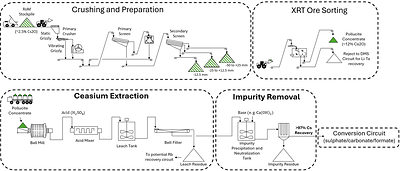
Highlights
SGS Canada Caesium Extraction Test Program
- Leaching of pollucite concentrate using sulphuric acid was highly successful with >97% recovery of the caesium (Cs) into solution achieved.
- Bench-scale testwork on impurity removal was also successful, demonstrating efficient removal of key impurities such as aluminum.
- Opportunity identified to potentially recover a rubidium by-product.
- Primary objective of program was fully realized – that being to identify a preliminary set of conditions to extract caesium from pollucite concentrate (produced from the Vega Zone) at high recovery while characterizing (and limiting) the impurity profile.
- Next steps will build upon this extraction phase of work with a primary objective to produce gram quantities of high-purity Cs-sulphate, Cs-carbonate, Cs-formate, and potentially Rb-carbonate.
Koch Technology Solutions Caesium Extraction Test Program
- PMET is working with Koch Technology Solutions, part of Koch Inc., evaluating advanced processing pathways to value-added caesium products.
- Preliminary results from Phase 1 indicate both synthetic and live Pregnant Leaching Solution yield very selective high loading factors of caesium recovery using Koch’s proprietary flow sheet.
PMET Resources Inc. (the “Company” or “PMET”) (TSX: PMET) (ASX: PMT) (OTCQX: PMETF) (FSE: R9GA) is pleased to provide an update on two parallel bench-scale testwork programs focused on caesium (Cs) extraction from pollucite samples from the Shaakichiuwaanaan Project. Both approaches – conventional by SGS Canada, and proprietary by Koch Technology Solutions – offer attractive process routes for caesium extraction from pollucite concentrate into marketable chemical products. The Company is motivated to consider caesium value-added chemical production (with key partners) to unlock maximum value from its globally significant caesium resource and its pollucite concentrates produced at site.
In addition to being one of the largest lithium-tantalum pegmatite Mineral Resources[1] and lithium pegmatite Mineral Reserves[2] globally, the Property also hosts the world’s largest in-situ pollucite-hosted caesium pegmatite Mineral Resource, comprising 0.69 Mt at 4.40% Cs2O (Indicated) and 1.70 Mt at 2.40% Cs2O (Inferred). The CV13 Pegmatite, host to the caesium Mineral Resource, is located <3 km along trend from the CV5 Pegmatite, which is situated approximately 13 km south of the regional Trans-Taiga Road and powerline infrastructure corridor, and is accessible year-round by road.
The pollucite concentrate used as feed for both extraction testwork programs (Figure 1, top) was produced by X-Ray Transmission (XRT) ore sorting of drill core material from the Vega Caesium Zone at the CV13 Pegmatite (see news release dated October 9, 2025) and assayed 12% Cs2O (Figure 2).
SGS Canada Caesium Extraction Testwork Program
At SGS Lakefield, a conventual process approach (Figure 1, bottom) for caesium extraction from pollucite concentrate is being advanced using sulphuric acid digestion (H2SO4) and subsequent impurity removal. The primary objective of this initial bench-scale test program is to identify a preliminary set of conditions to extract caesium at high recovery while characterizing (and limiting) the impurity profile.
The pollucite concentrate sample (~15 kg) was ground to varying sizes (P80 of 75 µm to 212 µm) and a portion (<4 kg) subjected to sulphuric acid (H2SO4) leaching at varying temperatures (up to 120°C). The program was highly successful with the testwork achieving consistently high extractions of 97-98% Cs while maintaining significantly lower extractions of key impurities (e.g., Al). Further, subsequent impurity tests successfully removed the remaining aluminum (Al) and a majority of the sulphur (S) with negligible caesium (Cs) losses.
Additionally, the program also identified a potential opportunity to recover a rubidium by-product from one of the waste streams. Further characterization of this opportunity was not undertaken during this initial bench-scale caesium extraction test phase and will be investigated as a secondary objective in future work.
The testwork was completed at SGS Canada’s Lakefield, Ontario, facility with support from Primero Group Americas and a Company-retained Subject Matter Expert (“SME”) specializing in caesium extraction and recovery from pollucite. These three parties, in addition to TOMRA Mining, are also key contributors to the design and execution of the Company’s ore sorting programs.
|
1 Consolidated MRE (CV5 + CV13 pegmatites) totals 108.0 Mt at 1.40% Li2O and 166 ppm Ta2O5 (Indicated), and 33.4 Mt at 1.33% Li2O and 155 ppm Ta2O5 (Inferred), at an Li2O cut-off grade of 0.40% (open-pit), 0.60% (underground CV5), and 0.70% (underground CV13). A grade constraint of 0.50% Cs2O was used to model the Rigel and Vega caesium zones, contained entirely within CV13, with a MRE of 0.69 Mt at 4.40% Cs2O (Indicated), and 1.70 Mt at 2.40% Cs2O (Inferred). The Effective Date is June 20, 2025. Mineral Resources are not Mineral Reserves as they do not have demonstrated economic viability. Mineral Resources are inclusive of Mineral Reserves. |
|
2 Probable Mineral Reserve of 84.3 Mt at 1.26% Li2O at the CV5 Pegmatite with a cut-off grade is 0.40% Li2O (open-pit) and 0.70% Li2O (underground). Underground development and open-pit marginal tonnage containing material above 0.37% Li2O are also included in the statement. The Effective Date is September 11, 2025. See Feasibility Study news release dated October 20, 2025. |
Figure 1: Simplified conceptual flowsheet for conventional processing of pollucite pegmatite through to pollucite concentrate (top) and from pollucite concentrate to final marketable caesium salts/brine (bottom). The bench-scale testwork carried out by SGS Canada is focused on the caesium extraction and impurity removal steps. The stated >97% Cs recovery is with respect to the pollucite concentrate feed through to initial impurity removal.
Figure 2: Pollucite concentrate (~12% Cs2O) produced from prior XRT ore sorting program (see news release dated October 9, 2025), of which a portion was used as feed for the bench-scale caesium extraction and recovery program at SGS Canada and Koch Technology Solutions discussed herein.
Next steps will build upon this bench-scale testwork with a primary “proof-of-concept” objective to produce gram quantity samples of high-purity Cs-sulphate, Cs-carbonate, Cs-formate, and potentially Rb-carbonate. This test program is currently underway at SGS Canada’s facility in Lakefield, Ontario, with results expected circa Q4 2026.
Koch Technology Solutions Caesium Extraction Testwork Program
The testwork program with Koch Technology Solutions (“KTS”) has been developed as part of a strategic relationship that has evolved following the Company’s investigations of the caesium industry, commercial engagement, and research. The program will leverage KTS’s demonstrated capabilities in engineering, development and commercialization of critical minerals extraction technologies to produce a range of value-added caesium chemical compounds.
The bench-scale test program being advanced by KTS is designed to assess the application of their proprietary flowsheet technology, to produce a range of value-added caesium chemical compounds. Approximately 6 kg of pollucite concentrate is being used to support the testwork.
Preliminary results from Phase 1 of the program indicate a strong and selective caesium recovery. The testwork will now move onto Phase 2 and the Company anticipates expanding the mandate to produce gram quantities of caesium derivative products as a complete bench-scale proof-of-concept.
Study Work Underway
A Preliminary Economic Assessment (“PEA”) for the broader Project, incorporating lithium, caesium, and tantalum, is scheduled for completion in Q4 2026. The PEA will complement the Feasibility Study for the CV5 Pegmatite (lithium and tantalum), which is also scheduled for completion in Q4 2026, and will provide the first economic assessment of the Project’s caesium potential.
About Koch Technology Solutions.
Koch Technology Solutions (KTS) is a global leader in technology development, commercialization and licensing. KTS works with owners, developers, and investors in the process manufacturing and critical minerals sectors to solve complex technical and investment challenges before large capital is committed, helping clients make confident decisions from early concept through EPC-ready design. With a global network and rich history of domain experience and expertise, KTS gains additional strength from its position within Koch Engineered Solutions (KES). This backing enhances our ability to partner with companies developing chemical process technologies, create attractive licensing solutions for commercial deployment, and bring the next generation of technologies to the market.
For further information, please contact us at info@pmet.ca or by calling +1 (604) 279-8709, or visit www.pmet.ca. Please also refer to the Company’s continuous disclosure filings, available under its profile at www.sedarplus.ca and www.asx.com.au, for available exploration data.
Qualified/Competent Person
The technical and scientific information in this news release that relates to the Mineral Resource Estimate, exploration, and metallurgical results for the Company’s properties is based on, and fairly represents, information compiled by Mr. Darren L. Smith, M.Sc., P.Geo., who is a Qualified Person as defined by National Instrument 43-101 – Standards of Disclosure for Mineral Projects (“NI 43-101”), and member in good standing with the Ordre des Géologues du Québec (Geologist Permit number 01968), and with the Association of Professional Engineers and Geoscientists of Alberta (member number 87868). Mr. Smith has reviewed and approved the related technical information in this news release.
Mr. Smith is an Executive and Vice President of Exploration for PMET Resources Inc. and holds common shares, Restricted Share Units (RSUs), Performance Share Units (PSUs), and options in the Company.
Mr. Smith has sufficient experience, which is relevant to the style of mineralization, type of deposit under consideration, and to the activities being undertaken to qualify as a Competent Person as described by the Australasian Code for Reporting of Exploration Results, Mineral Resources and Ore Reserves (the JORC Code). Mr. Smith consents to the inclusion in this news release of the matters based on his information in the form and context in which it appears.
The information in this news release that relates to the Mineral Reserve Estimate and Feasibility Study is based on, and fairly represents, information compiled by Mr. Frédéric Mercier-Langevin, Ing. M.Sc., who is a Qualified Person as defined by NI 43-101, and member in good standing with the Ordre des Ingénieurs du Québec. Mr. Mercier-Langevin has reviewed and approved the related technical information in this news release.
Mr. Mercier-Langevin is the Chief Operating and Development Officer for PMET Resources Inc. and holds common shares, RSUs, PSUs, and options in the Company.
About PMET Resources Inc.
PMET Resources Inc. is a pegmatite critical mineral exploration and development company focused on advancing its district-scale 100%-owned Shaakichiuwaanaan Property located in the Eeyou Istchee James Bay region of Quebec, Canada, which is accessible year-round by all-season road and proximal to regional hydro-power infrastructure.
In late 2025, the Company announced a positive lithium-only Feasibility Study on the CV5 Pegmatite for the Shaakichiuwaanaan Property and declared a maiden Mineral Reserve of 84.3 Mt at 1.26% Li2O (Probable)[3]. The study outlines the potential for a competitive and globally significant high-grade lithium project targeting up to ~800 ktpa spodumene concentrate using a simple Dense Media Separation (“DMS”) only process flowsheet. Further, the results highlight Shaakichiuwaanaan as a potential North American critical mineral powerhouse with significant opportunity for tantalum and caesium in addition to lithium.
The Project hosts a Consolidated Mineral Resource[4] totalling 108.0 Mt at 1.40% Li2O and 166 ppm Ta2O5 (Indicated) and 33.4 Mt at 1.33% Li2O and 155 ppm Ta2O5 (Inferred), and ranks as a top ten lithium pegmatite globally in size. Additionally, the Project hosts the world’s largest pollucite-hosted caesium pegmatite Mineral Resource at the Rigel and Vega zones with 0.69 Mt at 4.40% Cs2O (Indicated), and 1.70 Mt at 2.40% Cs2O (Inferred).
|
3 See Feasibility Study news release dated October 20, 2025. Probable Mineral Reserve cut-off grade is 0.40% Li2O (open-pit) and 0.70% Li2O (underground). Underground development and open-pit marginal tonnage containing material above 0.37% Li2O are also included in the statement. Effective Date of September 11, 2025. |
|
4 Consolidated MRE (CV5 + CV13 pegmatites) is reported at an Li2O cut-off grade of 0.40% (open-pit), 0.60% (underground CV5), and 0.70% (underground CV13). A grade constraint of 0.50% Cs2O was used to model the Rigel and Vega caesium zones, contained entirely within CV13. The Effective Date is June 20, 2025. Mineral Resources are not Mineral Reserves as they do not have demonstrated economic viability. Mineral Resources are inclusive of Mineral Reserves. |
This news release has been approved by
“KEN BRINSDEN”
Kenneth Brinsden, President, CEO, & Managing Director
Olivier Caza-Lapointe
Head, Investor Relations
T: +1 (514) 913-5264
E: ocazalapointe@pmet.ca
Disclaimer for Forward-Looking Information
This news release contains “forward-looking statements” and “forward-looking information” within the meaning of applicable securities laws.
All statements, other than statements of present or historical facts, are forward-looking statements. Forward-looking statements involve known and unknown risks, uncertainties and assumptions and accordingly, actual results could differ materially from those expressed or implied in such statements. You are hence cautioned not to place undue reliance on forward-looking statements. Forward-looking statements are typically identified by words or expressions such as “pathways”, “opportunity”, “potentially”, “objective”, “preliminary”, “conditions”, “next steps”, “build upon”, “marketable, “to consider”, “to unlock”, “being advanced”, “scheduled, or variations of such words or expressions and phrases or statements that certain actions, events or results “may”, “could”, “would”, “might” or “will” be taken, occur or be achieved.
Forward-looking statements include, but are not limited to, statements concerning SGS Canada and KTS Caesium Extraction Test Program, the schedule for the PEA and Feasibility Study for the CV5 Pegmatite and the economics of caesium.
Forward-looking statements are based upon certain assumptions and other important factors that, if untrue, could cause actual results to be materially different from future results expressed or implied by such statements. There can be no assurance that forward-looking statements will prove to be accurate. Key assumptions upon which the Company’s forward-looking information is based include, without limitation, the ability to obtain the required financing to bring the project to development, the ability to make discoveries, the potential of each of tantalum, lithium and caesium , that proposed exploration work on the Property and the results therefrom will continue as expected, the accuracy of reserve and resource estimates, the classification of resources and the assumptions on which the reserve and resource estimates are based, long-term demand for lithium (spodumene), tantalum (tantalite), and caesium (pollucite) supply, and that exploration and development results continue to support management’s current plans for the Property’s development.
Forward-looking statements are also subject to risks and uncertainties facing the Company’s business, any of which could have a material adverse effect on the Company’s business, financial condition, results of operations and growth prospects. Readers should review the detailed risk discussion in the Company’s most recent Annual Information Form filed on SEDAR+, for a fuller understanding of the risks and uncertainties that affect the Company’s business and operations.
Although the Company believes its expectations are based upon reasonable assumptions and has attempted to identify important factors that could cause actual actions, events or results to differ materially from those described in forward-looking statements, there may be other factors that cause actions, events or results not to be as anticipated, estimated or intended. There can be no assurance that forward-looking information will prove to be accurate. If any of the risks or uncertainties mentioned above, which are not exhaustive, materialize, actual results may vary materially from those anticipated in the forward-looking statements.
The forward-looking statements contained herein are made only as of the date hereof. The Company disclaims any intention or obligation to update or revise any forward-looking statements, whether as a result of new information, future events or otherwise, except to the extent required by applicable law. The Company qualifies all of its forward-looking statements by these cautionary statements.
Competent Person Statement (ASX Listing Rules)
The information in this news release that relates to the Feasibility Study (“FS”) for the Shaakichiuwaanaan Project, which was first reported by the Company in a market announcement titled “PMET Resources Delivers Positive CV5 Lithium-Only Feasibility Study for its Large-Scale Shaakichiuwaanaan Project” dated October 20, 2025 (Montreal time) is available on the Company’s website at www.pmet.ca, on SEDAR+ at www.sedarplus.ca and on the ASX website at www.asx.com.au. The production target from the Feasibility Study referred to in this news release was reported by the Company in accordance with ASX Listing Rule 5.16 on the date of the original announcement. The Company confirms that, as of the date of this news release, all material assumptions and technical parameters underpinning the production target in the original announcement continue to apply and have not materially changed.
The Mineral Resource and Mineral Reserve Estimates in this release were first reported by the Company in accordance with ASX Listing Rules 5.8 and 5.9 in market announcements titled “World’s Largest Pollucite-Hosted Caesium Pegmatite Deposit” dated July 20, 2025 (Montreal time) and “PMET Resources Delivers Positive CV5 Lithium-Only Feasibility Study for its Large-Scale Shaakichiuwaanaan Project” dated October 20, 2025 (Montreal time) and are available on the Company’s website at www.pmet.ca, on SEDAR+ at www.sedarplus.ca and on the ASX website at www.asx.com.au. The Company confirms that, as of the date of this news release, it is not aware of any new information or data verified by the competent person that materially affects the information included in the relevant announcement and that all material assumptions and technical parameters underpinning the estimates in the relevant announcement continue to apply and have not materially changed. The Company confirms that, as at the date of this announcement, the form and context in which the competent person’s findings are presented have not been materially modified from the original market announcement.
Appendix 1 – JORC Code 2012 Table 1 (ASX Listing Rule 5.8.2)
Section 1 – Sampling Techniques and Data
|
Criteria |
JORC Code explanation |
Commentary |
|
Sampling techniques |
|
|
|
Drilling techniques |
|
|
|
Drill sample recovery |
|
|
|
Logging |
|
|
|
Sub-sampling techniques and sample preparation |
|
|
|
Quality of assay data and laboratory tests |
|
|
|
Verification of sampling and assaying |
|
|
|
Location of data points |
|
|
|
Data spacing and distribution |
|
|
|
Orientation of data in relation to geological structure |
|
|
|
Sample security |
|
|
|
Audits or reviews |
|
|
Section 2 – Reporting of Exploration Results
|
Criteria |
JORC Code explanation |
Commentary |
|
Mineral tenement and land tenure status |
|
|
|
Exploration done by other parties |
|
|
|
Geology |
|
|
|
Drill hole Information |
|
|
|
Data aggregation methods |
|
|
|
Relationship between mineralization widths and intercept lengths |
|
|
|
Diagrams |
|
|
|
Balanced reporting |
|
|
|
Other substantive exploration data |
|
|
|
Furthork |
|
|


 View original content to download multimedia:https://www.prnewswire.com/news-releases/pmet-demonstrates-97-caesium-extraction-from-pollucite-concentrate-302823308.html
SOURCE PMET Resources Inc.

Distributed by PR Newswire / Cision.

Monster Energy’s Jordan Williams Wins Elite Men’s Downhill at Round 6 of the WHOOP UCI Mountain Bike World Series in Andorra
21-Year-Old Jordan Williams from Bristol, United Kingdom, Claims His Second Consecutive Elite Men’s Downhill Victory; 22-Year-Old Ryan Pinkerton from Aliso Viejo, California, United States, Earns His First Elite World Cup Podium with a Third-Place Finish
PAL ARINSAL, Andorra, July 12, 2026 /PRNewswire/ — Monster Energy, main partner of the Whoop UCI Mountain Bike World Series, continued its winning season at Round 6 in Pal Arinsal, Andorra. Jordan Williams claimed his second consecutive Elite Men’s Downhill victory with a commanding run on the high-speed Andorran course, while Ryan Pinkerton earned his first Elite World Cup podium with a third-place finish.

From July 10–12, the WHOOP UCI Mountain Bike World Series returned to Pal Arinsal for the sixth round of the 2026 season. The demanding downhill course challenged riders with high speeds, rough terrain, and heavily eroded sections, requiring complete focus from start to finish.
The headline result came in the Elite Men’s Downhill final, where 21-year-old Williams from Bristol, United Kingdom, delivered another dominant performance just seven days after winning Round 5 in La Thuile, Italy. Williams charged through the lower sections of the course and stopped the clock in 2:41.666, finishing 2.331 seconds ahead of the nearest competitor to secure back-to-back World Cup victories.
“This is crazy; it’s totally insane!” Williams said when asked about earning consecutive victories in La Thuile and Andorra. “I really don’t know what to say. I just can’t thank my team enough. I knew the first two splits were going to be tough considering I rode them slow all weekend long, so I made sure to charge hard out of the gate and just held on as hard as I could towards the bottom. The track has been wild and so chewed up that you had to be laser-focused to make it through. I don’t know how I pulled such a gap on everyone. Almost two and a half seconds is a long time on this track. Thank you, everyone, for the support this weekend! I’m so stoked. I can’t believe it!”
The Andorra result marked Williams’ third Elite World Cup victory and his second win in consecutive weekends.
Monster Energy’s Pinkerton completed the podium with a breakthrough performance in third place. The 22-year-old from Aliso Viejo, California, United States, crossed the finish line in 2:44.166 to earn his first Elite World Cup podium.
“This feels just so good,” Pinkerton said. “I feel like I haven’t pushed hard enough this season in finals, trying to keep it safe, but today I went for it. I felt really good all weekend long, and I do love this track! I had my first Junior win here and now my first Elite podium. So stoked on that! The team has been working so hard this season, and this is a great way to pay them back for all their hard work.”
Williams now leads the overall series standings. Monster Energy’s Amaury Pierron had been leading the overall series standings heading into this round, but a heavy crash took him out of contention for the win, dropping him to 27th place and fourth in the overall series standings. Pinkerton sits in fifth, Troy Brosnan in sixth, Loris Vergier in eighth, Luca Shaw in ninth, and Till Alran in 10th place overall. In the Women’s Elite downhill, Lisa Baumann held on to her second-place position in the overall series, and Marine Cabirou sits in ninth place overall.
Stay tuned when the 2026 WHOOP UCI Mountain Bike World Series season continues at Haute-Savoie, France, from Aug 20–23, 2026.
Download photo assets here. High-resolution images are available upon request.
For interview or photo requests, contact Kim Dresser.
For more on Jordan Williams, Ryan Pinkerton, and Monster Energy’s mountain bike team, visit www.monsterenergy.com. Follow Monster Energy on YouTube, Facebook, Instagram, X, and TikTok for updates from the 2026 WHOOP UCI Mountain Bike World Series.
About Monster Energy
Based in Corona, California, Monster Energy is the leading marketer of energy drinks and alternative beverages. Refusing to acknowledge the traditional, Monster Energy supports the scene and sport. Whether motocross, off-road, NASCAR, MMA, BMX, surf, snowboard, ski, skateboard, or the rock-and-roll lifestyle, Monster Energy is a brand that believes in authenticity and the core of what its athletes and musicians represent. More than a drink, it’s the way of life lived by athletes, bands, believers, and fans. See more about Monster Energy, including all of its drinks, at www.monsterenergy.com.
CONTACT: Kim Dresser C: (949) 300-5546 E: kim.dresser@indiepragency.com
DOWNLOAD PHOTO ASSETS HERE

 View original content to download multimedia:https://www.prnewswire.com/news-releases/monster-energys-jordan-williams-wins-elite-mens-downhill-at-round-6-of-the-whoop-uci-mountain-bike-world-series-in-andorra-302823343.html
SOURCE Monster Energy

Distributed by PR Newswire / Cision.

Azazie Brings Its Bridesmaid Pop-Up Experience to San Diego for One Day Only
LOS ANGELES, July 12, 2026 /PRNewswire/ — Finding the perfect bridesmaid dress just got easier. This July, Azazie is bringing its signature bridesmaid pop-up experience to San Diego, giving bridal parties the opportunity to see, feel, and try on dresses in person before saying “yes” to the look.
On Sunday, July 12, shoppers are invited to the Liberty Ballroom at the Courtyard San Diego Airport/Liberty Station for a one-day-only event dedicated exclusively to Azazie’s bridesmaid collection. Whether you’re coordinating an entire bridal party or searching for your own dress, the experience offers the chance to explore hundreds of styles, discover flattering silhouettes, and find the perfect color palette—all with the confidence that comes from trying everything on in person.
Guests can purchase their favorite styles on-site to take home the same day or continue shopping online afterward with confidence. Throughout the day, attendees will also have the opportunity to spin Azazie’s exclusive pop-up prize wheel for instant coupons ranging from $5 to $20 toward their purchase.

Event Details
Azazie Bridesmaid Pop-Up – San Diego
Date: Sunday, July 12, 2026
Time: 9:00 a.m. – 3:30 p.m.
Location: Liberty Ballroom, Courtyard San Diego Airport/Liberty Station
2592 Laning Road, San Diego, CA 92106
For more information on reservations and tickets, visit Azazie.com
Reservations are encouraged, with each booking accommodating one guest plus one additional attendee.

 View original content to download multimedia:https://www.prnewswire.com/news-releases/azazie-brings-its-bridesmaid-pop-up-experience-to-san-diego-for-one-day-only-302823367.html
SOURCE Azazie

Distributed by PR Newswire / Cision.

A New Approach to Treating Brain Cancer: HDT Bio Launches Canadian Clinical Program at McGill University
Tech
HDT Bio Canada Inc. partners with McGill University and The Neuro to advance HDT-401, an investigational locally administered RNA immune activator, into Phase 1 clinical evaluation for glioblastoma in Canada
MONTREAL and SEATTLE, July 12, 2026 /PRNewswire/ — Among the deadliest of brain cancers, glioblastoma kills virtually everyone diagnosed, and usually within 15 months. Decades of research have produced virtually no improvement. No approved immunotherapy has ever demonstrated a survival benefit.

That may be about to change. HDT Bio Corp. has announced the establishment of HDT Bio Canada Inc., its Canadian subsidiary, formed to advance its cancer immunotherapy programs through Canadian clinical development, Canadian manufacturing, and Canadian regulatory pathways. The company has partnered with McGill University and The Neuro (Montreal Neurological Institute-Hospital) for the clinical development of HDT-401, its investigational locally administered immune activator for glioblastoma.
HDT-401 has already been administered to glioblastoma patients under compassionate use protocols. The results were encouraging enough to inform and shape the design of a formal Phase 1 clinical trial. HDT Bio Canada has completed a pre-Clinical Trial Application meeting with Health Canada, a required regulatory step on the path to trial initiation and has received constructive feedback that advances the program toward CTA submission.
The planned Phase 1 study will be conducted in collaboration with Roberto Diaz, MD, PhD of The Neuro of McGill University at, along with clinical and scientific experts across McGill-affiliated institutions in Montreal. “When you operate on these patients, you understand the problem in a way that is difficult to convey. You resect what you can. You know what remains. And you know the current tools are not enough,” said Dr. Diaz. “This program is about changing that.”
HDT-401 combines Riboxxim, a precisely engineered molecule licensed from Riboxx GmbH of Dresden, Germany, with HDT Bio’s proprietary LION™ nucleic acid delivery platform. The LION™ platform has been evaluated in more than 6,000 patients across multiple clinical programs, providing an extensive foundation of clinical experience.
“Glioblastoma patients have waited decades for something new,” said Steven Reed, PhD, Chief Executive Officer of HDT Bio Corp. “We have treated patients with HDT-401 under compassionate use. What we observed was encouraging. That is why we are moving as fast as we can to get this into a formal trial in Canada, with one of the world’s great brain cancer research teams. Our commitment to Canada is significant. We are developing products here, working through Canadian regulatory pathways, and supporting Canadian manufacturing capability. Canadian patients and Canadian science are at the center of this program.”
HDT-401 is designed to activate innate immune sensing directly within the tumor bed, converting the glioblastoma microenvironment from immune-suppressed to immune-engaged. The approach is intended to induce inflammatory cytokines, recruit immune effector cells, and support local immune recognition of tumor tissue. Local administration into the tumor or surgical cavity concentrates immune activation at the site of disease while limiting systemic exposure.
“Riboxxim was engineered to solve a problem that earlier TLR3 agonist technologies have never fully addressed: precise, reproducible immune activation without the unpredictability that limited clinical developments and market access. HDT Bio’s approach of delivering Riboxxim is scientifically compelling because it concentrates immune activation exactly where it is needed most,” said Prof. Dr. Jacques Rohayem, CEO of Riboxx and the inventor of Riboxxim. “The formulation expertise at HDT Bio has contributed an important step in enabling Riboxxim to become a product that can have a major impact on the treatment of glioblastoma and other cancers. I am pleased to see it advancing to the clinic.”
“Glioblastoma remains one of the most difficult cancers to treat because recurrence is common and the tumor environment actively suppresses immune activity,” said Roberto Diaz, MD, PhD of McGill University. “These are real patients with no good options. The tumor’s ability to suppress immune activity locally is one of the central reasons it has resisted every treatment we have thrown at it. An approach that targets that immunosuppressive environment directly, at the tumor bed, is where the science points. That is why I am committed to this program.”
HDT Bio is also advancing a breast cancer vaccine program in Canada, reflecting the company’s broader commitment to Canadian patients and Canadian clinical infrastructure. For that program, the company has engaged Northern RNA Inc. of Calgary as its Canadian GMP manufacturing partner. Northern RNA is a world-class nucleic acid contract manufacturer.
“This is exactly the kind of program Northern RNA was built to support,” said Jared Davis, President and CEO of Northern RNA Inc. “Canadian patients with glioblastoma deserve access to the most innovative treatments being developed anywhere in the world. Manufacturing in Canada, for Canadian patients, with a Canadian clinical partner, is how we help make that happen. We are proud to be part of HDT Bio’s Canadian commitment.”
About Glioblastoma Glioblastoma is the most common and aggressive primary malignant brain tumor in adults. The five-year survival rate is below 5 percent. Standard treatment includes maximal safe surgical resection, radiation therapy, and temozolomide chemotherapy, but recurrence is common and survival remains limited. No approved immunotherapy has demonstrated a survival benefit in glioblastoma to date. Despite its devastating prognosis, glioblastoma receives significantly less research funding than other cancers of comparable lethality, leaving patients with few meaningful treatment advances and an urgent need for innovative clinical approaches. The glioblastoma treatment market exceeds $3 billion annually and is projected to reach $4.46 billion by 2030, underscoring both the scale of the disease burden and the commercial opportunity for effective new therapies.
About HDT-401 HDT-401 is an investigational immune activator designed for local administration into the tumor or surgical cavity. It combines Riboxxim, a precisely engineered TLR3/RIG-I agonist licensed from Riboxx GmbH, with HDT Bio’s proprietary LION™ lipid delivery platform. HDT-401 is intended to stimulate innate immune pathways, promote inflammatory signaling in the tumor microenvironment, and recruit immune cells to support anti-tumor activity. HDT-401 has not been approved by Health Canada, the U.S. Food and Drug Administration, or any other regulatory authority.
About HDT Bio Corp. HDT Bio Corp. is a clinical-stage biotechnology company developing next-generation RNA and immune-activation technologies for oncology and infectious disease. The company’s platforms are designed to enable targeted immune responses across multiple therapeutic areas, including solid tumors and cancer vaccines. The company’s LION™ nucleic acid delivery platform has been evaluated in more than 6,000 patients across multiple clinical programs. HDT Bio Corp. is headquartered in Seattle, Washington.
About HDT Bio Canada Inc. HDT Bio Canada Inc. is HDT Bio Corp.’s Canadian subsidiary, established to advance the company’s Canadian clinical, manufacturing, and regulatory activities. HDT Bio Canada is based in Montreal, Quebec.
About The Neuro (Montreal Neurological Institute-Hospital) The Montreal Neurological Institute-Hospital, known as The Neuro, is a world-leading destination for brain research and advanced neurological care, affiliated with McGill University and the McGill University Health Centre. The Neuro is Canada’s largest university-based research and clinical center dedicated to the study and treatment of the nervous system and its diseases, and is home to internationally recognized expertise in neuro-oncology including glioblastoma.
About McGill University McGill University is one of Canada’s leading research-intensive universities, consistently ranked among the top universities in the world. Located in Montreal, Quebec, McGill attracts students, faculty, and researchers from around the globe and is internationally recognized for excellence in medicine, life sciences, and biomedical research.
About Northern RNA Inc. Northern RNA Inc. is a Calgary, Alberta-based contract development and manufacturing organization specializing in GMP-grade nucleic acid products including mRNA, plasmid DNA, lipid formulations and drug product fill and finish. Northern RNA is committed to building world-class Canadian biomanufacturing capacity in support of Canada’s life sciences sector.
About Riboxx GmbH Riboxx GmbH is a Dresden, Germany-based biotechnology company focused on the development of immune activators such as Riboxxim, targeted to Toll-like Receptors. Riboxxim, its lead molecule, is a chemically defined TLR3/RIG-I agonist engineered for reproducible and precise immune activation with optimal safety-efficacy profile and is manufactured under a GMP process. Riboxxim is licensed to HDT Bio Corp. for use in HDT-401.
Forward-Looking Statements This press release contains forward-looking statements regarding HDT Bio’s clinical development plans, regulatory engagement, and intended initiation and conduct of clinical trials, including those concerning HDT-401. Such statements are based on management’s current expectations and are subject to risks and uncertainties, including delays in regulatory review, clinical trial initiation, enrollment or outcomes, manufacturing or supply considerations, and the receipt of required regulatory and institutional approvals. Actual results may differ materially from those expressed or implied. HDT Bio undertakes no obligation to update any forward-looking statement except as required by law.
Contact:
David Lapointe
HDT Bio Canada, Inc.
david.lapointe@hdt.bio
 View original content to download multimedia:https://www.prnewswire.com/news-releases/a-new-approach-to-treating-brain-cancer-hdt-bio-launches-canadian-clinical-program-at-mcgill-university-302822942.html
SOURCE HDT Bio Corp.

Distributed by PR Newswire / Cision.

MNA: Brigham Nurse Solidarity Walk-In to Mark Lockout End Monday Morning; MGB Home Care End-of-Strike Rally Tuesday
Lifestyle
Brigham nurses and MGB Home Care clinicians have told the Governor and MGB they are prepared to negotiate until contract resolutions are reached
BOSTON, July 12, 2026 /PRNewswire/ — The largest nurse strike and lockout in Massachusetts history will end at 6:59 a.m. on Monday, July 13 with a Brigham Nurse Solidarity Walk-In. MGB Home Care clinicians will continue their strike on Monday and Tuesday, marking its end with a rally outside MGB Headquarters at Assembly Row in Somerville on Tuesday at 2 p.m.

Brigham Nurse Solidarity Walk-In
- Picketing will continue outside the main hospital at 75 Francis St. until 6:59 a.m. on Monday.
- Nurses will gather before 6:59 a.m. Monday morning for a brief rally and drop their picket signs.
- Nurses will then walk to the main entrance at 75 Francis St. Nurses scheduled to work will go inside the hospital to care for their patients while other nurses and supporters stand in solidarity.
MGB Home Care End-of-Strike Rally
- Picketing continues from 10 a.m. to 3 p.m. on Sunday, and 9 a.m. to 3 p.m. on Monday and Tuesday.
- Clinicians will rally at 2 p.m. on Tuesday to mark the end of their seven-day strike.
- 399 Revolution Dr., Assembly Row, Somerville MA
- Clinicians will be joined by elected officials, community supporters, and Brigham nurses who are still fighting for a fair contract.
The 450-member MGB Home Care bargaining unit includes registered nurses, occupational therapists, physical therapists, speech language pathologists, social workers, and dieticians.
Learn more about negotiations, MGB finances and executive pay, and more: www.massnurses.org/MGB
MassNurses.org │ Facebook.com/MassNurses │ Twitter.com/MassNurses │ Instagram.com/MassNurses
____________________________________________
Founded in 1903, the Massachusetts Nurses Association is the largest union of registered nurses in the Commonwealth of Massachusetts. Its 25,000 members advance the nursing profession by fostering high standards of nursing practice, promoting the economic and general welfare of nurses in the workplace, projecting a positive and realistic view of nursing, and by lobbying the Legislature and regulatory agencies on health care issues affecting nurses and the public.
 View original content to download multimedia:https://www.prnewswire.com/news-releases/mna-brigham-nurse-solidarity-walk-in-to-mark-lockout-end-monday-morning-mgb-home-care-end-of-strike-rally-tuesday-302823342.html
SOURCE Massachusetts Nurses Association

Distributed by PR Newswire / Cision.

PureHealth Research Peptide Supplements Expand with New Morikol® Tripeptide Formula for Faster Cellular Absorption
MANASSAS, Va., July 11, 2026 /PRNewswire/ — Collagen has become one of the most talked-about ingredients in wellness circles – and peptides are a big part of why. PureHealth Research peptide supplements, built around premium Morikol® Tripeptides, are drawing attention from consumers looking for everyday nutritional support for their joints, skin and hair as part of healthy aging.

How Peptides Work?
Peptides are short chains of amino acids – essentially the building blocks the body uses to make the proteins found in skin, joints and connective tissue. Collagen peptides in particular have been studied for their role in joint comfort, skin elasticity and hair strength, all of which naturally shift with age.
Morikol® Tripeptides is a premium ingredient often included in formulas aimed at collagen synthesis and connective tissue health. PureHealth Research peptide supplements sit within a broader category consumers are exploring as they look for ways to help maintain joint mobility, healthy-looking skin and overall wellness through the years.
Key Benefits
- Joint Wellness: Morikol® Tripeptides are collagen peptides commonly used to help maintain healthy joints, connective tissue and everyday mobility.
- Skin & Hair: Delivers targeted peptide nutrition formulated for skin elasticity, a healthy-looking complexion and strong, resilient hair.
- Healthy Aging: Encourages the body’s natural collagen production and connective tissue health, helping the body maintain structural wellness through the aging process.
Explore Peptide Nutrition
Curious how peptide nutrition fits into a healthy aging routine? It’s easy to see why collagen peptides keep coming up in wellness conversations, from the amino acid science to the age-related changes they touch on. Explore PureHealth Research peptide supplements to see the ingredients and formulas behind the growing interest in collagen support.
About PureHealth Research
PureHealth Research is focused on wellness education, using carefully selected, natural, non-GMO ingredients that undergo third-party testing. Products are manufactured in U.S.-based, cGMP-certified facilities, reflecting the company’s commitment to science-informed formulas that support long-term health goals.
PureHealth Research LLC
support@purehealthresearch.com
+1 (888) 558-9836 (Toll-Free, US)
+1 (863) 301-4007 (International)
10199 Dean Drive, Manassas, VA 20110, USA.
Logo: https://mma.prnewswire.com/media/2902972/5984344/PureHealth_Research_Logo.jpg
 View original content:https://www.prnewswire.com/news-releases/purehealth-research-peptide-supplements-expand-with-new-morikol-tripeptide-formula-for-faster-cellular-absorption-302822769.html
SOURCE PureHealth Research LLC

Distributed by PR Newswire / Cision.

FRC’s Tony Perkins on Lindsey Graham’s Passing: He Embodied Moral Courage
WASHINGTON, July 12, 2026 /PRNewswire/ — Family Research Council President Tony Perkins released the following statement regarding the passing of U.S. Senator Lindsey Graham (R-S.C.) last night:

“Lindsey Graham was a true leader. Lindsey did the hard, often unseen work of accomplishing what has lasting value.
“Lindsey Graham was not just a vote; he was a voice, a voice for the defenseless. He used his influence to advance the cause of life. When others grew quiet, Lindsey stepped forward and gave his colleagues a way to speak – clearly, courageously, and compassionately about the dignity of every human life.
“He was also a consistent advocate for persecuted Christians around the world, those who suffer simply because they refuse to deny their faith.
“He saw the global landscape the way a chess master sees the board, thinking several moves ahead. He remained steady, because he knew what is at stake–not just for us, but for our children and grandchildren. That is moral courage. And that same conviction was seen in his steadfast support for the State of Israel.
“He used his voice, and his influence, not for himself, but to protect and advance faith, family, and freedom. Lindsey Graham delivered on all three.
“I offer my deepest condolences — and my deepest gratitude — to the Graham family. America could use more leaders like Lindsey Graham who embodied moral courage: doing what is right for others, even when it may cost you personally,” concluded Perkins.
 View original content to download multimedia:https://www.prnewswire.com/news-releases/frcs-tony-perkins-on-lindsey-grahams-passing-he-embodied-moral-courage-302823335.html
SOURCE Family Research Council

Distributed by PR Newswire / Cision.

Barbie Can Be Anything… Even A Stamp!
Postal Service honors the limitless possibilities of beloved doll
AUSTIN, Texas, July 11, 2026 /PRNewswire/ — The U.S. Postal Service honored the possibilities and hope of Mattel’s Inc.’s iconic Barbie® — played with, enjoyed and collected by countless fans of all ages — with a new series of 10 collectible stamps and introduced to some of the doll’s most loyal fans at the annual National Barbie Doll Collectors Convention in Austin, TX, today.

“The original Barbie stamp has been one of our most memorable and beloved stamps, with appeal felt by Barbie fans young and old,” said Lisa Bobb-Semple, the Postal Service’s director of stamp services. “As much as our customers loved that stamp, we wanted to feature a selection of the modern careers depicted across the decades during which Barbie has become the best-selling doll of all time.”
Created by Mattel Inc., a global play and family entertainment company, and introduced in 1959 as “The Original Teenage Fashion Model,” Barbie quickly evolved into much more, becoming a symbol of limitless possibilities for generations of children. With an ever-expanding resume that now represents more than 250 careers and counting, Mattel’s introduction of Barbie was groundbreaking and came to represent a modern view of womanhood in the mid-20th century. The new stamps pay tribute to the world’s best-selling doll and its legacy of endless possibility, creativity and empowerment during the last 65-plus years.
Top Row:
In 1961, Barbie stepped into an early professional role as a registered nurse. The blond Barbie wears a white cotton nurse’s uniform with a graduate nurse’s cap, a blue cape and era-appropriate “cat-eye” glasses.
Barbie became a surgeon in 1973. The Malibu Barbie on the stamp is equipped with a stethoscope and is garbed in light blue scrubs and mask, with blond hair peeking out from underneath a surgical cap.
Two decades after Barbie first went to space, this 1986 astronaut suited up in a very ’80s broad-shouldered spacesuit in hot pink and silver lamé, with a bubble-helmet worn over dark brunette hair.
Firefighter Barbie arrived on the scene in 1995. The doll’s turnout gear consists of yellow helmet, jacket, pants and a white “Barbie Fire Rescue 1” T-shirt. A red ribbon secures a blond ponytail.
In the ’90s, dinosaurs loomed large in every way. This brunette paleontologist Barbie, introduced in 1996, is equipped for exploration with bucket hat, field bag, belted khaki shorts, dinosaur shirt, and pink earrings and kerchief.
Bottom row:
Signing “I love you,” this sign language teacher Barbie has blond hair and wears a light blue sweater, plaid skirt and a beaded necklace. American Sign Language teaching materials were included in the playset, introduced in 2000.
For the 2018 Barbie Career of the Year playset, Barbie is a robotics engineer with goggles, a laptop computer and a tiny toy robot. With dark brown hair in a trendy updo, Barbie wears a faded jean jacket, black jeans and a T-shirt with a circuitry pattern.
As a judge, the 2019 Barbie Career of the Year doll has a gavel to call the courtroom to order and make important decisions. Wearing traditional black judicial robes and a lacy jabot, this dark-haired Barbie stands for justice.
Ready to score as a soccer player, Barbie is kitted up in green-trimmed white shorts and a flashy, red-striped, green jersey emblazoned with a team patch and the number 16. Released in 2022, this brown-haired doll — hair pulled back into a sporty ponytail — wears a red headband and carries a black and white soccer ball.
As part of the 2025 Barbie Career of the Year Women in Music set, the musical artist Barbie rocks a sky-blue guitar and a bright pink-sparkle dress and shawl, with high-volume dark curls highlighted in pink and purple.
The pane and stamps were designed by Ethel Kessler, a USPS art director, in collaboration with Mattel, using photography from Mattel. Near the top left of the selvage, the issuance title “Barbie” appears in white in the brand’s famous logo script, against a field of “Barbie Pink.” Underneath the title, a paragraph of explanatory text is printed in white. To the right of the text are the two rows of five stamps each, which are in a vertical design format, noticeably taller than standard commemorative stamps. At the bottom of the selvage is a narrow stripe of pale pink atop a wider blue stripe, which contains the phrase “You can be anything” printed in white.
The Barbie stamps are issued as Forever stamps and will always be equal in value to the current First-Class Mail 1-ounce price. News of the Barbie stamps is being shared with the hashtag #BarbieStamps.
About Mattel
Mattel is a leading global play and family entertainment company and owner of one of the most iconic brand portfolios in the world. Mattel engages consumers and fans through the franchise brands, including Barbie, Hot Wheels, Fisher-Price, American Girl, Thomas & Friends, Uno, Masters of the Universe, Matchbox, Monster High, Polly Pocket, as well as other popular Mattel properties owned or licensed in partnership with global entertainment companies. Mattel offerings include toys, content, consumer products, digital and live experiences. Mattel products are sold in collaboration with the world’s leading retail and e-commerce companies. Since its founding in 1945, Mattel is proud to be a trusted partner in empowering generations to explore the wonder of childhood and reach their full potential. For more information, visit mattel.com.
Postal Products
Customers may purchase stamps and other philatelic products through The Postal Store at usps.com/shopstamps, by calling 844-737-7826, by mail through USA Philatelic, or at Post Office locations nationwide. For officially licensed stamp products, shop the USPS Officially Licensed Collection on Amazon. Additional information on stamps, first-day-of-issue ceremonies and stamp-inspired products can be found at stampsforever.com.
|
Please Note: The United States Postal Service is an independent federal establishment, mandated to be self-financing and to serve every American community through the affordable, reliable and secure delivery of mail and packages to more than 170 million addresses six and often seven days a week. Overseen by a bipartisan Board of Governors, the Postal Service is celebrating its 250th year of service to customers amidst a network modernization plan aimed at restoring long-term financial sustainability, improving service, and maintaining the organization as one of America’s most valued and trusted brands. The Postal Service generally receives no tax dollars for operating expenses and relies on the sale of postage, products and services to fund its operations. For USPS media resources, including broadcast-quality video and audio and photo stills, visit the USPS Newsroom. Follow us on X, formerly known as Twitter; Facebook; Instagram; Pinterest; Threads; and LinkedIn. Subscribe to the USPS YouTube Channel. For more information about the Postal Service, visit usps.com and facts.usps.com. |
National contact: Leisha Palmore-Drummond
leisha.i.palmore-drummond@usps.gov
usps.com/news
Local contact: Becky Hernandez
becky.m.hernandez@usps.gov
usps.com/news

 View original content to download multimedia:https://www.prnewswire.com/news-releases/barbie-can-be-anything-even-a-stamp-302822554.html
SOURCE U.S. Postal Service

Distributed by PR Newswire / Cision.

GAC Group to Celebrate 30 Million Global Users on July 16
GUANGZHOU, China, July 12, 2026 /PRNewswire/ — From the roll-off of its first vehicle to the upcoming milestone of its 30 millionth finished automobile, every step forward taken by GAC stems from the choices and trust of users worldwide. On July 16, GAC Group will stage a grand appreciation event for its 30 million users, celebrating the historic roll-off of its 30 millionth vehicle alongside global users.
Since delivering its first vehicle to a customer, GAC’s development has marched in lockstep with the mobility lives of users worldwide. This year, a constant stream of new users have joined the GAC community, together earning the trust of 30 million users worldwide.
In H1 2026, exports of GAC’s own brands hit 121,500 units, jumping 132% year-on-year, proving global consumers’ recognition of product quality. All five core overseas regions — the Americas, Asia-Pacific, the Middle East, Africa and Europe — recorded robust growth.
GAC’s international business covers 110 countries/regions across five major zones, with 746 sales and service outlets, six overseas manufacturing plants, and nine overseas parts warehouses. It has built localized full-value-chain operations covering R&D, production, supply and sales. In the Americas, multiple core models rank high in local markets, with monthly sales multiplying several times in Brazil, Colombia and others. In Asia-Pacific, GAC held 11% of Hong Kong’s NEV market in Jan-May, while Thailand’s June sales surged 207% month-on-month. In Europe, GAC has built a complete system from local manufacturing to retail, steadily rolling out NEVs in key markets. Every regional sales increase reflects local users’ recognition and preference, together forming GAC’s 30-million-user trust community.
The milestone of 30 million vehicles produced by GAC embodies the trust and commitment of users all over the world. GAC Group will deepen reforms under the “Panyu action”, stay committed to the user-centric development philosophy, and translate the trust of its 30 million global users into driving force for progress. The Group will deliver higher-quality products, more advanced technologies and more comprehensive services to reciprocate every customer’s support, and march forward hand in hand with its global 30-million-user community to embrace a brand-new development journey.
For more information about GAC, please visit https://www.gacgroup.com/en or follow us on social media.

 View original content to download multimedia:https://www.prnewswire.com/news-releases/gac-group-to-celebrate-30-million-global-users-on-july-16-302823325.html
SOURCE GAC

Distributed by PR Newswire / Cision.

ZETA PHI BETA SORORITY, INCORPORATED WELCOMES ITS HONORARY MEMBER CLASS OF 2026
Accomplished Trailblazers Across Entertainment, Government, Journalism, Advocacy, Faith, and Public Service Welcomed into the Sisterhood During Grand Boulé 2026
NASHVILLE, Tenn., July 11, 2026 /PRNewswire/ — Zeta Phi Beta Sorority, Incorporated welcomed its Alpha Omega Chapter Class of 2026 during a special induction ceremony held on July 11, 2026, at the organization’s International Grand Boulé in Nashville, Tennessee. The induction ceremony was one of the most anticipated highlights of Grand Boulé 2026, the organization’s premier international gathering, which brought together thousands of members, leaders, and partners from across the globe.

Honorary Membership is the highest recognition bestowed upon non-members by the sorority and is reserved for women whose contributions have made a significant impact in their professions, communities, and society at large.
Gina Merritt-Epps, Esq., International First Vice President for Membership, highlighted the significance of the chapter’s distinction. “The Alpha Omega Chapter recognizes extraordinary women who exemplify Scholarship, Service, Sisterhood, and Finer Womanhood, and we are honored to welcome this exceptional class into the Zeta sisterhood.”
The Alpha Omega Chapter Class of 2026 reflects a dynamic collective of trailblazers whose influence spans entertainment, public service, journalism, faith, entrepreneurship, advocacy, and community leadership.
Dr. Stacie N.C. Grant, International President & CEO of Zeta Phi Beta Sorority, Incorporated, emphasized the significance of this distinguished class and the impact of their collective contributions. “Their achievements have inspired countless lives, and we are honored to welcome them into our sisterhood as we continue creating lasting impact together.”
The members of Alpha Omega Chapter Class of 2026 are:
- Tennessee State Representative Karen D. Camper is a distinguished public servant, military veteran, and Tennessee House Democratic Leader who has dedicated her career to public service, veterans’ advocacy, civic engagement, and expanding opportunities for communities throughout Tennessee. As a trailblazing legislator and the first African American woman to lead a caucus in the Tennessee General Assembly, she champions equitable public policy, economic opportunity, education, and support for veterans while empowering underserved communities through servant leadership. Her lifelong commitment to advancing equity, leadership, and community engagement closely aligns with Zeta Phi Beta Sorority, Incorporated’s founding principle of Service, as well as the missions of Zeta Organizational Leadership (ZOL) and Zetas Helping Other People Excel (Z-HOPE™) by cultivating civic leadership, strengthening communities through advocacy, and creating opportunities that empower individuals and improve the quality of life for future generations.
- Pamela Champion is a nationally respected anti-hazing advocate and founder of the Be A Champion Foundation, who transformed personal tragedy into a national movement for education, awareness, and safer communities following the loss of her son, Robert Champion. She is a leading voice in the fight to eradicate hazing, bullying, and systemic institutional violence, advocating for legislative reform, prevention education, and cultural change across schools, colleges, and organizations. Her unwavering commitment to protecting youth, fostering safe learning environments, and empowering communities through education and advocacy closely aligns with Zeta Phi Beta Sorority, Incorporated’s founding principle of Service, as well as the missions of ZOL and Z-HOPE™ by promoting ethical leadership, strengthening youth development, preventing violence, and creating safer, more supportive communities where individuals can thrive.
- Sheila E. (Sheila Cecilia Escovedo) is a Grammy Award-winning singer, songwriter, percussionist, producer, and humanitarian whose groundbreaking career has inspired audiences for more than five decades. Known as the “Queen of Percussion,” she has collaborated with legendary artists including Prince, Michael Jackson, Diana Ross, and Lionel Richie. Through her Elevate Hope Foundation and Elevate Oakland, she advocates for abused and neglected children while expanding access to youth arts and music education by providing instruments, equipment, and professional music instruction to underserved public schools. Her unwavering commitment to empowering young people through education, mentorship, and the arts closely aligns with Zeta Phi Beta Sorority, Incorporated’s founding principle of Service, as well as the missions of Z-HOPE™ and the Zeta Youth Auxiliary Programs, which are dedicated to enriching the lives of youth through education, leadership development, service, and opportunities that inspire the next generation to reach their fullest potential.
- Aliya Crawford is an award-winning public relations executive, brand strategist, filmmaker, producer, entrepreneur, and Co-Owner of W&W Public Relations, one of the entertainment industry’s most respected agencies. A passionate advocate for diversity in media, youth mentorship, arts education, and community service, she is committed to developing the next generation of communications professionals while creating greater opportunities for underrepresented voices in entertainment. Through her leadership with the Recording Academy Philadelphia Chapter, service on the Willingboro Board of service.
- Dr. Grisanthia “San” Franklin is a Grammy Award-winning gospel music producer, singer, senior pastor of The Love Center South Church in Nashville, and community advocate recognized for her work in ministry and public service. A passionate advocate for autism (ASD), ADHD, mental health awareness, and domestic violence prevention, she uses her platform to promote healing, education, and support for individuals and families facing life’s greatest challenges. Through her faith, music, and outreach, Dr. Franklin empowers communities with compassion and hope. Her unwavering commitment to serving others closely aligns with Zeta Phi Beta Sorority, Incorporated’s founding principle of Service, the missions of Z-HOPE™ and the Sorority’s Interfaith Team by fostering spiritual growth, promoting holistic wellness, strengthening families, and providing faith-centered support that uplifts individuals and communities through service, compassion, and advocacy.
- Cheryl Elizabeth “Coko” Gamble is an acclaimed singer-songwriter and lead vocalist of the legendary R&B group SWV whose powerful voice helped define contemporary R&B. A Grammy-nominated artist with successful solo R&B and gospel careers, she is also a passionate advocate for mental health awareness, openly sharing her personal journey to reduce stigma and encourage healing, particularly within the Black community. Through her transparency and advocacy, she empowers individuals to prioritize emotional wellness and seek support without shame. Her dedication to improving mental health and strengthening families and communities closely aligns with Zeta Phi Beta Sorority, Incorporated’s founding principle of Service and the mission of Z-HOPE™ by promoting health education, emotional well-being, and compassionate outreach that empowers individuals to thrive.
- Danielle Green is a U.S. Army combat veteran, Purple Heart recipient, former Division I athlete, and motivational speaker whose life exemplifies resilience, leadership, and service. Following the loss of her arm while serving in Iraq, she became a passionate advocate for veteran mental health, post-traumatic growth, and community support, serving for 12 years as a Department of Veterans Affairs counselor and inspiring audiences nationwide through her work with the Wounded Warrior Project. Her unwavering commitment to empowering veterans, cultivating resilient leaders, and serving communities closely aligns with Zeta Phi Beta Sorority, Incorporated’s founding principle of Service, as well as the missions of ZOL and Z-HOPE™ by promoting servant leadership, strengthening communities through advocacy, and providing hope,dementia awareness, mental health support, and domestic abuse awareness, using her platform to promote healing, education, and empowerment for individuals and families. Her commitment to improving health outcomes, supporting survivors, and strengthening communities closely aligns with Zeta Phi Beta Sorority, Incorporated’s founding principle of Service and the mission of Z-HOPE™ by advancing health education, providing hope and resources to vulnerable populations, and fostering healthier, more resilient communities.
- Sheri Jones-Moffett is a celebrated gospel recording artist, worship leader, and cultural contributor best known as one-half of the acclaimed duo Ted & Sheri, whose ministry has inspired audiences for more than two decades. Through her music, speaking, and the powerful message of her signature anthem, “Encourage Yourself,” she advocates for spiritual empowerment, self-motivation, faith, and personal renewal, encouraging individuals to overcome life’s challenges with resilience and hope. Her ministry’s emphasis on faith, service, and strengthening individuals and families closely aligns with Zeta Phi Beta Sorority, Incorporated’s initiatives including Z-HOPE™, ZOL, the Zeta Youth Auxiliary, and the Sorority’s Interfaith efforts, reflecting the founding principle of Service through uplifting communities, empowering future leaders, and meeting the spiritual and emotional needs of those she serves.
- Valerie “Chef Val” Knight is an internationally recognized chef, entrepreneur, executive consultant, humanitarian, and community advocate whose work spans wellness, technology, education, and social impact. A passionate advocate for preserving Black culinary history, she uses food as a powerful tool for storytelling, healing, education, mentorship, and community building while supporting trauma survivors, underserved communities, and future culinary leaders. Through her humanitarian work, digital equity initiatives, and commitment to cultural preservation, Chef Val empowers individuals to thrive through education and opportunity. Her dedication to servant leadership and community empowerment closely aligns with Zeta Phi Beta Sorority, Incorporated’s founding principle of Service, as well as the missions of ZOL and Z-HOPE™ by developing leaders, expanding educational opportunities, preserving cultural heritage, and strengthening communities through meaningful outreach and advocacy.
- Dr. Milan Love (“Dr. Love”) McPherson is a nationally recognized relationship expert, certified marriage and family counselor, author, speaker, and founder of Love Infinity, Inc., who has dedicated more than two decades to helping individuals and couples build stronger, healthier relationships. A resources that empower individuals and communities to thrive.
- Niecy Nash-Betts is an Emmy Award-winning actress, comedian, producer, and television host whose acclaimed career includes Reno 911!, Claws, When They See Us, and Monster: The Jeffrey Dahmer Story. Beyond entertainment, she is a passionate advocate for school violence prevention, breast cancer awareness, HIV education, and greater representation in media, using her platform to promote equity, healing, and community empowerment. Her dedication to improving public health, supporting vulnerable communities, and expanding opportunities for others closely aligns with Zeta Phi Beta Sorority, Incorporated’s founding principle of Service and the mission of Z-HOPE™ by advancing health education, strengthening communities, and creating meaningful pathways for hope, healing, and positive social change.
- Elise Neal is an accomplished actress, producer, entrepreneur, and advocate whose career has spanned more than three decades in film and television. Best known for her roles in The Hughleys, Rosewood, Scream 2, and Hustle & Flow, she transformed personal tragedy into purpose by championing breast cancer awareness following the loss of her mother to metastatic breast cancer. As a former board member of The Rose, she has become a passionate voice for early detection, genetic testing, and women’s health education, empowering women to take charge of their health through awareness and prevention. Her commitment to improving women’s health and strengthening communities closely aligns with Zeta Phi Beta Sorority, Incorporated’s founding principle of Service and the mission of Z-HOPE™ by advancing health education, supporting underserved populations, and promoting wellness initiatives that improve the quality of life for women and families.
- Patti Phillips is a nationally recognized leadership expert, executive coach, and CEO of Women Leaders in Sports who has expanded the organization’s national impact by advancing mentorship, leadership development, and career opportunities for women across the sports industry. A passionate advocate for women’s empowerment and authentic leadership, she is committed to creating pathways for women to serve in executive and decision-making roles while driving meaningful cultural and organizational change. Her dedication to developing confident, purpose-driven women leaders closely aligns with Zeta Phi Beta Sorority, Incorporated’s founding principles of Service and Finer Womanhood, as well as the missions of ZOL and Z-HOPE™ by cultivating ethical leadership, mentoring future generations, and empowering women to create lasting impact in their professions and communities. solutions closely aligns with Zeta Phi Beta Sorority, Incorporated’s founding principle of Service, the missions of Z-HOPE™ and ZOL by fostering community engagement, cultivating servant leaders, and creating meaningful opportunities that empower individuals, families, and future generations.
- U.S. Representative Lateefah Simon is a nationally recognized civil rights advocate, community organizer, and U.S. Representative for California’s 12th Congressional District who has dedicated her career to advancing criminal justice reform, economic equality, affordable housing, voting rights, climate resilience, and equitable access to healthcare and public transportation. A lifelong champion for underserved and marginalized communities, she works to expand opportunity, protect civil rights, and create lasting systemic change through public service and advocacy. Her unwavering commitment to social justice and community empowerment closely aligns with Zeta Phi Beta Sorority, Incorporated’s founding principle of Service, as well as the missions of ZOL and Z-HOPE™ by developing servant leaders, advancing civic engagement, advocating for equitable public policy, and creating sustainable solutions that empower individuals, strengthen communities, and improve quality of life.
- Kellee Stewart is an award-winning actress, writer, producer, and advocate recognized for her roles in Guess Who, My Boys, and Midnight, Texas. A leading voice for reproductive health, fertility awareness, and family building, she champions reproductive rights, expands access to fertility resources, and works to destigmatize infertility, particularly within communities of color. Through her advocacy, storytelling, and public engagement, Stewart empowers individuals and families while promoting health equity, education, and compassionate support. Her dedication to improving the health and well-being of women and families closely aligns with Zeta Phi Beta Sorority, Incorporated’s founding principle of Service and the mission of Z-HOPE™ by advancing community health, supporting underserved populations, and empowering individuals through education, outreach, and advocacy.
- Jenisha Watts is an award-winning journalist, editor, and author whose work explores culture, identity, and the social issues shaping communities across America. As a staff writer for The Atlantic, she uses her platform to advocate for social resilience, class mobility, and breaking the cycles of poverty and addiction while amplifying conversations about systemic inequities and the mental well-being of young Black women in journalism. Through her powerful storytelling and commitment to truth, education, and social justice, Watts advances meaningful dialogue that inspires change. Her dedication to opportunity to advance philanthropic initiatives, strengthen community partnerships, promote social welfare, and expand opportunities for women, families, and communities worldwide. Their collective expertise, influence, and commitment to service will help expand the organization’s reach, strengthen its community impact initiatives, and inspire future generations of women leaders.
The Alpha Omega Chapter has welcomed a distinguished roster of trailblazers and cultural icons throughout the years, including Annie Turnbo Malone, Maggie L. Walker, Esther Rolle, Sarah Vaughn, Julia Carson (former U.S. Rep.), Donna Edwards (former U.S. Rep.), Anita Hill, Esq., Elisabeth Omilami, Rhona Bennett, Archbishop Mary Floyd Palmer, Vivica A. Fox, Samia Nkrumah, Dawnn Lewis, Rashida Tlaib (U.S. Rep.), Nicki Micheaux, Ann Nesby, Chrisette Michele Payne, Angel McCoughtry, Edna Cummings, Roslyn Young-Daniels, Tatyana Ali, Brigadier General Felicia Brokaw, Wanda Durant, Senator Andrea Hunley, Leela James, Maimah Karmo, Dr. Dawn Morton-Rias, Perri Shakes-Drayton, Ashley Sharpton, Dominique Sharpton, Yolanda “Yo-Yo” Whitaker, and Representative Regina Young.
For more information about Zeta Phi Beta Sorority, Incorporated and its Honorary Membership Program, visit www.zphib1920.org.
ABOUT ZETA PHI BETA SORORITY, INCORPORATED
Founded on January 16, 1920, on the campus of Howard University in Washington, D.C., Zeta Phi Beta Sorority, Incorporated is an international, community-conscious, action-oriented organization founded on the principles of Scholarship, Service, Sisterhood, and Finer Womanhood. For more than a century, the organization has positively impacted communities through initiatives focused on education, economic empowerment, health and wellness, leadership development, social justice, and community service.
 View original content to download multimedia:https://www.prnewswire.com/news-releases/zeta-phi-beta-sorority-incorporated-welcomes-its-honorary-member-class-of-2026-302823285.html
SOURCE Zeta Phi Beta Sorority, Inc.

Distributed by PR Newswire / Cision.

National Press Club statement on the Justice Department’s decision to subpoena NYT journalists
WASHINGTON, July 11, 2026 /PRNewswire/ — National Press Club President Mark Schoeff Jr. released the following statement:
“The Justice Department’s decision to subpoena journalists at The New York Times should alarm every American because it threatens the public’s constitutional right to an independent press.
The National Press Club calls on the Justice Department to immediately withdraw these subpoenas and reaffirm a principle that has long distinguished the United States: a free and independent press serves the people, not the government.
Every American should understand what is at stake. When federal agents arrive at the homes of journalists with subpoenas, it is not ordinary law enforcement. It is an extraordinary assault on the freedom of the press that strikes at the heart of the First Amendment.
The First Amendment protects the public’s right to an independent press. When the government turns its investigative powers on journalists, it weakens one of the nation’s strongest checks on those who hold power.
The greatest danger isn’t the subpoena itself. It’s the message it sends. It tells sources to stay silent. It tells whistleblowers to think twice. And it leaves the American people knowing less about the government that serves them.
A government confident in its actions should never fear independent scrutiny. A free press exists to ask difficult questions, uncover uncomfortable facts and inform the American people. The Constitution protects that work because a democracy cannot hold power accountable without an independent press.”
About the National Press Club
Founded in 1908, the National Press Club is the world’s leading professional organization for journalists. With 2,500 members, the Club is a leading voice for press freedom in the U.S. and worldwide.
Contact: Beth Francesco, media@press.org, for the National Press Club
 View original content:https://www.prnewswire.com/news-releases/national-press-club-statement-on-the-justice-departments-decision-to-subpoena-nyt-journalists-302823287.html
SOURCE National Press Club

Distributed by PR Newswire / Cision.

Corgi Insurance Welcomes Robert E. Barlow Jr. as EVP of Partnerships to Drive Expansion in Community Association and Property & Casualty Insurance
Business
SAN FRANCISCO, July 11, 2026 /PRNewswire/ — Corgi Insurance today announced that Robert E. “Rob” Barlow Jr., a veteran insurance executive with more than 30 years of leadership experience, will support the company’s continued program expansion across community association, condominium, homeowners association, and broader property and casualty insurance markets.

Barlow brings deep expertise in specialty commercial insurance programs for community associations, including condominium, homeowners association, resort, active adult, high-rise, as well as other habitational risks. His experience aligns with Corgi’s mission to modernize insurance infrastructure and deliver faster, more accessible coverage solutions for businesses and specialized markets.
“Rob’s track record in both community association insurance and broader brokerage operations makes him an important voice as we continue building insurance products for complex, underserved segments of the market,” said Nico Laqua, co-founder and CEO of Corgi. “His perspective will help us better understand the needs of brokers, property owners, associations, and businesses as we scale our platform.”
Most recently, Barlow held a leadership role at RealManage Insurance Services, where he helped build their insurance division ground up, contributing to 20M of bound premium through focused sales execution and broker partnerships. He also played a central role in expanding operations nationally and developing insurance programs tailored to the needs of community associations.
Barlow has also held senior leadership positions with Acrisure, NFP Property & Casualty, Brown & Brown Insurance, and Wachovia Insurance (Now Wells Fargo). Across those organizations, he managed operations ranging from $1.5 million to $30 million in revenue, oversaw as many as five offices and 52 employees, and led teams responsible for substantial annual new business production.
His career achievements include building a book of business from the ground up to $20 million in annual insurance premium, improving operating efficiency through office integration and cost controls, and maintaining strong profit margins while expanding market presence. His leadership philosophy has centered on protecting clients with strong coverage solutions while navigating pricing pressure, capacity constraints, and changing market conditions.
“Community association insurance is a highly specialized market where coverage quality, carrier relationships, and operational execution matter,” said Barlow. “I’m excited to support Corgi as it applies technology, underwriting intelligence, and modern infrastructure to create better insurance experiences.”
About Corgi
Corgi Insurance is the first AI-native insurance company. Corgi gives carriers, programs, and distribution partners the infrastructure to underwrite, place, and service coverage faster than legacy systems allow. Backed by decades of insurance expertise, Corgi has raised $374 million since its founding, most recently at a $2.6B valuation.
Media Contact
Erika Lee
erika@corgi.com
 View original content to download multimedia:https://www.prnewswire.com/news-releases/corgi-insurance-welcomes-robert-e-barlow-jr-as-evp-of-partnerships-to-drive-expansion-in-community-association-and-property–casualty-insurance-302823300.html
SOURCE Corgi

Distributed by PR Newswire / Cision.

FROM THE ALZHEIMER’S ASSOCIATION INTERNATIONAL CONFERENCE 2026
FORMER ELITE SOCCER PLAYERS SHOW
EVIDENCE OF BRAIN HEALTH CHANGES IN MID-LIFE
Key Takeaways
- New research provides insights into brain health among former elite professional soccer players during midlife.
- Former players reported high levels of depression, anxiety, and subjective difficulties with thinking and decision-making.
- Researchers found brain differences that warrant further study. The findings highlight the need for long-term monitoring and further research into the effects of repetitive head impacts in sports.
- Additional studies presented at AAIC 2026 link greater heading exposure and longer soccer careers with biomarkers of neural injury, tau accumulation and chronic traumatic encephalopathy (CTE) risk.
LONDON, July 12, 2026 /PRNewswire/ — A new study of former elite soccer players provides important insights into brain health and player-reported neurological symptoms compared to people without a history of repetitive head impacts, according to the first and largest study of its kind in retired professional soccer players, presented today at the Alzheimer’s Association International Conference® (AAIC®) 2026 in London and online.

The former players reported higher levels of depression and anxiety and had subjective difficulties with thinking and decision-making skills. MRI scans identified differences in brain structure between some former players and a comparison group of healthy people with no history of contact sports or head injuries. The findings add to a growing body of research, including additional studies reported at AAIC 2026, exploring how soccer play may influence brain health over time.
“These findings suggest there may be measurable effects on brain health in former elite soccer players even in mid-life, before clinically apparent neurodegenerative disease would typically emerge,” said Caleigh Grace Lynch, M.Sc., lead author of the study and a research technician at Imperial College London and the UK Dementia Research Institute Centre for Care Research & Technology. “While we did not find significant differences in objective cognitive testing between the groups, we did observe important differences in symptoms and brain structure.”
“Research like this helps us better understand brain health factors across the lifespan and reinforces the importance of injury prevention and monitoring,” said Maria C. Carrillo, Ph.D., Alzheimer’s Association chief science officer and medical affairs lead. “These findings can help players, physicians and sports organizations better understand the risks of contact sports and how to participate safely.”
The study included 142 former professional soccer players, ages 30-60: 126 males who held a full-time professional contract for a minimum of three years, and 16 females who competed at the top two tiers of the women’s professional game in the UK. They were compared to a control group of 56 healthy people (43 male) of the same age who have not played contact sports, served in the military and had no history of repetitive head impacts, concussion or other neurological issues.
Interim analyses of this dataset revealed that former elite professional soccer players reported significantly higher symptoms of depression and anxiety, as well as worse self-rated ability to plan, focus on and solve problems and manage daily tasks, compared to the control group. Nearly one-third of former players (31%) scored in the range indicating clinically significant depression symptoms, compared with 9% of controls, while 42% scored in the range indicating clinically significant anxiety symptoms, compared with 25% of controls.
Brain imaging of 124 former players revealed lower gray matter volume in several brain regions, including frontal, cingulate and thalamic areas that play important roles in memory, attention, decision-making and emotional regulation, compared to controls. At the group level, there was evidence of reduced brain volume in footballers compared with controls. Researchers report clinical review of the scans by a neuroradiologist found that a small proportion of the scans (~2%) had clinically significant atrophy suggestive of neurodegeneration. Further investigation is required to fully understand this result.
Researchers said the combination of elevated symptoms and altered brain volume patterns may suggest trauma-related neurodegeneration, but more research is needed to definitively prove this. Future work is planned to further investigate these findings, including the use of an expanded dataset, integration of additional biomarkers such as advanced diffusion imaging and blood-based biomarkers of neurodegeneration, and longitudinal follow-up.
“By following participants over time, we hope to better understand how repetitive head impacts may influence long-term brain health and neurodegenerative disease, and help inform strategies to make sports safer for future generations,” said Thomas D. Parker, B.M., B.M.Ch., M.R.C.P., Ph.D., senior author of the study and clinical lecturer and consultant neurologist at Imperial College London and the UK Dementia Research Institute Centre for Care Research & Technology.
The study is part of the Advanced BRAIN Health Clinic Research Programme based at the Institute of Sport, Exercise & Health, an integrated clinical care and research initiative investigating the long-term effects of repetitive head impacts in retired elite soccer and rugby players.
The Alzheimer’s Association offers guidance on brain health and brain injury risk reduction. One of its 10 Healthy Habits for Your Brain is “Protect your head: Help prevent an injury to your head. Wear a helmet for activities like biking and wear a seatbelt. Protect yourself while playing sports. Do what you can to prevent falls, especially for older adults.”
As a U.S. Centers for Disease Control Public Health Center of Excellence on Dementia Risk Reduction, the Alzheimer’s Association is committed to making brain health a central part of public health. The Alzheimer’s Association leads the way in raising awareness about brain health through initiatives that cover the entire spectrum of public health engagement, including the recently launched Brain Health Advancement Institute, a destination for researchers, health care professionals, public health practitioners and policymakers working to reduce the risk of cognitive decline and dementia across all communities.
Additional research on this topic at AAIC 2026 includes:
- Real-life amateur soccer heading and acute elevations in blood-based p-tau217 and S100B. #13279 (Wednesday, July 15 poster). Marloes Ilse Hoppen, Ph.D. student, Emma Children’s Hospital and Alzheimer Center of Amsterdam University Medical Center. m.i.hoppen@amsterdamumc.nl
- Early tau and amyloid pathology following repetitive head impacts in former collegiate athletes: a care consortium study. #13523 (Sunday, July 12 poster). Yomna Takieldeen, MBBCH, Indiana University. yotaki@iu.edu
- Duration of soccer play and chronic traumatic encephalopathy. #9837 (Wednesday, July 15 poster). Bobak Abdolmohammadi, B.A., Boston University. babdolmo@bu.edu
About AAIC
AAIC is the world’s largest gathering of researchers from around the world focused on Alzheimer’s and other diseases that cause dementia. As a part of the Alzheimer’s Association’s research program, AAIC serves as a catalyst for generating new knowledge about dementia and fostering a vital, collegial research community.
- AAIC 2026: alz.org/aaic
- AAIC 2026 online pressroom: alz.org/aaic/pressroom.asp
- AAIC 2026 hashtag: #AAIC26
About the Alzheimer’s Association
The Alzheimer’s Association is a worldwide voluntary health organization dedicated to Alzheimer’s care, support and research. Our mission is to lead the way to end Alzheimer’s and all other dementia — by accelerating global research, driving risk reduction and early detection, and maximizing quality care and support. Our vision is a world without Alzheimer’s and all other dementia®. Visit alz.org or call +1 800.272.3900.
 View original content to download multimedia:https://www.prnewswire.com/news-releases/from-the-alzheimers-association-international-conference-2026-302823298.html
SOURCE Alzheimer’s Association

Distributed by PR Newswire / Cision.

Historic Bipartisan Housing Law Expands ADU Financing, Modernizes Manufactured Housing, and Creates New Opportunities to Increase America’s Housing Supply
Real Estate
WASHINGTON, July 11, 2026 /PRNewswire/ — As of midnight on June 10th, the 21st Century ROAD to Housing Act became law, enacting one of the most significant federal housing packages in decades and marking a major shift toward policies designed to increase housing supply, expand attainable homeownership, and remove barriers to building lower-cost homes.

The legislation includes 45 housing provisions that modernize federal housing policy, improve access to financing, strengthen manufactured and modular housing, and make it easier for homeowners, builders, and communities to add new housing.
Among those reforms are landmark changes to Accessory Dwelling Unit (ADU) financing that Casita Coalition helped shape over the past year alongside congressional leaders, lenders, housing practitioners, and national partners.
“Housing affordability begins with housing supply,” said Noerena Limón, CEO of Casita Coalition. “For decades, our housing policies have made it harder to build homes than it needed to be. This law reflects a growing bipartisan recognition that we cannot solve America’s affordability crisis unless we make it easier for homeowners and communities to create more housing.”
Unlike many federal housing bills that focus primarily on subsidizing demand, the 21st Century ROAD to Housing Act focuses on expanding supply by addressing barriers that have prevented lower-cost housing options—including ADUs, manufactured homes, modular housing, starter homes, and other forms of middle housing—from reaching their full potential.
Why This Matters
For homeowners, builders, lenders, and communities, the new law removes or begins addressing several longstanding barriers that have limited housing production.
Among its most significant provisions, the law:
- Expands opportunities for second-position financing for ADUs, allowing more homeowners to build additional housing without refinancing historically low-interest first mortgages.
- Removes outdated federal barriers affecting manufactured housing, helping create more pathways to lower-cost homeownership.
- Advances financing and regulatory improvements that support modular and off-site housing construction.
- Includes dozens of additional reforms intended to increase housing production, improve affordability, and modernize federal housing programs.
Together, these reforms have the potential to expand attainable homeownership while increasing the nation’s housing supply.
Why California Should Pay Attention
California has spent nearly a decade demonstrating that removing barriers to small-scale housing works.
Since 2017, California has permitted more than 144,000 accessory dwelling units, transforming ADUs from a niche housing product into one of the state’s fastest-growing sources of new housing. The federal reforms build on that momentum by addressing one of the most significant remaining barriers: financing.
Today, many homeowners with low-interest mortgages face a difficult choice: refinance into a much higher interest rate to finance an ADU or abandon the project altogether. The law’s ADU financing provisions create new opportunities to broadly expand second-position lending, allowing more homeowners to add housing while preserving their existing mortgage.
“This legislation has the potential to fundamentally change how homeowners finance ADUs,” said Dan Hardcastle, Vice Chair of Casita Coalition’s Board of Directors, who helped develop the coalition’s recommendations on ADU financing. “Millions of homeowners have been effectively locked out of building an ADU because they couldn’t justify giving up a low-interest mortgage. Addressing that barrier could unlock thousands of additional homes.”
The law also includes important reforms for manufactured housing by removing the permanent chassis requirement—a longstanding policy change sought by housing advocates to reduce cost, improve financing opportunities and enable more flexible uses, including two-story designs.
“The housing shortage has reached a point where every practical solution deserves serious attention,” said Katherine Peoples, Chair of Casita Coalition’s Board of Directors. “This legislation demonstrates what is possible when Republicans and Democrats come together around one shared goal: making it easier to build more homes. It is an important step toward expanding homeownership opportunities for the next generation of Americans.”
The Work Begins Now
While today’s signing represents a historic milestone, implementation will determine the law’s ultimate success.
Casita Coalition will continue working with federal agencies, financial institutions, state leaders, local governments, and industry partners to help implement the legislation, expand financing opportunities for ADUs and middle housing, and identify additional reforms needed to address America’s housing shortage.
“The conversation about housing is changing,” Limón said. “Communities across the political spectrum increasingly recognize that we cannot solve an affordability crisis without building more homes. This law won’t solve the housing shortage by itself, but it gives homeowners, lenders, builders, and communities important new tools to do exactly that.”
About Casita Coalition
Casita Coalition is a California-based nonprofit organization advancing practical solutions to the housing shortage through middle housing, including accessory dwelling units (ADUs), starter homes, manufactured housing, modular housing, townhomes, and other housing types that expand attainable homeownership and increase housing supply.
Media Contact:
svprcommunications@gmail.com
 View original content to download multimedia:https://www.prnewswire.com/news-releases/historic-bipartisan-housing-law-expands-adu-financing-modernizes-manufactured-housing-and-creates-new-opportunities-to-increase-americas-housing-supply-302823283.html
SOURCE Casita Coalition

Distributed by PR Newswire / Cision.

TTW Announces the Top 50 Food Destinations Around the World for 2026
Lifestyle
NEW YORK, July 11, 2026 /PRNewswire/ — Travel And Tour World (TTW) has unveiled its Top 50 Food Destinations Around the World for 2026, recognising the countries shaping the future of global culinary tourism. Curated by TTW’s editorial team, the ranking assesses destinations based on culinary heritage, regional diversity, street food, fine dining, local ingredients, beverage traditions, sustainability, authenticity and overall visitor experience. Mexico secures the top position, followed by Italy and Spain, highlighting their enduring influence on global gastronomy.

Covering Europe, Asia-Pacific, the Americas, the Caribbean, Africa and the Middle East, the list celebrates iconic food capitals, vibrant markets, renowned wine regions, coastal cuisines, spice-rich traditions and emerging culinary hotspots.
“Cuisine has transcended its role as mere sustenance to become one of the most compelling catalysts of contemporary travel, inviting visitors to engage with the heritage, craftsmanship and lived traditions that define a destination.
The Top 50 Food Destinations Around the World for 2026 celebrates nations where gastronomy embodies cultural identity, innovation and community while advancing sustainability and responsible tourism. From Mexico’s regional mastery and Italy’s timeless culinary legacy to Asia’s vibrant street-food culture, Europe’s gastronomic refinement, Latin America’s creativity, Africa’s enduring traditions and the Middle East’s celebrated hospitality, the ranking affirms that food remains among tourism’s most profound and transformative experiences”, says Anup Kumar Keshan, Founder and Editor-in-Chief, TTW.
Top 50 Food Destinations Around the World
|
Rank |
Country |
Region |
|
1 |
Mexico |
North America |
|
2 |
Italy |
Europe |
|
3 |
Spain |
Europe |
|
4 |
Japan |
Asia-Pacific |
|
5 |
India |
Asia-Pacific |
|
6 |
United States |
North America |
|
7 |
Greece |
Europe |
|
8 |
Portugal |
Europe |
|
9 |
China |
Asia-Pacific |
|
10 |
Indonesia |
Asia-Pacific |
|
11 |
France |
Europe |
|
12 |
Peru |
South America |
|
13 |
Thailand |
Asia-Pacific |
|
14 |
Vietnam |
Asia-Pacific |
|
15 |
South Korea |
Asia-Pacific |
|
16 |
Argentina |
South America |
|
17 |
Brazil |
South America |
|
18 |
Turkey |
Europe & Middle East |
|
19 |
Lebanon |
Middle East |
|
20 |
Morocco |
Africa |
|
21 |
Colombia |
South America |
|
22 |
Philippines |
Asia-Pacific |
|
23 |
Iran |
Middle East |
|
24 |
Malaysia |
Asia-Pacific |
|
25 |
Taiwan |
Asia-Pacific |
|
26 |
United Kingdom |
Europe |
|
27 |
Germany |
Europe |
|
28 |
Jamaica |
Caribbean |
|
29 |
South Africa |
Africa |
|
30 |
Singapore |
Asia-Pacific |
|
31 |
Georgia |
Europe & Asia |
|
32 |
Croatia |
Europe |
|
33 |
Poland |
Europe |
|
34 |
Austria |
Europe |
|
35 |
Chile |
South America |
|
36 |
Egypt |
Africa & Middle East |
|
37 |
Ethiopia |
Africa |
|
38 |
Hungary |
Europe |
|
39 |
Belgium |
Europe |
|
40 |
Canada |
North America |
|
41 |
Australia |
Asia-Pacific |
|
42 |
Switzerland |
Europe |
|
43 |
Netherlands |
Europe |
|
44 |
Sweden |
Europe |
|
45 |
Ireland |
Europe |
|
46 |
New Zealand |
Asia-Pacific |
|
47 |
Denmark |
Europe |
|
48 |
Cuba |
Caribbean |
|
49 |
Pakistan |
Asia-Pacific |
|
50 |
Sri Lanka |
Asia-Pacific |
Detailed Overview
1. Mexico
Mexico blends indigenous traditions with Spanish heritage to create one of the world’s most vibrant and influential culinary destinations.
Top 10 Food Destinations
- Mexico City serves tacos, tamales, quesadillas and world-class Michelin-starred cuisine.
- Oaxaca is celebrated for rich mole, tlayudas and authentic mezcal traditions.
- Guadalajara delights visitors with birria, tequila and the iconic tortas ahogadas.
- Mérida showcases cochinita pibil, sopa de lima and distinctive Yucatán flavours.
- Puebla preserves the legacy of mole poblano, cemitas and historic culinary traditions.
- Baja California pairs fresh fish tacos and ceviche with acclaimed wine-country dining.
- San Miguel de Allende blends traditional barbacoa with creative gourmet cuisine.
- Cancún offers Caribbean seafood, lobster and elegant waterfront restaurants.
- Tulum combines fresh tacos, cochinita pibil and stylish beachfront dining.
- Puebla completes the journey with colourful markets and timeless regional flavours.
2. Italy
Italy is a timeless gastronomic destination where regional recipes and exceptional local ingredients define every culinary experience.
Top 10 Food Destinations
- Naples is the birthplace of Pizza Margherita, celebrated for authentic pizza and vibrant street food.
- Bologna is renowned for tortellini, tagliatelle, ragù and Parmigiano Reggiano.
- Florence pairs Bistecca alla Fiorentina, handmade pasta and Tuscan wines with elegant dining.
- Sicily blends arancini, cannoli, seafood and rich Mediterranean flavours.
- Rome delights food lovers with carbonara, cacio e pepe and pizza al taglio.
- Milan showcases risotto alla Milanese, ossobuco and contemporary Italian gastronomy.
- Turin is famed for white truffles, artisan chocolate and celebrated Piedmont wines.
- Amalfi Coast offers handmade pasta, fresh seafood and refreshing limoncello.
- Verona celebrates Amarone wine alongside authentic Veneto cuisine.
- Cinque Terre completes the experience with pesto, focaccia and fresh Ligurian seafood.
3. Spain
Spain combines Mediterranean ingredients, regional traditions and culinary innovation to deliver one of the world’s finest food experiences.
Top 10 Food Destinations
- Barcelona pairs tapas, seafood and Catalan cuisine with Michelin-starred dining.
- Madrid serves cocido madrileño, tapas and contemporary Spanish gastronomy.
- San Sebastián is celebrated for pintxos, Basque seafood and exceptional fine dining.
- Valencia proudly preserves authentic paella and Mediterranean rice specialties.
- Seville captures Andalusian flavours through tapas, gazpacho and fried fish.
- Bilbao blends Basque specialties with world-renowned gastronomy.
- Granada charms visitors with complimentary tapas and authentic local cuisine.
- Málaga excels in fresh seafood and vibrant coastal dining.
- Zaragoza highlights traditional Aragonese lamb dishes and regional classics.
- Mallorca completes the journey with Mediterranean seafood and island specialities.
4. Japan
Japan transforms centuries-old culinary traditions into unforgettable experiences through seasonal ingredients, meticulous craftsmanship and world-famous regional specialties.
Top 10 Food Destinations
- Tokyo serves sushi, sashimi, ramen, tempura and exceptional Michelin-starred cuisine.
- Osaka is Japan’s street-food capital, famed for takoyaki, okonomiyaki and kushikatsu.
- Kyoto celebrates elegant kaiseki, matcha sweets and traditional tea culture.
- Sapporo delights with miso ramen, snow crab and premium seafood.
- Fukuoka is the birthplace of tonkotsu ramen and lively yatai stalls.
- Hokkaido showcases king crab, sea urchin and fresh dairy products.
- Kanazawa blends seafood, Kaga vegetables and traditional cuisine.
- Yokohama offers ramen and vibrant Chinatown flavours.
- Nara preserves refined kaiseki and authentic Japanese sweets.
- Okinawa completes the journey with Okinawa soba and tropical island cuisine.
5. India
India’s extraordinary culinary diversity reflects centuries of tradition, regional heritage and bold flavours that make every destination a unique food adventure.
Top 10 Food Destinations
- Delhi serves chaat, golgappa, kebabs and butter chicken.
- Mumbai delights with vada pav, pav bhaji, bhel puri and seafood.
- Kolkata celebrates macher jhol, shorshe ilish and Bengali sweets.
- Chennai showcases idli, dosa, Chettinad chicken and seafood.
- Hyderabad is world-famous for biryani, haleem and kebabs.
- Kerala offers Karimeen Pollichathu, appam and Kerala Sadya.
- Jaipur highlights dal baati churma and laal maas.
- Goa serves fish curry, crab xec xec and bebinca.
- Amritsar is renowned for kulcha, lassi and Golden Temple langar.
- Varanasi completes the experience with kachori, chaat and thandai.
6. United States
The United States offers an unmatched mix of regional traditions, immigrant influences and modern innovation, creating one of the world’s most diverse food cultures.
Top 10 Food Destinations
- New York City serves pizza, bagels, burgers and global cuisine.
- Los Angeles blends tacos, sushi, vegan food and creative food trucks.
- Chicago is famed for deep-dish pizza and Italian beef.
- New Orleans preserves gumbo, jambalaya, beignets and Creole classics.
- San Francisco showcases sourdough, seafood and Californian cuisine.
- Austin celebrates smoked brisket, Tex-Mex and legendary barbecue.
- Miami offers Cuban sandwiches, seafood and Latin flavours.
- Las Vegas pairs celebrity-chef restaurants with luxury dining.
- Seattle delights with salmon, oysters and world-famous coffee.
- Nashville completes the journey with hot chicken and Southern comfort food.
7. Greece
Greece combines Mediterranean ingredients with timeless traditions to deliver authentic flavours from charming tavernas to refined island dining.
Top 10 Food Destinations
- Athens serves souvlaki, moussaka, tzatziki and dolmades.
- Santorini delights with fava, tomato keftedes and fresh seafood.
- Crete showcases dakos, lamb, artisan cheeses and olive oil.
- Mykonos pairs grilled seafood with elegant beachfront dining.
- Thessaloniki celebrates bougatsa, kebabs and vibrant food markets.
- Rhodes offers meze, pitaroudia and Mediterranean cuisine.
- Corfu blends pastitsada, sofrito and Venetian flavours.
- Naxos is renowned for graviera cheese and farm-fresh produce.
- Kefalonia serves grilled fish, octopus and local wines.
- Thessaloniki also delights with baklava and Balkan-inspired specialties.
8. Portugal
Portugal’s Atlantic coastline, historic recipes and celebrated wines make it one of Europe’s finest culinary destinations.
Top 10 Food Destinations
- Lisbon serves bacalhau, grilled sardines and pastéis de nata.
- Porto delights with francesinha, bacalhau and Port wine.
- Faro showcases cataplana, grilled fish and Algarve seafood.
- Coimbra offers roast meats, hearty stews and regional pastries.
- Braga celebrates bacalhau and northern Portuguese cuisine.
- Évora pairs pork dishes with Alentejo wines.
- Sintra is famous for travesseiros and queijadas.
- Cascais serves fresh seafood and elegant coastal dining.
- Madeira delights with espetada and Madeira wine.
- Azores complete the experience with volcanic cuisine and fresh seafood.
9. China
China’s extraordinary regional diversity and centuries of culinary mastery make it one of the world’s greatest food destinations.
Top 10 Food Destinations
- Beijing serves Peking duck, jianbing and imperial cuisine.
- Shanghai delights with xiaolongbao and innovative fusion dishes.
- Guangzhou showcases dim sum, roast meats and Cantonese classics.
- Chengdu is world-famous for Sichuan hot pot and mapo tofu.
- Xi’an celebrates biang biang noodles and roujiamo.
- Hangzhou pairs West Lake fish with elegant Zhejiang cuisine.
- Chongqing specialises in fiery hot pot and grilled skewers.
- Hong Kong offers dim sum, roast goose and Michelin-starred dining.
- Nanjing serves salted duck and comforting regional flavours.
- Harbin completes the journey with Chinese-Russian specialties.
10. Indonesia
Indonesia’s spice-rich heritage and island diversity create an exciting culinary journey filled with bold flavours and authentic regional traditions.
Top 10 Food Destinations
- Jakarta serves nasi goreng, satay, gado-gado and street food.
- Bali delights with babi guling, nasi campur and beachfront dining.
- Yogyakarta celebrates gudeg and royal Javanese cuisine.
- Bandung offers batagor, siomay and thriving café culture.
- Surabaya showcases rawon and East Javanese specialties.
- Medan blends Soto Medan, nasi Padang and multicultural flavours.
- Makassar serves coto Makassar, konro and fresh seafood.
- Lombok is renowned for ayam taliwang and spicy island cuisine.
- Semarang pairs lumpia with Chinese-Javanese traditions.
- Padang completes the experience with rendang and authentic Minangkabau cuisine.
11. France
France is the world’s gastronomic benchmark, where timeless culinary traditions, regional diversity and refined craftsmanship define every dining experience.
Top 10 Food Destinations
- Paris serves croissants, escargots, coq au vin and exquisite pâtisserie.
- Lyon celebrates quenelles, saucisson and traditional bouchon cuisine.
- Bordeaux pairs fine wines with foie gras, duck confit and canelés.
- Provence showcases ratatouille, bouillabaisse and Mediterranean flavours.
- Normandy delights with Camembert, oysters and fresh seafood.
- Nice offers socca, salade niçoise and Riviera cuisine.
- Lille is renowned for carbonnade flamande and moules-frites.
- Marseille specialises in bouillabaisse and coastal seafood.
- Strasbourg blends choucroute with Alsatian wines.
- Corsica completes the journey with wild boar, artisan cheeses and island cuisine.
12. Peru
Peru combines ancient Andean traditions with modern innovation to create one of the world’s most exciting and influential culinary destinations.
Top 10 Food Destinations
- Lima serves ceviche, tiraditos, anticuchos and celebrated Nikkei cuisine.
- Arequipa delights with rocoto relleno and chupe de camarones.
- Cusco showcases cuy, quinoa soup and authentic Andean flavours.
- Ica pairs pisco with vineyard dining and fresh ceviche.
- Trujillo celebrates seafood and the regional favourite cabrito.
- Puno offers Lake Titicaca trout and hearty highland dishes.
- Cusco also excels in contemporary Peruvian gastronomy.
- Máncora serves beachside ceviche and fresh seafood.
- Nasca preserves regional recipes featuring maize and quinoa.
- Paracas completes the experience with grilled seafood and pisco cocktails.
13. Thailand
Thailand’s fragrant spices, vibrant street food and rich regional traditions make every meal an unforgettable culinary adventure.
Top 10 Food Destinations
- Bangkok serves Pad Thai, green curry, som tam and mango sticky rice.
- Chiang Mai celebrates khao soi and authentic Lanna cuisine.
- Phuket delights with grilled seafood, crab curry and tom yum goong.
- Ayutthaya preserves royal flavours through river prawns and boat noodles.
- Hua Hin offers seafood and lively night-market favourites.
- Pattaya blends Thai curries with beachfront dining.
- Chiang Rai specialises in northern Thai dishes and grilled meats.
- Krabi showcases spicy crab curry and coastal seafood.
- Sukhothai serves its famous noodles and traditional recipes.
- Koh Samui completes the journey with tropical fruits and island seafood.
14. Vietnam
Vietnam blends fragrant herbs, vibrant street food and regional traditions into one of Asia’s most rewarding culinary journeys.
Top 10 Food Destinations
- Hanoi serves pho, bun cha, banh mi and famous egg coffee.
- Ho Chi Minh City delights with pho, com tam and fresh spring rolls.
- Hoi An showcases cao lau, white rose dumplings and riverside dining.
- Da Nang celebrates mi quang and fresh coastal seafood.
- Hue preserves imperial cuisine through bun bo Hue and banh beo.
- Nha Trang offers grilled lobster and seafood hot pot.
- Phu Quoc specialises in pepper crab and grilled sea urchin.
- Can Tho serves hu tieu noodles and Mekong Delta cuisine.
- Sapa delights with mountain specialties and sticky rice.
- Hai Phong completes the experience with banh da cua and fresh seafood.
15. South Korea
South Korea’s rich culinary heritage combines fermented flavours, vibrant street food and modern innovation into unforgettable dining experiences.
Top 10 Food Destinations
- Seoul serves kimchi, bibimbap, bulgogi and tteokbokki.
- Jeonju is the birthplace of authentic bibimbap and Hanok cuisine.
- Busan delights with sashimi, grilled fish and bustling seafood markets.
- Gyeongju preserves royal cuisine and traditional Korean sweets.
- Incheon showcases jajangmyeon and Korean-Chinese flavours.
- Andong celebrates jjimdak and heritage cuisine.
- Jeju Island offers black pork barbecue and fresh seafood.
- Gwangju specialises in spicy regional dishes and bibimbap.
- Ulsan serves sashimi and fresh coastal seafood.
- Sokcho completes the journey with crabs, prawns and East Sea cuisine.
16. Argentina
Argentina’s premium beef, celebrated wines and regional traditions make it one of South America’s greatest culinary destinations.
Top 10 Food Destinations
- Buenos Aires serves asado, empanadas, choripán and dulce de leche.
- Mendoza pairs Malbec wines with vineyard dining and grilled meats.
- Córdoba delights with empanadas, locro and street food.
- Rosario showcases grilled river fish and authentic barbecue.
- Salta celebrates empanadas salteñas, humita and tamales.
- Bariloche offers smoked trout, Patagonian lamb and artisan chocolate.
- Ushuaia specialises in king crab and fresh seafood.
- Mar del Plata serves seafood platters and grilled fish.
- La Plata delights with milanesa, pasta and homemade desserts.
- Tandil completes the experience with artisan cheeses and countryside cuisine.
17. Brazil
Brazil’s Indigenous, African and Portuguese influences create a vibrant food culture bursting with tropical flavours and regional diversity.
Top 10 Food Destinations
- São Paulo serves feijoada, pastel, sushi and multicultural cuisine.
- Rio de Janeiro delights with churrasco, açaí bowls and seafood.
- Salvador showcases acarajé, moqueca and Afro-Brazilian traditions.
- Belo Horizonte celebrates pão de queijo and boteco classics.
- Brasília blends Brazilian flavours with contemporary gastronomy.
- Recife offers seafood, tapioca and northeastern specialities.
- Florianópolis specialises in oysters and island seafood.
- Porto Alegre serves churrasco and European-inspired comfort food.
- Manaus highlights Amazonian delicacies including tacacá and pirarucu.
- Curitiba completes the journey with barreado and Brazilian-European cuisine.
18. Turkey
Turkey unites Middle Eastern, Mediterranean and Central Asian traditions, creating a vibrant culinary journey rich in history and bold regional flavours.
Top 10 Food Destinations
- Istanbul serves döner kebab, simit, baklava and authentic meze.
- Gaziantep delights with pistachio baklava, kebabs and künefe.
- Antalya showcases grilled seafood, pide and Mediterranean cuisine.
- İzmir celebrates kumru, boyoz and Aegean seafood.
- Bursa is the birthplace of Iskender kebab and famous chestnut desserts.
- Cappadocia offers testi kebab, manti and traditional Anatolian dishes.
- Konya specialises in etli ekmek and hearty regional cuisine.
- Bodrum pairs grilled seafood with olive oil-rich flavours.
- Mardin preserves Mesopotamian traditions through kebabs and lahmacun.
- Antalya completes the experience with fresh seafood and Turkish classics.
19. Lebanon
Lebanon’s Mediterranean produce and Levantine heritage create one of the Middle East’s most celebrated culinary traditions.
Top 10 Food Destinations
- Beirut serves hummus, shawarma, kibbeh and colourful mezze platters.
- Byblos delights with grilled seafood and traditional Lebanese cuisine.
- Tripoli is renowned for kebabs, kafta and Arabic sweets.
- Sidon showcases sayadieh, grilled fish and coastal flavours.
- Tyre celebrates seafood platters and Mediterranean specialities.
- Zahle pairs grilled meats with local arak and riverside dining.
- Baalbek offers hearty Bekaa Valley cuisine and lamb dishes.
- Batroun serves octopus, seafood and local wines.
- Bcharre specialises in mountain lamb and artisan cheeses.
- Anjar completes the journey with Lebanese-Armenian kebabs and pastries.
20. Morocco
Morocco’s aromatic spices, Berber heritage and bustling souks create unforgettable culinary experiences filled with timeless North African flavours.
Top 10 Food Destinations
- Marrakech serves tagine, couscous, pastilla and lively street food.
- Fes delights with Fassi couscous, lamb tagine and mechoui.
- Casablanca blends seafood with contemporary Moroccan cuisine.
- Essaouira showcases grilled sardines and Atlantic seafood.
- Chefchaouen celebrates tagine, couscous and refreshing mint tea.
- Meknes preserves traditional mechoui and slow-cooked classics.
- Tangier pairs seafood with Mediterranean and Moroccan flavours.
- Agadir specialises in grilled sardines and coastal cuisine.
- Ouarzazate offers authentic desert tagines and regional dishes.
- Rabat completes the experience with seafood and refined Moroccan classics.
21. Colombia
Colombia blends indigenous, Spanish and African influences into a vibrant culinary culture filled with tropical ingredients and regional diversity.
Top 10 Food Destinations
- Bogotá serves ajiaco, arepas, empanadas and Colombian coffee.
- Medellín delights with bandeja paisa and grilled meats.
- Cartagena showcases ceviche, coconut rice and Caribbean seafood.
- Cali celebrates sancocho and Afro-Colombian specialities.
- Barranquilla offers seafood, fried fish and Caribbean flavours.
- Santa Marta pairs grilled fish with tropical fruits.
- Pereira is renowned for coffee and regional cuisine.
- Manizales serves hearty mountain dishes and premium coffee.
- Bucaramanga specialises in hormigas culonas and grilled meats.
- Leticia completes the journey with Amazonian river fish and cassava cuisine.
22. Philippines
The Philippines combines indigenous, Spanish and Asian influences into colourful island cuisine celebrated for seafood and comforting local classics.
Top 10 Food Destinations
- Manila serves adobo, sinigang, lechon and vibrant street food.
- Cebu delights with its legendary roasted lechon and seafood.
- Pampanga showcases sisig and authentic Kapampangan cuisine.
- Davao celebrates durian, grilled seafood and tropical flavours.
- Iloilo offers La Paz batchoy and pancit molo.
- Bacolod specialises in chicken inasal and local desserts.
- Bohol pairs fresh seafood with island cuisine.
- Palawan serves grilled seafood and beachfront dining.
- Tagaytay is renowned for bulalo and Filipino comfort food.
- Siargao completes the experience with seafood, cafés and fusion cuisine.
23. Iran
Iran preserves one of the world’s oldest culinary traditions through fragrant herbs, saffron and timeless Persian recipes.
Top 10 Food Destinations
- Tehran serves chelo kebab, ghormeh sabzi and tahchin.
- Isfahan delights with biryani, khoresh mast and gaz.
- Shiraz showcases kalam polo, faloodeh and Persian kebabs.
- Tabriz celebrates kufteh Tabrizi and Azerbaijani flavours.
- Mashhad offers shishlik and saffron-infused cuisine.
- Rasht specialises in Caspian seafood and mirza ghasemi.
- Yazd serves qottab, baklava and Persian sweets.
- Kerman pairs pistachios with traditional regional dishes.
- Kermanshah is renowned for dandeh kebab and Kurdish cuisine.
- Bandar Abbas completes the journey with spicy Gulf seafood.
24. Malaysia
Malaysia’s multicultural heritage creates a vibrant food scene where Malay, Chinese and Indian traditions come together in every dish.
Top 10 Food Destinations
- Kuala Lumpur serves nasi lemak, satay, roti canai and laksa.
- Penang delights with char kway teow, assam laksa and nasi kandar.
- Malacca showcases chicken rice balls and Nyonya cuisine.
- Ipoh celebrates hor fun, bean sprout chicken and white coffee.
- Johor Bahru offers Laksa Johor and fresh seafood.
- Kota Kinabalu specialises in grilled fish and Sabah seafood.
- Kuching serves Sarawak laksa and kolo mee.
- Langkawi pairs seafood with beachfront dining.
- Taiping is renowned for hawker favourites and noodles.
- Cameron Highlands completes the experience with steamboat, strawberries and tea.
25. Taiwan
Taiwan blends Chinese, Japanese and indigenous influences into a vibrant culinary culture celebrated for its legendary night markets and innovative local cuisine.
Top 10 Food Destinations
- Taipei serves beef noodle soup, xiaolongbao, oyster omelette and bubble tea.
- Tainan delights with danzai noodles, milkfish soup and traditional snacks.
- Kaohsiung showcases seafood, duck rice and lively night markets.
- Taichung celebrates sun cakes, bubble tea and braised pork rice.
- Keelung offers fresh seafood and bustling harbour flavours.
- Hualien specialises in indigenous cuisine and coastal seafood.
- Yilan serves smoked duck and famous scallion pancakes.
- Chiayi pairs turkey rice with authentic local street food.
- Nantou is renowned for tea cuisine and mountain delicacies.
- Taitung completes the journey with indigenous dishes and tropical seafood.
26. United Kingdom
The United Kingdom blends centuries-old traditions with global influences, creating a dynamic food culture that ranges from classic pubs to Michelin-starred restaurants.
Top 10 Food Destinations
- London serves afternoon tea, British classics and exceptional fine dining.
- Edinburgh delights with haggis, seafood and modern Scottish cuisine.
- Manchester showcases British favourites and international street food.
- Birmingham celebrates authentic curries and contemporary British dining.
- Bristol offers vegan cuisine and sustainable gastronomy.
- Glasgow specialises in Scottish classics and vibrant food markets.
- Liverpool serves seafood and traditional waterfront favourites.
- Oxford pairs elegant British cuisine with historic dining.
- York is renowned for roast dinners, pies and Yorkshire classics.
- Cornwall completes the experience with seafood and Cornish pasties.
27. Germany
Germany’s regional traditions, artisan baking and famous beer culture create one of Europe’s most rewarding culinary journeys.
Top 10 Food Destinations
- Berlin serves currywurst, döner kebab and vibrant street food.
- Munich delights with Weisswurst, pretzels and Bavarian classics.
- Hamburg showcases fresh seafood and harbour cuisine.
- Frankfurt celebrates Frankfurter sausages and Hessian specialities.
- Cologne offers Kölsch beer and traditional Rhineland dishes.
- Dresden specialises in Sauerbraten and Stollen cake.
- Nuremberg serves Nürnberger sausages and gingerbread.
- Stuttgart pairs Maultaschen with hearty Swabian cuisine.
- Heidelberg is renowned for schnitzel and regional wines.
- Baden-Baden completes the journey with Black Forest cake and trout.
28. Jamaica
Jamaica’s vibrant island flavours combine African, British and Caribbean influences into a cuisine bursting with spice, seafood and tropical character.
Top 10 Food Destinations
- Kingston serves jerk chicken, ackee and saltfish, curried goat and patties.
- Montego Bay delights with fresh seafood and beachfront dining.
- Negril showcases grilled seafood and famous jerk chicken.
- Ocho Rios celebrates seafood and authentic Jamaican favourites.
- Port Antonio offers jerk pork and coastal seafood.
- Falmouth specialises in traditional street food.
- Treasure Beach serves fresh seafood and farm-to-table cuisine.
- Mandeville pairs local baked treats with inland flavours.
- Runaway Bay is renowned for seafood and jerk dishes.
- Blue Mountains completes the experience with world-famous Jamaican coffee.
29. South Africa
South Africa blends indigenous traditions, Cape Malay heritage and world-class wines into a diverse culinary experience unlike anywhere else.
Top 10 Food Destinations
- Cape Town serves seafood, Cape Malay curries, braai and bobotie.
- Johannesburg delights with braai and innovative African cuisine.
- Durban showcases bunny chow, spicy curries and seafood.
- Stellenbosch celebrates gourmet dining and premium wines.
- Franschhoek offers French-inspired cuisine and vineyard experiences.
- Pretoria specialises in traditional South African favourites.
- Gqeberha serves fresh seafood and coastal cuisine.
- Knysna pairs oysters with Garden Route flavours.
- Bloemfontein is renowned for hearty stews and comfort food.
- Hermanus completes the journey with seafood and regional wines.
30. Singapore
Singapore is one of the world’s greatest food capitals, where Michelin-starred hawker stalls and multicultural traditions create unforgettable dining experiences.
Top 10 Food Destinations
- Chinatown serves Hainanese chicken rice, char kway teow and hawker classics.
- Little India delights with biryani, dosas and authentic Indian cuisine.
- Marina Bay showcases modern Asian dining and Michelin-starred restaurants.
- Clarke Quay celebrates riverside fusion cuisine.
- Tiong Bahru offers artisan bakeries and heritage cafés.
- Orchard Road specialises in Japanese and Asian fusion dining.
- Kampong Glam serves nasi lemak and Malay specialities.
- East Coast is renowned for chilli crab and black pepper crab.
- Holland Village pairs cafés with creative fusion cuisine.
- Geylang completes the experience with frog porridge and late-night street food.
31. Georgia
Georgia’s ancient culinary traditions and 8,000-year winemaking heritage make it one of the world’s most authentic gastronomic destinations.
Top 10 Food Destinations
- Tbilisi serves khinkali, khachapuri and celebrated Georgian wines.
- Batumi delights with Adjarian khachapuri and Black Sea seafood.
- Kutaisi showcases Imeretian khachapuri and hearty stews.
- Mtskheta preserves churchkhela and traditional Georgian cuisine.
- Kakheti celebrates vineyard dining and centuries-old wines.
- Sighnaghi offers premium wines and romantic gastronomy.
- Kazbegi specialises in rustic mountain cuisine.
- Gori serves freshly baked bread and regional favourites.
- Telavi pairs Kakhetian specialities with local wines.
- Zugdidi completes the journey with elarji and western Georgian cuisine.
32. Croatia
Croatia blends Adriatic seafood, Mediterranean freshness and Balkan traditions into unforgettable dining experiences across its stunning coastline.
Top 10 Food Destinations
- Dubrovnik serves oysters, black risotto and fresh Adriatic seafood.
- Split delights with grilled fish, seafood pasta and Dalmatian specialities.
- Zagreb showcases štrukli and contemporary Croatian cuisine.
- Istria celebrates truffles, olive oil, wines and handmade pasta.
- Zadar offers fresh seafood and modern Dalmatian flavours.
- Hvar specialises in Mediterranean cuisine and island dining.
- Šibenik serves authentic seafood stews and coastal classics.
- Korčula pairs seafood with regional pasta and local wines.
- Osijek is renowned for hearty stews and Slavonian cuisine.
- Rijeka completes the journey with seafood and Italian-inspired flavours.
33. Poland
Poland combines Slavic traditions with modern creativity, offering hearty comfort food, artisan baking and exciting regional gastronomy.
Top 10 Food Destinations
- Warsaw serves pierogi, żurek and contemporary Polish cuisine.
- Kraków delights with obwarzanek and traditional regional dishes.
- Gdańsk showcases Baltic seafood and waterfront dining.
- Wrocław celebrates Polish classics and modern European flavours.
- Poznań offers St. Martin’s croissants and regional favourites.
- Zakopane specialises in oscypek cheese and mountain cuisine.
- Lublin preserves authentic Polish recipes and local specialties.
- Szczecin serves seafood and classic Polish dishes.
- Toruń is renowned for gingerbread and artisan desserts.
- Katowice completes the experience with fusion-inspired Polish gastronomy.
34. Austria
Austria blends Alpine traditions with imperial elegance, creating a refined culinary culture celebrated for pastries, mountain cuisine and timeless classics.
Top 10 Food Destinations
- Vienna serves Wiener schnitzel, Sachertorte and coffee-house classics.
- Salzburg delights with Salzburger Nockerl and traditional pastries.
- Graz showcases pumpkin seed oil and Styrian farm cuisine.
- Innsbruck celebrates Tiroler Gröstl and Alpine specialities.
- Hallstatt offers smoked trout and lakeside mountain cuisine.
- Linz specialises in the famous Linzer Torte.
- Wachau Valley pairs apricot desserts with exceptional wines.
- Kitzbühel serves Alpine cheeses and game dishes.
- Zell am See is renowned for freshwater fish and Austrian classics.
- Bregenz completes the journey with Lake Constance seafood.
35. Chile
Chile’s dramatic landscapes shape an extraordinary food culture where premium wines, Pacific seafood and indigenous traditions flourish together.
Top 10 Food Destinations
- Santiago serves empanadas, pastel de choclo and innovative Chilean cuisine.
- Valparaíso delights with ceviche, fried fish and coastal seafood.
- Viña del Mar showcases oysters and elegant beachfront dining.
- Puerto Varas blends smoked salmon with German-inspired flavours.
- Punta Arenas celebrates Patagonian lamb and king crab.
- San Pedro de Atacama offers llama, quinoa and Andean cuisine.
- Concepción serves seafood and comforting Chilean classics.
- Chiloé Island specialises in curanto and smoked meats.
- La Serena pairs papaya desserts with fresh seafood.
- Rancagua completes the experience with asado and vineyard cuisine.
36. Egypt
Egypt blends ancient culinary traditions with Middle Eastern and Mediterranean influences, creating unforgettable flavours from bustling bazaars to elegant Nile-side dining.
Top 10 Food Destinations
- Cairo serves koshari, ta’ameya, ful medames and vibrant street food.
- Alexandria delights with grilled fish, calamari and Mediterranean seafood.
- Luxor showcases grilled meats and authentic Nile-side cuisine.
- Aswan celebrates Nubian stews, grilled fish and regional spices.
- Sharm El Sheikh offers seafood and luxury resort dining.
- Hurghada specialises in Red Sea seafood and grilled fish.
- Dahab serves fresh seafood in relaxed beachfront cafés.
- Port Said preserves classic Egyptian-Mediterranean flavours.
- Mansoura is renowned for ful, falafel and home-style cooking.
- Siwa Oasis completes the journey with Berber-inspired cuisine.
37. Ethiopia
Ethiopia’s ancient food culture, aromatic spices and legendary coffee ceremonies transform every meal into a celebration of heritage and community.
Top 10 Food Destinations
- Addis Ababa serves injera, doro wat, kitfo and coffee ceremonies.
- Lalibela delights with injera and traditional fasting dishes.
- Gondar showcases doro wat and authentic royal cuisine.
- Bahir Dar celebrates fresh fish and lakeside specialities.
- Axum preserves ancient recipes and regional meat dishes.
- Harar offers spiced meats, flatbreads and traditional sweets.
- Dire Dawa serves grilled meats and Ethiopian-Somali flavours.
- Mekelle specialises in tihlo and northern Ethiopian cuisine.
- Arba Minch highlights grilled fish and organic local produce.
- Jimma completes the experience with world-famous Ethiopian coffee.
38. Hungary
Hungary blends Magyar traditions with Austro-Hungarian heritage, creating rich comfort food, celebrated wines and timeless culinary experiences.
Top 10 Food Destinations
- Budapest serves goulash, chicken paprikash, chimney cake and lángos.
- Debrecen delights with Debreceni sausage and hearty stews.
- Szeged showcases halászlé and paprika-rich cuisine.
- Eger celebrates Egri Bikavér wine and regional dishes.
- Pécs blends Mediterranean influences with Hungarian classics.
- Győr offers elegant dining and traditional recipes.
- Sopron pairs regional wines with Austrian-inspired flavours.
- Lake Balaton specialises in freshwater fish and local wines.
- Miskolc serves rustic soups and authentic regional cuisine.
- Kecskemét completes the journey with pálinka and traditional pastries.
39. Belgium
Belgium blends French elegance with Flemish traditions to create a celebrated food culture built on chocolates, beers and comforting regional cuisine.
Top 10 Food Destinations
- Brussels serves Belgian waffles, moules-frites, chocolates and Flemish stew.
- Bruges delights with artisan chocolates, waffles and medieval cafés.
- Antwerp showcases seafood, Belgian pastries and contemporary cuisine.
- Ghent celebrates vegetarian dishes and classic Flemish flavours.
- Leuven is renowned for Belgian beers and traditional favourites.
- Liège offers iconic Liège waffles and regional comfort food.
- Namur specialises in Walloon game dishes and local cheeses.
- Mechelen pairs seafood with refined Belgian gastronomy.
- Ostend serves shrimp croquettes, oysters and North Sea seafood.
- Spa completes the experience with gourmet cuisine and elegant desserts.
40. Canada
Canada’s diverse culinary landscape blends Indigenous traditions, French heritage and multicultural influences into unforgettable food experiences from coast to coast.
Top 10 Food Destinations
- Toronto serves peameal bacon sandwiches, poutine and global cuisine.
- Montreal delights with smoked meat, bagels and French-Canadian classics.
- Vancouver showcases Pacific salmon, sushi and farm-to-table dining.
- Quebec City celebrates tourtière, maple treats and Québécois specialities.
- Halifax offers lobster, oysters and fresh Atlantic seafood.
- Calgary specialises in Alberta beef and ranch-inspired cuisine.
- Victoria serves salmon, Dungeness crab and Pacific Northwest flavours.
- Ottawa pairs BeaverTails with contemporary Canadian cuisine.
- Charlottetown is renowned for lobster and Prince Edward Island seafood.
- Winnipeg completes the journey with pickerel, bannock and prairie flavours.
41. Australia
Australia combines Indigenous ingredients, multicultural influences and outstanding local produce to create one of the world’s most exciting food scenes.
Top 10 Food Destinations
- Sydney serves fresh seafood, Asian fusion and waterfront cuisine.
- Melbourne delights with specialty coffee, brunch and multicultural dining.
- Brisbane showcases riverside seafood and modern Australian cuisine.
- Perth celebrates seafood and acclaimed Western Australian wines.
- Adelaide pairs artisanal produce with Barossa Valley wine experiences.
- Hobart offers oysters, local meats and farm-to-table dining.
- Gold Coast specialises in seafood and beachfront cafés.
- Canberra serves refined contemporary Australian gastronomy.
- Darwin blends Asian street food with tropical seafood.
- Cairns completes the journey with native ingredients and coastal flavours.
42. Switzerland
Switzerland blends Alpine traditions with French, German and Italian influences, creating refined cuisine celebrated across mountains, lakes and charming villages.
Top 10 Food Destinations
- Zurich serves Zürcher Geschnetzeltes, rösti and artisan chocolates.
- Geneva delights with fondue, freshwater fish and lakeside dining.
- Lucerne showcases cheese fondue and classic Alpine specialities.
- Lausanne celebrates lake perch and refined Swiss cuisine.
- Bern offers Bernese platters and traditional comfort food.
- Zermatt specialises in raclette, fondue and mountain gastronomy.
- Montreux pairs lake fish with regional wines.
- St. Moritz serves game meats and luxury Alpine dining.
- Interlaken is renowned for rösti and Swiss chocolates.
- Gruyères completes the experience with Gruyère cheese and fondue.
43. Netherlands
The Netherlands blends maritime traditions, farm-fresh produce and multicultural influences into a vibrant culinary experience full of classic Dutch favourites.
Top 10 Food Destinations
- Amsterdam serves stroopwafels, bitterballen, herring and rijsttafel.
- Rotterdam delights with seafood and innovative global cuisine.
- The Hague showcases North Sea fish and elegant dining.
- Utrecht celebrates poffertjes, cheeses and canal-side cafés.
- Maastricht offers Limburg pie and French-inspired cuisine.
- Gouda specialises in world-famous Dutch cheese.
- Leiden serves herring and artisan cheeses.
- Groningen blends Dutch classics with creative modern flavours.
- Eindhoven pairs multicultural cuisine with contemporary dining.
- Haarlem completes the journey with seafood and Dutch comfort food.
44. Sweden
Sweden celebrates Nordic traditions, seasonal produce and sustainability through elegant cuisine inspired by forests, lakes and coastlines.
Top 10 Food Destinations
- Stockholm serves meatballs, herring, salmon and Nordic fine dining.
- Gothenburg delights with oysters, shellfish and coastal seafood.
- Malmö showcases falafel and multicultural Nordic cuisine.
- Uppsala celebrates pastries, seafood and Swedish classics.
- Visby offers lamb, truffles and farm-to-table cuisine.
- Kiruna specialises in reindeer and authentic Sámi dishes.
- Helsingborg pairs seafood with Danish influences.
- Örebro serves Swedish comfort food and modern gastronomy.
- Lund delights with cafés, pastries and Scandinavian cuisine.
- Jönköping completes the experience with freshwater fish and smoked meats.
45. Ireland
Ireland combines Atlantic seafood, artisan produce and traditional recipes to create warm, authentic culinary experiences rooted in local heritage.
Top 10 Food Destinations
- Dublin serves Irish stew, seafood and artisan breads.
- Cork delights with fresh seafood, cheeses and the English Market.
- Galway showcases oysters, seafood chowder and Atlantic flavours.
- Killarney celebrates lamb dishes and hearty Irish cuisine.
- Limerick offers traditional favourites with contemporary flair.
- Dingle specialises in fresh seafood and artisan produce.
- Waterford serves seafood and classic Irish specialities.
- Kilkenny pairs quality pub fare with refined dining.
- Westport is renowned for artisan products and countryside flavours.
- Belfast completes the journey with seafood and innovative Irish cuisine.
46. New Zealand
New Zealand blends Māori traditions, pristine local produce and acclaimed wines into a remarkable culinary journey shaped by mountains, coastlines and vineyards.
Top 10 Food Destinations
- Auckland serves fresh seafood, Pacific cuisine and modern New Zealand dining.
- Wellington delights with specialty coffee, artisan cafés and creative fusion cuisine.
- Queenstown showcases lamb, venison and refined alpine gastronomy.
- Christchurch celebrates seasonal produce and contemporary local cuisine.
- Marlborough pairs Sauvignon Blanc with exceptional vineyard dining.
- Hawke’s Bay specialises in farm-to-table cuisine and premium wines.
- Dunedin offers seafood and Scottish-inspired regional dishes.
- Rotorua preserves Māori traditions through authentic hāngī cuisine.
- Nelson serves artisan produce and fresh coastal seafood.
- Taupō completes the experience with freshwater trout and lakeside dining.
47. Denmark
Denmark’s celebrated New Nordic philosophy transforms seasonal ingredients and sustainability into one of Europe’s most refined culinary experiences.
Top 10 Food Destinations
- Copenhagen serves smørrebrød, seafood and world-famous New Nordic cuisine.
- Aarhus delights with modern Danish gastronomy and café culture.
- Odense showcases smørrebrød, Danish pastries and regional cuisine.
- Aalborg celebrates seafood and contemporary Nordic flavours.
- Roskilde offers farm-to-table dining and fresh local produce.
- Skagen specialises in fresh fish and coastal seafood.
- Bornholm pairs smoked fish with artisan cheeses and island gastronomy.
- Helsingør serves seafood and classic Danish cuisine.
- Esbjerg highlights maritime-inspired seafood dishes.
- Sønderborg completes the journey with Danish-German regional flavours.
48. Cuba
Cuba blends Spanish, African and Caribbean influences into a soulful culinary tradition defined by family-run paladares, fresh seafood and vibrant local flavours.
Top 10 Food Destinations
- Havana serves ropa vieja, arroz con pollo, black beans and seafood.
- Varadero delights with grilled fish and beachfront Cuban cuisine.
- Trinidad showcases hearty stews and colonial-era dining.
- Santiago de Cuba celebrates spicy Afro-Caribbean cuisine and seafood.
- Cienfuegos offers Caribbean flavours and Cuban classics.
- Camagüey specialises in authentic regional comfort food.
- Holguín serves seafood and tropical island flavours.
- Santa Clara pairs Cuban classics with lively street food.
- Baracoa is renowned for coconut dishes, cacao and seafood.
- Matanzas completes the experience with traditional coastal cuisine.
49. Pakistan
Pakistan’s Mughal heritage and regional traditions create a rich culinary landscape celebrated for aromatic spices, grilled meats and legendary street food.
Top 10 Food Destinations
- Lahore serves nihari, paya, seekh kebabs and Punjabi cuisine.
- Karachi delights with biryani, bun kebabs and fresh seafood.
- Islamabad showcases chapli kebab and refined Pakistani dining.
- Peshawar celebrates lamb karahi and authentic Pashtun flavours.
- Multan offers sohan halwa and traditional Punjabi dishes.
- Hunza Valley specialises in chapshuro and mountain cuisine.
- Gilgit serves trout and northern Pakistani specialities.
- Quetta pairs sajji with rich Balochi barbecue.
- Hyderabad is renowned for Sindhi biryani and regional delicacies.
- Skardu completes the journey with trout and traditional Balti cuisine.
50. Sri Lanka
Sri Lanka’s aromatic spices, tropical produce and centuries of cultural heritage create unforgettable dining experiences from vibrant cities to idyllic coastal towns.
Top 10 Food Destinations
- Colombo serves rice and curry, kottu roti, hoppers and fresh seafood.
- Galle delights with seafood and colonial-era Sri Lankan cuisine.
- Kandy showcases traditional rice and curry with local sweets.
- Negombo celebrates lagoon seafood and grilled fish.
- Ella offers organic produce and scenic hill-country dining.
- Jaffna specialises in crab curry and bold Tamil flavours.
- Mirissa serves fresh seafood and beachfront cuisine.
- Nuwara Eliya pairs tea-inspired dishes with colonial classics.
- Hikkaduwa is renowned for seafood and lively beachside dining.
- Trincomalee completes the experience with authentic coastal seafood cuisine.
“Food tourism has evolved into one of the most powerful ways to understand a destination’s identity, connecting travellers with its heritage, people and traditions. TTW’s Top 50 Food Destinations Around the World for 2026 recognises countries where authentic flavours, vibrant street food, refined gastronomy, sustainable practices and local communities collectively create truly immersive and unforgettable culinary travel experiences”, said Anup Kumar Keshan, Founder and Editor-in-Chief of Travel And Tour World.
Earlier, Travel And Tour World has published Travel And Tour World Crowns the Top 100 Luxury Hotels in the Americas and Caribbean for 2026, TTW Highlights Top 100 Luxury Hotels in the World for 2026, TTW Announces Top 50 Medical Tourism Destinations in the World for 2026, UK Ranks 21st in TTW’s Top 50 Medical Tourism Destinations for 2026: Rising Costs and Global Competition Reshape Its Position, TTW Announces Top 50 Amusement Park Travel Destinations in the World for 2026, TTW Releases Top 15 Coolcation Destinations in the Americas and Caribbean for 2026, TTW Unveils Top 50 Coolcation Travel Destinations in the World for 2026, TTW Picks Top 30 Wellness Tourism Destinations in Americas and Caribbean for 2026, TTW Ranks the Top 50 Wellness Destinations in the World for 2026, TTW Announces Top 30 Eco-Tourism Destinations in the Americas and Caribbean for 2026.
Research Methodology
TTW’s Top 50 Food Destinations Around the World for 2026 was compiled using a rigorous editorial research framework that assessed culinary heritage, regional diversity, street food, fine dining, sustainability, local ingredients, beverage traditions, cultural authenticity and traveller experience. The rankings were validated through tourism research, hospitality data, recognised culinary benchmarks and comprehensive editorial analysis to ensure credibility, balance and global relevance.
About Travel And Tour World (TTW)
Travel and Tour World (TTW) is a premier global digital travel media platform reaching over 25 million readers worldwide across 104 regional platforms in European, Asian, African, Middle East and Indian languages. Since 2009, TTW has been a trusted source of travel and tourism industry news, intelligence, and trend analysis. Through insightful content, reliable information, and effective communication, TTW delivers valuable perspectives that support informed decision-making and inspire modern travellers worldwide. Built on years of industry expertise, the platform has evolved into a trusted source for comprehensive travel and tourism insights.
As an official media partner to more than 1,500 international travel and hospitality events, including WTM Events, ITB Asia, ITB China, IMEX America & Frankfurt, and ATM, TTW connects tourism boards, airlines, hotels, tour operators, MICE planners, and luxury travel brands with global industry decision-makers. With its unmatched multilingual reach and editorial credibility, TTW continues to shape conversations that define the future of global travel.
Media Contact:
Tuhin Sarkar
+1 917-677-7753
Travel and Tour World
pr@travelandtourworld.com

 View original content to download multimedia:https://www.prnewswire.com/news-releases/ttw-announces-the-top-50-food-destinations-around-the-world-for-2026-302823288.html
SOURCE Travel And Tour World

Distributed by PR Newswire / Cision.

MNA: Brigham Nurses Prepare for End of Lockout on Monday with Solidarity Walk-In as MGB Home Care Clinicians Demonstrate Power with Ongoing MGB HQ Strike Picketing
Lifestyle
Brigham nurses and MGB Home Care clinicians have told the Governor and MGB they are prepared to negotiate until contract resolutions are reached
BOSTON, July 11, 2026 /PRNewswire/ — Brigham and Women’s Hospital nurses, who are locked out by Mass General Brigham billionaires through Monday morning, are preparing to return to caring for their patients with a massive Solidarity Walk-In. At the Somerville headquarters of MGB, Home Care clinicians will mark their fifth day on strike out of seven days on Sunday with continued picketing outside the $450 million Assembly Row building.
Brigham Nurse Lockout
Nurses will continue picketing outside the main hospital at 75 Francis St. on Sunday, July 12. Nurses and supporters are picketing 24/7. They have been joined by local, state, and federal elected officials, patients and patient family members, unions, community members, and thousands of other supporters. Visit MNA Facebook, Instagram, and TikTok accounts for videos and photos.
Brigham Nurse Solidarity Walk-In
Nurses will gather before 6:59 a.m. Monday morning for a brief rally and drop their picket signs. They will then walk to the main entrance. Nurses scheduled to work will go inside the hospital to care for their patients while other nurses and supporters stand in solidarity.
MGB Home Care 7-Day Strike
Picketing continues from 10am to 3pm on Sunday, and 9am to 3pm on Monday and Tuesday. There will be a rally on Tuesday afternoon to mark the end of the strike.
- 399 Revolution Dr., Somerville MA, 02145
The MGB Home Care bargaining unit includes registered nurses, occupational therapists, physical therapists, speech language pathologists, social workers, and dieticians.
Learn more about negotiations, MGB finances and executive pay, and more: www.massnurses.org/MGB
MassNurses.org │ Facebook.com/MassNurses │ Twitter.com/MassNurses │ Instagram.com/MassNurses
____________________________________________
Founded in 1903, the Massachusetts Nurses Association is the largest union of registered nurses in the Commonwealth of Massachusetts. Its 25,000 members advance the nursing profession by fostering high standards of nursing practice, promoting the economic and general welfare of nurses in the workplace, projecting a positive and realistic view of nursing, and by lobbying the Legislature and regulatory agencies on health care issues affecting nurses and the public.
 View original content to download multimedia:https://www.prnewswire.com/news-releases/mna-brigham-nurses-prepare-for-end-of-lockout-on-monday-with-solidarity-walk-in-as-mgb-home-care-clinicians-demonstrate-power-with-ongoing-mgb-hq-strike-picketing-302823289.html
SOURCE Massachusetts Nurses Association

Distributed by PR Newswire / Cision.

FROM YOUNGSTAR TO GRAND SLAM CHAMPION: LINDA NOSKOVÁ CONQUERS WIMBLEDON
LENGNAU, Switzerland, July 11, 2026 /PRNewswire/ — Rado YoungStar Linda Nosková has achieved the biggest milestone of her career, winning her first Grand Slam title at Wimbledon. The victory marks a defining moment for the young Czech player, whose rise through the ranks has been driven by exceptional talent, determination and resilience. A former junior World No. 5, Nosková has steadily established herself as one of the most promising talents in women’s tennis. Her triumph at the All England Club crowns a remarkable season that included a semifinal appearance at Indian Wells, victory at the Berlin tournament and her debut in the WTA Top 10. Rado proudly congratulates Linda on this outstanding achievement and looks forward to supporting her as she continues to write the next chapter of her inspiring journey.

LINDA NOSKOVÁ CLAIMS HER FIRST GRAND SLAM TITLE AT WIMBLEDON
Rado proudly congratulates its YoungStar tennis ambassador Linda Nosková on winning Wimbledon, capturing her first Grand Slam title and achieving a milestone that reflects years of talent, determination and relentless dedication. The victory at the All England Club represents a defining moment for the young Czech athlete. After years of remarkable performances and continuous progression, Nosková has transformed immense potential into one of the biggest achievements in the sport.
On her way to the title, Linda first defeated Marta Kostyuk (UKR), World No. 12, in the semifinals before overcoming Czech Karolína Muchová (CZE), World No. 10, in the final to claim the most prestigious trophy of her career.
A BREAKTHROUGH MOMENT ON TENNIS’ BIGGEST STAGE
Winning Wimbledon is the culmination of a journey that began long before Linda Nosková emerged on the professional circuit. As a junior, she quickly established herself among the world’s most promising players, reaching World No. 5 in the junior rankings in 2021 and winning the French Open girls’ singles title that same year. Her rapid rise continued as she broke into the WTA Top 100 at just 17 years old, confirming her status as one of tennis’ brightest young talents. Today, that potential has been fully realised and her Wimbledon triumph firmly establishes her among the elite of the sport.
A REMARKABLE SEASON
Nosková’s Grand Slam success follows an exceptional run of form throughout the season. In recent months, she reached the semifinals at Indian Wells, lifted the trophy at the prestigious Berlin tournament and entered the WTA Top 10 for the first time. Each result reflected a growing maturity, confidence and consistency against the strongest competitors in the world. Her performances have demonstrated not only her exceptional talent, but also her ability to deliver under pressure on the sport’s biggest stages.
“We are extremely proud of Linda and this remarkable milestone in her career. Her first Wimbledon title is the result of years of dedication, perseverance and hard work. Since joining the Rado YoungStar family, she has consistently embodied the passion, determination and pursuit of excellence that define champions. We warmly congratulate her on this remarkable achievement and look forward to supporting her as she continues to inspire and shape the next chapters of her extraordinary journey.” – Adrian Bosshard, CEO of Rado
THE BEGINNING OF A NEW CHAPTER
While Wimbledon represents her first Grand Slam title, Linda Nosková’s story is only just beginning. Still at the start of her career, she continues to inspire tennis fans around the world with her talent, fearless attitude and unwavering determination to push boundaries. Today, Rado celebrates a new Wimbledon champion and congratulates Linda Nosková on a victory that confirms her place among the very best in women’s tennis.
ABOUT RADO
Driven by a relentless pioneering spirit and the belief that “If we can imagine it, we can make it. And if we can make it, we will,” Rado has redefined Swiss horology since 1917. As the Master of Materials, the brand leads the way in high-tech ceramic, transforming innovation into a defining element of modern watchmaking and a signature expression of its identity. Blending advanced materials with bold and distinctive design language, Rado creates timepieces that unite precision, durability, and eternal beauty.
ABOUT RADO X TENNIS
For more than 40 years, Rado and tennis have shared common values: precision, resilience, innovation and an unwavering commitment to excellence. Crafted in high-tech ceramic, Rado’s contemporary timepieces embody the strength, individuality and determination demonstrated by the world’s best athletes.
Since entering the world of tennis in 1985, Rado has been a dedicated partner of the sport. Today, the brand serves as Official Timekeeper at several prestigious ATP and WTA tournaments, including the Los Cabos Open, Abierto Mexicano in Acapulco, BMW Open in Munich, Erste Bank Open in Vienna, EFG Swiss Open Gstaad, Swiss Indoors Basel and the Dallas Open.
LINDA’S WATCH: R27083722 True Square Automatic Open Heart Sparkling
MOVEMENT: Rado caliber R734, automatic, 25 jewels, 3 hands
Open heart, circular grain decoration, Côtes de Genève movement holder
80-hour power reserve, antimagnetic Nivachron™ hairspring, adjusted in 5 positions
CASE: Flat sapphire crystal with anti-reflective coating on both faces
Water-resistant to 5 bar (50 meters)
Polished plasma high-tech ceramic case and crown, monobloc construction, sandblasted titanium case back with sapphire crystal
DIAL: Rhodium-colored sparkling diamond powder-like decoration, yellow gold-colored bevels
Jubilé, 12 diamonds, 125/130, Top Wesselton, VS-SI, full cut, 0.096 carat



 View original content to download multimedia:https://www.prnewswire.com/news-releases/from-youngstar-to-grand-slam-champion-linda-noskova-conquers-wimbledon-302823293.html
SOURCE The Swatch Group (U.S.) Inc. – Rado Division

Distributed by PR Newswire / Cision.

/C O R R E C T I O N — 7-Eleven, Inc./
In the news release, Save the Date: 7-Eleven, Inc. Celebrates 60 Years of Slurpee® Tomorrow with Free Drinks and a New Flavor on the Coolest Slurpee Day Yet, issued 10-Jul-2026 by 7-Eleven, Inc. over PR Newswire, we are advised by the company that the Malibu store location address has been updated. The complete, corrected release follows:
Save the Date: 7-Eleven, Inc. Celebrates 60 Years of Slurpee® Tomorrow with Free Drinks and a New Flavor on the Coolest Slurpee Day Yet
Customers can sip, celebrate and stop by participating stores nationwide for a free small Slurpee drink on July 11
IRVING, Texas, July 10, 2026 /PRNewswire/ — Tomorrow, 7-Eleven, Inc., the world’s largest convenience retailer, invites customers to join in one of its most anticipated summer traditions: Slurpee® Day. Customers can enjoy a free small Slurpee drink at participating 7-Eleven®, Speedway® and Stripes® stores nationwide.* As the iconic frozen beverage turns 60 and 7-Eleven celebrates its 99th birthday, Slurpee loyalists, first-timers and everyone in between can head to stores to raise a cup to 60 years of bold flavors, frozen memories and the chance to make a new tradition of their own.

Fans can toast the special milestone with commemorative 60th Anniversary Slurpee Day cups and the new Mountain Dew® Confetti Chill Slurpee drink. Available for a limited time, the citrus birthday cake-inspired flavor blends sweet lemon cake with vanilla icing**. The white frozen drink can also be topped off with pink, green and blue sugar crystals for an extra festive twist.***
This year, 7-Eleven is helping fans turn one iconic anniversary into a chance to spark a few more. Customers can trade formal date-night plans for something a little more slurpious with the first-ever Slurpee Date – a low-pressure way to break the ice over a Slurpee drink. Available on Slurpee Day only at select 7-Eleven and Speedway stores, the Slurpee Date experience will feature a bench made for share-worthy photo moments and an on-site photographer to capture the memory for years to come. Dynamic duos who attend the activations will also receive limited-edition bedazzled Slurpee “S” double straws for a sparkling nod to the Slurpee drink’s diamond anniversary.****
“Slurpee Day is one of our most beloved traditions, and this year feels even more special as we celebrate 60 years of the iconic frozen beverage,” said Brandon Brown, Senior Vice President, Fresh Foods and Beverages at 7-Eleven, Inc. “We’re excited to welcome fans into stores on 7/11 to enjoy a free small Slurpee drink, try the new Mountain Dew Confetti Chill Slurpee and create new memories over one of our most iconic treats.”
Celebrating 60 years calls for an unforgettable birthday gift. This year’s 7-Eleven birthday festivities include a limited-edition fine jewelry collection inspired by the brand’s iconic look and featuring his-and-hers pieces. Created in collaboration with PASCAL, the Los Angeles-born colored lab-grown diamond brand, the collection is available on both 7Collection™, the brand’s online merchandise shop, and PASCAL’s website. Fans can also gear up for their own July 11 celebrations with birthday-ready apparel, decorations and accessories available at 7Collection.com*****
The Slurpee fun won’t clock out after 7/11. This summer, 7Rewards® and Speedy Rewards® members can enter for a chance to win the Slurpee Truck VIP Experience, with a personal visit from the Slurpee Truck straight to their doorstep. Customers can stack entries by purchasing participating products, plus earn gameplays to the “Slurp, Snack, Win” in-app game, where additional prizes can be won instantly.******
* & *** Valid only on 7/11/26. Available while supplies last. Offer good at participating 7-Eleven®, Stripes® and Speedway® stores. ©2026 7-Eleven, Inc. All rights reserved.
** & ******** Available from 6/25/26 – 8/29/26. Only available at participating 7-Eleven®, Stripes® and Speedway® stores. ©2026 7-Eleven, Inc. All rights reserved.
**** Available on 7/11/26 only at select participating 7-Eleven® and Speedway® stores, while supplies last. Double straws are available on a first-come, first-served basis and will supplies last. No purchase necessary to participate. Limit one per group. ©2026 7-Eleven, Inc. All rights reserved.
Select store locations include:
- Los Angeles, CA (7E): 18541 Pacific Coast Hwy, Malibu, CA 90265
- Columbus (SPW): 1805 Jackson Pike, Columbus, OH 43223
- Dallas Fort Worth, TX (7E): 9750 Walnut Hill Ln, Dallas, TX 75238
- New York/New Jersey (7E): 1215 NW Central Ave, Seaside Park, NJ 08752
***** Limited time only, while supplies last. Available exclusively on 7CollectionTM.com. ©2026 7-Eleven, Inc. All rights reserved.
****** NO PURCHASE NECESSARY TO ENTER, PLAY OR WIN. See Official Rules for details, including a full list of participating products, & free entry/gameplay method: https://bit.ly/SLURP-26. Begins 6/24/26 at 12:00:01 am ET & ends 8/25/26 at 11:59:59 pm ET. Open to 7Rewards® & Speedy Rewards® members who are legal US residents physically residing in 48 contiguous US/DC, 16+ years old (minors must get parental consent to participate). Must have the 7-Eleven app or Speedway app to play the game. Odds of winning depend on the total number of eligible entries or gameplays received and the date/time of gameplay. Void in AK, HI & where prohibited. Sponsor: 7-Eleven, Inc.
About 7-Eleven, Inc.
7-Eleven, Inc. is the premier name in the U.S. convenience-retailing industry. Based in Irving, Texas, 7-Eleven operates, franchises and/or licenses more than 13,000 stores in the U.S. and Canada. In addition to 7-Eleven® stores, 7-Eleven, Inc. operates and franchises Speedway®, Stripes®, Laredo Taco Company® and Raise the Roost® Chicken and Biscuits locations. Known for its iconic brands such as Slurpee®, Big Bite® and Big Gulp®, 7-Eleven offers customers fresh, high-quality and convenient food options like sandwiches, salads, side dishes, cut fruit and protein boxes, as well as pizza, chicken wings and mini beef tacos. 7-Eleven also offers customers industry-leading packaged products at an outstanding value with its 7-Select™ private brand. Customers can earn and redeem points on various items in stores nationwide through its 7Rewards® and Speedy Rewards® loyalty programs, which have more than 100 million members. Customers can also place an order in the 7NOW® delivery app with real-time tracking and delivery typically in about 30 minutes, depending on the market, driver availability, weather, traffic conditions, and other factors. Find out more online at www.7-eleven.com.
About PASCAL
PASCAL is a Los Angeles-born colored lab-grown diamond brand made for everyone who refuses to be mediocre. Named after 17th-century scientist and philosopher Blaise Pascal, whose studies of pressure helped shape the understanding of diamond formation, the brand carries that legacy into a modern philosophy: every form of pressure has the power to shape a masterpiece.
Blending nostalgia with aspiration, PASCAL draws from sport, music, art and downtown culture to create colored diamond jewelry that feels personal, familiar and timeless. PASCAL exists to honor the best version of you—crafting diamonds for the shiniest moments.
CONTACT: 7-Eleven, Inc.
Corporate Communications
media@7-11.com

 View original content to download multimedia:https://www.prnewswire.com/news-releases/save-the-date-7-eleven-inc-celebrates-60-years-of-slurpee-tomorrow-with-free-drinks-and-a-new-flavor-on-the-coolest-slurpee-day-yet-302822442.html
SOURCE 7-Eleven, Inc.

Distributed by PR Newswire / Cision.

/C O R R E C T I O N — Jackpot.com/
In the news release, Jackpot.com Partners with THNDR to Launch Industry-First P2P Skill Games and Tournaments, issued 09-Jul-2026 by Jackpot.com over PR Newswire, we are advised by the company that the original release content has been updated. The complete, corrected release follows:
Jackpot.com Partners with THNDR to Launch Industry-First P2P Skill Games and Tournaments
SAN FRANCISCO, July 9, 2026 /PRNewswire/ — Jackpot.com, the leading digital lottery courier platform, today announced the launch of peer-to-peer (P2P) skill games and competitive tournaments — through a partnership with THNDR, the leading B2B skill gaming platform. The launch marks a significant evolution of the Jackpot.com platform, expanding beyond draw games and scratch tickets into a full-spectrum gaming destination that meets players wherever they are.

An Industry First
The $46B skill game market is a rapidly growing category within real money gaming. Jackpot.com is the first lottery courier platform to integrate real-money P2P skill games alongside traditional draw games and scratch tickets. Unlike games of pure chance, skill games place outcome in the hands of the player — offering a fundamentally different and highly engaging entertainment experience. Jackpot.com’s skill games offering includes Blackjack, Skills Slots, Solitaire, and many more popular games.
The addition of competitive tournaments further elevates the offering, creating a recurring, community-driven format that gives players a reason to return — and compete
Powered by THNDR’s Skill-Gaming Network
Jackpot.com’s skill games are powered by THNDR, the company building the premier PvP skill-gaming network for regulated operators. THNDR has become one of the fastest-rising names in competitive real-money gaming: the company reports more than 160 million games played, a 99.99% match-fill rate, and 25-plus operators live across sportsbook, daily fantasy, and lottery platforms. By building on THNDR’s cross-operator player network and patent-pending game verification, Jackpot.com offers instant, skill-based matchmaking where every outcome is decided by player skill rather than chance.
“Jackpot.com is the first major operator to go live with skill games in full capacity, and the partnership has already far exceeded all expectations. Skill games make a lottery product more competitive and more complete, giving players new reasons to come back. And this partnership is just getting started.”
- Desiree Dickerson, CEO & Co-Founder, THNDR
A Complete Gaming Platform
With the launch of Skill Games and Tournaments, Jackpot.com now offers players a comprehensive catalog spanning:
- Draw Games — multi-state jackpot games including Powerball®️, Mega Millions®️, and local state games
- Scratch Tickets — authentic scratch cards delivered digitally
- P2P Skill Games and Tournaments — real-money competitive games where player skill drives outcomes
This breadth of product is unmatched in the lottery courier category, positioning Jackpot.com not merely as a ticket-ordering service, but as a destination gaming platform built for the modern player.
“Jackpot.com has always believed the future of gaming is a single platform where every type of player finds their game. The launch of skill games and tournaments is the next step in that vision — expanding how players engage, giving them more reasons to return, and more ways to win.”
— Dharin Nanavati, Chief Growth Officer, Jackpot.com
Retail Momentum via Kroger Collaboration
The skill games launch comes on the heels of Jackpot.com’s recent collaboration with Kroger, one of America’s largest supermarket chains, which has brought Jackpot.com branding and access to hundreds of Kroger Fuel Station locations across multiple states.
Reaching a New Generation of Players
Skill games appeal to a distinct player profile — one that wants challenge and competition alongside the thrill of real-money play. By adding this dimension to its platform, Jackpot.com expands its addressable market well beyond traditional lottery players, attracting digitally-native audiences who demand more from their gaming experience.
Tournaments in particular create a high-frequency engagement loop — giving players structured, competitive reasons to return on a daily and weekly basis, and building a community around shared competition.
About Jackpot.com
Jackpot.com allows customers to order official state lottery tickets from their mobile phone, tablet, or computer. Currently available in Arizona, Arkansas, Colorado, Massachusetts, New Jersey, New York, and Ohio, Jackpot.com is expanding its safe and secure lottery courier service to additional markets across the U.S. Jackpot.com has invested significantly in responsible gaming safeguards, with default spending limits and other features built in throughout the experience, earning it iCAP certification from the National Council on Problem Gambling. To learn more, visit www.jackpot.com or download the iOS or Android app.
Media Contact: info@jackpot.com
 View original content to download multimedia:https://www.prnewswire.com/news-releases/jackpotcom-partners-with-thndr-to-launch-industry-first-p2p-skill-games-and-tournaments-302822062.html
SOURCE Jackpot.com

Distributed by PR Newswire / Cision.

Victory Home Remodeling Ranked Among Selling Power Magazine’s Top 60 Best Places to Sell in America
Lifestyle
Selling Power Magazine recognizes the company’s commitment to building a world-class sales organization through leadership, culture, coaching, and career opportunities.
HOLMDEL, N.J., July 11, 2026 /PRNewswire/ — Victory Home Remodeling, one of the fastest-growing home remodeling companies in the United States, announced today it has been ranked on Selling Power Magazine’s prestigious Top 60 Best Places to Sell list for 2026, recognizing the nation’s leading sales organizations for culture, performance, leadership, and employee development.

The annual list, published by Selling Power Magazine, highlights companies that have created exceptional sales environments where professionals are empowered to grow, succeed, and build meaningful careers. Organizations are evaluated across several criteria including compensation and benefits, sales enablement, hiring and onboarding, leadership, diversity and inclusion, training and coaching, workplace culture, and innovation within the sales organization.
Widely regarded as one of the most respected recognitions in the sales profession, Selling Power’s Best Places to Sell list honors organizations that prioritize both performance and people — creating environments where sales professionals can thrive personally and professionally.
For Victory Home Remodeling, the recognition reflects years of intentional investment in sales leadership, coaching infrastructure, professional development, recognition programs, and building a people-first culture designed to help individuals maximize their potential.
“This recognition is a direct reflection of the extraordinary people who make up Victory” said Bill Winters, CEO of Victory Home Remodeling. “From day one, we believe that culture and leadership are the foundation of sustainable success. We have worked relentlessly to build an environment where driven individuals can grow personally, professionally, and financially while making a meaningful impact on homeowners and communities. To be recognized nationally by Selling Power is an incredible honor and validates the systems, leadership, and culture our sales teams have built together.”
Over the past several years, Victory has experienced rapid growth throughout the Northeast while continuing to invest heavily in training, onboarding, leadership development, employee experience, and sales enablement initiatives designed to support both new and experienced sales professionals.
“As the market continues to evolve, elite sales organizations must create more than opportunity. They must create environments where people can truly develop and succeed,” said Dave Powell, Senior Vice President of Revenue. “At Victory, we are deeply committed to coaching, culture, accountability, and helping people become the best versions of themselves both inside and outside of work. This recognition reflects the incredible effort our teams put in every single day and reinforces our mission to build one of the greatest sales organizations in America.”
The recognition further strengthens Victory’s reputation as an employer of choice and adds to a growing list of national accolades celebrating the company’s culture, leadership, employee experience, and sales excellence.
For more information about Selling Power Magazine’s Top 60 Best Places to Sell list, visit Selling Power Magazine.
About Victory Home Remodeling
Victory Home Remodeling is an award-winning exterior remodeling company specializing in roofing, windows, siding, gutters, solar, and attic insulation. Headquartered in Holmdel, New Jersey, Victory serves homeowners throughout New Jersey, New York, Pennsylvania, Delaware, Maryland, Connecticut, Washington D.C., and Virginia. Guided by its mission to build a better world, Victory is committed to delivering exceptional customer experiences while creating life-changing opportunities for its people.

 View original content to download multimedia:https://www.prnewswire.com/news-releases/victory-home-remodeling-ranked-among-selling-power-magazines-top-60-best-places-to-sell-in-america-302823243.html
SOURCE Victory Home Remodeling

Distributed by PR Newswire / Cision.

/C O R R E C T I O N — Artizent Inc./
In the news release, Nous Infosystems Is Now Artizent, issued 10-Jul-2026 by Artizent Inc. over PR Newswire, we are advised by the company that edits have been made. The complete, corrected release follows:
Nous Infosystems Is Now Artizent
New identity reflects a sharper strategic focus on engineering discipline, select industries, and measurable enterprise outcomes.
EDISON, N.J., July 10, 2026 /PRNewswire/ — Nous Infosystems, a global product and data engineering company backed by TA Associates (“TA”), a leading global private equity firm, today announced that it has rebranded as Artizent, marking the next chapter in the company’s evolution.

The new identity reflects a more focused operating model built around first principles: deep engineering discipline, selective industry focus, fewer but stronger service lines, and a continued commitment to solving complex business problems for enterprise customers.
Artizent will focus on the areas where the company has established depth and where customers face the highest need for reliable execution: software and product engineering, data and analytics, cloud modernization, quality engineering, automation, and applied AI-enabled solutions. The company will place particular emphasis on banking, financial services, insurance, and other regulated industries where technology must operate at scale, with precision, resilience, and accountability.
While the company will operate under the Artizent brand, its ownership, leadership, customer relationships, delivery teams, and commitment to engineering excellence remain unchanged.
“Artizent reflects the company we are building for the next chapter,” said Milan Bhatt, Chief Executive Officer of Artizent. “Our focus is simple: go deeper in the industries we understand, concentrate on the services where we can deliver differentiated value, and apply engineering discipline to business problems that matter. Customers are not looking for more noise. They are looking for partners who understand their environment, simplify complexity, and deliver outcomes with consistency. That is the standard we are setting for Artizent.”
Founded in 1996, the company has helped enterprises build, modernize, and operate mission-critical software and data platforms for nearly three decades. The rebrand reflects the company’s continued evolution from a broad technology services provider into a more focused engineering partner for customers operating in complex, regulated, and high-stakes environments.
“I founded Nous with the belief that strong engineering discipline, combined with a deep understanding of data and customer context, leads to consistently good outcomes,” said Ajith J. Pillai, Chairman of Artizent. “That belief remains unchanged. What is changing is our level of focus. Artizent carries forward the trust, delivery culture, and technical depth our customers have relied on for years, while giving the company a sharper platform for its future growth.”
The rebrand follows TA’s strategic investment in 2025, which strengthened the company’s ability to invest in deeper capabilities, expand industry-focused solutions, and build longer-term, outcome-driven partnerships with customers worldwide.
“Over the past year, the company has sharpened its strategy around focused engineering services, priority industries, and measurable customer impact,” said Aditya Sharma, Managing Director at TA. “The Artizent brand reflects the strength of the business today and its vision for the future. We believe the company is well positioned to help enterprises modernize critical technology platforms, improve decision-making, and deliver complex transformation initiatives with greater speed, quality, and accountability.”
The transition to the Artizent brand will be implemented globally across the company’s offices, digital properties, and customer communications over the coming months. Existing customer engagements, contracts, leadership, and operational teams remain unchanged.
About Artizent
Artizent is an enterprise engineering company built for mission-critical transformation. The company helps organizations modernize core platforms, engineer better software, unlock trusted data, strengthen cloud foundations, improve quality, and apply AI-enabled solutions where they create measurable business value.
Focused on banking, financial services, insurance, and other regulated industries, Artizent works where technology must perform at scale, with precision, resilience, and accountability. With a global delivery model across the United States, the United Kingdom, Germany, Canada, Serbia, and India, Artizent brings the engineering discipline and execution focus enterprises need to move faster and operate better.
About TA
TA is a leading global private equity firm focused on scaling growth in profitable companies. Since 1968, TA has invested in more than 560 companies across its core sectors, including technology, business services, financial services, and healthcare. Leveraging its deep industry expertise and strategic resources, TA collaborates with management teams worldwide to help high-quality companies deliver lasting value. The firm has raised $65 billion in capital to date and has more than 160 investment professionals across offices in Boston, Menlo Park, Austin, London, Mumbai, and Hong Kong.
Learn more at www.ta.com.
Media Contact
Sanjana Gupta
Marketing, Artizent
sanjanag@artizent.com
Logo: https://mma.prnewswire.com/media/3005488/Artizent_Inc_Logo.jpg
 View original content to download multimedia:https://www.prnewswire.com/news-releases/nous-infosystems-is-now-artizent-302822720.html
SOURCE Artizent Inc.

Distributed by PR Newswire / Cision.

AlgoLaser Launches DIY KIT MK3: Start, Just That Simple–A Smarter Way to Laser Engrave
Tech
SHENZHEN, China, July 11, 2026 /PRNewswire/ — AlgoLaser, a global leader in smart laser engraving technology, today officially launched its latest desktop laser engraver: the DIY KIT MK3. For years, complex assembly, cumbersome operation, and steep learning curves have kept many creators from exploring laser engraving. The DIY KIT MK3 eliminates these barriers. Built around the core promise to ‘Start, Just That Simple,’ it features optimized structural engineering, an intuitive AlgoOS-powered HD touchscreen, and significantly boosted laser performance. From unboxing to final creation, the DIY KIT MK3 seamlessly streamlines the entire process while delivering exceptional value.

Streamlined Assembly for Immediate Use
The DIY KIT MK3 introduces an innovative Structrix Frame, featuring precision alignment slots and cable management. Arriving 95% pre-assembled, the machine can be fully set up in just five simple steps in under 10 minutes. This completely eliminates traditional frustrations like belt tensioning, repeated alignments, and messy wiring.
Intelligent, Computer-Free Operation
Powered by the proprietary AlgoOS, the built-in HD touchscreen enables fully offline, standalone operation. It boasts smart parameter recommendations, drag-and-drop positioning, and direct image processing. Combined with over 400 ready-to-use projects and creative tools like AlgoType and AlgoSketch, the system allows beginners to start creating instantly—no computer or technical expertise required.
Enhanced Power and Speed for Higher Productivity
Equipped with new 8W, 15W, and 20W laser modules, the DIY KIT MK3 delivers up to a 60% power increase over its predecessor. Robust structural and material upgrades fully harness this power, ensuring stable, high-precision engraving at speeds up to 15,000 mm/min. Additionally, the spacious 400×400mm workspace and an efficient repetitive processing mode make intricate designs and small-batch production highly practical, empowering users to easily monetize their craft.
Modular Design for Long-Term Flexibility
The DIY KIT MK3’s modular architecture supports seamless laser module upgrades and effortless integration with accessories like rotary attachments. This flexibility adapts to diverse needs—from scaling an Etsy business to exploring family DIY projects. Furthermore, with an optional Class 1 safety enclosure and multiple built-in monitoring systems, the DIY KIT MK3 provides peace of mind, making it safe for both commercial studios and home environments.
Availability
The DIY KIT MK3 is now available for pre-order exclusively on the official website, algolaser.com. From July 11–31, customers can order during the Super Early Bird window and enjoy exclusive perks, including free gifts and bonus points. It will then launch globally on Amazon and other major platforms starting August 1.
Order now to secure early access before the worldwide launch.
About AlgoLaser
AlgoLaser is a global provider of smart laser engraving solutions, dedicated to empowering makers, educators, and everyday creators around the world. By pairing high-performance hardware with the intuitive AlgoOS operating system, AlgoLaser breaks down technical barriers to make professional-quality creation as simple as everyday printing. The company is committed to helping users of all skill levels effortlessly transform creative ideas into reality, making laser technology easier, safer, and accessible enough for every household. For more information, visit www.algolaser.com.
 View original content to download multimedia:https://www.prnewswire.com/news-releases/algolaser-launches-diy-kit-mk3-start-just-that-simplea-smarter-way-to-laser-engrave-302822637.html
SOURCE AlgoLaser

Distributed by PR Newswire / Cision.

This is a test from PRN Test – This is a test from PRN Test
This is a test subheadline. This is a test from PRN Test
CLEVELAND, July 11, 2026 /PRNewswire/ — THE QUICK BROWN FOX JUMPS OVER THE LAZY DOG’S TAIL This is a test from PRN Test

The Quick Brown Fox Jumps Over The Lazy Dog’s Tail. The Quick Brown Fox Jumps Over The Lazy Dog’s Tail. The Quick Brown Fox Jumps Over The Lazy Dog’s Tail. The Quick Brown Fox Jumps Over The Lazy Dog’s Tail.
THE QUICK BROWN FOX JUMPS OVER THE LAZY DOG’S TAIL. THE QUICK BROWN FOX JUMPS OVER THE LAZY DOG’S TAIL. THE QUICK BROWN FOX JUMPS OVER THE LAZY DOG’S TAIL. THE QUICK BROWN FOX JUMPS OVER THE LAZY DOG’S TAIL.
- This is a test 1
- This is a test 1a
- This is a test 2
- This is a test 2a
- This is a test 3
- This is a test 3a
- This is a test 3b
- This is a test 3c
! # $ % & * – + = " ‘ : ; ? / , . (<)
à À â Â ä ç Ç é É è È ê Ê ë Ë î Î ï Ï ô Ô û Û ü Ü ÿ æ Æ
 View original content to download multimedia:https://www.prnewswire.com/news-releases/this-is-a-test-from-prn-test—this-is-a-test-from-prn-test-302823222.html
SOURCE PRN Test

Distributed by PR Newswire / Cision.

Novo Nordisk’s denecimig (Mim8) demonstrated positive results in long term safety and efficacy in phase 3 hemophilia A FRONTIER extension study at ISTH 2026
Business
- Presented interim FRONTIER4 data evaluate the long-term safety and efficacy of investigational denecimig across once-weekly, once-every-two-weeks, and once-monthly dosing in hemophilia A participants of all ages and disease severities1,2
- Denecimig is an investigational subcutaneous FVIIIa-mimetic antibody under review with the US Food and Drug Administration (FDA)1
- Separate phase 3 explorer10 data observed that concizumab reduced annualized bleeding rate compared to on-demand treatment in children with hemophilia A or B, with inhibitors3
PLAINSBORO, N.J. and BAGSVÆRD, Denmark, July 11, 2026 /PRNewswire/ — Novo Nordisk today unveiled new data from the phase 3 FRONTIER4 extension study evaluating the long-term safety and efficacy of investigational denecimig (Mim8) subcutaneous prophylaxis in children, adolescents, and adults with hemophilia A, with or without inhibitors, across a range of dosing frequencies including once-monthly, once-every-two-weeks, and once-weekly administration. These results and other data across Novo Nordisk’s hemophilia portfolio were presented at the International Society on Thrombosis and Haemostasis (ISTH) Congress in Paris.
“The positive safety and efficacy findings from FRONTIER4 reinforce denecimig’s potential as a preventive treatment option for children, adolescents, and adults with hemophilia A, regardless of their inhibitor status or the dosing frequency used,” said Dr. Martin Holst Lange, chief scientific officer and executive vice president, Research & Development at Novo Nordisk. “The breadth and totality of our data presented at ISTH reflect Novo Nordisk’s commitment to advancing treatment innovation to address the diverse needs of people living with hemophilia.”
Interim analyses from the open-label, phase 3 FRONTIER4 long-term safety and efficacy study included 426 people with hemophilia A aged 1 year and older on denecimig prophylaxis (365 adults and adolescents with a median observation period of 0.50 years; 61 children with a median observation period of 0.33 years). For the primary study endpoint of safety, denecimig was found to be consistent with findings previously shared from the FRONTIER research program. Injection-site reactions (ISR) were reported at low rates in children (2.0% of injections) and in adolescents and adults (1.8% of injections), and all were mild and transient. No clinical evidence of neutralizing antibodies was observed. For the secondary study endpoints of efficacy, estimated mean annualized bleeding rates (ABRs) were consistent with findings from the FRONTIER research program across all dosing regimens and regardless of inhibitor status (ABRs: 0.75; 95% CI 0.60, 0.93 for adults and adolescents; 0.37; 95% CI 0.17, 0.76 for children). Across all doses, approximately 71% of adults and adolescents and 89% of children experienced zero treated bleeds while receiving denecimig.1,2
The interim assessment of exploratory patient-reported outcomes (PROs) from the long-term FRONTIER4 study showed findings from prior FRONTIER trials were maintained long-term in all dosing frequencies studied, including improved joint pain for people aged 12 and older (Joint Pain Rating Scale, JPRS) and reduced treatment burden for those aged one and older (Hemophilia Treatment Experience Measure, Hemo-TEM). Across all age groups and dosing frequencies, 94.1% of 185 participants found the denecimig pen-injector easy or very easy to use, and 89.7% found it quick or very quick to prepare and inject (Hemophilia Device Assessment Tool, HDAT).4
New post hoc analyses of participants aged 12 and older with available thrombin generation data from the phase 3 FRONTIER2 and FRONTIER5 studies found that denecimig prophylaxis increased thrombin generation, a measure of the body’s ability to form clots, into the normal reference range in adolescents and adults without excessive response. These findings further support denecimig’s data across the clinical program.5
In September 2025, Novo Nordisk submitted denecimig for review to the US Food and Drug Administration (FDA) through a Biologics License Application (BLA).
“When managing a chronic condition like hemophilia A, it’s important that treatments are evaluated over the long-term and also offer dosing optionality,” said Guy Young, MD, Director, Hemostasis and Thrombosis Center at Children’s Hospital, Los Angeles. “These data suggest denecimig, which has delivered consistent results across the entire FRONTIER program, has the potential to have a truly meaningful impact for a diverse array of people with hemophilia A.”
In addition to the latest denecimig data, Novo Nordisk is also presenting first‑time results from the phase 3 open-label concizumab explorer10 trial evaluating the efficacy and safety of concizumab prophylaxis in 24 children below the age of 12 living with hemophilia A or B with inhibitors. In the trial, the estimated mean ABR on concizumab prophylaxis was 2.08 (95% CI 1.27, 3.41) compared to 11.51 (95% CI 7.75, 17.09) for previous on-demand treatment and the ABR ratio was 0.18 (95% CI 0.11, 0.29), representing an 82% reduction in ABR with concizumab compared to prior on-demand treatment. Eighty-three percent of the participants reported at least one on-treatment adverse event. Most events were mild in severity (152 out of 192 events) and with reported outcome as recovered (178 out of 192 events). Injection site reactions were infrequent, with 0.1 events per patient years of exposure. Twenty-nine percent of the participants reported serious adverse events.3
About Hemophilia
Hemophilia is a rare inherited bleeding disorder that impairs the body’s ability to make blood clots, a process needed to stop bleeding.6 While hemophilia can affect men and women, it’s most common in men and is estimated to impact 1,125,000 men worldwide.7 There are different types of hemophilia, which are characterized by the type of clotting factor protein that is defective or missing. Hemophilia A is caused by a missing or defective clotting Factor VIII (FVIII), and hemophilia B is caused by a missing or defective clotting Factor IX (FIX).7 Hemophilia is often treated by replacing the missing clotting factor via intravenous infusions, also known as replacement therapy. However, sometimes the body can produce inhibitors as an immune response to the clotting factor replacement therapy. When this happens, the therapy may not work and can limit treatment options.6
About denecimig
Denecimig is an investigational, bispecific antibody Factor VIIIa (FVIIIa) mimetic, designed as a routine prophylaxis to prevent or reduce the frequency of bleeding episodes in adults, adolescents, and children with hemophilia A (congenital FVIIIa deficiency), with or without inhibitors.8-12 Intended to be administered under the skin, denecimig bridges Factor IXa and Factor X.13 This action mimics FVIIIa function, which helps restore the body’s thrombin generation capacity, helping blood to clot.14
About concizumab
Concizumab is an anti-tissue factor pathway inhibitor (TFPI) monoclonal antibody designed to block a protein in the body that stops blood from clotting. By blocking TFPI, concizumab leads to downstream production of thrombin, which helps to clot the blood and to prevent or reduce the frequency of bleeding episodes.15 Concizumab is currently approved under the name Alhemo® in India, Brazil, and Switzerland for the treatment of adolescents and adults (12 years or older) with hemophilia A or B with inhibitors.16-18 In the US, Europe, Japan, and Australia, Alhemo® is currently approved for routine prophylaxis to prevent or reduce the frequency of bleeding episodes in adolescents and adults (12 years or older) with hemophilia A or B, with or without inhibitors.15, 19-21 It is not known if Alhemo® is safe and effective in people receiving ongoing immune tolerance induction or in children younger than 12 years of age. The use of concizumab in children below 12 years of age with hemophilia A or B, with or without inhibitors, is investigational, safety and efficacy are not established and concizumab is not approved by regulatory authorities or available anywhere in the world.
About FRONTIER4
The FRONTIER clinical program investigates denecimig as a prophylaxis treatment for adults, adolescents, and children with hemophilia A, with or without inhibitors. The program includes FRONTIER1, FRONTIER2, FRONTIER3, FRONTIER4, and FRONTIER5.8-12
FRONTIER4 is the largest ongoing phase 3 trial of the FRONTIER program evaluating denecimig across all dosing frequencies in people of all ages, regardless of inhibitor status.8-12 The open-label trial aims to evaluate the long-term safety and efficacy of denecimig prophylaxis treatment in participants from across all FRONTIER trials who chose to continue on denecimig for the extension study.8
The FRONTIER4 long-term extension study includes 426 patients who decided to continue denecimig treatment after participating in the FRONTIER1, FRONTIER2, FRONTIER3, and FRONTIER5 studies. The current interim analysis covers a median observation period of 0.50 years in adults and adolescents and 0.33 years in children across the extension study, after patients have been in the pivotal phase 3 trials for a minimum of 26 to 52 weeks, depending on the FRONTIER trial they transitioned from.1,2,8-12
About FRONTIER2
The 52-week phase 3 FRONTIER2 study compared the efficacy and safety profile of once-monthly and once-weekly denecimig versus on-demand clotting factor treatment and versus prior coagulation factor prophylaxis treatment in people aged 12 and older living with hemophilia A, with or without inhibitors.10
About FRONTIER5
The 26-week phase 3 FRONTIER5 study investigated the safety of switching from emicizumab, an existing hemophilia A treatment, to denecimig without a washout period or loading dose. The safety of transitioning to denecimig was assessed for once-monthly, once-every-two-weeks and once-weekly dosing intervals in 48 participants who were treated with emicizumab prior to entering the study.12
About explorer10
Explorer10 is an ongoing, open-label phase 3 study evaluating the efficacy, safety, pharmacokinetics, and pharmacodynamics of concizumab prophylaxis in children under 12 years of age with hemophilia A or B, with or without inhibitors.3
About Novo Nordisk
Novo Nordisk is a leading global healthcare company with a heritage of more than 100 years in diabetes care. Building on this foundation, our purpose is to drive change to defeat serious chronic diseases – from diabetes and obesity to rare blood and endocrine disorders – by pioneering scientific breakthroughs, expanding access to medicines, and working to prevent and ultimately cure disease. We are committed to long-term, responsible business practices that deliver financial, social, and environmental value. Headquartered in Denmark and operating in around 80 countries, Novo Nordisk employs approximately 67,900 people and markets products in roughly 170 countries. In the United States, Novo Nordisk has a 40-year presence, is headquartered in New Jersey, and employs approximately 10,000 people across more than 10 manufacturing, R&D, and corporate locations in seven states plus Washington, D.C. For more information, visit novonordisk.com and novonordisk-us.com, and follow us on Facebook, Instagram, X, LinkedIn, and YouTube.
|
Contacts for further information |
|
|
Media: |
|
|
Liz Skrbkova (US) |
Ambre James-Brown (Global) |
|
Investors: |
|
|
Frederik Taylor Pitter (US) +1 609 613 0568 |
|
|
Michael Novod (Global) +45 3075 6050 |
Ida Schaap Melvold (Global) |
|
Sina Meyer (Global) +45 3079 6656 |
Max Ung (Global) +45 3077 6414 |
|
Christoffer Sho Togo Tullin (Global) +45 3079 1471 |
Alex Bruce (Global) +45 3444 2613 |
|
Mads Berner Bruun (Global) +45 3075 2936 |
References
- Fernandez L, Oldenberg J, Mancuso M, et al. Mim8 (denecimig) prophylaxis in adults and adolescents with haemophilia A with or without inhibitors: Interim results from the FRONTIER4 long-term safety and efficacy study. Oral presentation presented at the Congress of the International Society on Thrombosis and Haemostasis 2026. July 11-15, 2026; Paris, France.
- Chitlur M, Fijnvandraat K, Frandsen I, et al. Mim8 (denecimig) prophylaxis in children with haemophilia A with or without inhibitors: Interim safety and efficacy results from the FRONTIER4 long-term extension study. Oral presentation presented at the Congress of the International Society on Thrombosis and Haemostasis 2026. July 11-15, 2026; Paris, France.
- Trakymienė S, Bhat R, Chan A, et al. Concizumab prophylaxis in paediatric participants with haemophilia A/B with inhibitors in the phase 3 explorer10 study: Efficacy, safety and PK/PD results from the 32-week cut-off. Oral presentation presented at the Congress of the International Society on Thrombosis and Haemostasis 2026. July 11-15, 2026; Paris, France.
- Ay C, Ahuja S, Chowdary P, et al. Mim8 (denecimig) prophylaxis in adults, adolescents and children with haemophilia A with or without inhibitors: Interim patient-reported outcomes from the long-term extension study (FRONTIER4). Poster presentation presented at the Congress of the International Society on Thrombosis and Haemostasis 2026. July 11-15, 2026; Paris, France.
- Young G, Peyvandi F, Dargaud Y, et al. Denecimig (Mim8) restores thrombin generation into the normal range in people with haemophilia A: Post hoc analysis of the phase 3 FRONTIER2, FRONTIER4, and FRONTIER5 studies. Poster presentation presented at the Congress of the International Society on Thrombosis and Haemostasis 2026. July 11-15, 2026; Paris, France.
- MedlinePlus. Hemophilia. Last accessed June 2026. Available at https://medlineplus.gov/genetics/condition/hemophilia.
- Srivastava A, Santagostino E, Dougall A, et al. WFH Guidelines for the Management of Hemophilia, 3rd edition. Haemophilia. 2020: 26(Suppl 6): 1-158. https://doi.org/10.1111/hae.14046
- Clinicaltrials.gov. A Research Study Looking at Long-term Treatment With Mim8 in People With Haemophilia A (FRONTIER 4). Last accessed June 2026. Available at: https://clinicaltrials.gov/study/NCT05685238.
- ClinicalTrials.gov. A Research Study Investigating Mim8 in People With Haemophilia A (FRONTIER1). Last accessed June 2026. Available at: https://clinicaltrials.gov/study/NCT04204408.
- ClinicalTrials.gov. A Research Study Investigating Mim8 in Adults and Adolescents With Haemophilia A With or Without Inhibitors. Last accessed June 2026. Available at: https://clinicaltrials.gov/study/NCT05053139.
- ClinicalTrials.gov. A Research Study Looking at Mim8 in Children With Haemophilia A With or Without Inhibitors. Last accessed June 2026. Available at: https://clinicaltrials.gov/study/NCT05306418.
- ClinicalTrials.gov. A Research Study Looking at How Safe it is to Switch From Emicizumab to Mim8 in People With Haemophilia A (FRONTIER 5). Last accessed June 2026. Available at: https://clinicaltrials.gov/study/NCT05878938.
- Lentz S, Chowedary P, Gil L, et al. FRONTIER1: a partially randomized phase 2 study assessing the safety, pharmacokinetics, and pharmacodynamics of Mim8, a factor VIIIa mimetic. J Thromb Haemost. 2024;22(4): 990-1000. doi: 10.1016/j.jtha.2023.12.016
- U.S. National Library of Medicine. F8 gene. MedlinePlus Genetics. Last accessed June 2026. Available at https://medlineplus.gov/genetics/gene/f8/.
- Alhemo® (concizumab-mtci): Prescribing Information. 2024. Last accessed June 2026. Available at: https://www.accessdata.fda.gov/drugsatfda_docs/label/2024/761315s000lbl.pdf.
- CDSCO. CDSCO Approved Drugs/Vaccines/r-DNA/Blood Product. Last accessed June 2026. Available at: https://cdscoonline.gov.in/CDSCO/cdscoDrugs.
- Alhemo® (concizumab): Brazil Product Information. 2025. Last accessed June 2026. Available at: https://www.gov.br/anvisa/pt-br/assuntos/medicamentos/novos-medicamentos-e-indicacoes/alhemo-concizumabe-novo-registro.
- Alhemo® (concizumab): Switzerland Product Information. 2024. Last accessed June 2026. Available at: https://www.swissmedic.ch/swissmedic/en/home/about-us/publications/public-summary-swiss-par/public-summary-swiss-par-alhemo-01.html
- Alhemo® (concizumab): Summary of Product Characteristics. 2024. Last accessed June 2026. Available at: https://www.ema.europa.eu/en/documents/product-information/alhemo-epar-product-information_en.pdf.
- Alhemo® (concizumab): Japanese Product Information. Last accessed June 2026. Available at: https://www.pmda.go.jp/files/000281190.pdf.
- Alhemo® (concizumab): Therapeutic Goods Administration (TGA) Product Information. 2024. Last accessed June 2026. Available at: https://www.tga.gov.au/resources/auspar/auspar-alhemo.

 View original content to download multimedia:https://www.prnewswire.com/news-releases/novo-nordisks-denecimig-mim8-demonstrated-positive-results-in-long-term-safety-and-efficacy-in-phase-3-hemophilia-a-frontier-extension-study-at-isth-2026-302823063.html
SOURCE Novo Nordisk

Distributed by PR Newswire / Cision.

VIA Investors Have Opportunity to Lead Via Transportation, Inc. Securities Lawsuit
Business
NEW YORK, July 10, 2026 /PRNewswire/ — Rosen Law Firm, a global investor rights law firm, reminds purchasers of common stock of Via Transportation, Inc. (NYSE: VIA) pursuant and/or traceable to the registration statement and related prospectus (collectively, the “Offering Documents”) issued in connection with Via’s initial public offering (the “IPO” or “Offering”), of the important August 10, 2026 lead plaintiff deadline.

So what: If you purchased Via common stock pursuant and/or traceable to the IPO you may be entitled to compensation without payment of any out of pocket fees or costs through a contingency fee arrangement.
What to do next: To join the Via class action, go to https://rosenlegal.com/cases/via-transportation-inc/join or call Phillip Kim, Esq. toll-free at 866-767-3653 or email case@rosenlegal.com for information on the class action. A class action lawsuit has already been filed. If you wish to serve as lead plaintiff, you must move the Court no later than August 10, 2026. A lead plaintiff is a representative party acting on behalf of other class members in directing the litigation.
Why Rosen Law: We encourage investors to select qualified counsel with a track record of success in leadership roles. Often, firms issuing notices do not have comparable experience, resources, or any meaningful peer recognition. Be wise in selecting counsel. The Rosen Law Firm represents investors throughout the globe, concentrating its practice in securities class actions and shareholder derivative litigation. Rosen Law Firm has achieved the largest ever securities class action settlement against a Chinese Company. Rosen Law Firm was Ranked No. 1 by ISS Securities Class Action Services for number of securities class action settlements in 2017. The firm has been ranked in the top 4 each year since 2013 and has recovered billions of dollars for investors. In 2019 alone the firm secured over $438 million for investors. In 2020, founding partner Laurence Rosen was named by law360 as a Titan of Plaintiffs’ Bar. Many of the firm’s attorneys have been recognized by Lawdragon and Super Lawyers.
Details of the case: According to the complaint, the Offering Documents used to effectuate Via’s IPO were false and misleading and omitted to state that, at the time of the IPO, Via’s growth had already begun to encounter obstacles because of Via’s declining Platform Annual Run-Rate Revenue and inability to grow in Germany. As these facts emerged after the IPO, Via shares fell sharply. By the commencement of this action, Via’s shares traded as low as $14.52, a decline of nearly 70% from the IPO. When the true details entered the market, the lawsuit claims that investors suffered damages.
To join the Via class action, go to https://rosenlegal.com/cases/via-transportation-inc/join or call Phillip Kim, Esq. toll-free at 866-767-3653 or email case@rosenlegal.com for information on the class action.
No Class Has Been Certified. Until a class is certified, you are not represented by counsel unless you retain one. You may select counsel of your choice. You may also remain an absent class member and do nothing at this point. An investor’s ability to share in any potential future recovery is not dependent upon serving as lead plaintiff.
Follow us for updates on LinkedIn: https://www.linkedin.com/company/the-rosen-law-firm, on Twitter: https://twitter.com/rosen_firm or on Facebook: https://www.facebook.com/rosenlawfirm/.
Attorney Advertising. Prior results do not guarantee a similar outcome.
Contact Information:
Laurence Rosen, Esq.
Phillip Kim, Esq.
The Rosen Law Firm, P.A.
275 Madison Avenue, 40th Floor
New York, NY 10016
Tel: (212) 686-1060
Toll Free: (866) 767-3653
Fax: (212) 202-3827
case@rosenlegal.com
www.rosenlegal.com
 View original content to download multimedia:https://www.prnewswire.com/news-releases/via-investors-have-opportunity-to-lead-via-transportation-inc-securities-lawsuit-302823097.html
SOURCE THE ROSEN LAW FIRM, P. A.

Distributed by PR Newswire / Cision.

BEAR NutriEase Baby Food Maker Stands Out With a Stainless Steel Design in a Plastic-Dominated Category
Lifestyle
Designed with a stainless steel steaming and blending system, NutriEase gives parents a more reassuring option for homemade baby food prep.
NEW YORK, July 11, 2026 /PRNewswire/ — As more parents look closely at what touches their baby’s food, BEAR is putting a sharper spotlight on the NutriEase AllStage Stainless Steel Baby Food Maker — a baby food maker designed around stainless steel in a category where many steaming and blending products still rely on plastic cups, jars, or bowls.

For parents starting solids, homemade baby food can feel like the better choice, but the process often comes with practical concerns: heating, blending, transferring, checking texture, and cleaning multiple parts afterward. NutriEase was created to make that routine feel simpler, while also addressing one concern parents may not always say out loud: what material is touching warm baby food.
At the heart of NutriEase is a stainless steel steaming and blending cup, designed for parents who care deeply about what touches their baby’s food, especially when heat is involved. The same stainless steel cup is used for both steaming and blending, so parents do not have to move hot ingredients from one container to another. With fewer transfers and fewer parts to manage, NutriEase makes homemade baby food easier to prepare as part of a daily routine.
“Parents do not think about materials in a purely technical way. They think about what touches their baby’s food, especially when heat is involved,” said Kai, Head of Product at BEAR. “Even when a plastic part is labeled BPA-free, some parents still feel more at ease with stainless steel. NutriEase was designed around that very real feeling — giving families a stainless steel option for the foods they prepare every day.”
NutriEase also includes preset programs designed for different feeding stages, helping parents move from smooth first purees to thicker textures as their baby grows. For families who want to make fresh food at home without turning every meal prep into a project, NutriEase offers a simpler way to steam, blend, and serve with more confidence.
The NutriEase Baby Food Maker is part of BEAR’s growing baby care lineup, which focuses on practical feeding and cleaning products for everyday family routines. More product details are available at bearforbaby.com.
About BEAR
BEAR develops baby care appliances for parents who want daily routines to feel easier and more manageable. From feeding prep to bottle cleaning, BEAR products are designed around practical details that help families care for babies with less friction.
 View original content to download multimedia:https://www.prnewswire.com/news-releases/bear-nutriease-baby-food-maker-stands-out-with-a-stainless-steel-design-in-a-plastic-dominated-category-302823215.html
SOURCE BEAR

Distributed by PR Newswire / Cision.

Sir Speedy Annual Convention Recognizes Top-Performing Franchises Across the Nation
MISSION VIEJO, Calif., July 10, 2026 /PRNewswire/ — Sir Speedy, a leading signs, print and marketing services provider, honored top-performing franchisees at its annual Sir Speedy Convention and Vendor Show, held recently in San Diego.

The Sir Speedy Franchisee of the Year Award – the franchise network’s most prestigious award – was presented to Brian and Heather Bradley of Sir Speedy in Newtown, Pennsylvania. The award is given to a franchisee who represents the Sir Speedy brand well in their community, has contributed to improving the network, and has supported and fostered their fellow franchisees.
“Brian and Heather exemplify what it means to be a Sir Speedy Franchisee of the Year. Their commitment to innovation, exceptional customer experience and business growth continues to set the standard for excellence across our network. We’re proud to recognize their achievements and celebrate the positive impact they make in their community and throughout the Sir Speedy family,” said Richard Lowe, president and CEO of Franchise Services, LLC, the parent company of Sir Speedy.
The event welcomed Sir Speedy franchise owners from across the country and featured the latest insights and tools to help franchisees grow their businesses. It also provided an opportunity to celebrate the network’s achievements. Awards were given in these categories based on 2025 sales – Top 10, Top 25, Volume Increase Percentage (VIP), Century Club and Million Dollar Club.
These Sir Speedy franchisees were recognized as the Top 10 franchisees in the network:
- George Coriaty, Sir Speedy Whittier, CA
- Eileen C. Rosenzweig and Fay Edwards, Sir Speedy Sarasota, FL
- Ed Borash and Dan Losano, Sir Speedy Boston, MA
- Steve & Emily Albritton, Sir Speedy Tampa, FL
- Brian & Alexis Lenz, Sir Speedy Carrollton, TX
- Bill & Gail Conlon, Sir Speedy Raleigh, NC
- Brian Wasonga, Sir Speedy Newark, DE
- Elliot & Carol Dworin, Sir Speedy Hanover, MD
- CJ Sudman, Sir Speedy Statesville, NC
- Fred Caffrey, Sir Speedy Cranston, RI
The sold-out Vendor Show drew numerous vendors, who provided a variety of print, signage and marketing products and services. Xerox, a leader in office and production print technology, was the conference’s signature sponsor and showcased their latest product offerings.
About Sir Speedy
Sir Speedy is a signs, print and marketing services provider that specializes in the creation and execution of business communication solutions for small- to medium-sized businesses. Through a worldwide network of independently owned and operated franchises and affiliates, Sir Speedy offers digital, offset and variable printing, interior and exterior signage, direct mail and mailing services, promotional products, graphic design, tradeshow and event marketing, online ordering portals, labels and packaging and integrated marketing campaigns. For more than 50 years, Sir Speedy has led the industry by offering innovative solutions that help our customers communicate better.
Website: www.sirspeedy.com
 View original content to download multimedia:https://www.prnewswire.com/news-releases/sir-speedy-annual-convention-recognizes-top-performing-franchises-across-the-nation-302823103.html
SOURCE Sir Speedy

Distributed by PR Newswire / Cision.

Inspire Medical Investigation Continued: Kahn Swick & Foti, LLC Continues to Investigate the Officers and Directors of Inspire Medical Systems, Inc. – INSP
Health
NEW YORK and NEW ORLEANS, July 10, 2026 /PRNewswire/ — Former Attorney General of Louisiana, Charles C. Foti, Jr., Esq., a partner at the law firm of Kahn Swick & Foti, LLC (“KSF”), announces that KSF continues its investigation into Inspire Medical Systems, Inc. (NYSE: INSP).

In August of 2025, contrary to the Company’s repeated assurances that it had met all regulatory, technical, and commercial prerequisites for the launch of its Inspire V device, the Company disclosed that the launch faced an “elongated timeframe” due to previously undisclosed issues, including that “many centers did not complete the training, contracting and onboarding criteria required prior to the purchase and implant of Inspire V,” “software updates for claims submissions and processing” not taking effect until early July, and that excess inventory caused poor demand. As a result, the Company slashed its 2025 earnings guidance by more than 80%, from $2.20 to $2.30 per share to $0.40 to $0.50 per share.
Thereafter, the Company and certain of its executives were sued in a securities class action lawsuit, charging them with failing to disclose material information in violation of federal securities laws. Recently, the case was transferred from the United States District Court for the Southern District of New York to the District of Minnesota, and remains ongoing.
KSF’s investigation is focusing on whether Inspire’s officers and/or directors breached their fiduciary duties to its shareholders or otherwise violated state or federal laws.
If you have information that would assist KSF in its investigation, or have been a long-term holder of Inspire shares and would like to discuss your legal rights, you may, without obligation or cost to you, call toll-free at 1-833-938-0905 or email KSF Managing Partner Lewis Kahn (lewis.kahn@ksfcounsel.com), or visit https://www.ksfcounsel.com/cases/nyse-insp/ to learn more.
About Kahn Swick & Foti, LLC
KSF, whose partners include former Louisiana Attorney General Charles C. Foti, Jr., is one of the nation’s premier boutique securities litigation law firms. This past year, KSF was ranked by SCAS among the top 10 firms nationally based upon total settlement value. KSF serves a variety of clients, including public and private institutional investors, and retail investors – in seeking recoveries for investment losses emanating from corporate fraud or malfeasance by publicly traded companies. KSF has offices in New York, Delaware, California, Louisiana, Chicago, and a representative office in Luxembourg.
TOP 10 Plaintiff Law Firms – According to ISS Securities Class Action Services
To learn more about KSF, you may visit www.ksfcounsel.com.
Contact:
Kahn Swick & Foti, LLC
Lewis Kahn, Managing Partner
lewis.kahn@ksfcounsel.com
1-877-515-1850
1100 Poydras St., Suite 960
New Orleans, LA 70163
CONNECT WITH US: Facebook || Instagram || YouTube || TikTok || LinkedIn
 View original content to download multimedia:https://www.prnewswire.com/news-releases/inspire-medical-investigation-continued-kahn-swick–foti-llc-continues-to-investigate-the-officers-and-directors-of-inspire-medical-systems-inc—insp-302823089.html
SOURCE Kahn Swick & Foti, LLC

Distributed by PR Newswire / Cision.

American Planning Association Celebrates Enactment of the Bipartisan 21st Century ROAD to Housing Act into Law
Real Estate
Historic housing legislation saw overwhelming bipartisan support for planning-led solutions to
the housing crisis in the United States.
CHICAGO, July 11, 2026 /PRNewswire/ — The American Planning Association (APA) applauds the enactment of the bipartisan 21st Century ROAD to Housing Act into law, marking a significant federal action in planning-led housing solutions and providing communities with new tools to increase housing supply, improve affordability and expand housing choice.

For years, APA has worked alongside and provided expertise to policymakers, local leaders and planning professionals to advance housing policies that help communities remove barriers to development while improving local decision-making. Many of the planning provisions included in the new law support local reforms and reflect legislation long supported by APA and its members.
“The new 21st Century ROAD to Housing law reinforces the central role of planning in helping communities reduce barriers, broaden housing options and translate housing goals into real outcomes,” said APA President Sue Schwartz, FAICP. “APA has long supported approaches now in the law and remains committed to supporting planners and communities to use these tools effectively.”
The 21st Century ROAD to Housing provides new federal support for planning strategies that help communities, large and small, urban and rural, increase housing production, including zoning reform, pre-approved housing plans, modular and manufactured housing, building code modernization, adaptive reuse of existing buildings, missing-middle housing, and other planning tools that reduce barriers to development.
APA will provide guidance on what it means for planners and their communities. Additionally, APA will continue working with planners, local governments and federal partners to help communities put the law into practice and expand housing opportunities nationwide.
The American Planning Association is an independent, not-for-profit educational organization that provides vital leadership in creating great communities for all. APA and its professional institute, the American Institute of Certified Planners, are dedicated to advancing the profession of planning, offering better choices for where and how people work and live. The nearly 40,000 APA members work in concert with community residents, civic leaders and business interests to create communities that enrich people’s lives. Through its philanthropic work, APA’s Foundation helps to reduce economic and social barriers to good planning. APA is based in Chicago. Learn more at www.planning.org.
 View original content to download multimedia:https://www.prnewswire.com/news-releases/american-planning-association-celebrates-enactment-of-the-bipartisan-21st-century-road-to-housing-act-into-law-302823166.html
SOURCE American Planning Association

Distributed by PR Newswire / Cision.

PrimeBOT Brings Personal Robotics to the UN’s AI for Good Summit in Geneva
Tech
GENEVA, July 10, 2026 /PRNewswire/ — PrimeBOT, a robotics brand, appeared at the United Nations’ AI for Good Global Summit. The summit, organized by the International Telecommunication Union (ITU) with over 50 UN agencies including UNESCO, explores how AI can serve human welfare. PrimeBOT defines a new category: the Personal Robot – robots designed for homes and daily life, not production lines, that anyone can own, program, and create with. PrimeBOT came not to showcase technical specs, but to join a global conversation on education, inclusion, and human potential.

Personal robots will reshape how AI is taught. Imagine a child learning to code by teaching a real robot to move and respond. PrimeBOT Q1 offers a developer console for young learners. Children start with block-based programming to choreograph movements, expressions, and conversational responses – turning Q1 into a companion that listens and speaks. They can then convert blocks into Python code and train AI models to recognize gestures or objects, making the entire machine learning cycle tangible. Programming becomes a conversation with a robot, not abstract syntax. PrimeBOT envisions Q1 as an AI learning companion for every family – not replacing teachers or parents, but making education hands-on and playful.
PrimeBOT’s vision is collaboration and integration – robots understanding human needs and augmenting creativity. The brand partners with youth and educational institutions globally, helping people see technology as a connector, not a divider. At the UN, PrimeBOT chose education over spectacle. In its view, technology must let the next generation grow as creators of AI, not just consumers.
PrimeBOT is in dialogue with educational and non-profit organizations across North America and Europe to explore how personal robots can support youth AI literacy. This is a patient journey – not a product announcement, but a shared exploration with educators, parents, and children. The future of personal robots is not something to be defined alone – it will be built together.
 View original content to download multimedia:https://www.prnewswire.com/news-releases/primebot-brings-personal-robotics-to-the-uns-ai-for-good-summit-in-geneva-302823152.html
SOURCE PrimeBOT

Distributed by PR Newswire / Cision.

PIP Annual Convention Recognizes Top-Performing Franchises Across the Nation
MISSION VIEJO, Calif., July 10, 2026 /PRNewswire/ — PIP, a leading marketing, signs and print services provider, honored top-performing franchisees at its annual PIP Convention and Vendor Show, held recently in San Diego.
The PIP Franchisee of the Year Award – the franchise network’s most prestigious award – was presented to Joe and Geeta Moore, and Amanda Malinowski of PIP in Tampa, Florida. The award is given to a franchisee who represents the PIP brand well in their community, has contributed to improving the network and has supported and fostered his or her fellow franchisees.
“Joe, Geeta and Amanda are true standouts in our network. They consistently embrace new opportunities, deliver exceptional results for their customers and inspire those around them with their leadership and dedication. Their passion for innovation and excellence has fueled remarkable success, and we’re thrilled to honor them as our Franchisee of the Year,” said Richard Lowe, president and CEO of Franchise Services, LLC, the parent company of PIP.
The event welcomed PIP owners from across the country and featured the latest insights and tools to help franchisees grow their businesses. It also provided an opportunity to celebrate the network’s achievements. Awards were given in these categories based on 2025 sales – Top 10, Top 25, Volume Increase Percentage (VIP), Century Club and Million Dollar Club.
These PIP franchisees were recognized as the Top 10 franchisees in the network:
- The Fulner Family, PIP Indianapolis, IN
- Shelley Bramstedt and John & Jan Tatham, PIP Anchorage, AK
- Justin Tracy and Sam Tracy, PIP Riverside, CA
- Bruce & Linda Pansky and Matt & Nicole Beresford, PIP Downey, CA
- Chris Cochran and Shane Parker, PIP Peoria, IL
- Bob & Claudia Pelzek and Adam Pelzek, PIP East Longmeadow, MA
- Jennifer Allen & Mike Maystead, PIP Palo Alto, CA
- The Tiedt Family, PIP Iowa City, IA
- The Geller Family, PIP Ft. Lauderdale, FL
- Tony Kistner and Bud Kistner, PIP Carmel, IN
The sold-out Vendor Show drew numerous vendors, who provided a variety of print, signage, and marketing products and services. Xerox, a leader in office and production print technology, was the conference’s signature sponsor and showcased their latest product offerings.
About PIP:
PIP is a marketing, signs and print services provider that specializes in the creation and execution of business communication solutions for small- to medium-sized businesses. Through a worldwide network of independently owned and operated franchises and affiliates, PIP offers digital, offset and variable printing, interior and exterior signage, direct mail and mailing services, promotional products, graphic design, tradeshow and event marketing, online ordering portals, labels and packaging and integrated marketing campaigns. For more than 60 years, PIP has led the industry by offering innovative solutions that help our customers communicate better.
 View original content to download multimedia:https://www.prnewswire.com/news-releases/pip-annual-convention-recognizes-top-performing-franchises-across-the-nation-302823101.html
SOURCE PIP

Distributed by PR Newswire / Cision.

Scripps Local Broadcast Stations Return to DIRECTV
Multi-year agreement returns 54 local broadcast stations to customers in 36 metro regions
EL SEGUNDO, Calif., July 10, 2026 /PRNewswire/ — DIRECTV today announced a new multi-year agreement that will return 54 local broadcast stations owned and operated by The E.W. Scripps Company (NASDAQ: SSP) to DIRECTV streaming, satellite, and U-verse customers, effective immediately.

The agreement ends a five-week blackout affecting millions of customers across 36 Nielsen DMAs, including Baltimore, Buffalo, Cincinnati, Cleveland, Denver, Detroit, Kansas City, Las Vegas, Milwaukee, Nashville, Phoenix, Salt Lake City, Tampa-St. Petersburg, and others, with access to local news from their communities, as well as significant cultural events like the annual NBA Finals and NHL Stanley Cup Final, or the ongoing FIFA World Cup.
“We’re grateful to our customers for their patience. Like them, we are frustrated that broadcasters use blackouts as a tool to force us to accept unwarranted rate hikes that consistently exceed normal, inflationary increases, and by a lot,” said Rob Thun, chief content officer at DIRECTV. “At a time when affordability matters more than ever, families are too often asked to pay more while receiving less.
“Local broadcasters were entrusted with serving their communities through local news, weather, emergency information, and hometown sports,” Thun added. “But as ownership becomes concentrated among a handful of ever-larger broadcasters gaining stations across new and within their existing markets, those expanded stations become increasingly powerful and further unbalanced negotiating tools. The more markets and major network affiliations a broadcaster controls, the greater its ability to withhold programming from the very communities it is meant to serve.
“Consumers should never lose access to essential local television because of a carriage dispute. It’s time to modernize the system so it rewards service to local communities—and not consolidated market power—by returning to the original purpose of broadcasting of putting viewers’ interests first,” Thun concluded.
ABOUT DIRECTV
DIRECTV is a premier provider of digital television entertainment in the United States. With a diverse range of programming options and cutting-edge technology, DIRECTV delivers a world-class viewing experience to millions of subscribers. Its commitment to innovation and customer satisfaction keeps it at the forefront of the entertainment industry while providing customers with greater choice, flexibility, and control. For more information, visit www.directv.com.
 View original content to download multimedia:https://www.prnewswire.com/news-releases/scripps-local-broadcast-stations-return-to-directv-302823136.html
SOURCE DIRECTV

Distributed by PR Newswire / Cision.

A 20-Year Fusion Bet Just Closed Its Business Combination, and a New Kind of Energy Stock Is About to Reach the Public Markets
Business
General Fusion completes its combination with Spring Valley Acquisition Corp. III, clearing the path to a Nasdaq debut as the first publicly listed fusion company
Issued on behalf of General Fusion Inc.
VANCOUVER, British Columbia, July 10, 2026 /PRNewswire/ — USA News Group News Commentary — For more than two decades, fusion energy has lived almost entirely in the private markets, funded by venture syndicates, corporate strategic investors, and a handful of high-profile backers. That is beginning to change. Built for Our World frames the company’s vision for that shift. General Fusion Group Ltd. (NASDAQ: GFUZ) has completed its previously announced business combination with Spring Valley Acquisition Corp. III (NASDAQ: SVAC), a transaction that clears the way for the company to enter the public markets as, by its own account, the first publicly listed fusion company[1].

General Fusion is entering the public markets with approximately US$150 million in cash, inclusive of net transaction proceeds from the private placement and trust capital. This capital is expected to fund General Fusion’s Lawson program through several key technical milestones, which the Company aims to complete in 2028, with the goal of demonstrating and de-risking its Magnetized Target Fusion (“MTF”) technology in a commercially relevant way. Key Takeaways
- General Fusion has closed its business combination with Spring Valley Acquisition Corp. III, with common stock and warrants expected to trade on the Nasdaq under the symbols GFUZ and GFUZW.
- The company enters the public markets with the funding required to advance the next phase of its Magnetized Target Fusion (MTF) program, anchored by its Lawson Machine 26 (LM26) demonstration machine in Vancouver.
- The listing arrives as electricity demand accelerates and public-market interest in advanced energy names broadens well beyond traditional utilities.
The mechanics of the deal are straightforward for anyone who has followed the recent wave of energy-sector public listings. General Fusion Inc. has combined with Spring Valley, a special purpose acquisition company, to form General Fusion Group Ltd. The company has said it is entering the public markets with cash, including from a private investment in public equity (PIPE) and trust capital, and is expected to fund its Lawson program through the PIPE capital as it advances its fusion energy technology[1].
What makes the story unusual is not the structure but the subject. Fusion has long been described as perpetually twenty years away. This is General Fusion traces the two-decade operating history behind the company. General Fusion is attempting to compress that timeline with a practical engineering approach it calls MTF. Rather than relying on the superconducting magnets or high-powered lasers that define other approaches, MTF mechanically compresses plasma using a liquid metal liner, an approach the company argues is better suited to a real-world power plant built from existing materials.
At the center of that effort is LM26, which the company describes as the first MTF demonstration machine built at a commercially relevant scale. According to General Fusion, LM26 mechanically compresses plasma with a lithium liner at 50 percent of commercial-scale diameter based on current design parameters, and is designed to pursue a sequence of technical milestones: plasma heating to 1 keV, then to 10 keV, and ultimately the Lawson criterion, the combination of conditions required to produce net fusion energy in the plasma[1].
A Small But Widening Field of Public Energy-Transition Names
General Fusion is stepping into a public market that has grown noticeably more receptive to pre-commercial, capital-intensive energy developers. A cluster of advanced nuclear and fuel-cycle companies has become the reference set investors use to think about long-duration, policy-supported energy bets. These companies pursue different technologies and sit at different stages, but they share a common thread with General Fusion: large addressable markets, long commercialization timelines, and valuations that hinge on execution against technical milestones.
Oklo Inc. (NYSE: OKLO) has become one of the most visible advanced-fission names, developing compact fast-reactor designs and working through the U.S. Nuclear Regulatory Commission (NRC) licensing process. NuScale Power (NYSE: SMR) holds an early lead in small modular reactors as the developer of an NRC-certified design. Centrus Energy (NYSE American: LEU) sits on the fuel side of the equation, supplying enriched uranium as domestic fuel security becomes a strategic priority. Bloom Energy (NYSE: BE), a maker of solid oxide fuel-cell power systems, has become one of the market’s clearest plays on surging data-center electricity demand, showing how quickly investor appetite for on-site, always-on power has broadened beyond traditional utilities[2].
None of these companies is a fusion pure-play, and General Fusion is quick to note that its own path remains subject to significant technical and commercial risk. But together, they sketch the contours of a public market that is increasingly willing to underwrite the long, uncertain road from laboratory results to grid-scale power.
Why the Timing Matters
The listing lands at a moment when electricity demand is climbing and nations are competing to commercialize next-generation power. General Fusion frames its MTF approach as designed from the outset for practicality: avoiding exotic components, enabling durable machines built from commonly available materials, and integrating with existing power-plant infrastructure. Whether that vision translates into commercial fusion remains an open question, and the company has been candid that meaningful milestones, including the Lawson criterion, still lie ahead.
For public-market investors, the completion of the business combination changes the nature of the question. Fusion is no longer purely a private-market story accessible only to venture syndicates and strategic backers. With General Fusion set to trade under the ticker symbol “GFUZ”, the sector now has a public pure-play reference point, and the market will judge its progress in real time, milestone by milestone. The Path to Commercialization lays out how the company plans to get from demonstration to deployment.
Sources
[2] Best Fusion Energy Stocks and the advanced-nuclear reference set (comparative market context)
DISCLAIMER
Nothing in this publication should be considered personalized financial advice. We are not licensed under securities laws to address your particular financial situation. No communication by our employees to you should be deemed personalized financial advice. Please consult a licensed financial advisor before making any investment decision. This is a paid advertisement and is neither an offer nor a recommendation to buy or sell any security. We hold no investment licenses and are thus neither licensed nor qualified to provide investment advice. The content in this report or email is not provided to any individual with a view toward their individual circumstances.
This article is being distributed by USA News Group on behalf of Market Equities Limited (“Market Equities”). Market Equities has been paid a fee by Creative Direct Marketing Group (“CDMG”) for General Fusion advertising and digital media services. CDMG has been retained by General Fusion, pursuant to a services agreement, to provide various marketing and advertising services for an aggregate fee. This article was prepared and published pursuant to that services agreement. Market Equities does not currently own any shares of General Fusion Group Ltd. but reserves the right to buy or sell, and may buy or sell, shares of General Fusion Group Ltd. at any time commencing immediately and on an ongoing basis, without further notice.
This compensation constitutes a conflict of interest as to our ability to remain objective in our communication regarding the profiled company. Because a conflict of interest exists due to the compensation described above, individuals are strongly encouraged to not use this publication as the basis for any investment decision. We also expect to receive further compensation as part of an ongoing digital media effort to increase visibility for the company, and no further notice will be given, but let this disclaimer serve as notice that all material disseminated by Market Equities has been reviewed and approved for distribution on behalf of General Fusion Group Ltd. by CDMG; this is a paid advertisement.
Forward-Looking Statements. This publication may contain forward-looking statements within the meaning of applicable securities laws, including statements regarding expected technical milestones, commercialization timelines, business plans, and future performance. Forward-looking statements can often be identified by words such as “expects,” “anticipates,” “intends,” “plans,” “believes,” “seeks,” “estimates,” “may,” “will,” “should,” “could,” or the negative of such terms, or other comparable terminology. These statements are based on current expectations, estimates, and projections and involve known and unknown risks, uncertainties, and other factors that could cause actual results to differ materially from those expressed or implied. Such factors include, but are limited to, risks related to the development and commercialization of fusion technology, the ability to achieve technical milestones, regulatory approvals, market acceptance, competition, and general economic conditions. Readers are cautioned not to place undue reliance on forward-looking statements, which speak only as of the date of this publication. Neither the company nor any other party undertakes any obligation to update or revise any forward-looking statements, whether as a result of new information, future events, or otherwise. Readers should conduct their own due diligence before making any investment decisions.
This disclaimer, together with your access to and use of this content, shall be governed by and construed in accordance with the laws of Ireland.
Cautionary Note Regarding the Business Combination: This article references a business combination among General Fusion Group Ltd. (as of July 13, 2026: NASDAQ: GFUZ), Spring Valley Acquisition Corp. III (NASDAQ: SVAC), and General Fusion Inc. Investors should review General Fusion’s and Spring Valley’s filings with the U.S. Securities and Exchange Commission, including the Current Report on Form 8-K and related materials available at www.sec.gov, for complete information regarding the transaction, associated risks, and the resulting company’s securities.
Contact General Fusion Investor Relations: investors@generalfusion.comNorth America toll-free voicemail: +1 (833) 717-1519 | Outside North America: +1 (236) 253-6968General Fusion Media Relations: media@generalfusion.com | 1-866-904-0995
 View original content to download multimedia:https://www.prnewswire.com/news-releases/a-20-year-fusion-bet-just-closed-its-business-combination-and-a-new-kind-of-energy-stock-is-about-to-reach-the-public-markets-302823108.html
SOURCE USA News Group

Distributed by PR Newswire / Cision.

VINCI COMPASS TO ANNOUNCE SECOND QUARTER 2026 RESULTS AND HOST CONFERENCE CALL AFTER MARKET CLOSE ON TUESDAY, AUGUST 11, 2026
Business
RIO DE JANEIRO, July 10, 2026 /PRNewswire/ — Vinci Compass Investments Ltd. (NASDAQ: VINP) (“Vinci Compass,” “the Company,” “we,” “us,” or “our”), the controlling company of a leading alternative investments and global solutions provider in Latin America, announced today that it will release financial results for the second quarter 2026 after market close on Tuesday, August 11, 2026, and host a conference call via Zoom at 5:00 pm ET.

Earnings Conference Call
To access the conference call please visit the Events section of the Company’s website at: https://ir.vincicompass.com/news-and-events/events. For those unable to listen to the live broadcast, a replay will be available in the same section of the website.
About Vinci Compass
Vinci Compass stands as the premier partner for alternative investments and global solutions in Latin America. With nearly three decades of experience and local operations from eleven offices in Latin America and the US, our expertise spans: Private Equity, Credit, Real Estate, Infrastructure, Forestry, Equities, Global Investment Products & Solutions, and Corporate Advisory. Each segment is managed by specialized teams dedicated to investment and advisory excellence. As of March 2026, Vinci Compass had R$347 billion in assets under management and advisory.
Forward-Looking Statements
This press release contains forward-looking statements that can be identified by the use of words such as “anticipate,” “believe,” “could,” “expect,” “should,” “plan,” “intend,” “estimate” and “potential,” among others. By their nature, forward-looking statements are necessarily subject to a high degree of uncertainty and involve known and unknown risks, uncertainties, assumptions and other factors because they relate to events and depend on circumstances that will occur in the future whether or not outside of our control. Such factors may cause actual results, performance or developments to differ materially from those expressed or implied by such forward-looking statements and there can be no assurance that such forward-looking statements will prove to be correct. The forward-looking statements included herein speak only as at the date of this press release and we do not undertake any obligation to update these forward-looking statements. Past performance does not guarantee or predict future performance. Moreover, neither we nor our affiliates, officers, employees and agents undertake any obligation to review, update or confirm expectations or estimates or to release any revisions to any forward-looking statements to reflect events that occur or circumstances that arise in relation to the content of this press release. Further information on these and other factors that could affect our financial results is included in filings we have made and will make with the U.S. Securities and Exchange Commission from time to time.
USA Media Contact
Kate Thompson / Tim Ragones
Joele Frank, Wilkinson Brimmer Katcher
+1 (212) 355-4449
Latin America Media Contact
Danthi Comunicações
Carla Azevedo (carla@danthicomunicacoes.com.br)
+55 (21) 3114-0779
Investor Contact
ShareholderRelations@vincicompass.com
NY: +1 (646) 559-8040
RJ: +55 (21) 2159-6240
 View original content to download multimedia:https://www.prnewswire.com/news-releases/vinci-compass-to-announce-second-quarter-2026-results-and-host-conference-call-after-market-close-on-tuesday-august-11-2026-302823091.html
SOURCE Vinci Compass Investments Ltd.

Distributed by PR Newswire / Cision.

AttivoERP Emerges as a Unified Force in Full-Service ERP — Covering Every Stage of the Business Journey
The consolidation of The Attivo Group and AttivoERP into one unified brand marks a new chapter — one partner, one mission, every stage of the ERP journey.
CONYERS, Ga. and IRVINE, Calif. and PROVIDENCE, R.I. and PITTSBURGH, July 10, 2026 /PRNewswire/ — AttivoERP, a full-service Enterprise Resource Planning (ERP) consulting and implementation firm serving manufacturers, distributors, and small to mid-sized growing businesses, today announced the unification of its brand under a single identity: AttivoERP.
This move brings together several decades of consulting expertise and ERP specialization into one team, one brand, and one mission, supporting clients across every stage of the ERP lifecycle.
When the company was founded, it deliberately positioned itself as a consultancy rather than simply a software vendor. This reflected its commitment to working with clients from the very beginning of their software purchasing journey, helping them assess needs, make informed decisions, and achieve successful outcomes. Over time, Attivo has evolved well beyond its original role. While ERP implementation remains a core area of expertise, the company now plays a much broader role in supporting organizations through their digital transformation journeys, delivering a wide range of solutions and services that help businesses modernize, innovate, and grow.
One Partner, Every Stage of the ERP Journey
AttivoERP now steps forward as a single, unified partner offering full-service ERP support from first evaluation through long-term optimization.
The company works across many of the industry’s leading platforms, including:
- Acumatica
- Microsoft Dynamics 365 Business Central
- Oracle NetSuite
- SAP Business One
- Enterpryze
- Exact Globe+
AttivoERP’s full-service offering spans the entire ERP lifecycle, including:
- ERP Selection: Helping businesses identify the right platform for their needs.
- Implementation: End-to-end deployment support.
- Training: Through the Attivo Academy resource.
- Support: Provided through the Attivo TotalCare program.
- Optimization: Ongoing system refinement as businesses grow.
- ERP Recovery: Rescuing stalled or troubled implementations.
- Legacy System Support: Including Macola, Sage 100, Exact, and Dynamics GP.
- Cloud Hosting: Through the dedicated Attivo Cloud Hosting.
- Specialized Integrations & Industry Add-Ons: Tailored to specific verticals and workflows.
“Today’s businesses require more than software support—they need a trusted advisor who understands their goals and helps them continuously improve,” said Len Reo, President & Founder of AttivoERP “Our brand relaunch, new website, and reinforces our commitment to innovation and to helping clients achieve lasting ERP success.
“The refreshed brand reflects AttivoERP’s evolution from a traditional ERP reseller and implementation partner into a strategic advisor focused on helping organizations achieve long-term business success through the alignment of people, processes, and technology.
“Len Reo, President & Founder of AttivoERP continued, “Whether a business is choosing their first ERP system or optimizing one they’ve run for a decade, they’re working with the same team, the same standards, and the same commitment to their success as when we first launched. This unification simply makes that visible from the outside.”
More Than Three Decades in the Making
AttivoERP’s roots trace back to 1992, when the company was founded as The Attivo Group — a consulting firm built around a simple idea: helping businesses run better. As ERP solutions became increasingly central to that mission, the business evolved, adopting the AttivoERP identity roughly six years ago to reflect the growing software and implementation focus.
Today, AttivoERP emerges as a unified whole: one brand, one presence, one team that has always worked toward the same goal, even under different names. This unification reflects 34 years of continuous improvement through more platforms, deeper expertise, and a growing team and partner network built around client success.
After more than three decades of growing, adapting, and expanding what we’re capable of, we’re stepping into the market as one unified brand, because that’s what we’ve become,” Reo added.
What’s New Alongside the Launch
The brand unification arrives alongside several new developments:
- A new brand identity and unified website, launching this summer at attivoerp.com.
- AI-powered implementation and migration tools, designed to make ERP projects faster, more accurate, and more affordable.
- Attivo TotalCare, formalized as a new subscription offering within AttivoERP’s full-service approach.
The launch of AttivoERP.com provides a modern digital experience where clients and prospective customers can access solutions, resources, industry expertise, and educational content designed to maximize the value of their ERP investments.
“A unified brand needed a unified digital presence to match,” said Marla Malkin, VP of Marketing at AttivoERP. “Our new website and identity are built to make it immediately clear who we are and how we can help, no matter where a business is in their ERP journey.”
“For our team, this launch is more about how we show up for clients going forward,” said Emily Perez, Marketing Manager at AttivoERP. “Clients will see one consistent brand at every touchpoint, from the first conversation through years of ongoing support.”
About AttivoERP
AttivoERP is a leading Enterprise Resource Planning (ERP) company. AttivoERP is an ERP success partner that helps organizations align technology, people, and processes to drive operational excellence and sustainable growth. The company helps organizations streamline operations, improve visibility, automate business processes, and support growth through innovative technology solutions, strategic guidance, implementation services, managed services, and ongoing client success programs.
For more information, visit www.AttivoERP.com.
Media Contact:
Marla Malkin
(949) 543-0935

 View original content to download multimedia:https://www.prnewswire.com/news-releases/attivoerp-emerges-as-a-unified-force-in-full-service-erp–covering-every-stage-of-the-business-journey-302823021.html
SOURCE The Attivo Group

Distributed by PR Newswire / Cision.

/C O R R E C T I O N — Darlene Streit of The Corcoran Group/
In the news release, Global Buyers Drive Rising Demand for Palm Beach County’s Off-Market Luxury Real Estate in 2026, Says Darlene Streit of The Corcoran Group, issued 08-Jun-2026 by Darlene Streit of The Corcoran Group over PR Newswire, we are advised by the company that the source of the release should be ‘Darlene Streit of The Corcoran Group’ rather than ‘The Corcoran Group’ as originally issued inadvertently. The complete, corrected release follows:
Global Buyers Drive Rising Demand for Palm Beach County’s Off-Market Luxury Real Estate in 2026, Says Darlene Streit of The Corcoran Group
South Florida Luxury Advisor Darlene Streit Releases New Market Guidance on Discreet Transactions, Equestrian Demand, and the Shifting Buyer Profile
PALM BEACH, Fla., June 8, 2026 /PRNewswire/ — Palm Beach County is seeing a steady rise in off-market luxury real estate activity, as more high-net-worth buyers from across the United States and abroad seek private, discreet transactions in the region’s most exclusive communities.

A growing share of high-end deals in Palm Beach, Wellington, Delray Beach, and Jupiter is now being completed outside of public listings. Buyers in this segment often prefer privacy, early access to properties, and personal introductions, while sellers are placing greater value on confidentiality and timing.
Darlene Streit, a Senior Global Real Estate Advisor based in Palm Beach, has been tracking these shifts in the South Florida luxury market for more than 25 years. With over $2.5 billion in career sales and recognition among the top 0.5 percent of agents nationwide, Streit is releasing new market guidance for buyers and sellers operating in this evolving landscape.
“Palm Beach and Wellington have become global destinations for luxury living, even more so than just a few years ago,” said Streit. “Many of the most desirable opportunities never reach the public market. Buyers want access to listings before they go live, and sellers want confidentiality. That has changed the way the highest end of this market works.”

Wellington Continues to Grow as a Global Equestrian Real Estate Hub
Streit’s guidance also focuses on Wellington’s continued growth as an international center for equestrian property. The village, known for its winter equestrian season, draws riders, owners, and investors from Europe, South America, and across the United States each year.
Demand for farms, training facilities, and estate properties remains strong through 2026, supported by Wellington’s calendar of international equestrian events and the broader appeal of South Florida’s lifestyle and tax environment.
“Wellington is unlike any other equestrian market in the country,” Streit said. “Buyers are looking for properties that support both their sport and their family lifestyle. That combination is rare, and it continues to drive sustained interest from outside the region.”
Much of Wellington’s appeal also comes from its proximity to Palm Beach. Owners can enjoy a true equestrian lifestyle and the smaller, quieter rhythm of a village community while still having the dining, shopping, cultural offerings, and international airport access of Palm Beach within a short drive. For families balancing a serious riding program with the wider pace of South Florida life, the ability to move seamlessly between worlds is difficult to replicate anywhere else in the country.
The Buyer Profile Continues to Shift
Recent activity in Palm Beach County reflects a wider mix of buyers than in previous years. Families relocating from the Northeast and Midwest remain a large share of the market, while international buyers and investors from Europe and Latin America are also increasing their presence.
Common priorities among current buyers include waterfront access, gated communities, security, proximity to top private schools, and equestrian facilities. Sellers are increasingly focused on discreet marketing, careful pre-market preparation, and timing the sale to match seasonal demand.
The new guidance from Streit’s team is designed to provide buyers and sellers with a clearer understanding of the factors shaping Palm Beach County’s luxury market for the rest of 2026. Drawing on decades of experience in South Florida’s high-end real estate sector, Streit’s guidance addresses the strategic considerations that increasingly influence successful transactions: off-market positioning, pre-market preparation, seasonal timing, and managing the complexities of club memberships and HOA approvals. As more luxury sales take place privately, the growing importance of experienced local representation, market timing, and discreet transaction management is essential in navigating today’s evolving ultra-luxury landscape.

About Darlene Streit
Darlene Streit is a Senior Global Real Estate Advisor with The Corcoran Group, specializing in luxury real estate throughout Palm Beach, Wellington, Delray Beach, Jupiter, and the wider South Florida market. With more than 25 years of experience and over $2.5 billion in career sales, she is consistently recognized among the top 0.5 percent of agents nationwide. Streit represents high-net-worth buyers and sellers seeking discreet, strategic representation in the South Florida luxury market.
Connect With Darlene Streit
Media Contact
- Country: United States
- Media Contact: Victoria Talbot
- Company: VP Media Agency
- Email: Vickypresspr@gmail.com
- Phone: 315-412-9427
- Website: DarleneStreit.com
Photo – https://mma.prnewswire.com/media/2986509/The_Corcoran_Group_Photo_1.jpg
Photo – https://mma.prnewswire.com/media/2986510/The_Corcoran_Group_Photo_2.jpg
Photo – https://mma.prnewswire.com/media/2986508/The_Corcoran_Group_Photo_3.jpg
 View original content to download multimedia:https://www.prnewswire.com/news-releases/global-buyers-drive-rising-demand-for-palm-beach-countys-off-market-luxury-real-estate-in-2026-says-darlene-streit-of-the-corcoran-group-302794485.html
SOURCE Darlene Streit of The Corcoran Group

Distributed by PR Newswire / Cision.

AFX Surpasses $1.1 Billion in Total Trading Volume, Highlighting Capital Efficiency in On-Chain Derivatives
Business
ROAD TOWN, British Virgin Islands, July 10, 2026 /PRNewswire/ — AFX, a high-performance sovereign L1 purpose-built for decentralized derivatives, today announced a landmark operational milestone: surpassing $1.1 billion in cumulative trading volume during its initial period of operation. This rapid ascent is supported by over 8.6 million total trades, positioning AFX as one of the fastest-growing decentralized derivatives platforms in the 2026 Web3 landscape.

The most distinctive feature of AFX’s growth is its superior capital efficiency. While many decentralized protocols rely on massive Total Value Locked (TVL) to attract volume, AFX has achieved its $1.1 billion milestone with a lean TVL of approximately $23.4 million.This exceptionally high volume-to-TVL ratio underscores the platform’s advanced liquidity architecture and its appeal to professional high-frequency traders who demand deep order books and sub-100ms execution without the friction of legacy DeFi systems.
“Reaching $1.1 billion in volume so quickly validates our vision of a high-velocity, community-centric financial infrastructure,” said Ken C, Head of Growth at AFX. “AFX is not just another DEX; it is a demonstration of how institutional-grade liquidity can thrive in a fully decentralized, sovereign environment. By allocating 65% of the token supply to the community, we are ensuring that the value generated by this high-performance engine is returned to the builders and traders who power it.”
Currently, AFX is in the midst of its Season 1 Rewards program, featuring a 475,000 weekly points pool to incentivize liquidity providers and guild participants. The platform’s LP Vaults (ALP) continue to deliver robust performance, offering an approximately 11% APY derived directly from actual protocol fees. As AFX continues to scale its 39 listed markets, including crypto leaders and synthetic TradFi assets, the protocol remains committed to bridging the gap between centralized performance and decentralized sovereignty.
About AFX
AFX is a high-performance sovereign L1 purpose-built for decentralized derivatives. By synthesizing the rapid execution of a centralized exchange with the immutable sovereignty of blockchain, AFX delivers a professional-grade Perp DEX environment characterized by sub-100ms finality, institutional liquidity, and unmatched capital efficiency.
Product availability varies by jurisdiction.
 View original content to download multimedia:https://www.prnewswire.com/news-releases/afx-surpasses-1-1-billion-in-total-trading-volume-highlighting-capital-efficiency-in-on-chain-derivatives-302822919.html
SOURCE AFX

Distributed by PR Newswire / Cision.

What To Expect From Atlantic Sign Company
In today’s hyper-competitive commercial landscape, a business’s exterior presence is often its most powerful marketing asset. Before a customer ever interacts with your sales team, visits your website, or purchases your product, they interact with your physical storefront. Your commercial signage serves as the ultimate silent ambassador for your brand working 24 hours a day, 7 days a week to communicate your identity, establish your professionalism, and guide foot traffic to your door.
However, achieving that perfect balance of aesthetic brilliance and structural longevity requires partnering with an experienced, full-service sign manufacturer. A high-quality sign is not just a piece of plastic and metal; it is a complex architectural element that must withstand severe weather, comply with strict municipal zoning laws, and utilize energy-efficient illumination. Atlantic Sign Company offers durable, high-visibility signage that helps brands stand out from the road, sidewalk, or skyline.
If you are a business owner preparing to invest in your physical branding, knowing what the process entails can alleviate stress and ensure a spectacular final product. Here is a comprehensive guide on exactly what to expect when you partner with Atlantic Sign Company for your next major signage project.
1. A Comprehensive, Collaborative Design Phase
The journey to an iconic storefront begins long before any metal is cut or acrylic is molded. When you work with a premier sign manufacturer, the first step is an in-depth design consultation. Your brand has a unique story, color palette, and architectural environment, and your signage must reflect those specific nuances.
During the initial phase, you can expect the design team at Atlantic Sign Company to evaluate your current logo and brand guidelines. They will consider the specific sightlines of your property. Will the sign be viewed primarily by pedestrians on a sidewalk, drivers passing at highway speeds, or from miles away on a city skyline?
- Site Surveys: Professionals will visit your location to take precise measurements and assess the architectural substrate where the sign will be mounted.
- 3D Renderings: You will receive detailed digital mock-ups showing exactly how the proposed sign will look on your building, ensuring total alignment with your vision before manufacturing begins.
2. Expert Navigation of Municipal Zoning and Permitting
One of the most complex and frustrating aspects of installing new commercial signage is dealing with local bureaucracy. Every city, township, and commercial development has its own strict set of zoning ordinances dictating the allowable size, brightness, mounting method, and setback of exterior signs. Attempting to navigate these legal hurdles alone can result in costly delays or code-enforcement fines.
A hallmark of working with Atlantic Sign Company is their turnkey approach to project management. Their team acts as your dedicated advocate, handling the entire permitting pipeline. They submit the engineered drawings to the local building department, negotiate with zoning boards, and secure all necessary electrical and structural permits. This seamless administrative oversight ensures your project remains fully code-compliant and stays on schedule.
3. Precision Fabrication with Premium Materials
Once the design is approved and permits are secured, the project moves to the fabrication floor. What separates a standard sign from a spectacular one is the quality of the materials and the precision of the craftsmanship. A commercial sign must endure intense UV radiation, heavy rain, high winds, and freezing temperatures without losing its visual impact.
You can expect your signage to be constructed using heavy-gauge, rust-proof aluminum enclosures, high-impact UV-stabilized polycarbonates, and premium vinyls that resist fading and cracking. Furthermore, modern custom signs utilize advanced, solid-state LED illumination. These LED modules provide brilliant, uniform lighting across the face of the sign while consuming up to 75% less electricity than legacy neon or fluorescent systems. The result is a highly durable asset that dramatically lowers your monthly utility overhead.
[ The Turnkey Signage Process ]
      |
      +---> 1. Initial Brand Consultation & Site Survey
      |
      +---> 2. Custom 3D Design & Engineering Blueprints
      |
      +---> 3. Municipal Permit Acquisition & Zoning Approval
      |
      +---> 4. Precision In-House Fabrication & LED Integration
      |
      +---> 5. Professional Fleet Installation & Final Inspection
4. Professional, Minimally Invasive Installation
Installing massive architectural signage requires heavy machinery, specialized rigging, and licensed electrical expertise. Whether installing an intricate set of halo-lit channel letters above a retail doorway or hoisting a massive pylon sign into the air via crane, safety and precision are paramount.
When installation day arrives, Atlantic Sign Company deploys a fleet of bucket trucks and a crew of highly trained installers. They prioritize a minimally invasive installation process, ensuring that your daily business operations remain uninterrupted. The team will securely anchor the sign, integrate the low-voltage electrical components into your building’s power grid, and perform a rigorous final quality assurance check to ensure every LED module is firing perfectly.
5. Solutions for Every Angle: Road, Sidewalk, and Skyline
Every business location demands a different visual strategy. A comprehensive sign company offers a diverse portfolio of products to capture attention from any vantage point:
- Monument Signs: Ground-level, architectural signs built from stone, brick, or aluminum, designed to anchor corporate campuses and attract passing motorists.
- Channel Letters: Individual, 3D illuminated letters that provide a crisp, highly readable aesthetic for retail storefronts and shopping centers.
- Pylon Signs: Towering roadside structures designed to provide maximum visibility from nearby interstates and highways.
- Blade Signs: Projecting signs mounted perpendicular to the building facade, perfectly optimized for capturing pedestrian foot traffic on busy downtown sidewalks.
Conclusion
Your commercial signage is a direct reflection of your company’s commitment to quality and success. Settling for a poorly designed, dimly lit, or deteriorating sign signals neglect to potential customers, driving foot traffic directly to your competitors. By partnering with an industry leader, you ensure that your brand’s physical presence is handled with architectural precision and creative excellence. From the initial 3D design concepts and frustrating municipal permitting to the final high-wire installation, knowing what to expect allows you to approach your project with total confidence. Trust Atlantic Sign Company to deliver a stunning, durable, and highly efficient display that elevates your brand and commands the attention your business deserves.
Frequently Asked Questions (FAQ)
Q: How long does the entire sign manufacturing and installation process take?
A: Timelines can vary based on the complexity of the design and the speed of your local municipality’s permitting office. Generally, a custom commercial sign project takes between 6 to 10 weeks from the initial consultation to the final installation.
Q: Does Atlantic Sign Company provide repair services for older signs?
A: Yes. In addition to custom fabrication, comprehensive sign companies offer ongoing maintenance and repair services. If your existing sign has dim spots, flickering lights, or weather damage, specialized technicians can retrofit it with modern LED modules and fresh acrylic faces.
Q: Why is LED lighting preferred over traditional neon or fluorescent tubes?
A: LED technology is infinitely superior for commercial signage. It consumes significantly less electricity, operates flawlessly in freezing temperatures, eliminates the fragile glass and high-voltage transformers required by neon, and provides a much more uniform, brilliant light output.

Pennsylvania American Water Asks Customers in Nine Counties to Reduce Nonessential Water Use During Drought Watch Declaration

MECHANICSBURG, Pa., July 10, 2026 /PRNewswire/ — Pennsylvania American Water is encouraging customers throughout portions of its statewide service territory to voluntarily reduce their water consumption in response to the drought watch declaration expansion announced recently by the Pennsylvania Department of Environmental Protection (DEP). While the company always encourages wise water use, Pennsylvania American Water is asking residents and businesses to voluntarily reduce their nonessential water use by 10-15% (a reduction of approximately 11-16 gallons per day) in accordance with DEP’s guidance.
“We’re asking our customers in affected areas to observe the DEP’s request and be mindful of their nonessential water use during this drought watch,” said Brandy Braun, director of water quality and environmental compliance for Pennsylvania American Water. “Our sources of supply are currently adequate to meet the needs of our customers, but we want to prepare for the potential for more severe conditions that could lead to stricter conservation measures in the future.”
Of the 18 counties currently included in DEP’s drought watch declaration, nine are within areas where Pennsylvania American Water provides water service. Those counties include Adams, Berks, Chester, Cumberland, Dauphin, Lancaster, Lebanon, Northampton and York.
Following a meeting of the Commonwealth Drought Task Force on June 29, 2026, DEP worsened its declaration from Watch to Warning for four counties – Berks, Lancaster, Lebanon and Lehigh – based on public water supply levels and data related to four indicators: precipitation, surface water flow, groundwater level and soil moisture. According to DEP, a drought warning declaration is the second level of the state’s three drought classifications. Learn more on DEP’s drought information webpage.
Pennsylvania American Water offers multiple water conservation resources in the Wise Water Use section of its website. It also is a member of the Alliance for Water Efficiency, which developed an online Water Use Calculator that allows visitors to input water use information specific to their household and offers tips on where they can save water and energy based on that data. The company also periodically shares water conservation tips and reminders with customers through email campaigns, bill enclosures and social media posts.
Below are tips for conserving water inside and outside the home:
- Run dishwashers and clothes washers only when they are full. If you have a water-saver cycle, use it.
- Regularly check your toilet, faucets, and pipes for leaks with our free leak detection kits. If you find a leak, have it fixed as soon as possible.
- Install water-saving showerheads, toilets and faucet aerators.
- Consider water and energy-efficient appliances. Products and services that have earned the WaterSense label have been certified to be at least 20% more efficient while maintaining performance.
- Turn off the tap while brushing your teeth or washing dishes in the sink.
- Water your lawn only when it needs it. When you do, water in the early morning or evening to reduce evaporation.
- Use a broom instead of a hose to clean your sidewalk, driveway or patio.
- Set up a rain barrel to be ready to repurpose rain when it does fall. For information, see this Penn State Extension guide.
About American Water
American Water (NYSE: AWK) is the largest regulated water and wastewater utility company in the United States. With a history dating back to 1886 and celebrating 140 years in 2026, We Keep Life Flowing® by providing safe, clean, reliable and affordable drinking water and wastewater services to approximately 14 million people with regulated operations in 14 states and on 18 military installations. American Water’s approximately 7,000 talented professionals leverage their significant expertise and the company’s national size and scale to achieve excellent outcomes for the benefit of customers, employees, investors and other stakeholders.
For more information, visit amwater.com and join American Water on LinkedIn, Facebook, X and Instagram.
About Pennsylvania American Water
Pennsylvania American Water, a subsidiary of American Water, is the largest regulated water utility in the state with approximately 1,200 dedicated employees working to provide safe, clean, reliable and affordable water and wastewater services to approximately 2.5 million people.
 View original content to download multimedia:https://www.prnewswire.com/news-releases/pennsylvania-american-water-asks-customers-in-nine-counties-to-reduce-nonessential-water-use-during-drought-watch-declaration-302822881.html
SOURCE American Water

Distributed by PR Newswire / Cision.

In HelloNation, Insurance Expert Merrie Connon Reviews Auto Insurance Needs for Local Drivers
Business
The article highlights what Tucson drivers should consider when choosing car insurance for protection on Southern Arizona roads.
TUCSON, Ariz., July 10, 2026 /PRNewswire/ — What should Tucson drivers look for when selecting auto insurance? That question is answered in a HelloNation article featuring insights from Merrie Connon, Insurance Expert of Tucson, Arizona.
The article explains that driving in Tucson brings unique risks that make proper auto insurance especially important. From heavy commuter traffic to monsoon storms and desert wildlife, the potential for accidents and damage is higher than in other regions. Tucson drivers must think beyond minimum legal requirements to ensure that both their vehicles and their financial well-being are protected.
The HelloNation article emphasizes that many drivers focus on liability coverage, but this may not be enough. It explains that comprehensive car insurance can also cover collision damage, weather-related incidents, theft, and even injuries to passengers. Drivers who carefully review their policy coverage can avoid being underinsured during a serious accident.
Monsoon storms are a common hazard in Southern Arizona. The article notes that these storms can lead to flooding, flying debris, and collisions caused by reduced visibility or slick roads. Wildlife such as coyotes or javelinas can also pose sudden risks. The article advises that auto insurance policies should include protection for these types of accident costs to avoid unexpected financial burdens.
Tucson drivers can also benefit from bundling car insurance with other policies. The article explains that combining policies, such as home and auto insurance, often leads to insurance discounts. This approach also simplifies account management and policy updates. Families who regularly review their options can make sure they are getting both strong coverage and the best value.
Choosing the right deductible is another important decision. The article outlines how higher deductibles can lower monthly premiums, but may increase out-of-pocket accident costs. Tucson drivers should think about how much they can afford to pay after an incident and find a balance that fits their financial situation. Reviewing past claims or accident history can also help with this decision.
Car insurance may include more than just protection for the driver’s own vehicle. The HelloNation article explains that many policies also offer rental car coverage, roadside assistance, and legal help if a lawsuit follows an accident. These features can give drivers added confidence when dealing with the unexpected on Southern Arizona roads.
Accident costs can be high, especially when more than one vehicle is involved. The article notes that medical bills, repair expenses, and liability claims can add up quickly. Having a car insurance policy with strong coverage limits protects families from having to dip into savings or rely on credit after a major incident.
Periodic policy reviews are also recommended. The article encourages Tucson drivers to reassess their coverage as their vehicles age or driving patterns change. Road hazards and traffic conditions in the region can vary, and adjusting policies to reflect those changes ensures continued protection.
The HelloNation article concludes that auto insurance is more than just a legal requirement. It is a tool for financial security and peace of mind. Drivers who understand their policy coverage, evaluate deductibles, and stay informed about local risks are better prepared to handle challenges on Southern Arizona roads.
Auto Insurance in Tucson: What Local Drivers Should Consider features insights from Merrie Connon, Insurance Expert of Tucson, Arizona, in HelloNation.
About HelloNation
HelloNation is America’s Good News Network, a premier media platform built on the idea that good news travels faster when real people tell real stories. Through its community-focused publications and innovative “edvertising” approach, HelloNation delivers content that informs, inspires, and spotlights the leaders making a meaningful impact in their communities.

 View original content to download multimedia:https://www.prnewswire.com/news-releases/in-hellonation-insurance-expert-merrie-connon-reviews-auto-insurance-needs-for-local-drivers-302822821.html
SOURCE HelloNation

Distributed by PR Newswire / Cision.

Americas Cardroom Announces $1 Million Mystery Bounty With $66 Buy-In
Historic tournament begins Sunday and features bounty prizes up to $100,000.
SAN JOSE, Costa Rica, July 10, 2026 /PRNewswire/ — Americas Cardroom will begin its historic $1 Million GTD Mystery Bounty Multi-Flight tournament this Sunday, July 12, as the headline event of the $10 Million Run Up Series.
The tournament has a $66 buy-in, making it one of the lowest buy-ins ever offered by Americas Cardroom for a seven-figure guaranteed prize pool.
Day 1 flights will run daily from July 12 through August 17. Players who advance will return for Day 2 on Monday, August 17, to compete for the $1 million guarantee and Mystery Bounty prizes worth up to $100,000.
Mystery Bounty tournaments award randomly assigned cash prizes for knockouts after the bounty stage begins. Players also continue competing for the standard tournament prize pool, creating added value and excitement around each eligible elimination.
The $1 Million Mystery Bounty is the marquee event of the Run Up Series, which features more than $10 million in guaranteed prize pools across 163 tournaments from July 12 through August 17.
The series includes Americas Cardroom’s biggest-ever leaderboard competition, with $100,000 in added prizes awarded across High and Low leaderboards.
The Run Up Series concludes with three Main Events. Each Day 1A is scheduled for Sunday, August 16, and Day 2s will take place Monday, August 17. The Main Events carry guarantees of $750,000, $400,000, and $200,000.
With a $1 million guaranteed prize pool for just a $66 buy-in and the excitement of Mystery Bounties worth as much as $100,000, the Run Up Series headline event gives players one of the best value opportunities ever at Americas Cardroom.
About Americas Cardroom
Americas Cardroom is one of the world’s leading online poker destinations, serving players since 2001. Known for major tournament series, innovative promotions, and a commitment to the poker community, the company is celebrating its 25th anniversary in 2026 while continuing to expand its tournament offerings and deliver world-class online poker experiences to players across the globe.
Media Contact:
Adam Neal
Americas Cardroom Pros Manager
Email: 418504@email4pr.com
Phone: +44 7845 582487
 View original content to download multimedia:https://www.prnewswire.com/news-releases/americas-cardroom-announces-1-million-mystery-bounty-with-66-buy-in-302822462.html
SOURCE Americas Cardroom

Distributed by PR Newswire / Cision.

Synthetic Rope Market worth $3.85 billion by 2031 – Exclusive Report by MarketsandMarkets™
DELRAY BEACH, Fla., July 10, 2026 /PRNewswire/ — According to MarketsandMarkets, “Synthetic Rope Market by Material Type (Polypropylene, Polyester, Nylon, Polyethylene, Specialty Fibers), Construction Type (Braided, Twisted, Plaited), Strength Rating (Low, Medium, High), End-use Industry, Region – Global Forecast to 2031″, The synthetic rope market is projected to grow from USD 2.97 billion in 2026 and to reach USD 3.85 billion by 2031, at a Compound Annual Growth Rate (CAGR) of 5.3% during the forecast period.

Download PDF Brochure: https://www.marketsandmarkets.com/pdfdownloadNew.asp?id=50038042
Synthetic Rope Market Size & Forecast:
- Market Size Available for Years: 2023-2031
- 2026 Market Size: USD 2.97 billion
- 2031 Projected Market Size: USD 3.85 billion
- CAGR (2026-2031): 5.3%
Synthetic Rope Market Trends & Insights:
- The market for synthetic ropes is fuelled by the rising demand for lightweight, strong, and durable material-handling and mooring solutions. The synthetic ropes are produced through polymers, including polypropylene, nylon, polyester, and specialty fibers like high-modulus polyethylene (HMPE), which offer better protection from corrosion, moisture, and wear and tear than conventional metal-based ropes. Rising marine and commercial fishing activities, rising offshore wind energy installations, and growing construction and infrastructure projects are also aiding the growth of this market. Technological developments in materials science, fiber coatings, and improved construction of braided ropes are increasing product safety and extending lifespan in industrial applications. The North American region remains a significant market due to established offshore operations and strict workplace safety laws, while the Asia-Pacific region is expected to be among the most profitable.
- Asia Pacific dominated the synthetic rope market with a share of 33.1% in terms of value in 2025.
- By material type, specialty fibers segment is projected to grow at the highest CAGR (8.9%) during the forecast period.
- By construction type, braided segment accounted for largest share in the synthetic rope market.
- By strength rating, low strength segment is expected to register highest growth rate during the forecast period.
- By end-use industry, the marine & fishing industry dominated the synthetic rope market.
- WireCo WorldGroup Inc., Teufelberger, Cortland International, Samson Rope Technologies, and Bekaert are star players in the synthetic rope market, given their broad industry coverage and strong operational & financial strength.
- Katradis Marine Ropes Ind. S.A., DSR Corp, and Touwfabriek Langman BV have distinguished themselves among startups and SMEs due to their well-developed marketing channels and extensive funding to build their product portfolios.
Browse in-depth TOC on “Synthetic Rope Market”
200 – Tables
150 – Figures
250 – Pages
Request Sample Pages: https://www.marketsandmarkets.com/requestsampleNew.asp?id=50038042
The presence of various global and regional manufacturers significantly influences the market for synthetic rope. Companies such as Cortland International (US), WireCo WorldGroup Inc. (US), Samson Rope Technologies (US), Southern Ropes (South Africa), English Braids Ltd. (UK), Marlow Ropes (England), Teufelberger (Austria), Bekaert (Belgium), Yale Cordage Inc. (US), Lanex A.S. (Czech Republic), Unirope Ltd. (Canada), and Novatec Braids, Ltd. (Canada) are among the key global manufacturers offering synthetic ropes for a wide range of industrial and technical applications. These companies supply products such as polypropylene (PP), polyester, nylon, polyethylene (PE), and specialty high-performance fibers like High Modulus Polyethylene (HMPE) or aramids, which are widely used in marine & fishing, offshore oil & gas, building & construction, mining, cranes & heavy industrial lifting, and sports & leisure applications.
Specialty fibers are expected to grow with the highest CAGR in the material type segment of the synthetic rope market during the forecast period.
The specialty fibers segment is expected to register the highest growth in the synthetic rope market. The increasing popularity of specialty fibers is largely due to their properties and the expanding range of their use across different sectors. Specialty fibers such as aramid and high-modulus polyethylene (HMPE) provide exceptional tensile strength, enabling synthetic ropes to withstand heavy loads without breaking. These properties are crucial in industries such as oil & gas, marine, and construction, where safety and reliability are paramount. Ropes made of specialty fibers are corrosion-resistant, UV-resistant, abrasion-resistant, and chemically resistant. Aramid can withstand high temperatures without losing structural integrity. This thermal stability is essential for applications that involve exposure to heat or flames, such as industrial lifting operations, firefighting, or rescue operations.
Braided is expected to grow with the highest CAGR in the construction type segment during the forecast period.
Braided synthetic ropes are expected to register the highest growth in the synthetic rope market. Braided synthetic ropes are often preferred over twisted synthetic ropes due to their superior strength, flexibility, and durability. Their braided construction provides better load distribution, higher abrasion resistance, and improved handling, making them suitable for demanding applications in marine, oil & gas, mining, and industrial sectors. These ropes also offer enhanced safety and longer service life, reducing maintenance and replacement costs for end users. The increasing demand for lightweight, high-performance lifting and mooring solutions is further driving the adoption of braided synthetic ropes.
The cranes segment is expected to grow with the highest CAGR in the end-use industry during the forecast period.
The crane industry is expected to register the highest growth rate in the synthetic rope market, driven by increasing demand for lightweight, high-strength, and safer lifting solutions. Synthetic ropes offer advantages such as reduced weight, easier handling, and improved worker safety compared to conventional steel wire ropes. The growing use of mobile, offshore, and tower cranes in construction, mining, and marine applications is further driving the adoption of synthetic ropes. Synthetic ropes offer excellent corrosion and fatigue resistance, resulting in lower maintenance requirements and a longer service life. These benefits, coupled with rising infrastructure development and industrial activities, are expected to accelerate demand from the crane industry.
Asia Pacific is expected to register the highest CAGR in terms of value during the forecast period.
The Asia Pacific region is expected to register the highest growth rate in the synthetic rope market, driven by rapid industrialization and expanding maritime, fishing, and offshore activities across countries such as China, India, Japan, and Southeast Asian nations. Rising investments in infrastructure, oil & gas exploration, and renewable energy projects are increasing the demand for high-strength, lightweight synthetic ropes. The region’s growing aquaculture and shipping industries are also driving the adoption of durable and corrosion-resistant rope materials. Increasing defense expenditures and the presence of a large manufacturing base also support market expansion. Favorable economic growth and technological advancements in rope production further strengthen the region’s strong growth prospects.
Request Customization: https://www.marketsandmarkets.com/requestCustomizationNew.asp?id=50038042
Key Players
Prominent companies include Cortland International (US), WireCo WorldGroup Inc. (US), Samson Rope Technologies (US), Southern Ropes (South Africa), English Braids Ltd. (UK), Marlow Ropes (England), Teufelberger (Austria), Bekaert (Belgium), Yale Cordage Inc. (US), Lanex A.S. (Czech Republic), Unirope Ltd. (Canada), and Novatec Braids, Ltd. (Canada).
Get access to the latest updates on Synthetic Rope Companies and Synthetic Rope Market Size
Browse Adjacent Market: Resins & Polymers Market Research Reports & Consulting
Related Reports:
Steel Wire Rope Market – Global Forecast to 2030
Plastic-coated Wire Ropes Market – Global Forecast to 2030
Refinery Catalyst Market – Global Forecast to 2030
Medical Tubing Market – Global Forecast to 2030
Biocides Market – Global Forecast to 2029
About MarketsandMarkets™
MarketsandMarkets™ has been recognized as one of America’s Best Management Consulting Firms by Forbes, as per their recent report.
MarketsandMarkets™ is a blue ocean alternative in growth consulting and program management, leveraging a man-machine offering to drive supernormal growth for progressive organizations in the B2B space. With the widest lens on emerging technologies, we are proficient in co-creating supernormal growth for clients across the globe.
Today, 80% of Fortune 2000 companies rely on MarketsandMarkets, and 90 of the top 100 companies in each sector trust us to accelerate their revenue growth. With a global clientele of over 13,000 organizations, we help businesses thrive in a disruptive ecosystem.
The B2B economy is witnessing the emergence of $25 trillion in new revenue streams that are replacing existing ones within this decade. We work with clients on growth programs, helping them monetize this $25 trillion opportunity through our service lines – TAM Expansion, Go-to-Market (GTM) Strategy to Execution, Market Share Gain, Account Enablement, and Thought Leadership Marketing.
Built on the ‘GIVE Growth’ principle, we collaborate with several Forbes Global 2000 B2B companies to keep them future-ready. Our insights and strategies are powered by industry experts, cutting-edge AI, and our Market Intelligence Cloud, KnowledgeStore™, which integrates research and provides ecosystem-wide visibility into revenue shifts.
MarketsandMarkets™ SalesPlay is an AI-driven Revenue Intelligence Co-Pilot designed to help revenue teams prioritize the right accounts, identify critical changes early, and surface opportunities ahead of demand, so pipeline builds naturally and deals close with greater consistency.
To find out more, visit www.MarketsandMarkets™.com or follow us on Twitter, LinkedIn and Facebook.
Contact:
Mr. Rohan Salgarkar
MarketsandMarkets™ INC.
1615 South Congress Ave.
Suite 103, Delray Beach, FL 33445
USA: +1-888-600-6441
Email: sales@marketsandmarkets.com
Visit Our Website: https://www.marketsandmarkets.com/
 View original content to download multimedia:https://www.prnewswire.com/news-releases/synthetic-rope-market-worth-3-85-billion-by-2031—exclusive-report-by-marketsandmarkets-302822591.html
SOURCE MarketsandMarkets

Distributed by PR Newswire / Cision.

American Council of Learned Societies Announces 2026 Digital Justice Grantees
Tech
$800,000 in Grants will Fund Community-Led and Publicly Engaged Digital Projects
NEW YORK, July 10, 2026 /PRNewswire/ — The American Council of Learned Societies (ACLS) is pleased to announce the recipients of the 2026 ACLS Digital Justice Grants.

Made possible by a grant from the Mellon Foundation, the ACLS Digital Justice Grant Program supports digital projects across the humanities and social sciences that critically engage with the interests and histories of people of color and other historically marginalized communities through the ethical use of digital tools and methods. The program also prioritizes projects that bolster the local ecosystem of digital humanities at their academic, community, or cultural heritage institutions, thereby creating opportunities for scholars, especially those within historically underfunded fields, to pursue innovative, diverse digital scholarship. In 2026 ACLS proudly celebrates 100 years of grantmaking to individual scholars.
For 2026, eight start-up projects have been awarded ACLS Digital Justice Seed Grants of up to $25,000, and seven established projects have been awarded ACLS Digital Justice Development Grants of up to $100,000. All grantees will have the opportunity to collaborate with the Nonprofit Finance Fund on developing a long-term financial plan for their projects.
“From our most competitive and disciplinarily diverse pool of applications to date, the projects funded this year represent the breadth of what ACLS imagines ‘digital justice’ to entail,” noted Keyanah Nurse, Senior Program Officer of Intentional Design for an Equitable Academy (IDEA) Programs. “Novel methodological frameworks such as histofuturism, community-centered uses of tools such a LiDAR scanning, and critical interventions into questions around data sovereignty contribute to the program’s orientation toward restorative and reparative justice practices.”
Learn more about the 2026 ACLS Digital Justice Seed Grantees and ACLS Digital Justice Development Grantees.
Formed a century ago, the American Council of Learned Societies (ACLS) is a nonprofit federation of 86 scholarly organizations. As the leading representative of American scholarship in the humanities and social sciences, ACLS upholds the core principle that knowledge is a public good. In supporting its member organizations, ACLS expands the forms, content, and flow of scholarly knowledge, reflecting our commitment to diversity of identity and experience. ACLS collaborates with institutions, associations, and individuals to strengthen the evolving infrastructure for scholarship.

 View original content to download multimedia:https://www.prnewswire.com/news-releases/american-council-of-learned-societies-announces-2026-digital-justice-grantees-302822371.html
SOURCE American Council of Learned Societies

Distributed by PR Newswire / Cision.

Tree Trimming Alpharetta: How Often Should Trees Be Trimmed?
Healthy trees add beauty, shade, privacy, and value to homes and commercial properties in Alpharetta. They also support curb appeal and help outdoor spaces feel more inviting. However, trees need regular care to stay strong and safe. One of the most important parts of tree care is trimming.
Tree trimming is not just about making trees look neat. It helps remove dead branches, improve structure, reduce safety risks, and encourage healthier growth. The question many property owners ask is simple: how often should trees be trimmed? The answer depends on the type of tree, its age, its condition, and where it is growing.
Why Tree Trimming Matters
Tree trimming helps protect both the tree and the property around it. When branches become too heavy, weak, damaged, or crowded, they can break during storms or high winds. Overgrown limbs may also touch roofs, power lines, fences, driveways, or nearby structures.
Regular trimming allows trees to grow in a balanced way. It improves airflow, helps sunlight reach more parts of the canopy, and reduces stress on the tree. For residential properties in Alpharetta, trimming can also improve the appearance of the yard and make outdoor areas safer for families and visitors.
How Often Should Trees Be Trimmed?
Most mature trees should be trimmed every three to five years. Younger trees may need trimming more often, usually every two to three years, because they are still developing their structure. Fast-growing trees may also need more frequent care than slow-growing trees.
However, these are general guidelines. Some trees may need attention sooner if they have dead branches, storm damage, disease, or limbs growing too close to a house. A professional tree service can inspect the tree and recommend the best trimming schedule.
Tree Trimming Alpharetta Services and Local Tree Care
Tree Trimming Alpharetta services help keep trees healthy, balanced, and safe throughout the year. Most trees benefit from routine trimming every few years, but the right schedule depends on the tree species, age, growth rate, and location.
In Alpharetta, trees may face seasonal storms, heavy rainfall, humidity, and rapid spring and summer growth. Because of these local conditions, routine inspections are important. A tree that looked healthy last year may develop weak branches, pest issues, or structural concerns over time.
Factors That Affect Tree Trimming Frequency
Tree Species
Different tree species grow at different speeds. Fast-growing trees often need more frequent trimming because their branches can quickly become crowded or heavy. Slower-growing trees may not need trimming as often, but they still benefit from routine care.
Hardwood trees, ornamental trees, evergreens, and fruit trees all have different needs. A professional arborist can identify the tree type and determine the best trimming approach.
Tree Age
Young trees need trimming to guide their shape and structure. Proper trimming during the early years can help prevent future problems, such as weak branch attachments or poor canopy balance.
Mature trees need trimming to remove dead, diseased, or hazardous limbs. The goal is usually maintenance and safety rather than reshaping the entire tree.
Tree Health
A healthy tree may only need routine trimming every few years. A stressed, diseased, or damaged tree may need more frequent attention. Warning signs include dead branches, cracked limbs, fungal growth, thinning leaves, leaning trunks, and branches that break easily.
Location on the Property
Trees near homes, driveways, sidewalks, roofs, and utility lines may need more frequent trimming. Branches that hang over structures can create safety concerns and property damage risks. Trees in open areas may not require trimming as often unless they show signs of damage or poor structure.
Best Time of Year to Trim Trees in Alpharetta
Winter Trimming
Winter is often a good time to trim many trees because they are dormant. Dormant trimming can reduce stress on the tree and make it easier to see the branch structure. It can also prepare the tree for healthy spring growth.
Spring and Summer Trimming
Light trimming can be done during spring or summer when needed, especially for removing damaged or unsafe branches. However, heavy trimming during active growth should be done carefully. Removing too much foliage can stress the tree.
After Storms
Storm damage should be addressed as soon as possible. Broken, hanging, or cracked branches can be dangerous. After severe weather, property owners should inspect their trees from a safe distance and contact a professional if they notice hazards.
Signs Your Tree Needs Trimming
Dead or Broken Branches
Dead or broken branches should be removed because they can fall without warning. They may also attract pests or disease.
Branches Touching the Roof
Branches that rub against the roof can damage shingles, gutters, and siding. They can also provide access for pests.
Crowded Canopy
A crowded canopy can block sunlight and airflow. Proper thinning can help improve tree health and reduce the risk of disease.
Low Hanging Limbs
Low branches can block walkways, driveways, signs, and outdoor living spaces. Trimming helps improve clearance and safety.
Uneven Growth
If a tree looks unbalanced or is leaning due to heavy growth on one side, trimming may help improve its structure.
DIY Tree Trimming vs Professional Tree Service
Small branches near ground level may be manageable for some property owners. However, larger trees, high branches, and trees near power lines or structures should be handled by professionals.
Professional tree trimming teams have the right equipment, training, and safety practices. They understand how much to remove, where to make cuts, and how to avoid damaging the tree. Poor trimming can weaken a tree, create long-term health problems, and increase safety risks.
Benefits of Routine Tree Trimming
Routine trimming helps trees stay healthier and stronger. It can reduce the risk of falling branches, improve property appearance, and protect nearby structures. It can also help detect issues early, such as disease, decay, or pest activity.
For property owners in Alpharetta, routine tree care is a smart investment. A well-maintained tree is usually safer, more attractive, and less likely to require emergency service later.
Conclusion
Tree trimming frequency depends on the tree species, age, health, growth rate, and location. As a general rule, mature trees may need trimming every three to five years, while younger or fast-growing trees may need care every two to three years. Trees near homes, driveways, and utility lines may need more frequent attention.
The best approach is to schedule regular inspections and work with a professional tree trimming service when needed. Proper trimming helps protect your property, improve curb appeal, and support long-term tree health in Alpharetta.
FAQs
How often should trees be trimmed in Alpharetta?
Most mature trees should be trimmed every three to five years. Young trees and fast-growing trees may need trimming every two to three years.
What is the best season for tree trimming?
Winter is often a good time for many trees because they are dormant. However, damaged or hazardous branches should be removed as soon as possible.
Can trimming hurt a tree?
Yes, improper trimming can harm a tree. Removing too many branches or making poor cuts can weaken the tree and increase the risk of disease or decay.
Should I trim branches near my roof?
Yes, branches touching or hanging over your roof should be addressed. They can damage shingles, gutters, and siding, especially during storms.
Is professional tree trimming worth it?
Yes. Professional tree trimming improves safety, protects the tree, and helps prevent property damage. It is especially important for large trees or branches near structures.

Basement Remodeling Ideas for Cincinnati Homeowners
A finished basement can completely change how a Cincinnati home feels and functions. Instead of using the lower level only for storage, homeowners can turn it into a comfortable living space, entertainment area, guest suite, office, gym, or family room. With the right design, your basement can become one of the most useful and enjoyable areas of your home.
For Cincinnati homeowners, basement remodeling is especially practical because many homes already have lower levels with strong potential. Whether your basement is unfinished, outdated, dark, or underused, a thoughtful remodel can improve comfort, increase usable square footage, and add long-term value.
Why Remodel Your Basement?
Basement remodeling gives homeowners the chance to expand without building a full addition. Since the space already exists, the project can often be more efficient than adding a new room to the home.
A remodeled basement can also solve common lifestyle needs. Growing families may need a playroom or extra bedroom. Remote workers may need a quiet office. Homeowners who entertain may want a bar, theater, or game room. Others may want a private space for guests, hobbies, workouts, or storage.
In Cincinnati, where homes vary from historic properties to newer suburban builds, basement remodeling can be customized to match the style and needs of each household.
Start With a Clear Purpose
Decide How You Want to Use the Space
Before choosing colors, flooring, or furniture, decide what the basement needs to do. A basement without a clear purpose can quickly become another cluttered storage area.
Ask yourself if your family needs more living space, more privacy, better entertainment options, or more organization. Your answer will help guide the layout, budget, lighting, and material choices.
Think About Long-Term Needs
A great basement remodel should work for your current lifestyle and future plans. For example, a playroom for young kids can later become a teen hangout or media room. A guest suite can also serve as a private space for aging parents or visiting family.
Popular Basement Remodeling Ideas
Home Theater
A basement is a natural fit for a home theater because it is usually darker and quieter than other parts of the house. Add comfortable seating, wall-mounted speakers, soundproofing, dimmable lighting, and a large screen to create a movie-night destination.
For a more affordable option, use a large smart TV, cozy sectional, blackout curtains, and simple acoustic panels.
Guest Suite
A basement guest suite can make visitors feel comfortable and private. This may include a bedroom, sitting area, bathroom, closet, and small beverage station.
If you plan to add a bedroom, make sure the space follows local safety requirements, including proper egress windows where needed. Comfort, ventilation, and lighting are also important.
Family Room
A basement family room gives everyone a relaxed space to gather. Add a sectional sofa, durable flooring, built-in storage, a TV wall, board game shelves, and soft lighting. This is a great option for families who want a casual area separate from the formal living room upstairs.
Home Office
Remote work has made home offices more important than ever. A basement office can provide quiet and separation from daily household activity. Use good lighting, sound control, comfortable furniture, and reliable internet access.
If natural light is limited, choose warm paint colors and layered lighting to make the room feel brighter.
Home Gym
A basement gym is convenient and practical. Use rubber flooring, mirrors, proper ventilation, and storage for weights, mats, and equipment. You can design the space for yoga, strength training, cardio, or a mix of activities.
Wet Bar or Entertainment Area
A wet bar can turn your basement into a great entertaining space. Add cabinets, a small sink, beverage fridge, floating shelves, and seating. This works well with a game room, theater, or family lounge.
Explore creative basement remodeling ideas in Cincinnati to find inspiration for your own project. From home theaters to guest suites, the possibilities are endless for your lower level. Homeowners can also review basement remodeling ideas Cincinnati to compare layouts, comfort upgrades, and design choices that fit their lifestyle.
Design Features That Make a Basement Feel Finished
Better Lighting
Lighting can make or break a basement remodel. Since many basements have limited natural light, use a mix of recessed lights, wall sconces, floor lamps, and under-cabinet lighting.
Warm lighting can make the space feel cozy, while brighter task lighting works well for offices, gyms, and hobby areas.
Moisture-Resistant Flooring
Basements need flooring that can handle lower-level conditions. Luxury vinyl plank, tile, engineered wood, and sealed concrete are popular options because they are durable and easier to maintain.
Carpet can add warmth, but choose materials designed for basement use and make sure moisture issues are addressed first.
Smart Storage
Built-in shelves, cabinets, under-stair storage, and wall units can help keep the basement organized. This is especially helpful if the space needs to function as both a living area and a storage zone.
Comfortable Ceiling Solutions
Ceilings affect the look and feel of a basement. Drywall ceilings create a finished appearance, while drop ceilings provide easier access to plumbing and electrical systems. Painted exposed ceilings can also work for modern or industrial designs.
Important Cincinnati Basement Considerations
Moisture and Waterproofing
Before remodeling, check for leaks, dampness, musty smells, or foundation concerns. Cincinnati homes can experience moisture issues, so it is important to address waterproofing before installing new walls, flooring, or furniture.
Heating and Cooling
A finished basement should feel comfortable year-round. Your contractor may recommend HVAC adjustments, insulation, vents, or supplemental heating and cooling solutions.
Permits and Safety
Depending on the scope of work, your basement remodel may require permits. Electrical work, plumbing, bathrooms, bedrooms, and structural changes should be handled properly to protect your home and meet local requirements.
Conclusion
Basement remodeling gives Cincinnati homeowners a valuable opportunity to create more usable space without changing the home’s footprint. Whether you want a home theater, guest suite, family room, office, gym, or entertainment area, your lower level can be transformed into a space that fits your lifestyle.
The best remodels begin with a clear plan, smart design choices, moisture control, proper lighting, and quality materials. With the right approach, your basement can become a comfortable, functional, and beautiful extension of your home.
FAQs
What is the best use for a finished basement?
The best use depends on your lifestyle. Popular options include home theaters, guest suites, family rooms, home offices, gyms, playrooms, and entertainment areas.
How do I make my basement feel brighter?
Use recessed lighting, wall sconces, light paint colors, mirrors, glass doors, and layered lighting. If possible, improve natural light through windows or egress upgrades.
What flooring is best for a basement remodel?
Luxury vinyl plank, tile, sealed concrete, and engineered wood are popular choices because they are durable and better suited for basement conditions.
Should I waterproof my basement before remodeling?
Yes. Any moisture issues should be fixed before remodeling. This helps protect flooring, walls, furniture, and the overall investment.
Can I add a bedroom in my basement?
Yes, but the space may need to meet safety requirements, including proper egress. A qualified contractor can help determine what is needed.

Hidden Costs of DIY vs. Professional Christmas Light Installation in Naples
Christmas lights can transform a home or business into a warm, festive display that stands out during the holiday season. In Naples, where beautiful homes, palm-lined streets, and outdoor living spaces are part of the local lifestyle, holiday lighting can make a property feel even more inviting. Many property owners consider installing lights themselves to save money, but the true cost of a DIY project is often higher than expected.
At first, DIY Christmas light installation may seem simple. You buy lights, climb a ladder, hang them along the roofline, plug them in, and enjoy the result. In reality, the process can involve equipment costs, safety risks, electrical issues, weather challenges, storage problems, and hours of labor. Comparing DIY with professional Christmas light installation helps homeowners and business owners understand what they are really paying for.
Why Christmas Light Installation Costs More Than Just Lights
The cost of holiday lighting is not limited to the price of light strands. A proper installation requires planning, tools, clips, extension cords, timers, outdoor-rated materials, ladders, and sometimes specialty equipment. If the design includes rooflines, tall palms, trees, walkways, gates, or large outdoor areas, the project becomes more complicated.
DIY installers may also underestimate how much product they need. A roofline may require more lights than expected, while trees and landscaping can use many additional strands. Buying too little creates delays. Buying too much wastes money. Professional installers measure the property, design the layout, and use the right materials for a clean and balanced result.
The Hidden Cost of Time
Planning, Shopping, and Setup
A DIY project can take several days when you include planning, shopping, testing lights, untangling strands, locating outlets, climbing ladders, and troubleshooting problems. Even a small display can become frustrating when lights do not work, clips break, or cords are too short.
For busy homeowners and business owners in Naples, time is valuable. Spending an entire weekend on installation may not be worth the small upfront savings. Professional installers handle the process efficiently, allowing you to enjoy the display without losing personal or business time.
Safety Risks and Liability
Ladder and Roofline Hazards
One of the biggest hidden costs of DIY Christmas light installation is safety. Hanging lights often requires climbing ladders, walking near roof edges, reaching over landscaping, and working around electrical connections. A fall or injury can lead to medical bills, missed work, and long-term consequences.
For commercial properties, safety concerns may also involve liability. If an employee is asked to install lights and gets hurt, the business may face serious risks. Professional crews are trained to work safely and use proper equipment for rooflines, trees, and high areas.
Electrical Problems and Fire Risks
Holiday lights must be installed correctly to avoid overloaded outlets, damaged cords, exposed connections, and tripped breakers. Outdoor displays in Naples must also handle moisture, humidity, and unexpected rain.
DIY setups sometimes rely on indoor extension cords, weak connections, or overloaded circuits. These mistakes can damage lights, create safety concerns, and increase the risk of electrical problems. Professional installers use outdoor-rated materials and safer installation practices to help protect the property.
Quality Differences Between DIY and Professional Displays
A Polished Look Matters
DIY lights can look uneven if clips are spaced poorly, strands sag, colors do not match, or bulbs are inconsistent. This may not seem like a major issue at first, but it can affect curb appeal and the overall holiday presentation.
Professional Christmas light installation creates a cleaner and more polished look. Rooflines are straighter, spacing is more consistent, and the design is customized to the property. For businesses, this professional appearance can influence customer impressions and help the location feel more welcoming.
Maintenance During the Season
Another hidden cost of DIY installation is maintenance. Bulbs can go out, strands can shift, timers can fail, and weather can affect connections. If you installed the lights yourself, you are responsible for climbing back up and fixing the problem.
Professional services often include support during the season. If an issue occurs, the installer can inspect and repair the display. This saves time and prevents the display from looking incomplete during the busiest part of the holidays.
Discover how Paradise Lights FL delivers custom solutions for professional Christmas light installation Naples with expert installation, premium materials, and unbeatable local service.
Removal and Storage Costs
The Work Does Not End After Christmas
Taking down Christmas lights can be just as time-consuming as installing them. Homeowners must remove clips, untangle strands, pack materials, label boxes, and find storage space. If lights are stored poorly, they may be damaged before the next season.
Professional installers can remove the display safely and organize the materials for future use. This makes the next holiday season easier and reduces the chance of damaged lights, missing clips, or tangled cords.
Long-Term Value of Professional Installation
While DIY may seem cheaper at first, professional installation can provide better long-term value. You are paying for design, labor, safety, quality materials, maintenance, removal, and convenience. You also avoid buying tools and equipment that may only be used once a year.
For Naples properties, professional installation can be especially helpful because many homes and businesses have tall palms, large rooflines, outdoor living areas, and luxury landscaping. A custom lighting plan can highlight these features while keeping the display safe and elegant.
When DIY May Be Enough
DIY may still work for small projects, such as decorating a porch, railing, small tree, or indoor area. If the display is simple and does not require tall ladders or complex electrical planning, a homeowner may be comfortable handling it.
However, larger displays are usually better left to professionals. If the project includes rooflines, palm trees, commercial spaces, large landscaping, or multiple electrical zones, professional installation is often the smarter choice.
Conclusion
The hidden costs of DIY Christmas light installation in Naples include time, tools, safety risks, electrical concerns, maintenance, removal, and storage. While DIY may appear affordable at first, the total effort and potential risks can quickly add up.
Professional Christmas light installation offers convenience, safety, design quality, and reliable seasonal support. For homeowners and businesses that want a beautiful holiday display without the stress, hiring a professional can be a smart investment. The result is a cleaner, safer, and more festive property that can be enjoyed throughout the season.
FAQs
Is DIY Christmas light installation cheaper than professional installation?
DIY may cost less upfront, but hidden costs such as tools, replacement lights, safety risks, time, repairs, and removal can make it more expensive than expected.
Why should I hire a professional Christmas light installer in Naples?
A professional installer can provide custom design, safer installation, premium materials, maintenance support, removal, and storage assistance.
What are the most common DIY Christmas light mistakes?
Common mistakes include using indoor cords outdoors, overloading outlets, uneven spacing, poor roofline placement, loose clips, and failing to test lights before installation.
Do professional installers remove the lights after the holidays?
Many professional Christmas light installation companies offer takedown services after the season. Some also provide storage options.
Can professional Christmas lights be customized?
Yes. Professional installers can customize lighting based on your roofline, trees, landscaping, entryway, brand colors, or preferred holiday style.

Seasonal Strategies for Cincinnati Local SEO
Local search changes throughout the year. Customers search differently in winter, spring, summer, and fall because their needs shift with weather, holidays, school schedules, home maintenance, events, and buying habits. For Cincinnati businesses, seasonal local SEO is a smart way to stay visible when customers are actively looking for timely products and services.
Whether you run a restaurant, home service company, retail store, dental office, law firm, landscaping business, HVAC company, or local agency, seasonal SEO helps you prepare before demand increases. Instead of reacting when the busy season starts, your business can publish content, update listings, and optimize keywords early so you can capture traffic at the right time.
Why Seasonal Local SEO Matters in Cincinnati
Cincinnati has clear seasonal changes, and those changes affect how people search online. During winter, residents may look for heating repair, snow services, holiday shopping, indoor activities, and emergency home services. In spring, searches may shift toward landscaping, roof inspections, home improvement, tax help, and outdoor events. Summer may bring searches for restaurants, family activities, pest control, pool services, and local attractions. Fall often creates demand for school-related services, furnace maintenance, gutter cleaning, and holiday preparation.
Seasonal SEO helps your business match these changing search patterns. When your content and local listings reflect what people need at the moment, your business becomes more relevant to search engines and customers.
Start Planning Before the Season Begins
Build a Seasonal SEO Calendar
A seasonal SEO strategy works best when you plan ahead. If you want to rank for winter related services, you should begin optimizing content before winter arrives. Search engines need time to crawl, index, and evaluate your pages.
Create a simple calendar that lists major seasons, holidays, community events, and business specific peak periods. For each month, identify the keywords, services, promotions, and content topics that are most relevant. This keeps your team organized and helps you publish content consistently.
Review Past Performance
Look at your website traffic, Google Business Profile insights, call volume, form submissions, and sales data from previous seasons. This can help you identify when demand increases and which services get the most attention.
For example, an HVAC company may notice that furnace-related searches increase in early fall, while air conditioning searches increase in late spring. A restaurant may see more searches during holidays, local festivals, and graduation season. These patterns can guide your SEO planning.
Optimize Seasonal Service Pages
Create Dedicated Seasonal Pages
One of the best ways to target seasonal traffic is by creating dedicated service pages or landing pages. These pages should focus on specific seasonal needs in Cincinnati.
Examples include:
Winter heating repair in Cincinnati
Spring landscaping services in Cincinnati
Holiday catering in Cincinnati
Back-to-school dental checkups in Cincinnati
Fall gutter cleaning in Cincinnati
Each page should include a clear headline, helpful service details, local references, customer benefits, FAQs, and strong calls to action.
Update Existing Pages
You do not always need to create new pages. Sometimes, updating existing service pages is enough. Add seasonal language, refresh internal links, update photos, and include timely offers.
For example, a roofing company can update its roof inspection page before storm season. A med spa can update its page with holiday gift card promotions. A cleaning company can update its content for spring cleaning or post-holiday cleanup.
Use Local Keywords With Seasonal Intent
Combine Location and Timing
Seasonal local SEO depends on matching what people search for. Instead of targeting only broad terms, combine your service, location, and seasonal need.
Examples include:
Cincinnati holiday lighting company
Cincinnati spring lawn care
Emergency plumber in Cincinnati winter
Cincinnati tax preparation near me
Best summer activities Cincinnati families
These keywords help attract people who are looking for something specific and time-sensitive.
Implementing seasonal strategies for Cincinnati Local SEO helps businesses capture relevant traffic during peak times of the year.
Refresh Your Google Business Profile
Update Business Information
Your Google Business Profile is one of the most important tools for local visibility. Seasonal updates can help customers find accurate and timely information.
Make sure your hours are correct during holidays and special events. Add seasonal services, update your business description, upload fresh photos, and publish Google Posts about seasonal offers.
Add Seasonal Photos
Photos can influence customer trust. Add images that match the season, such as holiday displays, completed seasonal projects, staff photos, event photos, or product displays. Fresh photos show that your business is active and engaged with the local community.
Publish Seasonal Blog Content
Answer Timely Customer Questions
Blog posts are a great way to target seasonal searches and educate customers. Focus on topics that answer real questions your audience may have.
A pest control company could write about common summer pests in Cincinnati. A dentist could publish a back-to-school dental checklist. A restaurant could write about holiday party planning. A landscaping company could create a fall lawn preparation guide.
Seasonal blogs can also support your main service pages through internal links. This helps search engines understand the relationship between your content and services.
Promote Local Events and Community Connections
Tie Content to Cincinnati Events
Local relevance is important for SEO. If your business participates in Cincinnati events, sponsors local programs, or offers seasonal promotions connected to community activities, mention them on your website and Google Business Profile.
You can create content around local festivals, charity drives, seasonal markets, neighborhood events, and holiday campaigns. This can help your business feel more connected to the community and improve local engagement.
Build Local Partnerships
Seasonal partnerships can also support visibility. Collaborate with nearby businesses, local organizations, event planners, or community groups. These relationships may lead to mentions, backlinks, social media shares, and referral traffic.
Adjust Calls to Action by Season
Match the Customer’s Urgency
Your calls to action should match seasonal intent. During peak periods, customers may want fast booking, emergency service, limited-time promotions, or early scheduling.
Examples include:
Schedule your fall inspection today
Book holiday service before appointments fill
Request a spring cleanup quote
Reserve your seasonal maintenance visit
Clear seasonal calls to action can improve conversions because they speak directly to what customers need now.
Track Results and Improve Each Year
Measure What Works
Seasonal SEO improves over time when you track results. Review organic traffic, rankings, phone calls, direction requests, form submissions, and conversions. Compare seasonal performance year over year to see what improved.
Identify which pages brought in the most traffic, which keywords performed well, and which offers generated leads. Use that data to make next season’s campaign stronger.
Conclusion
Seasonal strategies for Cincinnati local SEO help businesses stay visible when customers are searching with specific needs. By planning ahead, optimizing service pages, using seasonal keywords, updating your Google Business Profile, publishing timely content, and tracking performance, your business can attract more local traffic during important times of the year.
The key is preparation. Seasonal SEO is not something to start when demand is already high. Businesses that plan early can build stronger visibility, connect with local customers, and make the most of every season in Cincinnati.
FAQs
What is seasonal local SEO?
Seasonal local SEO is the process of optimizing your website, content, and local listings for search trends that change during different times of the year.
When should Cincinnati businesses start seasonal SEO?
Businesses should start planning at least one to three months before the season begins. This gives search engines time to index new content and allows campaigns to build momentum.
What types of businesses benefit from seasonal SEO?
Home services, restaurants, retailers, medical offices, law firms, event venues, landscaping companies, HVAC companies, and many other local businesses can benefit from seasonal SEO.
How does Google Business Profile help seasonal SEO?
Google Business Profile helps customers find your business in local search and map results. Seasonal updates, photos, posts, and accurate hours can improve customer engagement.
Should I create new pages for every season?
Not always. Some businesses benefit from dedicated seasonal pages, while others can update existing pages and publish supporting blog content.

How to Choose a Brooksville Tree Company Before Storm Season Hits
Storm season in Florida can bring heavy rain, strong winds, lightning, and sudden severe weather. For homeowners in Brooksville, trees can become one of the biggest safety concerns when storms approach. A healthy, well-maintained tree can add beauty, shade, and value to a property, but a weak, damaged, or poorly maintained tree can become a serious hazard.
Choosing the right tree company before storm season is not just about improving curb appeal. It is about protecting your home, your family, your vehicles, and your surrounding landscape. The best time to prepare is before the weather turns dangerous, not after branches are already falling.
Why Tree Care Matters Before Storm Season
Trees face extra stress during storm season. High winds can snap weak limbs, heavy rain can loosen soil around roots, and lightning can damage trunks or branches. If a tree already has decay, cracks, deadwood, or poor structure, a storm can make the problem worse.
Preventive tree care helps reduce these risks. A professional tree company can inspect your trees, identify hazards, and recommend the right services before storm season hits. This may include trimming, pruning, cabling, removal, or emergency planning.
Choosing the right Brooksville tree company before severe weather arrives can help homeowners reduce safety risks, prevent property damage, and keep trees healthier throughout the year.
Look for Local Experience in Brooksville
Why Local Knowledge Matters
A tree company familiar with Brooksville understands the local climate, soil conditions, common tree species, and seasonal storm risks. Florida trees need care that fits the region. Oaks, palms, pines, and other local trees may require different trimming methods and maintenance schedules.
Local experience also matters during emergencies. A nearby company can often respond faster when storms cause damage. They may already know the neighborhoods, property layouts, permitting requirements, and common tree issues in the area.
Check Credentials and Insurance
Before hiring any tree company, ask about licensing, insurance, and professional qualifications. Tree work can be dangerous. It often involves climbing, cutting heavy limbs, using chainsaws, working near structures, and handling storm-damaged trees.
A reliable company should carry proper insurance, including liability coverage and workers’ compensation. This protects both the homeowner and the workers if an accident happens on the property.
Ask These Questions
Before scheduling service, ask if the company is insured, how long they have been in business, what type of tree services they provide, and whether they have experience with storm preparation. A professional company should be willing to answer clearly and confidently.
Choose a Company That Offers Tree Inspections
A good tree company should not simply cut branches without understanding the condition of the tree. Tree inspection is an important part of storm preparation.
During an inspection, professionals look for warning signs such as dead limbs, cracks, fungus, leaning trunks, root damage, weak branch unions, hollow areas, and signs of disease. These details help determine whether a tree can be trimmed safely or whether it may need removal.
Understand the Difference Between Trimming and Pruning
Tree Trimming
Tree trimming usually focuses on removing overgrown branches, clearing space around the home, and improving appearance. It can also reduce the risk of branches hitting roofs, fences, driveways, and power lines.
Tree Pruning
Tree pruning is more selective. It focuses on tree health, structure, and long-term growth. Proper pruning can remove weak limbs, improve airflow, reduce weight, and help the tree withstand strong winds.
For storm preparation, both trimming and pruning may be needed. The right company will know when to use each method.
Avoid Companies That Overcut Trees
One of the biggest mistakes in tree care is excessive cutting. Some companies may remove too much of the canopy, thinking it will make the tree safer. In reality, overcutting can weaken the tree, stress its growth, and make it more vulnerable to storm damage.
A professional tree company should understand proper pruning standards. They should remove hazardous limbs without damaging the overall health and structure of the tree.
Ask About Emergency Tree Services
Even with preparation, storms can still cause damage. That is why it helps to choose a tree company that also offers emergency services.
Emergency tree services may include removing fallen trees, clearing blocked driveways, cutting branches from roofs, and handling dangerous hanging limbs. Before storm season, ask the company if they provide emergency response and how quickly they can assist after severe weather.
Review Equipment and Safety Practices
Tree work requires the right tools and safety procedures. A reliable company should have proper equipment for trimming, pruning, hauling debris, and removing large limbs or trees.
Safety should always be a priority. Workers should use protective gear, follow safe cutting methods, and protect the surrounding property during the job. If a company seems careless or unprepared, it may not be the best choice for storm-related tree care.
Compare Estimates Carefully
Price is important, but it should not be the only factor. The cheapest estimate may not include proper cleanup, insurance, safe methods, or complete service.
When comparing estimates, look at what is included. Does the quote include inspection, trimming, debris removal, haul-away, stump grinding, or follow-up recommendations? A detailed estimate is usually a sign of a more professional company.
Read Reviews and Ask for References
Online reviews can help you understand how a company treats customers. Look for comments about reliability, professionalism, cleanup, communication, and storm response.
You can also ask neighbors, friends, or local community groups for recommendations. A company with a strong local reputation is often a safer choice than one with little information available.
Schedule Service Early
Waiting until a storm is on the forecast can make it harder to find availability. Tree companies often get busy before and after severe weather. Scheduling early gives you more time to inspect your property, plan needed work, and avoid rushed decisions.
Early preparation also gives trees time to recover from pruning before extreme weather arrives. This can support better tree health and reduce unnecessary stress.
Conclusion
Choosing the right Brooksville tree company before storm season hits can make a major difference in your property’s safety and tree health. The right professionals can identify risks, trim or prune correctly, remove dangerous trees, and help you prepare before severe weather arrives.
Look for local experience, proper insurance, strong reviews, safe work practices, detailed estimates, and emergency service options. By taking action early, homeowners can reduce storm risks, protect their property, and feel more confident when Florida weather becomes unpredictable.
FAQs
When should I schedule tree service before storm season?
It is best to schedule tree service several weeks before storm season becomes active. This gives you time to complete inspections, trimming, pruning, or removal before companies become fully booked.
How do I know if a tree is dangerous before a storm?
Warning signs include dead branches, cracks in the trunk, leaning, fungus growth, hollow areas, exposed roots, and branches hanging over the roof or driveway.
Should I remove a tree before storm season?
Removal may be needed if the tree is dead, severely damaged, diseased, leaning dangerously, or too close to structures. A professional inspection can help determine the safest option.
Is tree trimming enough to prevent storm damage?
Tree trimming can reduce risk, but it cannot guarantee that no damage will happen. Proper pruning, inspections, and removal of hazardous trees may also be needed.
Why should I hire a professional tree company instead of doing it myself?
Professional tree companies have the training, tools, and safety knowledge needed to handle dangerous limbs, large trees, and storm preparation safely.

Covington Roofing Company Advice for Choosing Materials
Choosing the right roofing material is one of the most important decisions a homeowner can make. Your roof protects your home from rain, wind, heat, moisture, and changing weather conditions. It also affects curb appeal, energy efficiency, maintenance needs, and long-term property value. For homeowners in Covington, the best roofing choice should balance durability, budget, appearance, and local climate demands.
Many homeowners focus only on price when comparing roofing materials. While cost matters, the cheapest option is not always the best investment. A roof that performs well for decades may save more money over time than a lower-cost material that needs frequent repairs or early replacement. Understanding your options can help you make a smarter and more confident decision.
Why Roofing Material Selection Matters
Your roofing material affects how well your home handles storms, heat, moisture, and everyday wear. It also determines the look of your property. A roof should match your home’s design while providing reliable protection.
In Covington, homeowners may deal with heavy rain, humidity, wind, and seasonal temperature changes. These conditions can wear down roofing materials over time. Choosing a material that performs well in your area can help reduce leaks, algae growth, shingle damage, and premature aging.
Key Factors to Consider Before Choosing Materials
Budget and Long-Term Value
The upfront cost of roofing materials can vary widely. Asphalt shingles are often more affordable, while metal, tile, slate, and premium synthetic materials can cost more. However, long-term value should be considered along with initial price.
A lower-cost roof may be suitable for some homes, especially if the homeowner plans to sell soon. For long-term homeowners, investing in a more durable material may provide better protection and fewer repair expenses over time.
Climate and Weather Resistance
Weather resistance should be a major part of your decision. Some materials handle wind and moisture better than others. In areas with heavy rain or humid conditions, homeowners should consider materials that resist water intrusion, mold, algae, and rot.
A roofing professional can help determine which materials are best suited for local weather patterns and your specific roof structure.
Home Style and Curb Appeal
Your roof is a major visual feature of your home. The color, texture, and material should complement your siding, brick, trim, windows, and landscaping. A roof that looks good with the home’s exterior can improve curb appeal and make the property feel more polished.
For example, architectural shingles may work well for many traditional homes, while metal roofing may suit farmhouse, modern, or coastal-style properties.
Common Roofing Material Options
Asphalt Shingles
Asphalt shingles are one of the most popular roofing materials because they are affordable, widely available, and versatile. They come in many colors and styles, including basic three-tab shingles and thicker architectural shingles.
Architectural shingles are often preferred because they provide better depth, improved durability, and a more attractive appearance. They are a practical choice for homeowners who want a reliable roof without the higher cost of premium materials.
Metal Roofing
Metal roofing is known for strength, durability, and energy efficiency. It can reflect heat, resist many weather conditions, and last longer than many traditional materials when properly installed.
Metal roofs may cost more upfront, but they can be a strong investment for homeowners who want long-term performance. They are also available in different styles, including standing seam panels and metal shingles.
Tile Roofing
Tile roofing offers a distinctive look and excellent durability. Clay and concrete tiles can perform well for many years, but they are heavier than other materials. Before choosing tile, the home’s structure should be evaluated to make sure it can support the weight.
Tile roofing may be a good option for homes with Mediterranean, Spanish, or luxury architectural designs.
Slate and Synthetic Slate
Slate is a premium roofing material known for its natural beauty and long lifespan. However, it is heavy and expensive. Synthetic slate can offer a similar appearance with less weight and often lower installation costs.
These materials are best for homeowners who want a high-end look and are willing to invest in long-term curb appeal and durability.
The Role of Roof Slope and Structure
Not every roofing material is right for every roof. The slope, shape, and structure of your roof can limit or expand your options. Some materials work better on steep slopes, while others may require special installation methods.
A professional inspection can help determine what your roof can support. This is especially important when considering heavier materials such as tile or slate.
Maintenance Requirements
Choosing a Material You Can Maintain
Every roof requires some level of maintenance. Asphalt shingles may need occasional inspections and replacement of damaged shingles. Metal roofing may need fastener checks, sealant inspections, and cleaning. Tile roofs may need cracked tiles replaced. Slate roofs require specialized care.
Homeowners should choose a material that fits their willingness and ability to maintain it. Regular inspections can help extend the life of any roofing system.
Energy Efficiency and Ventilation
Roofing materials can affect indoor comfort and energy bills. Lighter colors may reflect more sunlight, while darker roofs may absorb more heat. Metal roofing and certain reflective shingles may help improve energy efficiency.
However, material choice is only one part of the equation. Proper attic ventilation and insulation also play a major role in roof performance. Without good ventilation, heat and moisture can build up and damage the roof from the inside.
Comparing Warranties
A roofing material warranty can provide peace of mind, but homeowners should understand what is actually covered. Some warranties cover manufacturing defects, while others may include limited protection for wind or algae resistance.
Installation quality also matters. Even premium materials can fail if they are installed incorrectly. That is why choosing the right contractor is just as important as choosing the right product.
Professional Guidance Makes a Difference
Material choice impacts durability and cost. Working with a trusted covington roofing company can help homeowners compare roofing options, understand product warranties, evaluate local weather needs, and select materials that fit both the home and the budget.
A roofing professional can explain the pros and cons of each material based on your roof’s condition, slope, age, and design. They can also help you avoid mistakes that may lead to leaks, poor ventilation, or early replacement.
Conclusion
Choosing roofing materials is about more than picking a color or comparing prices. The right material should protect your home, match your style, fit your budget, and perform well in Covington’s climate. Asphalt shingles, metal roofing, tile, slate, and synthetic options each offer different benefits.
Before making a final decision, homeowners should consider durability, cost, maintenance, energy efficiency, warranty coverage, and installation requirements. With professional guidance, you can choose a roof that looks great and protects your home for years to come.
FAQs
What is the most affordable roofing material?
Asphalt shingles are usually the most affordable roofing material. They are popular because they offer a balance of cost, style, and reliable performance.
How do I know which roofing material is best for my home?
The best material depends on your budget, roof structure, home style, climate, and long-term goals. A roofing professional can inspect your roof and recommend suitable options.
Is metal roofing worth the higher cost?
Metal roofing can be worth it for homeowners who want durability, energy efficiency, and a longer lifespan. Although the upfront cost is higher, it may reduce long-term maintenance and replacement needs.
Can I choose any roofing material for my house?
Not always. Some materials are too heavy for certain homes or may not work well with a specific roof slope. A professional evaluation can confirm what your roof can support.
How important is the roofing warranty?
A warranty is important, but it should not be the only factor. Homeowners should review what is covered, how long coverage lasts, and whether proper installation is required to keep the warranty valid.

Innovations in RD Medical Products
The Evolution of Medical Product Innovation
Healthcare has come a long way from traditional treatment methods. Today’s medical products increasingly combine material science, biotechnology, and digital technologies to create more effective solutions.
Historically, wound care relied on simple dressings designed primarily to protect injuries from contamination. Modern innovations now focus on creating active healing environments that support tissue regeneration, infection control, and continuous monitoring. Similarly, drug delivery systems have evolved from oral medications and injections to sophisticated transdermal patches that provide controlled and sustained therapeutic delivery.
The growing emphasis on personalized medicine has further accelerated innovation. Patients and healthcare providers now expect treatments tailored to individual needs, improving both efficacy and convenience.
Advanced Wound Care Technologies
One of the most exciting areas of medical innovation involves advanced wound care products. New dressing materials and healing technologies are designed to actively participate in the healing process rather than simply covering the wound.
Recent developments include hydrogel dressings, antimicrobial wound coverings, foam dressings, and bioengineered materials that help maintain optimal moisture levels while reducing infection risks. Researchers continue to explore biomaterials that mimic natural tissue structures and support faster healing. These technologies have demonstrated significant potential for managing chronic wounds, diabetic ulcers, burns, and surgical incisions.
Smart wound dressings represent another breakthrough. These innovative products can monitor wound conditions such as temperature, moisture levels, and signs of infection. Some emerging solutions even incorporate sensors capable of transmitting data to healthcare providers for remote monitoring and intervention.
The Rise of Smart Medical Devices
Digital health technologies are becoming increasingly integrated into medical products. Artificial intelligence, wearable sensors, and connected devices are transforming how patients receive care.
Smart wound management systems can collect and analyze patient data in real time, helping clinicians make informed treatment decisions. AI-powered platforms are being developed to identify healing trends, predict complications, and recommend personalized treatment strategies. These innovations support better outcomes while reducing the burden on healthcare facilities.
Wearable medical devices are also expanding beyond fitness tracking. Modern healthcare wearables can monitor vital signs, medication adherence, and treatment effectiveness. This level of continuous monitoring enables proactive healthcare management and early intervention when issues arise.
Innovations in Transdermal Drug Delivery
Transdermal drug delivery systems are revolutionizing how medications are administered. Instead of relying solely on oral medications or injections, transdermal patches deliver therapeutic compounds directly through the skin.
Modern transdermal systems offer several advantages, including controlled drug release, improved patient compliance, and reduced gastrointestinal side effects. Researchers are developing advanced hydrogel-based patches capable of delivering medications more efficiently while promoting tissue healing and regeneration.
Emerging technologies include microneedle patches, smart drug delivery platforms, and responsive materials that adjust medication release based on physiological conditions. These innovations have applications across pain management, hormone therapy, chronic disease treatment, and wound care.
The combination of transdermal delivery and digital monitoring may eventually create fully integrated treatment systems capable of tracking patient responses and adjusting therapies automatically.
Biomaterials Driving the Future
Biomaterials serve as the foundation for many modern medical innovations. Scientists are developing materials that closely mimic the body’s natural environment, promoting tissue repair and regeneration.
Examples include:
- Hydrogels that maintain moisture and deliver therapeutic agents.
- Bioengineered skin substitutes for complex wound management.
- Antimicrobial materials that reduce infection risks.
- Nanotechnology-enhanced dressings that improve healing efficiency.
- Responsive polymers that adapt to changing wound conditions.
These advanced materials help address some of healthcare’s most persistent challenges, particularly in chronic wound care and tissue regeneration. Research continues to expand the possibilities for bioactive and intelligent medical products.
Personalized Healthcare Solutions
The shift toward personalized medicine is influencing the design and development of medical products. Rather than providing one-size-fits-all treatments, healthcare companies are focusing on solutions that address individual patient characteristics.
Advanced diagnostics, AI-driven analytics, and precision manufacturing technologies enable greater customization. Personalized wound care plans, tailored drug delivery systems, and patient-specific therapeutic devices are becoming increasingly common.
This trend improves treatment effectiveness while enhancing patient satisfaction and compliance. Healthcare providers can deliver more targeted therapies that align with each patient’s unique medical needs.
Sustainability and Manufacturing Excellence
Innovation in healthcare extends beyond product performance. Manufacturers are increasingly focused on sustainability, efficiency, and quality throughout the production process.
Advanced manufacturing techniques such as automation, digital quality control systems, and precision engineering help ensure consistent product performance while minimizing waste. Sustainable materials and environmentally responsible production methods are also gaining importance as healthcare organizations seek to reduce their environmental impact.
Successful innovation requires seamless coordination between research, development, testing, manufacturing, and packaging. As a result, integrated development approaches have become increasingly valuable.
From formulation to final packaging, RD Medical Products enables end-to-end control in the development of advanced wound care and transdermal delivery solutions.
This comprehensive approach helps maintain quality standards while accelerating product development timelines and ensuring regulatory compliance.
Regulatory Compliance and Quality Assurance
R & D Medical Products Medical innovation must always prioritize patient safety. Regulatory agencies around the world require extensive testing and validation before new products reach the market.
Quality assurance programs ensure that products consistently meet safety, efficacy, and performance standards. Manufacturers invest heavily in research, clinical evaluations, and quality management systems to maintain compliance and build trust among healthcare providers and patients.
The ability to navigate complex regulatory requirements is often a key differentiator for organizations involved in medical product development.
The Future of RD Medical Products
The future of medical innovation is exceptionally promising. Advances in artificial intelligence, biomaterials, nanotechnology, and digital health are creating opportunities for more effective and personalized healthcare solutions.
Potential future developments include:
- Fully connected wound care ecosystems.
- AI-assisted treatment recommendations.
- Self-monitoring dressings with therapeutic capabilities.
- Next-generation transdermal delivery systems.
- Regenerative medicine applications.
- Personalized therapeutic devices.
As healthcare continues to evolve, RD Medical Products will remain at the forefront of innovation by supporting the development of technologies that improve patient care, streamline treatment processes, and address unmet clinical needs.
Organizations that combine scientific expertise, manufacturing excellence, and regulatory knowledge will play a critical role in bringing the next generation of medical solutions to market.
Frequently Asked Questions
What are RD Medical Products?
RD Medical Products refers to research and development focused medical solutions that support advanced wound care, transdermal drug delivery systems, and other innovative healthcare technologies.
Why are advanced wound care products important?
Advanced wound care products help accelerate healing, reduce infection risks, improve patient comfort, and support better clinical outcomes compared to traditional wound dressings.
What is transdermal drug delivery?
Transdermal drug delivery involves administering medication through the skin using patches or other delivery systems that provide controlled and sustained release of therapeutic compounds.
How is artificial intelligence being used in medical products?
AI is being integrated into medical devices and wound care platforms to analyze patient data, monitor healing progress, predict complications, and support personalized treatment decisions.
What role do biomaterials play in healthcare innovation?
Biomaterials help create advanced medical products that support tissue regeneration, improve healing, reduce infection risks, and enhance overall treatment effectiveness.
Why is quality assurance important in medical product development?
Quality assurance ensures that medical products consistently meet safety, efficacy, and regulatory standards, protecting patients and healthcare providers.

Why Choose Sign Company Cincinnati
Why Choose Sign Company Cincinnati
In the bustling commercial ecosystem of the Greater Cincinnati area, establishing a dominant physical presence is paramount to capturing local market share. Whether your enterprise is located in the vibrant heart of downtown, a historic corridor in Over-the-Rhine, or a rapidly growing suburban commercial strip in Mason or Kenwood, your storefront serves as your primary handshake with the local community. Long before a potential customer browses your website, speaks with a sales representative, or samples your products, they have already formed a definitive psychological impression of your brand based entirely on your physical exterior signage.
While modern digital advertising campaigns occupy a substantial portion of annual marketing budgets, high-impact physical signage remains the single most cost-effective tool for driving immediate local traffic and fostering brand trust. A beautifully designed, structurally sound commercial sign serves as an elegant beacon for your brand. With years of experience and a strong local reputation, sign company cincinnati creates signage that works hard 24/7 for your business. Partnering with a premier local manufacturing expert ensures that your visual assets transcend standard branding, transforming your brick-and-mortar storefront into a permanent community landmark. Here is an in-depth analysis of why selecting an established, full-service sign company in Cincinnati is the ultimate strategy for elevating your business visibility.
1. Navigating the Volatile Ohio Valley Climate
The geographical reality of the Ohio Valley brings distinct environmental challenges that exterior signage must withstand. Cincinnati experiences a highly dynamic, four-season climate characterized by blistering summer UV radiation, torrential spring thunderstorms, occasional high-velocity wind loads, and freezing winter snow and ice. This constant, extreme temperature fluctuation puts immense physical stress on structural signage components, causing less-durable materials to warp, crack, fade, or short-circuit.
A dedicated local sign company brings specialized material engineering expertise to combat these specific climate variables:
- Rust-Resistant Foundations: Utilizing heavy-duty aluminum and structural steel that resist corrosion caused by winter moisture and humidity.
- UV-Stable Pigments: Employing premium acrylics and specialized industrial coatings that retain their color saturation under direct sunlight, completely avoiding a faded, uninviting appearance.
- Weatherproof LED Enclosures: Fitting all illuminated displays with advanced, moisture-sealed electrical compartments to prevent shorts and ensure uniform brightness year-round.
2. Comprehensive, Full-Service Vertical Integration
Executing a commercial signage project is a highly complex construction and engineering endeavor. It involves multiple distinct disciplines: graphic brand design, structural engineering, electrical wiring, municipal permit negotiation, metal fabrication, and high-altitude crane installation.
Hiring fragmented independent contractors for each separate phase frequently introduces communication breakdowns, costly architectural delays, and structural errors. The most effective approach is to collaborate with a true, full-service manufacturer. By keeping the entire pipeline in-house from the initial technical site survey to the final electrical connection an elite local firm maintains strict quality control and provides a singular point of professional accountability throughout the lifecycle of your project.
3. Total Mastery of Complex Municipal Zoning Permits
One of the most complex hurdles in any commercial signage project is navigating local zoning laws and building codes. Municipalities across Hamilton County, Northern Kentucky, and Butler County maintain strict, distinct regulations governing maximum allowable sign square footage, total height limitations, illumination intensities, and hold times for digital transitions.
Attempting to install a custom sign without flawless legal compliance can result in massive code-enforcement fines or being legally forced to dismantle an expensive structure. A premier Cincinnati sign company shields your business from this immense financial risk. Their dedicated in-house permit expediting teams systematically research local ordinances, draft detailed structural engineering blueprints, and actively represent your business goals before municipal planning commissions to secure necessary variances.
[ Full-Service Signage Pipeline ]
      |
      +---> 1. Hyper-Local Site Survey & Visibility Assessment
      |
      +---> 2. Compliant Architectural Engineering & Design
      |
      +---> 3. Municipal Zoning Research & Permit Acquisition
      |
      +---> 4. High-Precision In-House Metal & LED Fabrication
      |
      +---> 5. Certified Crane-Assisted Structural Installation
4. Advanced Material Versatility for Maximum Branding Impact
Every brand possesses a unique personality, and your physical signage must reflect that identity with absolute precision. A reputable local sign partner provides a deeply diversified portfolio of structural formats tailored to your specific architectural layout and target audience:
- Illuminated Channel Letters: Individually fabricated 3D characters lit by energy-efficient LEDs, offering a high-end, modern corporate aesthetic. Businesses can choose vibrant front-lit lettering or an elegant halo-lit (reverse channel) glow that reflects softly against the building facade.
- Architectural Monument Signs: Low-profile, ground-level structures engineered from stone, masonry, or routed aluminum that integrate seamlessly with your property’s landscaping, projecting permanence and corporate authority.
- Towering Pylon Signage: High-visibility structures designed to capture the attention of high-speed traffic from hundreds of yards away, making them indispensable for highway-adjacent retail hubs, auto dealerships, and medical plazas.
5. Transitioning to Agile, Dynamic Digital Displays
In today’s fast-paced market, the ability to communicate timely information in real time is a tremendous competitive advantage. One of the fastest-growing trends in commercial marketing is the implementation of Electronic Message Centers (EMCs).
An upgraded digital display from an established local sign company allows you to break free from the constraints of static messaging. Utilizing user-friendly, cloud-based software systems, your management team can instantly update promotions, display high-resolution graphics, announce community events, or adjust seasonal menus automatically from any smartphone or laptop. This technological flexibility turns your sign into an active, highly engaging media station that continuously captures local market attention.
Conclusion
Upgrading your commercial facility with a professionally engineered sign is one of the most powerful, long-lasting investments a business can make. Your signage is a tireless, 24/7 representative that continuously builds brand familiarity and drives local foot traffic. By bypassing generic, unverified online options and partnering exclusively with a premier full-service sign company in Cincinnati, you confidently secure the structural durability, hyper-local zoning compliance, and visual brilliance your business needs to thrive. Take the time to align your brand with an elite local sign manufacturer to ensure your business stands out prominently and captures local attention for decades to come.
Frequently Asked Questions (FAQ)
Q: What is the primary benefit of upgrading from traditional fluorescent lighting to modern LEDs?
A: Modern LEDs provide a significantly brighter, more uniform illumination that drastically improves nighttime visibility. Furthermore, they are up to 75% more energy-efficient than traditional fluorescent tubes and feature an exceptionally long operational lifespan, virtually eliminating recurring maintenance and replacement costs.
Q: How long does the design, permitting, and fabrication process typically take?
A: The overall timeline varies depending on the physical complexity of the structure and the speed of municipal permit approvals, but a standard commercial sign project generally takes between 6 to 10 weeks from the initial design consultation to final installation.
Q: Can an existing monument or pylon sign cabinet be updated without replacing the entire foundation?
A: Yes. If the underlying structural steel support poles and concrete foundation are completely sound, a professional sign company can easily perform an electrical retrofit and face replacement, upgrading your existing sign with modern LED modules and fresh, vibrant brand graphics.

Local Reviews of Vista Pools Las Vegas
Why Local Reviews Matter
Online reviews have become one of the most trusted resources for consumers. They offer real world experiences from homeowners who have already worked with a company.
For pool maintenance services, reviews commonly discuss:
- Punctuality and scheduling
- Water quality results
- Equipment knowledge
- Communication with customers
- Fair pricing
- Reliability over time
- Professionalism of technicians
Instead of relying solely on marketing materials, potential customers can evaluate authentic experiences shared by people in their own community.
The Importance of Professional Pool Maintenance
Las Vegas pools face unique environmental challenges.
Intense sunlight can accelerate chlorine depletion while wind frequently introduces dirt and debris into the water. Without proper maintenance, pools may quickly develop algae growth, chemical imbalances, or equipment problems.
Professional maintenance services typically include:
- Water chemistry testing
- Chemical balancing
- Debris removal
- Vacuuming
- Filter cleaning
- Pump inspections
- Equipment checks
- Tile brushing
- Skimming surfaces
Consistent service helps prevent expensive repairs while extending the life of pool systems.
Common Themes Found in Local Reviews
Many homeowners evaluate service providers based on recurring themes rather than isolated experiences.
Consistency
Customers often appreciate companies that provide dependable weekly service without frequent schedule changes.
Consistency helps maintain stable water chemistry and ensures small issues are identified before becoming larger problems.
Communication
Positive reviews frequently mention responsive communication.
Whether notifying homeowners about equipment concerns or explaining necessary repairs, clear communication builds trust and confidence.
Knowledge and Expertise
Experienced technicians can identify potential problems before they become costly.
Reviewers often praise companies whose staff understand:
- Pool circulation systems
- Filtration technology
- Chemical balancing
- Seasonal maintenance
- Equipment troubleshooting
- Energy efficient operation
Friendly Customer Service
Homeowners value technicians who arrive professionally, answer questions clearly, and respect the property.
Excellent customer service often transforms a routine maintenance visit into a positive long term relationship.
Why Las Vegas Pools Require Extra Attention
Southern Nevada’s climate creates conditions unlike many other regions.
High summer temperatures increase evaporation, concentrating minerals and chemicals. Wind carries dust into pools almost daily, while intense UV exposure affects sanitizer effectiveness.
Routine inspections become especially important because:
- Water evaporates quickly
- Chemical levels fluctuate faster
- Debris accumulates regularly
- Filters work harder
- Pumps operate under demanding conditions
Professional maintenance schedules help address these challenges efficiently.
What Homeowners Appreciate Most
Reading through local feedback often reveals several qualities homeowners consistently value.
Reliable Scheduling
Busy homeowners appreciate technicians who arrive on time and complete services according to a predictable routine.
Honest Recommendations
Customers frequently mention companies that recommend repairs only when necessary rather than pushing unnecessary upgrades.
Transparent Pricing
Clear estimates and upfront communication help eliminate surprises and improve customer satisfaction.
Thorough Cleaning
Attention to detail often separates average providers from exceptional ones.
Many reviewers highlight technicians who carefully brush walls, vacuum debris, inspect equipment, and verify proper chemical balance during every visit.
Equipment Maintenance Is Just as Important
Pool maintenance involves more than water chemistry.
Equipment inspections help identify worn components before they fail completely.
Routine evaluations may include:
- Pumps
- Filters
- Heaters
- Salt systems
- Automation controls
- Timers
- Valves
- Plumbing connections
Preventive maintenance can significantly reduce unexpected repair expenses.
Long Term Value of Professional Service
Many homeowners initially hire pool professionals for convenience but continue because of the financial benefits.
Proper maintenance helps:
- Extend equipment lifespan
- Prevent algae outbreaks
- Reduce chemical waste
- Improve energy efficiency
- Protect pool surfaces
- Minimize emergency repairs
Regular care often proves more affordable than correcting neglected pools.
The Role of Customer Reviews in Building Confidence
Reviews provide reassurance for homeowners making an important service decision.
When multiple customers consistently mention positive experiences, it creates a stronger sense of confidence than advertisements alone.
Balanced reviews that discuss both strengths and occasional challenges can also appear more authentic and trustworthy.
Potential customers should consider:
- Overall rating trends
- Number of reviews
- Recent customer experiences
- Company responses
- Specific maintenance details
This broader perspective helps paint a more complete picture.
Finding the Right Maintenance Partner
Every homeowner has different priorities.
Some focus on affordability while others emphasize communication, reliability, or technical expertise.
Review platforms allow consumers to compare experiences and determine which company best aligns with their expectations.
Taking time to research before hiring can lead to years of dependable service and greater peace of mind.
Vista Pools Las Vegas continues to be an essential service for anyone looking to maintain a clean, healthy, and well-balanced swimming pool.
For homeowners researching Vista Pools Las Vegas, local reviews can provide valuable insight into professionalism, consistency, and overall customer satisfaction while helping ensure they choose a provider capable of meeting their long term pool maintenance needs.
Frequently Asked Questions
Why should I read local reviews before hiring a pool service?
Local reviews provide firsthand experiences from homeowners who have used the company’s services, helping you evaluate reliability, professionalism, and overall customer satisfaction.
What should I look for in pool maintenance reviews?
Pay attention to comments about scheduling consistency, communication, technical expertise, cleanliness, pricing transparency, and long term customer experiences.
How often should a Las Vegas pool receive professional maintenance?
Most residential pools benefit from weekly maintenance due to the region’s high temperatures, evaporation rates, and frequent dust accumulation.
Can professional maintenance reduce repair costs?
Yes. Routine inspections often identify small issues before they become major equipment failures, potentially saving homeowners significant repair expenses.
Why is water chemistry so important?
Balanced water protects swimmers, prevents algae growth, reduces equipment wear, and helps preserve pool finishes over time.